
Birds are more than just beautiful creatures flying in the sky. They are silent workers in the world’s forests, grasslands, and even cities. One of their most important roles is spreading seeds. When you see a bird eating a berry or pecking at a fruit, you may not realize it, but that bird is helping plants move and grow in new places.
Without birds, many plants would struggle to survive or spread. This connection between birds and plants has shaped nature for millions of years.
Birds help forests recover after fires, allow rare plants to travel far from their parents, and even help farmers by spreading wild plants that improve the soil. In fact, the partnership between plants and birds is so strong that some plants depend only on birds for their seeds to travel. Scientists call this process seed dispersal, and understanding it helps us see why birds are not just pretty—they are necessary for life on Earth.
In this article, we’ll explore how birds spread seeds, why this matters, and what can happen if birds disappear. We’ll also look at interesting examples, special plant-bird relationships, and some surprising facts that many people (even experts) sometimes miss.
How Do Birds Spread Seeds?
Birds spread seeds in several ways. Each way depends on the type of bird, the kind of plant, and the environment. Let’s look at the main methods.
Eating And Passing Seeds
One of the most common ways birds spread seeds is by eating fruits and then passing the seeds later. When a bird eats a fruit, it often swallows the seeds. The seeds pass through the bird’s digestive system and are dropped in a new place when the bird poops. This is called endozoochory.
Many seeds can survive this trip. In fact, passing through a bird’s gut can help some seeds germinate better. The digestive acids may weaken the seed coat, making it easier for the seed to sprout.
Example: The European blackbird eats berries from the rowan tree. The seeds pass through the bird and are dropped far from the parent tree, helping the rowan spread across forests.
Carrying Seeds On Feathers Or Feet
Some seeds have hooks or sticky surfaces. When a bird walks through grass or brushes against a plant, the seeds can stick to its feathers or feet. The bird then flies or walks away, and the seeds fall off in a new place. This is called epizoochory.
This method is common for small seeds with barbs or sticky coatings, like burdock and goosegrass.
Insight: Many people think only mammals carry seeds this way, but studies show birds can carry seeds over much longer distances, even across water or mountains.
Regurgitating Seeds
Some birds eat fruits but spit out (regurgitate) the seeds instead of swallowing them. This happens with birds that have strong beaks but don’t want to eat hard seeds.
Example: The hornbill eats figs but spits the seeds under trees, where they can grow.
Dropping Seeds While Feeding
Birds sometimes drop seeds while pecking at fruits or carrying them to their nests. This can happen on branches, on the ground, or even in places where no similar plants grow.
Example: Jays often carry acorns away from oak trees and bury them in the ground. Some acorns are forgotten, which helps new oaks grow.
Why Is Bird Seed Dispersal Important?
Seed dispersal by birds is more than just moving seeds around. It has big effects on nature, people, and even the climate.
Growing New Forests
When birds carry seeds to new places, they help forests grow and recover after disasters like fires or storms. Without birds, many forests would not come back as quickly.
Keeping Plant Populations Healthy
If all seeds fell under the parent plant, they would compete for water, light, and food. Spreading seeds helps plants avoid this competition and reduces the risk of disease.
Supporting Other Wildlife
Plants that grow from bird-dispersed seeds provide food and shelter for many animals. This keeps ecosystems strong and balanced.
Helping People
Bird-dispersed plants include many that people use for food, medicine, and timber. Coffee, avocado, and wild cherries all rely on birds to spread their seeds.
Non-obvious insight: In tropical countries, up to 90% of tree species depend on animals (mostly birds) for seed dispersal. This means bird decline can threaten whole forests.

Different Types Of Birds And The Seeds They Spread
Not all birds spread seeds the same way. Some are better at it because of their diet, size, or behavior.
| Bird Group | Typical Seeds Spread | Example Species | Seed Dispersal Distance |
|---|---|---|---|
| Thrushes | Berries, small fruits | European blackbird | Up to 10 km |
| Parrots | Large seeds, nuts | Blue-and-yellow macaw | 1–5 km |
| Jays & Crows | Acorns, large nuts | Eurasian jay | Up to 20 km |
| Hornbills | Figs, drupes | Great hornbill | Up to 15 km |
| Waterfowl | Aquatic seeds | Mallard duck | Up to 500 km |
Songbirds
Many songbirds, like robins and thrushes, eat berries and spread seeds over long distances. These birds are especially important in temperate forests.
Parrots And Macaws
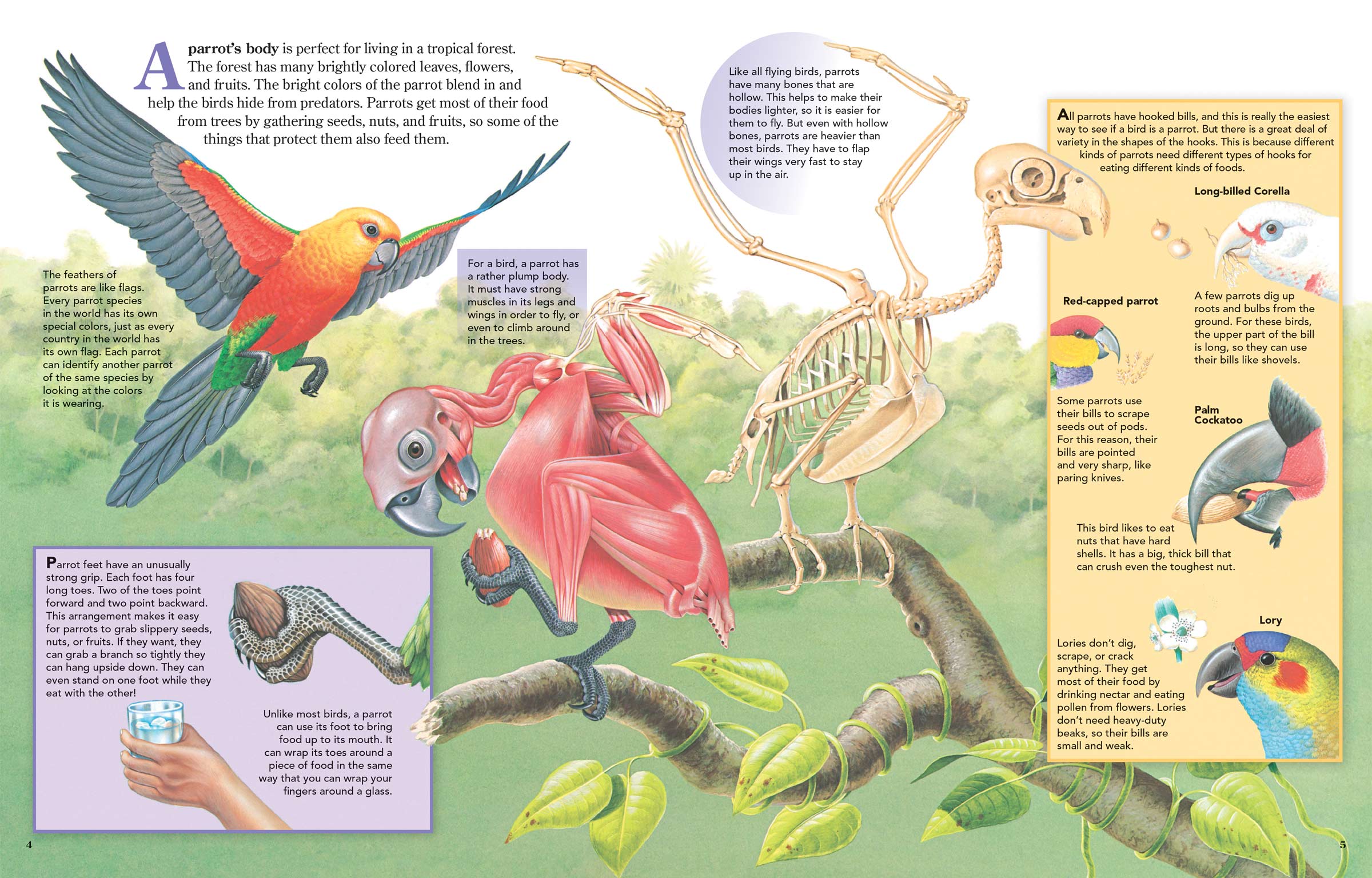
Parrots have strong beaks that let them eat tough seeds. They often drop or spit out seeds, which helps large-seeded trees grow.
Water Birds
Ducks and geese can spread seeds in wetlands and ponds. Some seeds even survive inside a bird’s gut after being swallowed with mud.
Surprising fact: Migrating waterfowl have been shown to move seeds hundreds of kilometers, even between countries.
Jays And Crows
These birds are famous for hiding nuts and acorns. Some of these hidden seeds are forgotten and grow into trees, helping forests expand.
Special Plant And Bird Relationships
Some plants have evolved to work only with birds for seed dispersal. These partnerships can be very specific.
Mutualism: Plants And Birds Helping Each Other
Mutualism means both sides benefit. Some plants make fruits that attract only certain birds. The birds get food, and the plants get their seeds spread.
Example: The mistletoe plant has sticky berries. The mistle thrush eats the berries and wipes the sticky seeds on branches, where new mistletoe grows.
Birds As The Only Dispersers
On some islands, certain trees depend only on one bird species. If the bird disappears, the tree may also vanish.
Example: The dodo tree (tambalacoque) on Mauritius was once believed to depend on the extinct dodo for its seeds to sprout. After the dodo died out, the tree almost vanished.
Non-obvious insight: In rainforests, some trees make fruits that change color only when birds (not mammals) are most active, showing how closely linked they are.
How Far Do Birds Move Seeds?
The distance seeds travel matters. Some birds only move seeds a few meters, while others can spread them across continents.
Short Distances
Most garden birds, like sparrows or blackbirds, spread seeds within a few hundred meters. This helps fill small gaps in forests or gardens.
Long Distances
Large birds, especially those that migrate or fly far each day, can move seeds over tens or even hundreds of kilometers. Waterfowl, for example, can carry seeds stuck to their feathers over lakes and even oceans.
| Bird Type | Seed Type | Typical Distance | Max Recorded Distance |
|---|---|---|---|
| Thrushes | Berry | 2–5 km | 10 km |
| Jays | Acorn | 5–10 km | 20 km |
| Waterfowl | Aquatic plant | 10–100 km | 500 km |
Practical tip: The longer a seed travels, the more likely it is to find a safe place away from its parent plant. This helps forests stay healthy and diverse.
Real-world Examples Of Bird-seed Partnerships
Birds and plants have many unique relationships. Here are some famous examples that show how birds help spread seeds.
The Clark’s Nutcracker And The Pine
The Clark’s nutcracker is a bird in North America that loves pine seeds. It hides thousands of seeds each year, and some of these grow into new pine trees. Without the nutcracker, some pine forests would stop growing.
Fruit-eating Pigeons In The Tropics
In Southeast Asia, fruit pigeons help spread the seeds of rare trees. These birds can eat large fruits that other animals cannot, making them key players in rainforest health.
Hornbills And Figs
In Africa and Asia, hornbills eat figs and other fruits. Their large size helps them carry seeds over long distances, linking patches of forest.
Kōkako And New Zealand Forests
The kōkako, a rare bird in New Zealand, spreads the seeds of native trees. With fewer kōkako, some tree species are now in danger.
Non-obvious insight: Some plants have evolved to match the color and size of their fruits to the favorite food of their bird partners, increasing their chances of being eaten and spread.
What Happens If Birds Disappear?
The loss of seed-spreading birds can cause big problems for plants and people.
Fewer New Trees
Without birds, many plants cannot spread their seeds far. This leads to fewer young trees and more old ones, which can make forests weak.
Loss Of Diversity
If only a few plants survive, forests become less diverse. This affects insects, mammals, and even the climate.
More Invasive Plants
Without birds spreading native seeds, invasive plants can take over. These newcomers often don’t support local wildlife.
Human Impact
People depend on bird-dispersed plants for food, medicine, and clean air. Losing birds can even affect water and soil quality.
Real data: A study in the journal Science found that in areas where fruit-eating birds disappeared, up to 60% fewer seeds were dispersed, leading to sharp drops in plant diversity.
How People Affect Bird-seed Relationships
Humans have changed the way birds spread seeds, sometimes without knowing it.
Deforestation And Habitat Loss
When forests are cut down, birds lose their homes and food. This reduces seed dispersal, slowing forest recovery.
Hunting And Pet Trade
Catching birds for food or pets removes important seed dispersers from the wild. For example, trapping parrots has hurt forest growth in some countries.
Introduced Species
Sometimes, people bring new birds or plants to an area. These newcomers can change or even break old plant-bird partnerships.
Climate Change
Warming temperatures can shift where birds and plants live. Some birds may no longer find their favorite fruits, breaking old connections.
Practical example: When elephants and large fruit-eating birds disappear from African forests, the trees that depend on them also become rare, making the whole forest less stable.
How To Protect Bird-seed Dispersal
We can help birds and plants by protecting their partnerships.
- Save and restore habitats: Keeping forests and wetlands healthy gives birds places to live and feed.
- Support native plants: Planting native fruits and trees gives birds the food they need.
- Avoid hunting and trapping: Letting wild birds live means seeds will keep moving.
- Control invasive species: Removing non-native plants and animals helps restore old partnerships.
- Raise awareness: Teaching others about the link between birds and plants can lead to better protection.
Non-obvious tip: Even small gardens can help. Growing berry bushes or native fruit trees in your yard can attract birds and support local seed dispersal.
Comparing Birds To Other Seed Dispersers
Birds are not the only animals that spread seeds. Mammals, wind, and water also move seeds. But birds have special advantages.
| Dispersal Agent | Distance | Seed Types | Key Advantage |
|---|---|---|---|
| Birds | Short to very long (up to 500 km) | Fleshy fruits, nuts, aquatic seeds | Can cross barriers like rivers or mountains |
| Mammals | Short to moderate (up to 30 km) | Large fruits, nuts, pods | Can bury seeds for later use |
| Wind | Very short to long (up to 1 km) | Light, winged seeds | Works without animals |
| Water | Short to moderate (up to 50 km) | Floating seeds | Moves seeds along rivers and coasts |
Unique role: Birds are especially good at moving seeds to islands, mountaintops, or across open land, places where other animals or wind cannot reach.

Surprising Facts About Birds And Seeds
- Some seeds need to pass through a bird before they can sprout. For example, the chili pepper’s capsaicin keeps mammals away but does not bother birds.
- Migrating birds can link distant forests. A seed eaten in one country can be dropped in another, helping plants travel far.
- Birds can move over 300,000 seeds per square kilometer in some tropical forests each year.
- Some plants have “bird windows.” Their fruits ripen only when key birds are present in the area.
- Seed color and size often match the bird’s beak. This is not by chance but by millions of years of co-evolution.
Frequently Asked Questions
How Do Birds Know Which Seeds To Eat?
Birds choose fruits and seeds based on color, smell, taste, and size. Many plants make fruits that are brightly colored to attract birds. Some birds remember where they found good food and visit the same places again.
Can All Seeds Survive Being Eaten By Birds?
No, only some seeds can survive a bird’s digestive system. These seeds have tough coats or special chemicals that protect them. Other seeds are destroyed and cannot grow after being eaten.
Are Birds More Important For Seed Spreading Than Mammals?
In many places, yes. Birds can fly over rivers, mountains, and open land, spreading seeds farther than most mammals. In tropical forests, birds are the main seed dispersers for up to 70% of tree species.
What Happens If A Plant Loses Its Bird Partner?
If a plant loses its main bird disperser, its seeds may fall under the parent plant and not grow well. Over time, the plant population can shrink, and the whole ecosystem can change.
How Can I Help Birds Spread Seeds In My Area?
Plant native fruit trees and bushes, avoid pesticides, and provide clean water. Even a small garden with berries can attract birds and support seed dispersal. You can learn more from resources like Wikipedia: Seed dispersal.
Birds and plants have worked together for millions of years. By understanding and protecting this partnership, we help keep nature strong, forests healthy, and our world full of life. Every bird that flies with a seed is helping to shape the future of our planet.

