
From the moment a bird’s egg is laid to the first chirp of a newborn chick, nature weaves a complex story. Many people are amazed by how birds hatch from eggs, but few know all the steps and secrets behind this process. Some imagine a simple crack and a quick escape, but the truth is far richer. Inside that hard shell, life grows in a hidden world, each day counting toward a dramatic and delicate arrival. Understanding how birds hatch from eggs not only reveals the wonders of bird life but also helps us appreciate the challenges and intelligence behind every nest. This article gives a full journey, from the laying of the egg to the first breath outside the shell, explaining key stages, surprising facts, and the careful dance between parent and chick that makes hatching possible.
The Basics Of Bird Eggs
Before any bird hatches, everything starts with the egg. A bird egg is not just a simple container. It is a highly evolved, protective structure that holds all the resources a growing chick needs.
Most bird eggs have several important parts:
- Shell: Usually made of calcium carbonate, the shell protects the chick and allows air and water exchange.
- Membranes: Just inside the shell, these thin layers keep bacteria out and help control moisture.
- Albumen (egg white): This jelly-like part cushions the chick and gives it water and protein.
- Yolk: The yellow part stores fat, vitamins, and minerals. It’s the main food for the growing embryo.
- Chalazae: These are spiral bands of tissue that keep the yolk centered.
- Air cell: At the wide end, this pocket of air forms as the egg cools after being laid.
Bird eggs can be many shapes and colors. Some, like those of the ostrich, are huge and strong, while hummingbird eggs are tiny and fragile. The colors often protect them from predators or help them blend into the nest.
How Parent Birds Prepare For Hatching
Hatching success depends on more than just the egg. Parent birds play a key role in creating the right environment.
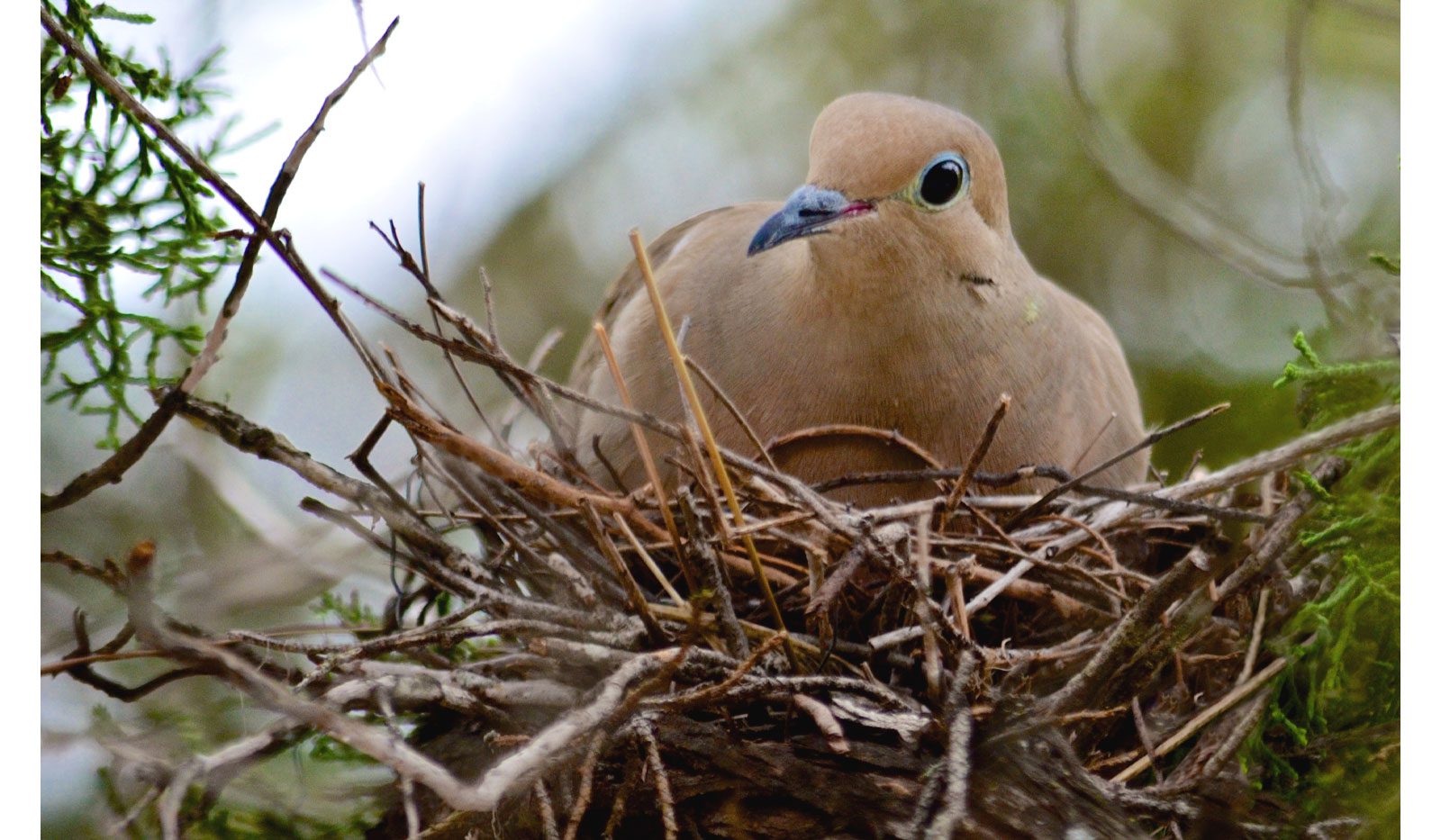
Nest building is the first step. Birds choose special materials and safe locations. Some, like robins, use mud and grass, while others, like weaver birds, create hanging nests from woven leaves.
Next is incubation. This means keeping the eggs at the right temperature (usually between 37°C and 39°C or 98.6°F to 102.2°F). Most birds use their bodies to warm the eggs, but some species, like megapodes, use sun-warmed earth or composting leaves.
Birds often turn their eggs several times a day. This simple action stops the embryo from sticking to the shell and helps it develop evenly. If eggs are not turned, chicks may not hatch at all or could be weak.
Some birds also control humidity around the eggs. Too much moisture can drown the chick, but too little will dry it out. Parents may bring wet leaves or even sit in the rain and then return to the nest.
Embryo Development: Life Inside The Egg
The story of hatching truly begins when the egg is fertilized and laid. Inside, a tiny embryo starts growing. The changes are fast and amazing.
Key Development Stages
- Day 1-3: The embryo forms basic body parts—head, spine, and heart. By the end of day 3, the heart is beating.
- Day 4-7: Wings, legs, and eyes appear. Blood vessels spread through the yolk.
- Day 8-14: Feathers and claws start to grow. The chick’s beak gets harder. Internal organs develop.
- Last days: The chick fills nearly all space. Its lungs mature, and it prepares for life outside.
The embryo breathes using oxygen that diffuses through tiny pores in the shell. Early on, it absorbs oxygen through its skin, but soon, special blood vessels (the chorioallantoic membrane) line the inside of the shell for better gas exchange.
The yolk sac provides food, while the albumen supplies water and more protein. Waste is stored in a special sac (the allantois) so the chick doesn’t poison itself.
Surprising Insights
- In some species, siblings communicate with each other through soft sounds before hatching. This helps them hatch together—a process called synchronous hatching.
- If the nest gets too cold or hot, embryo growth can slow down or stop. Some eggs can pause development for several days—a trick called embryonic diapause.
The Countdown To Hatching
As the embryo matures, it starts preparing for the final escape. This last phase is full of subtle, critical changes.
Turning Into A Chick
In the days before hatching, the chick shifts position so its beak points toward the air cell at the large end of the egg. This is its first breath of fresh air. The chick begins to breathe using its lungs, practicing for life outside.
Its body produces a special muscle called the hatching muscle (or complexus muscle) at the back of its neck. This muscle is only used for hatching and disappears soon after.
The chick also develops a sharp, temporary tip on its beak called the egg tooth. This helps break through the tough shell.
At this point, the chick absorbs the last of the yolk, drawing it into its belly. This yolk will feed the chick for a day or two after hatching, in case parents are away.
Internal Pip: The First Crack
The first big event is called internal pipping. The chick breaks through the inner shell membrane into the air cell. This is usually done with the egg tooth. Here, the chick takes its first real breath—an exhausting moment.
This new access to air triggers the chick to start external pipping—the next, most visible stage.
:strip_icc()/my-bird-laid-egg-will-hatch-390491_final-5eddfdd698ab4c068814947dcba973e0.png)
The Hatching Process: Breaking Out Of The Egg
Hatching is hard work. The chick must break through a strong shell while using only its small muscles and the egg tooth.
External Pip: The First Hole
The chick pushes its beak against the shell, slowly making a small crack. This is the external pip. From outside, you might see a tiny hole and hear soft peeping. Air comes into the egg, but now the clock is ticking—the chick needs to get out before it dries out or runs out of energy.
Rotating And Zipping
After the first hole, the chick rests. Hatching is not a race; it can take 12–24 hours (sometimes up to 48 hours for larger birds). The chick uses the hatching muscle to tap and scrape a line around the wider end of the shell. This is called zipping.
As it works, the chick slowly rotates inside the egg, cutting a cap that can be pushed open. This takes many short pushes and rests. The process is noisy in some birds, with lots of peeping and tapping.
The Final Push
When enough of the shell is weakened, the chick gives a big effort, pushing its head and body out of the egg. The shell cap pops off, and the chick wriggles free, wet and tired.
At first, the chick may seem weak and floppy. It needs to rest and dry. Parents often help by removing shell pieces and keeping the chick warm.
Two Insights Beginners Miss
- Chicks that hatch too quickly or with too much help from humans can be weak or not fully ready for life outside. The slow process has a purpose—it lets the chick’s body adjust to breathing air and using its muscles.
- Not all eggs hatch, even in perfect conditions. Some embryos are not healthy, or shells may have tiny cracks that let in bacteria. This is why birds often lay more eggs than will survive.
Parent Involvement During Hatching
Bird parents do more than just wait for the chick to appear. They support the chick in important ways.
- Temperature control: Parents keep the nest at the right temperature, even as chicks hatch.
- Humidity: Some birds bring water or wet leaves to help soften the shell, making hatching easier.
- Encouragement: Parent birds often call softly or tap the eggs. These sounds can encourage chicks to keep going.
- Shell removal: After hatching, adults remove or eat the empty shells. This keeps the nest clean and hides evidence from predators.
In some species, both parents help. For example, in penguins, males and females take turns warming the eggs and chicks.
What Happens After Hatching
Newly hatched chicks are not ready to face the world alone. What happens next depends on the bird species.
Altricial Vs. Precocial Chicks
Birds can be divided into two groups based on how their chicks hatch:
| Type | Appearance at Hatching | Parent Care Needed | Example Birds |
|---|---|---|---|
| Altricial | Blind, naked, weak | High (feeding, warmth, protection) | Robins, sparrows |
| Precocial | Covered in down, eyes open, mobile | Low (guided to food, some warmth) | Chickens, ducks |
Altricial chicks need constant care. Their parents must feed them every few hours and keep them warm. These chicks grow quickly and develop feathers in the nest.
Precocial chicks can walk or swim soon after hatching. They follow parents to food and are less vulnerable, but still need protection.
First Days
Chicks spend the first hours drying and resting. The leftover yolk inside their bodies gives them energy while they wait for their first real meal.
Parents feed altricial chicks soft food, like insects or regurgitated seeds. Precocial chicks often peck at bugs or seeds with their parents’ guidance.
In many species, parents use special calls to teach chicks to recognize their voices and stay close. This early learning is key for survival.
Survival Rates And Threats
Hatching is just the start of a difficult journey. Many dangers threaten eggs and chicks.
Common Threats
- Predators: Snakes, mammals, and other birds often raid nests for eggs and chicks.
- Weather: Cold snaps, heat waves, or heavy rain can kill embryos or newly hatched chicks.
- Disease: Bacteria and fungi can enter through cracks in the shell or dirty nests.
- Human activity: Habitat loss, pesticides, and nest disturbance lower hatching success.
Survival Data
Most birds lay more eggs than will survive. For example, in songbirds, only 40–60% of eggs hatch, and fewer than half of those chicks reach adulthood. In waterfowl, survival rates are higher for precocial chicks, but still only about 50–70% reach maturity.
This pattern ensures that at least some young survive, even in a risky world.
Unique Hatching Adaptations In Birds
Birds have evolved amazing strategies to help their eggs and chicks succeed.
Brood Parasitism
Some birds, like cuckoos, lay eggs in other species’ nests. The host parents raise the cuckoo chick, often at the cost of their own young. Cuckoo eggs may hatch faster or mimic the look of host eggs, giving them an advantage.
Synchronous Hatching
In species like ducks and geese, all eggs hatch within hours, even if laid days apart. This is possible because the embryos slow or speed up development, often triggered by the mother’s calls. Chicks leave the nest together, making them safer from predators.
Super Precocial Chicks
Some ground-nesting birds, like the megapode, never see their parents. The chicks hatch fully feathered, dig themselves out of the nest mound, and find food on their own.
Delayed Hatching
A few species, such as the hoatzin, can delay hatching if conditions are bad. This helps chicks survive if there’s a sudden storm or predator threat.
Comparing Bird Hatching With Other Animals
Understanding how birds hatch from eggs is easier with comparisons to other animals.
| Animal Group | Eggs Laid | Incubation | Parental Care |
|---|---|---|---|
| Birds | Few (1–20) | Yes (body heat or environment) | Usually high |
| Reptiles | Many (up to 100+) | No or minimal | Low to none |
| Amphibians | Many (hundreds–thousands) | No (in water) | None |
| Mammals (monotremes) | Few (1–3) | Yes (body or burrow) | High |
Birds are unique in the amount of care and energy they invest in a small number of eggs. This care increases each chick’s chance of survival.
Human Impact And Conservation
Humans have a big effect on how many bird eggs hatch successfully. As we change landscapes, use chemicals, and introduce new predators, we put bird populations at risk.
Key Conservation Issues
- Habitat loss: Cutting down forests or draining wetlands removes safe places for birds to nest and hatch.
- Pollution: Chemicals like pesticides can weaken eggshells (as happened with DDT) or poison chicks.
- Invasive species: Rats, cats, and other animals introduced by humans often destroy eggs and chicks.
Many conservation groups work to protect nesting sites, ban harmful chemicals, and control predators. These efforts help rare and common birds alike.
Amazing Hatching Records And Oddities
The world of bird hatching is full of surprises.
- The kiwi lays an egg up to 20% of its own body weight—the largest egg-to-body ratio of any bird.
- The wandering albatross has one of the longest incubation times: Up to 80 days.
- Some desert birds, like the sandgrouse, soak their feathers with water and bring it to their chicks.
- The Emperor penguin male balances the egg on his feet and keeps it warm for over two months during the Antarctic winter.
- In the Australian megapode, eggs are incubated in a mound of rotting plants. The father bird checks the temperature with his beak and adds or removes material to keep it just right.
These examples show how flexible and clever birds are in helping their chicks hatch.

Common Mistakes And Misunderstandings
Many people believe that all chicks need help to hatch or that touching eggs will always harm them. Here are the facts:
- Helping chicks hatch is usually not needed and can be harmful. The hatching process is important for building strength and health.
- Handling eggs: Clean hands and gentle touch rarely harm eggs, but oils or strong pressure can cause cracks or let in bacteria.
- Eggs left alone: Parent birds often leave the nest for short times. This is normal, as eggs can handle cooling briefly.
Understanding these facts can prevent well-meaning but harmful actions around nests.
Frequently Asked Questions
How Long Does It Take For A Bird Egg To Hatch?
The time varies by species. Small songbirds take about 10–14 days, while larger birds like ducks or raptors may need 21–35 days. The wandering albatross can incubate for up to 80 days.
What Happens If A Bird Egg Is Not Turned?
If an egg isn’t turned, the embryo can stick to the shell and may die or hatch weak and deformed. Turning spreads nutrients and helps the chick develop evenly.
Can You Hear Chicks Inside The Egg Before Hatching?
Yes, in the last day or two, you might hear peeping or tapping from inside the egg. This means the chick is ready and may soon begin hatching.
Do All Bird Eggs Need To Be Incubated By Parents?
Most do, but some, like megapodes, use warm sand or compost piles. A few, such as some penguins, may leave eggs for short periods, but regular warmth is almost always needed.
Where Can I Learn More About Bird Hatching?
A reliable source for deeper reading is the Wikipedia page on bird eggs.
Bird hatching is a story of patience, teamwork, and survival. Each egg holds not just a chick, but the promise of new life and the result of millions of years of evolution. The next time you see a nest or hear the chirp of a chick, remember the hidden drama that brought it into the world.

