
Birds fill our world with sound, color, and movement. But behind their beauty, there is a rich and complex system of communication. From the call of a robin at dawn to the coordinated flight of starlings, birds are constantly sending messages to each other.
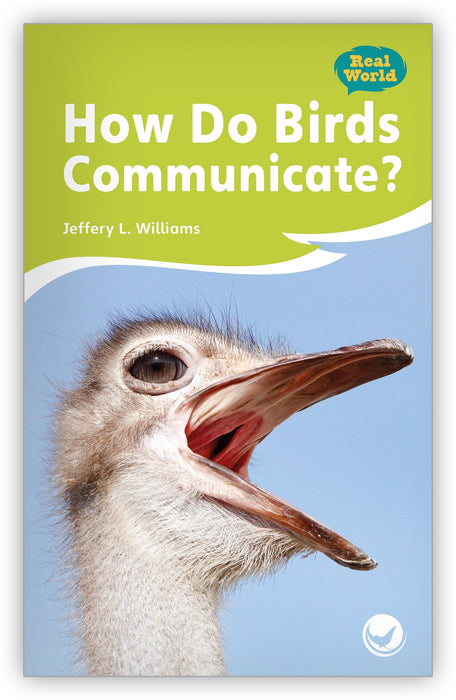
How do birds communicate? This question opens up a fascinating look at the lives of these animals. Birds use a mix of sounds, body language, colors, and even chemicals to share information. Understanding how birds communicate helps us see their intelligence and social skills in a new way.
Learning about bird communication is more than just a curiosity. It helps scientists protect rare species, reveals how animals adapt to changing environments, and even inspires new technology. This article explores the main ways birds talk to each other, from songs and calls to visual signals and beyond.
You will also learn about the science behind these methods, including surprising facts that many people miss. Whether you are a birdwatcher, a student, or simply interested in nature, you will discover just how clever and adaptable birds can be.
Why Communication Matters For Birds
Birds communicate for many reasons. The main ones are to attract mates, defend territory, warn about danger, and keep groups together. Each message must be clear and reach the right audience, often in noisy or busy environments. For example, a chickadee’s alarm call can warn other birds about a nearby hawk, while a peacock’s display is a signal to possible mates.
Success in communication often means survival.
Communication also helps birds solve problems. Some species use teamwork to find food or chase away predators. Others use complex signals to avoid fights or form partnerships. In crowded places, such as colonies or flocks, good communication prevents confusion and keeps the group safe.
The Language Of Bird Sounds
Bird sounds are the most famous form of bird communication. These sounds are not random; each has a purpose.
Songs And Calls: What’s The Difference?
Birds make two main types of sounds: songs and calls. Understanding the difference is key.
- Songs are usually longer and more complex. Only some birds sing, and it is often the males. Songs are used to claim territory or attract a mate. For example, the nightingale can sing for hours without repeating itself, showing strength to rivals and mates.
- Calls are shorter and simpler. Both males and females use them. Calls help birds stay in touch, warn of danger, or signal food.
Here’s a quick comparison:
| Type | Who Uses | Main Purpose | Example Species |
|---|---|---|---|
| Songs | Mostly males | Attract mates, defend territory | Nightingale, Song Sparrow |
| Calls | Males & females | Alarm, contact, food signal | Chickadee, Crow |
How Birds Make Sounds
Most birds create sound using an organ called the syrinx. It sits at the base of their windpipe. The syrinx is much more flexible than human vocal cords. Some songbirds can control each side of the syrinx separately, making two notes at once. This is why a mockingbird can copy other birds or mix sounds in amazing ways.
A practical insight here: Not all bird sounds are made with the syrinx. Woodpeckers drum on trees to send signals, and grouse can clap their wings to make noise. These are also forms of communication, just without the voice.
Learning To Sing: Not All Birds Are Born Singers
Young birds often learn songs from adults. This is called vocal learning. Songbirds, parrots, and hummingbirds are the best learners. They listen to older birds and practice until their songs match. This learning allows regional “dialects” to form. For example, a sparrow in one area may sound different from a sparrow far away.
Non-obvious insight: Some birds can change their song if their environment changes. If city noise grows louder, birds might sing higher or shorter notes to be heard.
What Do Bird Sounds Mean?
Bird sounds can carry many messages:
- Alarm calls warn about predators. Some birds have different calls for hawks, cats, or snakes. Other birds can understand and react to these warnings, even across species.
- Begging calls help chicks get food from parents.
- Contact calls keep flocks together, especially in thick forests or during migration.
Some birds use special tricks. The lyrebird of Australia can mimic almost any sound, from other birds to camera clicks. This skill can confuse rivals or attract mates by showing off intelligence.

Visual Signals: The Power Of Body And Color
Birds are not limited to sound. Visual signals are just as important, especially when sound is hard to use.
Plumage: Colors And Patterns
Feathers come in many colors and shapes, and these can send clear messages. Bright colors often mean “I am healthy and strong. ” For example, the bright red of a male cardinal or the shimmering green of a hummingbird is meant to impress mates.
Some birds use patterns to warn rivals. The eye-spots on a peacock’s tail or the bold stripes of a killdeer can startle predators or attract attention.
But color can also be used to hide. Female ducks and plovers are often duller, helping them blend in and protect their eggs.
Non-obvious insight: Some birds see colors we cannot, including ultraviolet. What looks plain to us may glow with hidden patterns to another bird.
Posture And Movement
Body language is a big part of bird communication. For example:
- A robin puffing out its chest and singing loudly is claiming territory.
- A blue jay raising its crest shows it is alert or ready to fight.
- Courtship dances, like the cranes’ leaps or the manakin’s moonwalk, signal interest in mating.
Many birds use synchronized movements to show unity. Starling flocks twist in the sky together, confusing predators and signaling group strength.
Wing And Tail Signals
Some birds flash their wings or tails to warn others or scare predators. The white rump of a flicker, flashed during flight, can signal to others that danger is near. Killdeers fake injuries by dragging a wing, leading threats away from their nests.
Chemical Communication: Scents And Secret Signals
Birds do not just rely on sights and sounds. Chemical signals play a hidden but important role.
Scent In Bird Communication
For a long time, people thought birds had a poor sense of smell. New research shows this is not always true. Some species, like kiwis and vultures, have a well-developed sense of smell.
- Kiwis use scent to find food underground.
- Petrels and albatrosses can smell their mates or chicks among thousands of birds.
- Crested auklets rub their citrus-scented feathers together during courtship. The smell may attract mates or show health.
Birds also use scents to mark their nests or defend territory. The oil glands near their tails help keep feathers in good shape but may also carry personal scent information.
Chemical Warnings
Some birds release strong odors as a warning. The hoatzin chick, found in South America, has a smell that puts off predators. This is a rare but effective defense.
A non-obvious point: Scent is often used at night or in dark places, where visual signals would not work. Cave-nesting swifts and some seabirds rely more on smell than most people expect.

Touch And Vibration: The Quiet Signals
Touch is less common in bird communication but still important, especially in social or close-up situations.
- Parent birds nudge or tap their chicks to signal feeding time.
- Mates may preen each other’s feathers. This grooming strengthens bonds and shows trust.
- Some woodpeckers and owls use drumming or tapping sounds that also create vibrations. These signals can travel through the tree or nest, alerting others without making noise that predators hear easily.
In crowded colonies, like those of penguins or flamingos, gentle touches help keep order and reduce fighting.
Communication In Groups: Keeping The Flock Together
Birds often live or travel in groups. Good communication is the key to group success.
Flock Coordination
When you see a flock of geese flying in a V-shape, or starlings swirling in the sky, you are watching group communication in action. Each bird watches its neighbors and matches their movements. Quick calls, body signals, and even changes in wingbeat keep the group together.
A common mistake: People often think there is a single “leader.” In reality, leadership shifts. Birds at the front often change, allowing others to take over when tired.
Mixed-species Flocks
Sometimes, birds of different species form flocks. They share information about food and predators. For example, in South America, antbirds, woodcreepers, and tanagers move together. If one spots a hawk, its alarm call warns the whole group.
This sharing of information benefits all, but each species still has its special signals.
Roosting And Nesting Calls
At night, birds often gather in safe places. Special “roosting calls” help coordinate when and where to meet. In large colonies, parents and chicks use unique calls to find each other, even among thousands of birds.
Communication Across Long Distances
How do birds send messages over kilometers? Some use loud calls, but there are other tricks.
Echoes And Terrain
In forests, high-pitched calls are common. These sounds travel better through trees. In open country, deeper sounds carry farther. Birds may also use the timing of their calls—singing at dawn or dusk, when the air is calm and sound travels best.
Migration And Navigation
Migrating birds use calls to stay in touch. Geese honk to keep the group together, even in fog. Some seabirds use special calls to find their way back to the right nest after months at sea.
Pigeons and other birds may sense magnetic fields, using this sense alongside sounds and sights to navigate.
Mimicry And Deception: When Birds Play Tricks
Some birds are masters of imitation. Mimicry is when a bird copies the sound or look of another species.
Vocal Mimicry
- The northern mockingbird can copy over 200 different sounds.
- The lyrebird adds chainsaws, cameras, and car alarms to its song, confusing rivals or predators.
Mimicry is not just for fun. It can fool predators, attract mates, or even trick other birds out of their food.
Visual Mimicry
Some cuckoos lay eggs that look just like those of other birds. This visual trick fools the host into raising the cuckoo’s chick.
A non-obvious example: The fork-tailed drongo in Africa mimics the alarm calls of other birds. When a group finds food, the drongo copies a warning sound, scaring them away. The drongo then steals the food. This is a clear case of deceptive communication.
Communication And The Environment
Bird communication changes with the environment. City birds, for example, often sing louder or at different times to compete with traffic noise. In forests, birds use higher-pitched calls that bounce through the trees. On open plains, deeper sounds carry farther.
Researchers have shown that some birds can change their signals within a single generation. This adaptability helps them survive in changing habitats.
Here’s a summary of how environment affects communication:
| Habitat | Common Signal Types | Typical Adaptation |
|---|---|---|
| Urban | Louder, higher-pitched calls | Compete with noise |
| Forest | High-pitched, short calls | Penetrate dense foliage |
| Open grassland | Low, long calls | Travel farther |
| Wetlands | Complex calls, visual displays | Visible over tall grass |
Birds also adapt their signals for the seasons. During breeding, songs and displays are most common. In winter, contact calls and flock signals become more important.
Human Impact On Bird Communication
Humans change the world in many ways, and bird communication must adapt.
Noise Pollution
City noise can drown out bird songs. Some birds sing at night, use higher notes, or repeat calls more often to be heard. But not all birds can adapt, and some leave noisy areas.
Light Pollution
Bright lights can change when birds sing or display. Some species start their dawn chorus earlier, while others get confused and waste energy singing at the wrong time.
Habitat Change
Cutting forests or draining wetlands changes the background for signals. Birds may not find each other as easily, leading to fewer mates and smaller populations.
A key insight: Urban parks and gardens can help. Even small green spaces offer quiet places for birds to communicate. Planting native trees and reducing noise can make a big difference.
How Scientists Study Bird Communication
Studying bird communication takes patience and special tools. Here are some methods:
- Audio recording: Devices capture songs and calls for analysis. Software can break down sounds into frequency, length, and pattern.
- Playback experiments: Scientists play recorded calls to birds and watch the reaction. This helps reveal what the calls mean.
- Color marking: Bands or dyes identify individuals. Researchers can then link signals to specific birds.
- Video observation: Cameras record dances, displays, or group movements.
Here’s a table comparing methods:
| Method | Main Use | Strength | Weakness |
|---|---|---|---|
| Audio recording | Song/call analysis | Precise, repeatable | Needs quiet conditions |
| Playback | Testing meaning | Direct response | May disturb birds |
| Color marking | Individual tracking | Long-term studies | Can stress birds |
| Video | Body language | Rich detail | Hard in wild |
Scientists also use DNA to match calls to species, especially when birds look alike. New technology, such as tiny GPS trackers and sound sensors, is opening up even more secrets of bird life.
Non-obvious Insights And Common Mistakes
Many beginners think all bird sounds are songs, but most are calls with simple, clear meanings. It is also easy to assume that bright colors mean a bird is always a male, but in some species, females are just as colorful.
Another mistake is to ignore the power of silence. Sometimes, not making a sound is a signal too—such as when a bird stays hidden to avoid attracting a predator’s attention.
Finally, remember that bird communication is not just about sending signals; it’s also about listening and reacting. Birds must be good listeners to survive.
Frequently Asked Questions
How Do Birds Recognize Each Other’s Voices?
Birds can tell individuals apart by small differences in their songs or calls. Parents and chicks recognize each other this way, even in crowded colonies. Some birds can remember the voices of neighbors for months or years.
Do All Birds Sing?
No, only some birds sing. Songbirds, parrots, and hummingbirds are the best singers. Many other birds use calls, drumming, or visual signals instead.
Can Birds Understand The Calls Of Other Species?
Yes, in many cases. Alarm calls, for example, can be understood by different species in the same area. This sharing of warnings helps all birds avoid predators.
How Does City Noise Affect Bird Communication?
City noise can make it hard for birds to hear each other. Some birds adapt by singing louder or at different times, but others struggle and may leave noisy areas.
Where Can I Learn More About Bird Communication?
A good place to start is the Wikipedia page on bird communication. You can also find books, online courses, and local birdwatching groups for more information.
Bird communication is a window into the intelligence, creativity, and adaptability of nature. By paying attention to how birds communicate, we gain not only knowledge but also a deeper respect for these remarkable creatures. Whether it is the soft call of a dove or the bright dance of a crane, every signal tells a story—one that is worth listening to.

