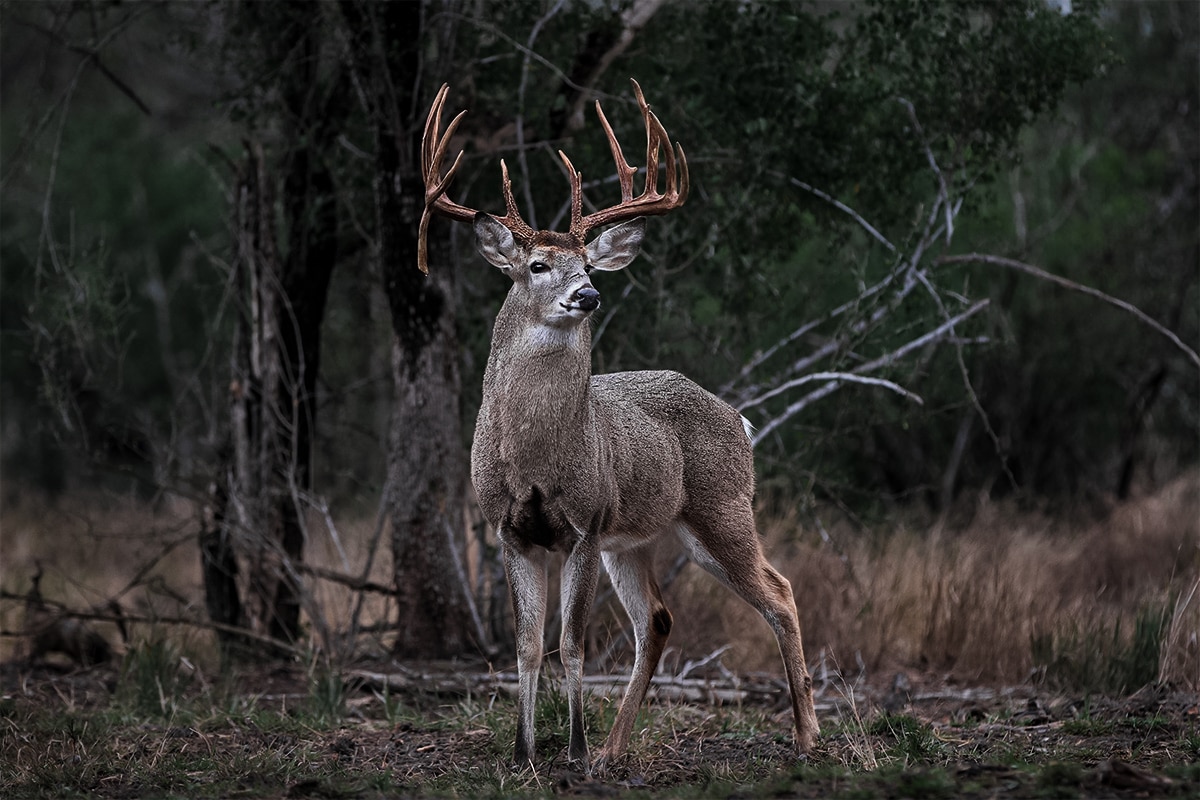
How Big Do Deer Get?
Deer are some of the most recognizable animals in the world. Their size often surprises people, especially when you see different types side by side. Some are as small as a pet dog, while others stand as tall as a grown man.
If you’re curious about how big deer can get, this guide will answer your questions clearly and simply.
What Determines Deer Size?
Many factors affect deer size. The main ones are species, age, sex, and habitat. For example, deer in colder climates often grow bigger to survive tough winters. Males (bucks) are usually larger than females (does). Food availability and genetics also play a role.
Size Differences Between Deer Species
There are over 40 species of deer worldwide. Let’s look at how big some of the most common and unique deer can get.
| Deer Species | Average Height (at shoulder) | Average Weight |
|---|---|---|
| Moose (largest deer) | 1.4–2.1 m (4.6–6.9 ft) | 380–700 kg (838–1543 lbs) |
| Red Deer | 1.0–1.4 m (3.3–4.6 ft) | 160–240 kg (350–530 lbs) |
| White-tailed Deer | 0.9–1.1 m (3–3.6 ft) | 45–136 kg (100–300 lbs) |
| Roe Deer | 0.6–0.75 m (2–2.5 ft) | 15–35 kg (33–77 lbs) |
| Pudu (smallest deer) | 0.3–0.4 m (1–1.3 ft) | 6–13 kg (13–29 lbs) |
As you can see, the moose is the largest member of the deer family, while the pudu is the smallest. The size difference is dramatic—from a pudu you could carry in your arms, to a moose that towers over most people.
How Big Do Common Deer Get?
Let’s focus on a few deer you might see in North America, Europe, and Asia.
White-tailed Deer
The white-tailed deer is widespread in North America. Adult males usually stand about 1 meter (3.3 feet) at the shoulder and weigh between 68 and 136 kg (150–300 lbs). Females are lighter, averaging 45–90 kg (100–200 lbs).
Mule Deer
Mule deer are common in western North America. They are slightly larger than white-tailed deer, with males standing up to 1. 1 meters (3. 6 feet) and weighing 95–150 kg (210–330 lbs).
Red Deer
Found in Europe and Asia, red deer are much larger. Mature males reach up to 1.4 meters (4.6 feet) and 240 kg (530 lbs). Females are smaller, about 120 kg (265 lbs).
Sika Deer
Sika deer are native to East Asia but have been introduced to other regions. They are medium-sized, standing 0.7–1.1 meters (2.3–3.6 feet) and weighing 50–110 kg (110–240 lbs).
Axis Deer (chital)
These spotted deer are native to the Indian subcontinent. Males stand about 0. 9 meters (3 feet) and weigh up to 98 kg (216 lbs).
Record-breaking Deer
Some deer have reached record sizes far above average.
- The largest recorded moose was over 800 kg (1,800 lbs) and stood 2.3 meters (7.6 feet) at the shoulder.
- The heaviest white-tailed deer on record weighed 232 kg (511 lbs).
- A sambar deer in India once reached 546 kg (1,204 lbs).
These records are rare, and most deer are closer to the average sizes listed above.
How To Estimate A Deer’s Size
Hunters, wildlife watchers, and scientists often need to estimate a deer’s size from a distance. Here are some useful tips:
- Compare to known objects like trees, fences, or vehicles.
- Watch for antler size—big antlers usually mean a big, mature male.
- Check the body shape—larger deer have deeper chests and longer legs.
- Look at the neck—thicker necks often mean bigger, older bucks.
Most people overestimate deer weight. For example, a deer that looks huge in the wild might weigh much less than you think.
Males Vs. Females
In most species, males are larger than females. For example, a male red deer can be twice as heavy as a female. This size difference is called sexual dimorphism. It helps males compete for mates, especially during the breeding season when they fight with their antlers.
Age And Growth
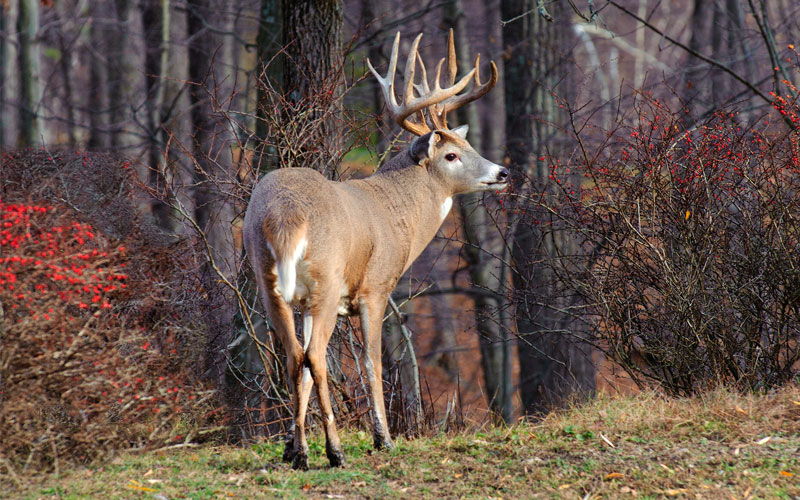
Deer grow quickly in their first year. Most reach adult height by 2–3 years old. After that, they may keep gaining weight, especially males. Older deer often have more muscle and fat. However, after a certain age, they may lose weight as they get old.
Smallest And Largest Deer Species
For a better picture, here is a comparison of the largest and smallest deer:
| Species | Adult Height | Adult Weight |
|---|---|---|
| Moose (Alces alces) | Up to 2.1 m (6.9 ft) | Up to 700 kg (1,543 lbs) |
| Pudu (Pudu puda) | Up to 0.4 m (1.3 ft) | Up to 13 kg (29 lbs) |
The difference is so large that a moose can weigh more than 50 pudus put together.
The Role Of Habitat
Where a deer lives affects how big it gets. Northern deer tend to be larger because they need to survive cold winters. Island deer or those in warm climates are usually smaller. Food quality and space also matter—a deer in a poor habitat won’t reach its full size.
Non-obvious Insights About Deer Size
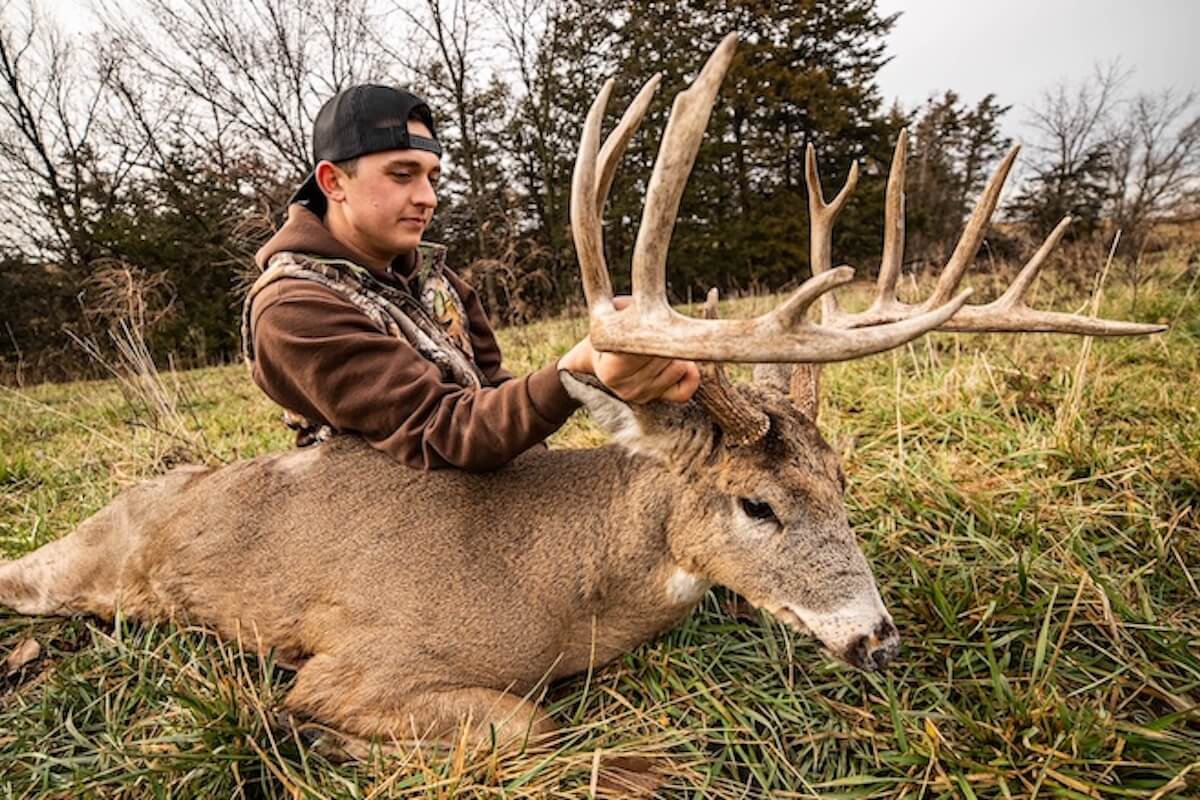
- Antler size is not always a sign of body size. Some deer have big antlers but average bodies, especially if they are young or lack good nutrition.
- Climate change can affect size. Warmer winters can lead to smaller deer in some areas, as less body fat is needed for survival.
Why Deer Size Matters
Understanding deer size helps with:
- Wildlife management: Knowing average sizes helps set hunting limits.
- Conservation: Protecting large animals often needs more space and resources.
- Safety: Large deer, like moose, are a serious hazard on roads.
For more details on deer species, you can check the Wikipedia: Deer page.
Frequently Asked Questions
How Much Does The Average Deer Weigh?
It depends on the species. A typical white-tailed deer weighs 45–136 kg (100–300 lbs), while a moose can weigh up to 700 kg (1,543 lbs).
Are There Deer Smaller Than A Dog?
Yes, the pudu is the smallest deer. Adults weigh as little as 6 kg (13 lbs), about the size of a house cat or small dog.
Do Antlers Show How Big A Deer Is?
Not always. While bigger bucks often have bigger antlers, nutrition and age can also affect antler size.
Why Are Moose Considered Deer?
Moose are the largest member of the deer family (Cervidae). They share common features like antlers and hoofed feet.
Can Deer Get Bigger In Captivity?
Sometimes. With plenty of food and safety, captive deer can grow larger than their wild relatives, but genetics still set a maximum size.
Whether you’re a nature lover, hunter, or just curious, understanding how big deer get gives you a new respect for these amazing animals. From the tiny pudu to the giant moose, deer truly show the variety in the animal kingdom.