
Every autumn, the forests and meadows of North America echo with haunting bugles and the heavy clash of antlers. These are the sounds of bull elk—majestic and powerful, but also surprisingly dangerous. For many people, the question arises: How aggressive is a bull elk? The answer is more complex than you might think. Bull elk are not always dangerous, but in certain situations, their aggression can surprise even experienced wildlife watchers. Understanding their behavior is not just interesting; it can also keep you safe.
What Drives Aggression In Bull Elk?
Elk, known scientifically as Cervus canadensis, are social herd animals. Most of the year, bull elk are peaceful, often found resting or grazing with other males. However, their behavior changes dramatically with the seasons. The main trigger for aggression is the rut, or mating season, which typically occurs from September to October.
During the rut, testosterone levels in bull elk can be ten times higher than normal. This hormonal surge transforms calm animals into fierce competitors. Their main goal is to win and defend a group of females, called a harem. Any rival—whether elk, human, or even a vehicle—can become the target of their aggression.
But it’s not just hormones. Bull elk size up their rivals and decide when to fight and when to bluff. Sometimes, they only show off their size and strength. Other times, they charge with full force. Understanding the reasons behind aggression is the first step to predicting and avoiding dangerous encounters.
How Bull Elk Show Aggression
Aggression in bull elk is not random. They use a mix of body language, sounds, and direct action to send warnings or challenge others. Recognizing these signs can help people stay safe.
- Bugling: The famous elk call is not just for show. Bull elk bugle to announce their presence and strength. A nearby bugle means you’re in another bull’s territory.
- Posturing: Bull elk raise their heads, flare their necks, and display their antlers. They may thrash bushes or the ground with their antlers to look bigger.
- Pawing the Ground: Before charging, an elk often paws at the earth, kicking up dust as a warning.
- Staring and Approaching: If a bull elk fixes its gaze on you and starts walking closer, it’s testing if you’re a threat.
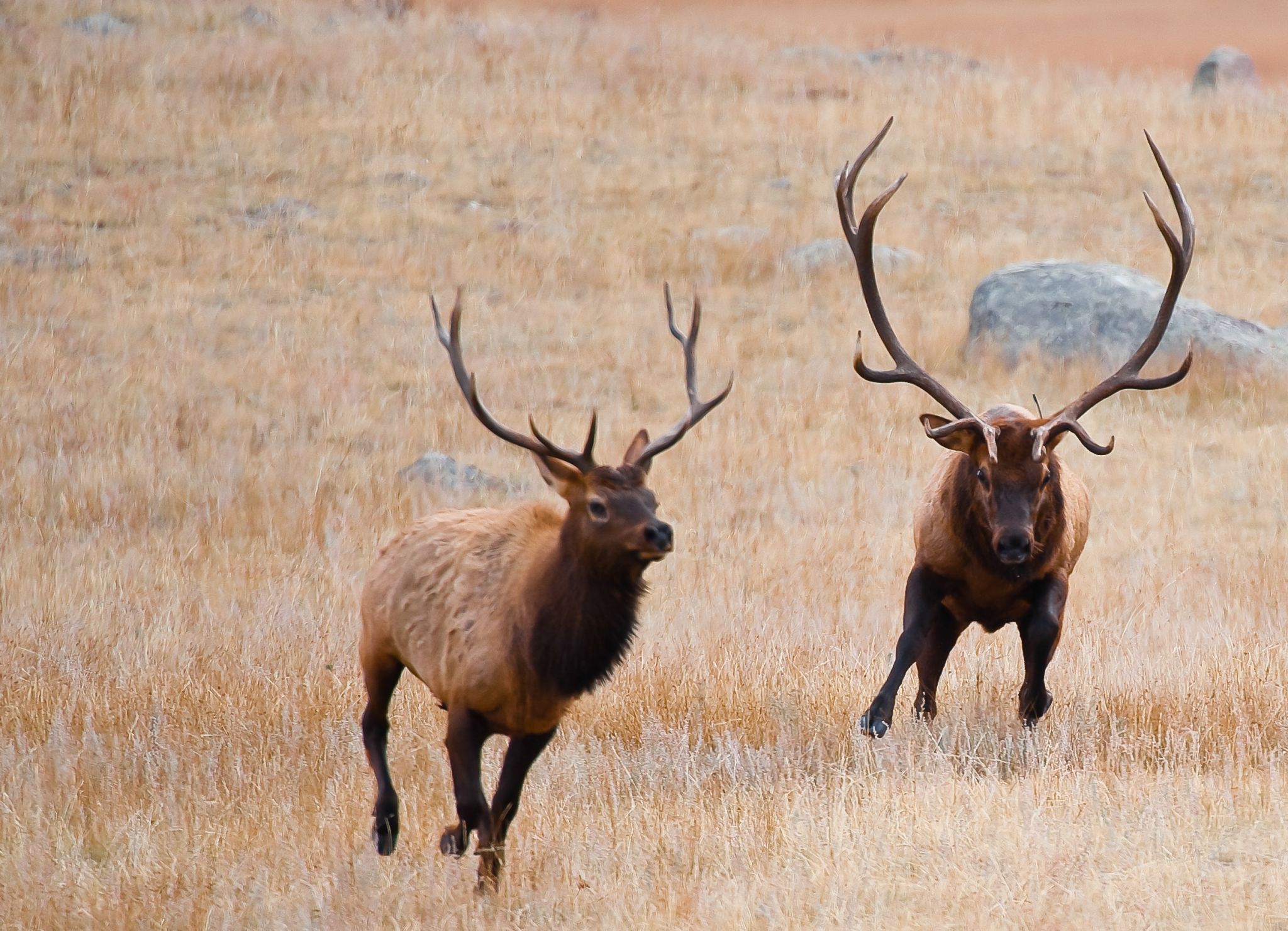
- Charging: The final and most dangerous stage. Bulls lower their heads and rush at perceived threats, using their massive antlers as weapons.
It’s important to note that bull elk rarely attack without warning. If you know the signs, you can move away before things escalate.
Comparing Aggression: Bull Elk Vs. Other Large Mammals
People often compare elk to other big animals like moose or bison. Are bull elk more aggressive? Let’s look at some key differences.
| Animal | Typical Aggression Level | Main Triggers | Human Incidents per Year (US/Canada) |
|---|---|---|---|
| Bull Elk | Moderate to High (during rut) | Rut, territory, surprise | ~20-30 reported attacks |
| Moose | High (year-round, especially spring/fall) | Calves, dogs, rut | ~50 attacks |
| Bison | High (all year) | Proximity, calves | ~50-60 attacks |
Bull elk are most dangerous during the rut, while bison and moose can be aggressive any time. However, elk are more likely to give warning signs before attacking.
Physical Power: Just How Dangerous Is A Bull Elk?
To understand their aggression, you need to know the physical power of a bull elk. Mature bulls can weigh between 700 and 1,100 pounds (320–500 kg) and stand about 5 feet (1.5 m) tall at the shoulder. Their antlers can span up to 4 feet (1.2 m) across and weigh more than 40 pounds (18 kg).
When a bull elk charges, it can reach speeds of up to 40 mph (64 km/h) for short bursts. The force of a charging elk is enough to seriously injure or even kill large predators, including wolves or bears. For humans, an encounter with a charging elk can be life-threatening.
Here’s a comparison of bull elk size and power:
| Trait | Bull Elk | Moose | Whitetail Deer (Buck) |
|---|---|---|---|
| Weight | 700-1,100 lbs | 800-1,500 lbs | 150-300 lbs |
| Antler Spread | Up to 4 ft | Up to 6 ft | Up to 3 ft |
| Top Speed | 40 mph | 35 mph | 30 mph |
While moose are larger, bull elk are faster and have more pointed antlers—making them especially dangerous in a charge.
When Are Bull Elk Most Aggressive?
Aggression in bull elk is not constant—it peaks and falls with the seasons and certain situations. Here are the times you should be most careful:
The Rut (september–october)
This is when almost all dangerous encounters happen. Bulls are fighting for dominance, and anything that comes close to their harem can be seen as a challenger. Some bulls will fight for hours, using their antlers like swords. Fatal injuries to other elk are not rare.
Calving Season (late Spring)
This period is less dangerous, but bulls may still show aggression if they feel threatened, especially near young calves. However, cow elk (females) are usually more protective during this time.
Winter And Summer
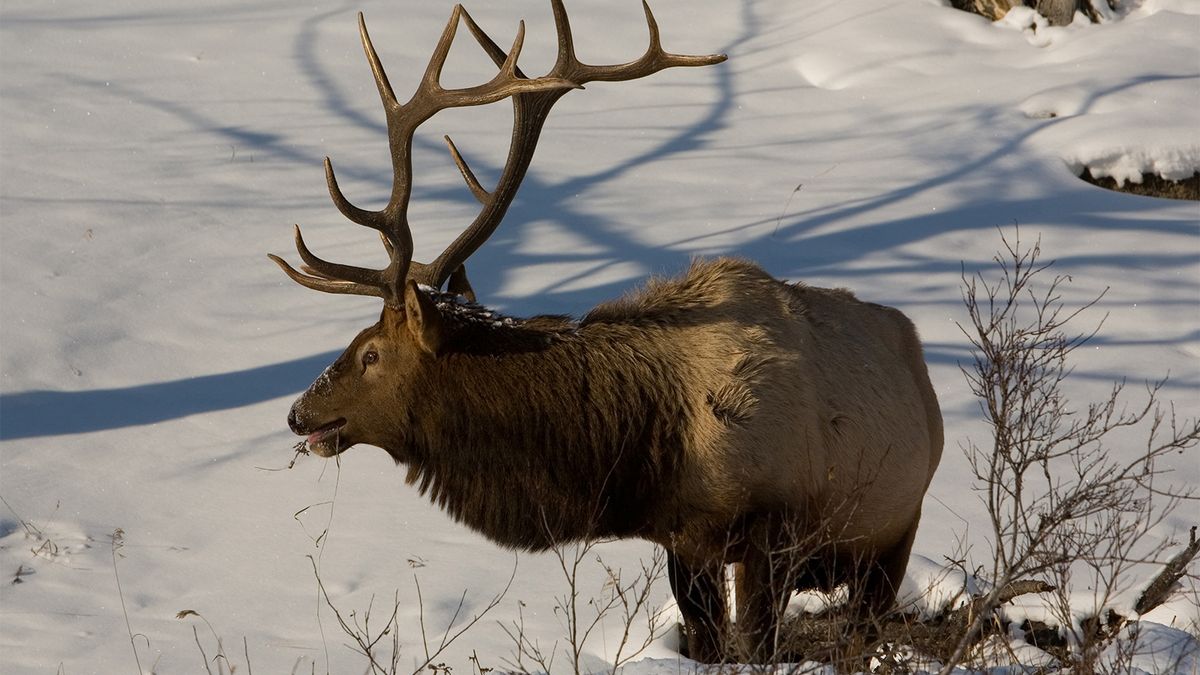
Outside of rut and calving, bull elk are usually calm and avoid humans. They may still react if cornered or surprised, but aggressive behavior is rare.
Common Triggers For Aggression
Even outside the rut, bull elk can become aggressive if:
- You get too close to their harem or calves
- You block their escape route
- Dogs are present (elk see them as predators)
- People try to feed or touch them
- Vehicles or bikes approach too quickly
One non-obvious trigger is the sound of antler rattling. Some people try to attract elk by imitating fighting sounds. This can provoke bulls to investigate or even attack.
Real-life Incidents: What Happens When Bull Elk Attack?
Every year, there are reports of bull elk attacking people, especially in national parks like Yellowstone or Banff. In most cases, attacks happen because someone gets too close for a photo or ignores warning signs.
A well-known case happened in 2018 at Estes Park, Colorado. A tourist tried to take a selfie with a bull elk during the rut. The elk charged, tossing the person several feet. The victim survived but suffered broken ribs and cuts.
Statistically, elk attacks are rare compared to other wildlife, but the injuries can be severe. Most victims report that the elk gave clear warnings—bugling, posturing, or pawing—before charging.
How To Stay Safe Around Bull Elk
Knowing how aggressive a bull elk can be helps you stay safe. Here are practical tips if you’re hiking, camping, or living near elk country:
- Keep your distance: Always stay at least 75–100 yards (70–90 meters) away from bull elk, especially during the rut.
- Watch for warning signs: If an elk is bugling, staring, or approaching, back away slowly.
- Never approach or feed elk: They may seem calm, but their behavior can change quickly.
- Stay alert: Elk blend into their surroundings. You might not see a bull until you’re very close.
- Protect pets: Keep dogs leashed and away from elk.
- Use barriers: If you live near elk, install strong fences. Elk can jump regular fences, but tall, sturdy barriers help.
- Do not run: If a bull elk charges, try to put a large object—like a tree or car—between you and the animal.
A surprising safety tip: some bull elk are used to people in parks and may lose their fear. These “habituated” elk can be even more unpredictable.
Aggression In Captive Or Urban Elk
In some towns near elk habitats, like Jackson Hole or Estes Park, elk wander into parks and backyards. Urban elk may seem tame, but they are still wild animals. During the rut, bulls have charged cars, damaged property, and even attacked people on sidewalks.
Zoos and wildlife parks also report aggression in captive bulls, especially if they are kept near other males or females. Zoo keepers use special barriers and avoid entering enclosures during the rut. This shows that even bulls raised around humans keep their natural aggression.
Non-obvious Insights About Bull Elk Aggression
Many beginners don’t realize two important things:
- Bluff charges are common: Not every charge is meant to make contact. Sometimes, bull elk rush forward to scare off a threat, then stop short. However, you cannot predict if a charge is a bluff or real.
- Elk can be aggressive outside the rut: While most attacks happen in the fall, bulls can show sudden aggression at any time if surprised or cornered, especially if they feel trapped by fences or vehicles.
The Role Of Antlers In Aggression
Antlers are not just for show—they are vital tools for aggression and dominance. Bulls grow new antlers every year, covered in soft “velvet” tissue. By late summer, the velvet falls off, leaving hard, sharp weapons.
Bulls use antlers to fight rivals and defend their harem. The size and shape of antlers can even affect a bull’s confidence—bigger antlers often mean higher status and more aggression.
Here’s a quick look at antler growth and its link to aggression:
| Antler Stage | Time of Year | Behavior |
|---|---|---|
| Velvet-covered | Spring–Summer | Less aggressive; feeding-focused |
| Hardened antlers | Late Summer–Fall | Highly aggressive; rut fighting |
| Shed antlers | Winter | Low aggression; recovery phase |
Why Understanding Elk Aggression Matters
Knowing about bull elk aggression is not just for hikers or hunters. Conservationists use this knowledge to manage herds and reduce human-wildlife conflict. Park rangers close trails during the rut, and urban planners design fences and warning signs to protect both people and elk.
For photographers and wildlife lovers, understanding elk behavior leads to safer, more respectful encounters. It also helps protect these magnificent animals from unnecessary harm.
If you want to learn more about elk behavior and safety, check out the National Park Service’s elk safety guide.
Frequently Asked Questions
How Dangerous Are Bull Elk To Humans?
Bull elk are rarely aggressive outside the rut, but during mating season, they can be very dangerous. Their size, speed, and sharp antlers can cause serious injury or death if they charge. Most attacks happen when people get too close or ignore warning signs.
What Should I Do If I Encounter An Aggressive Bull Elk?
Stay calm and back away slowly. Do not run. Watch for warning signs—bugling, antler display, or pawing the ground. If an elk charges, try to put a solid object, like a tree or car, between you and the animal.
Are Bull Elk More Aggressive Than Moose Or Bison?
During the rut, bull elk can be as aggressive as moose or bison, but outside of that time, they are usually less dangerous. Moose and bison tend to be unpredictable year-round, while elk aggression is mostly seasonal.
Why Do Bull Elk Attack Cars Or People In Towns?
Urban elk may lose their fear of humans and see cars or people as threats to their territory or harem. During the rut, bulls have been known to charge vehicles, damage property, or attack people, especially if provoked or crowded.
Can You Tell If A Bull Elk Is About To Attack?
Yes, bull elk usually give warning signs: bugling loudly, posturing, staring, pawing the ground, and walking toward you. If you see these behaviors, leave the area immediately and give the elk plenty of space.
Bull elk are among the most impressive animals in North America, but their power comes with real risks. Respect their space, understand their behavior, and you can enjoy watching them safely—without becoming part of an elk’s next charge.

