
How Aggressive Is A Buck?
Few wild animals stir as much curiosity and caution as the buck. People admire their strength and elegance, but many wonder—how aggressive is a buck, really? Whether you are a hiker, hunter, or someone who enjoys nature, understanding buck behavior can keep you safe and help you appreciate these animals more.
What Makes A Buck Aggressive?
A buck is a male deer, often recognized by its antlers. Bucks are not naturally violent toward humans, but their behavior can change based on several factors:
- Mating season (rut): During the rut, bucks fight for mates. This period, usually in autumn, triggers a rush of testosterone. Even calm bucks may act unpredictable.
- Territorial instincts: Bucks protect their area from rivals. If they sense a threat, they may show aggression to defend their space.
- Protecting resources: Bucks may guard food or shelter, especially in areas where resources are limited.
- Injuries or illness: A hurt or sick buck can become more defensive or react out of pain.
During these times, a buck’s usual caution may turn into bold, even dangerous, actions.
Signs Of Aggression In Bucks
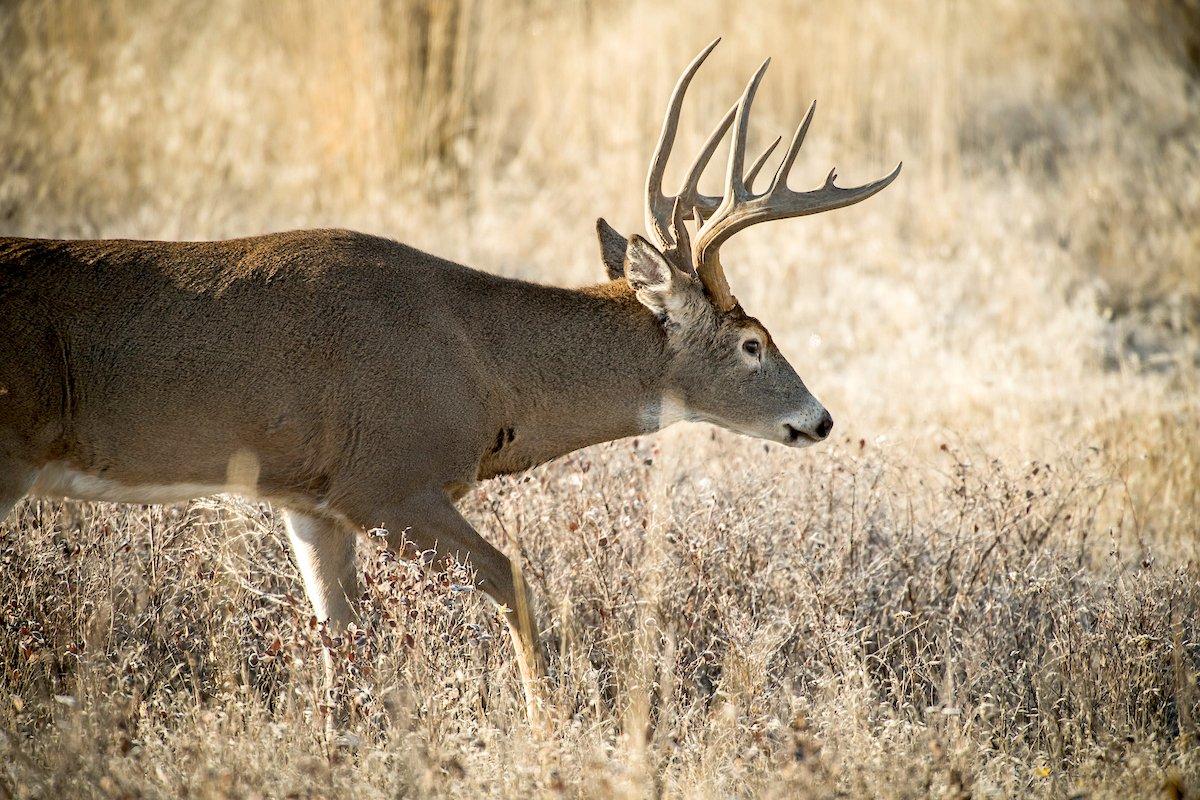
It is possible to spot when a buck is about to act aggressively. Their body language gives clues:
- Stiff-legged walk: A buck may walk with stiff legs as a warning.
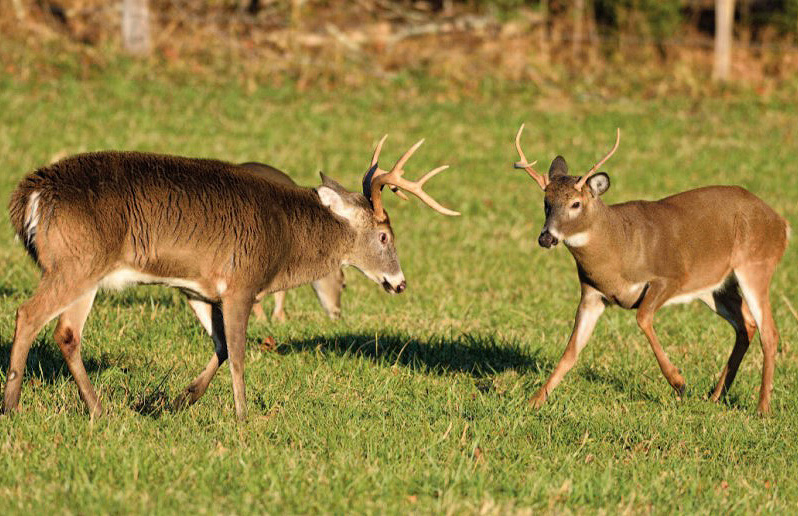
- Lowered head with antlers facing forward: This is a classic sign of readiness to charge.
- Pawing the ground: Bucks scrape the ground with their hooves, showing dominance.
- Snorting or making loud noises: These sounds warn others to stay away.
- Ears laid back: If the ears are pinned against the head, the buck feels threatened.
If you notice these signals, it is best to move away calmly and avoid eye contact.
How Aggressive Are Bucks Toward Humans?
Most of the time, bucks avoid people. They prefer to flee rather than fight. However, there are situations when a buck may attack:
- During the rut: Hormones drive bucks to challenge anything they see as a rival—even people or pets.
- If cornered: A frightened or trapped buck may use its antlers or hooves to defend itself.
- When feeding: Bucks become defensive if you approach them while they are eating.
Statistics show that buck attacks on humans are rare, but they can be serious. In North America, fewer than ten reported deer attacks on people result in injury each year. Most injuries happen when people get too close or try to feed wild deer.
Aggression Among Bucks
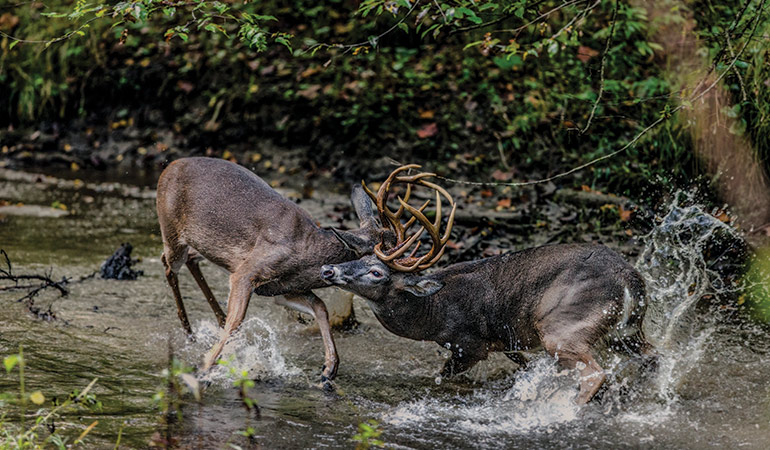
Bucks often fight each other, especially during mating season. These battles are intense and can cause injuries or even death. Here is a comparison of buck fighting behaviors:
| Behavior | Purpose | Season |
|---|---|---|
| Antler wrestling | Establish dominance | Autumn (rut) |
| Chasing rivals | Defend territory | Year-round (mainly rut) |
| Snorting and stomping | Warning signals | All year |
These fights look dramatic, but most end without serious harm. Bucks often stop when one backs down.
Buck Aggression Compared To Other Deer
Different deer species show different aggression levels. For example, white-tailed bucks are less aggressive than mule deer or elk. Here is a quick comparison:
| Species | Typical Aggression | Size |
|---|---|---|
| White-tailed buck | Mild to moderate | 70–150 kg |
| Mule deer buck | Moderate to high | 55–210 kg |
| Elk bull | Very high | 320–330 kg |
Elk and larger deer can be far more dangerous due to their size and strength.
Why Bucks Attack: Unusual Causes
Sometimes, bucks become aggressive for reasons people do not expect:
- Habituation to humans: If people feed bucks or get too close, the animals lose their fear. This can lead to bold, risky behavior.
- Mistaking people for rivals: During rut, a buck may confuse a person’s movement or clothing for another deer.
- Defending young: Although does usually protect fawns, bucks may step in if they feel their group is threatened.
One non-obvious insight: Bucks raised near people (in parks or reserves) can be more likely to attack than truly wild bucks, because they lose their natural shyness.
How To Stay Safe Around Bucks
To avoid conflict, follow these tips:
- Keep your distance: Stay at least 100 feet (30 meters) from wild deer, especially bucks.
- Do not feed deer: Feeding them encourages boldness and can lead to aggression.
- Avoid the rut: If possible, stay away from deer habitats during mating season.
- Stay calm: If you see an aggressive buck, do not run. Back away slowly and give it space.
- Protect pets and children: Bucks may see dogs as rivals. Keep pets on a leash and children close.
- Be alert in parks: In city parks, bucks may be less afraid of people. Watch for signs of agitation.
It is important to note that most negative encounters happen because people ignore these basic steps.
Real-life Examples
In 2018, a man in Arkansas was seriously injured after approaching a buck during the rut. The buck charged, using its antlers, and left the man with deep wounds. He survived, but the story shows how quickly things can go wrong.
A wildlife officer in Canada reported several cases where city bucks, used to people, chased joggers in urban parks. In each case, the buck showed aggressive signs before charging.
Do Bucks Attack Other Animals?
Bucks sometimes attack domestic animals, like dogs, if they see them as threats. In rare cases, bucks have been seen fighting with livestock, especially during rut. However, these events are uncommon and usually linked to close contact in rural areas.
Here’s a comparison of buck aggression towards different animals:
| Animal | Likelihood of Attack | Reason |
|---|---|---|
| Dog | Moderate | Seen as rival |
| Cat | Low | Usually ignored |
| Livestock (sheep, goats) | Low to moderate | Territorial disputes |
Being aware of these risks helps farmers and pet owners prevent accidents.
Frequently Asked Questions
How Dangerous Is A Buck During Rut?
A buck is most dangerous during the rut. High testosterone makes them unpredictable and more likely to challenge people, pets, or even cars.
Can A Buck Kill A Human?
While very rare, a buck can cause serious or even fatal injuries if it charges with its antlers. Most cases are avoidable with caution.
What Should I Do If A Buck Charges Me?
Stay calm, avoid sudden movements, and try to put a tree or large object between you and the buck. Do not turn your back or run.
Are Bucks Aggressive Year-round?
No, bucks are mostly aggressive during autumn. At other times, they are usually shy and avoid people unless provoked.
Where Can I Learn More About Deer Behavior?
You can find more details at the Wikipedia page on deer behavior, which covers many aspects of deer aggression and habits.
Being aware of a buck’s signals and respecting their space is the best way to stay safe. Most bucks are not dangerous, but during certain times of year, they deserve our caution and respect.

