
Borescopes have become essential tools in many industries—from automotive repair and aviation, to plumbing and manufacturing. Their ability to see inside tight or hidden spaces without the need for disassembly can save time, money, and prevent unnecessary damage. But how accurate are borescopes for diagnosing problems?
This question is important for technicians, engineers, and anyone who relies on this device to make critical decisions. Let’s explore how borescopes work, what affects their accuracy, and whether you can trust their results in real-world situations.
What Is A Borescope And How Does It Work?
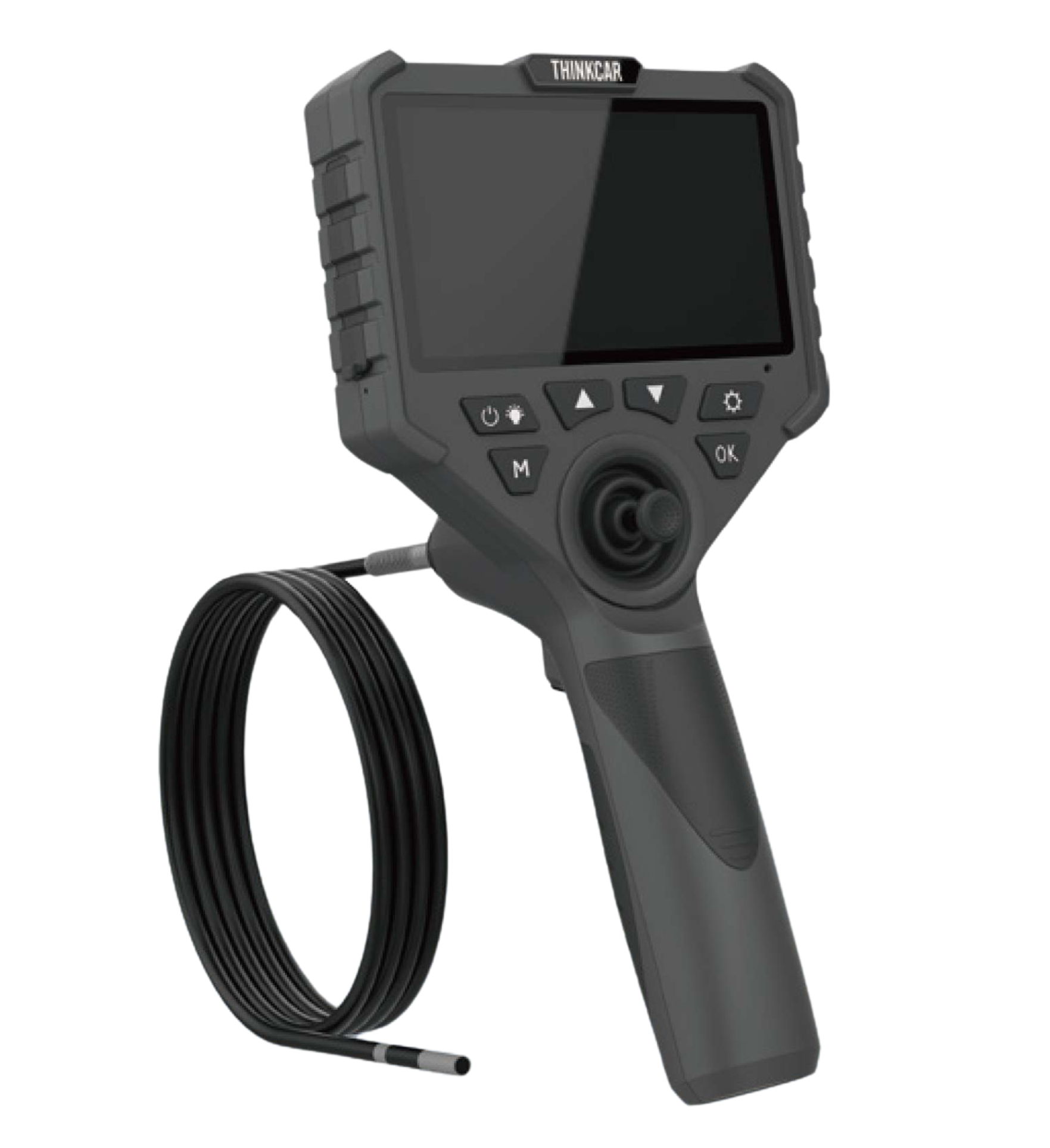
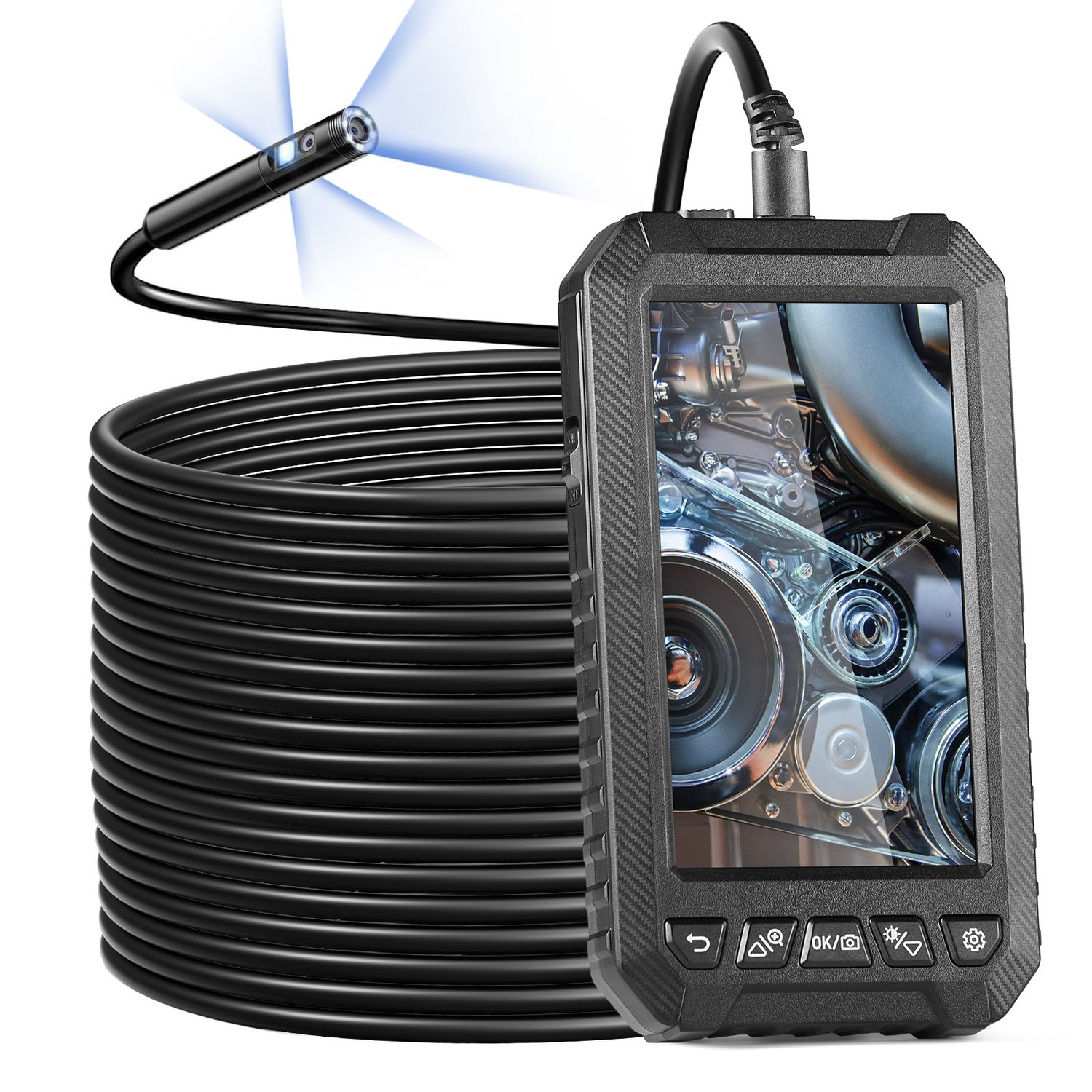
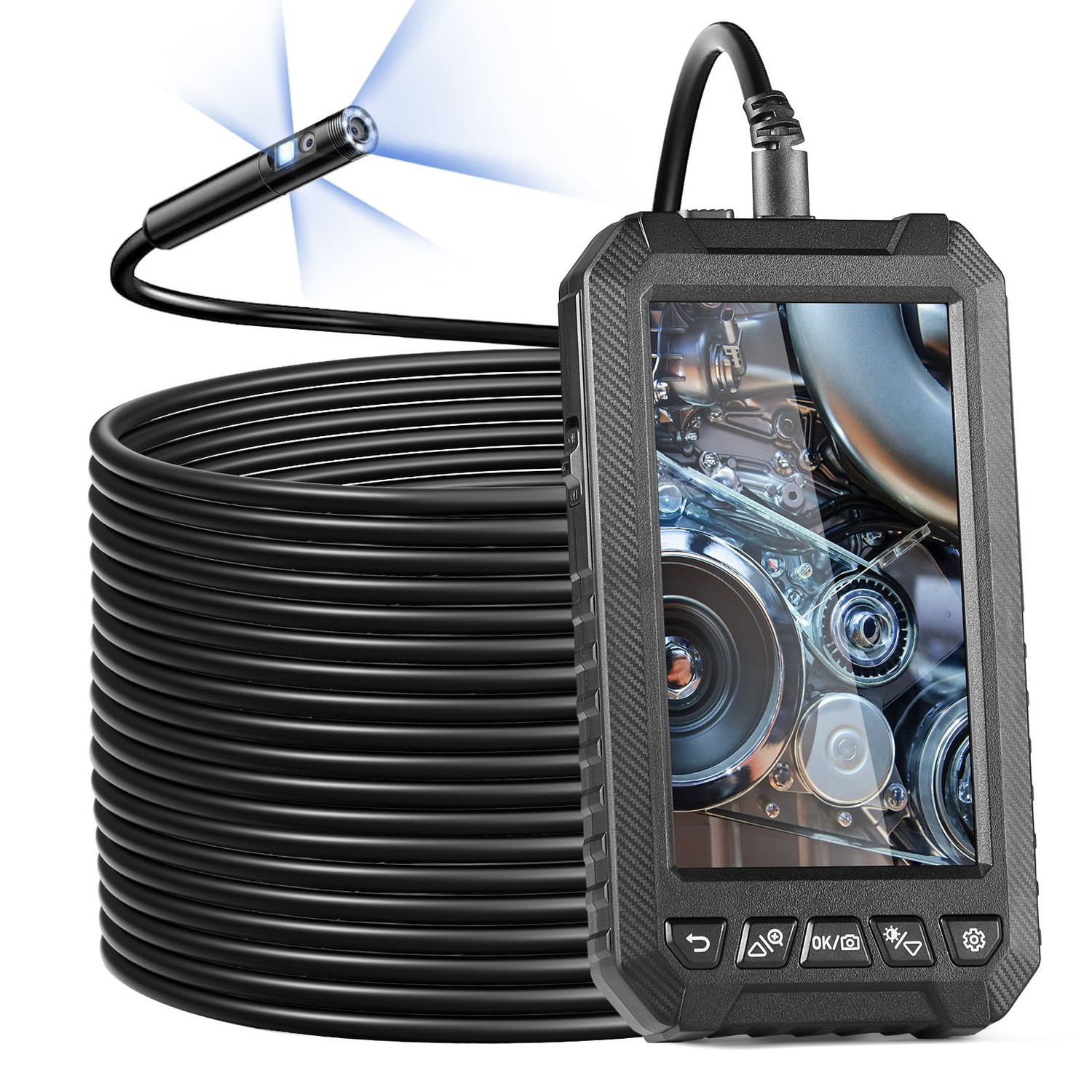
A borescope is a specialized inspection tool, usually a long flexible or rigid tube with a camera or optical lens at the end. The camera sends images or video to a display so the user can see inside engines, pipes, walls, or machines. Most borescopes have LED lights near the lens to illuminate dark spaces.
There are two main types:
- Rigid borescopes: Used when the inspection path is straight, such as gun barrels or engine cylinders.
- Flexible borescopes: Can bend around corners and reach more complex areas, like HVAC ducts or inside aircraft wings.
Video borescopes are the most common today, using digital cameras to provide real-time color images.
The Accuracy Of Borescopes: What Does It Mean?
When asking about accuracy, people usually mean:
- Image clarity: How sharp and detailed are the pictures?
- Defect detection: Can the borescope reveal all problems present?
- Measurement reliability: Can you judge the size and location of the issue correctly?
A borescope’s accuracy depends on its design, the user’s skill, and the environment.
Factors That Affect Borescope Accuracy
Several elements influence how well a borescope can diagnose a problem.
1. Camera Resolution
Higher resolution gives clearer images. A 1080p or 4K video borescope can reveal tiny cracks or corrosion that a low-resolution model might miss. However, high resolution is only helpful if lighting and lens quality are also good.
2. Lighting Quality
Poor lighting can hide defects, while too much light causes glare. Good borescopes use adjustable LED lights to provide just the right amount of illumination.
3. Lens Quality And Field Of View
A high-quality lens and a wide field of view help the user see more of the inspection area at once and spot problems from different angles.
4. Probe Diameter And Flexibility
A thinner probe can enter smaller spaces but may have lower image quality. Flexible probes can reach around bends, but if they’re too flexible, it’s hard to control where the camera points.
5. User Experience
A skilled technician knows what to look for and how to interpret images. Beginners may overlook subtle signs of damage.
6. Distance To Target
The closer the camera is to the problem area, the sharper the image. Most borescopes have a focal range—if you’re too far or too close, the picture blurs.
7. Environmental Conditions
Dust, oil, water, or darkness inside the inspected space can reduce image quality and hide defects.
Typical Uses Of Borescopes And Their Diagnostic Accuracy
Borescopes are used in many fields. Let’s look at how accurate they are in some common situations.
Automotive Diagnostics
Mechanics use borescopes to check engine cylinders, intake valves, and fuel injectors without taking the engine apart. Most modern borescopes can clearly show:
- Carbon buildup on valves
- Scratches inside cylinders
- Coolant leaks
However, tiny hairline cracks or defects behind carbon deposits may remain hidden. Still, for general engine health checks, borescopes are about 85–90% accurate.
Aviation Maintenance
Aircraft engines and turbines are expensive and complex. Aviation borescopes must be highly accurate and are usually high-end devices.
- They can detect corrosion, cracks, and foreign object damage.
- Some aviation borescopes have special software to measure the size of defects.
Accuracy in aviation is often over 95% for visible problems, but hidden or internal material flaws still require other methods.
Plumbing Inspections
Inspectors use borescopes (often called drain cameras) to find clogs, leaks, or pipe corrosion.
- They work well for identifying blockages or root intrusion.
- Small leaks or hairline cracks might not always be visible if hidden behind debris.
In plumbing, borescopes are 80–90% accurate for most common issues.
Industrial Equipment And Manufacturing
Factories use borescopes to check welds, gears, and machinery.
- They spot weld cracks, corrosion, and foreign objects.
- For precise measurements or hidden faults, additional non-destructive testing (NDT) may be needed.
Comparing Borescopes To Other Diagnostic Tools
How do borescopes stack up against other inspection methods? Here’s a comparison.
| Tool | Type of Problems Detected | Accuracy | Typical Use |
|---|---|---|---|
| Borescope | Visible surface defects | 80–95% | Automotive, aviation, plumbing |
| Ultrasound | Internal cracks, thickness | 95–99% | Welds, pipelines, structures |
| X-ray | Internal material flaws | 98–100% | Complex machinery, medical |
| Visual inspection | Obvious surface issues | 50–80% | General checks |
Borescopes excel at finding surface and near-surface issues. For deeper or hidden problems, advanced tools are better.
Common Mistakes When Using Borescopes
Even the best borescope can give poor results if used incorrectly. Here are mistakes to avoid:
- Using the wrong probe size: Too large, and it won’t fit; too small, and image quality drops.
- Poor lighting adjustment: Not adjusting the LED may cause dark or overexposed images.
- Rushing the inspection: Skipping slow, careful observation means missing small defects.
- Not cleaning the probe: Dirt or oil on the lens reduces clarity.
- Ignoring camera angle: Some problems only appear from certain directions.
Real-world Accuracy: Case Studies And Data
Automotive Example
A 2021 study found that using a 1080p borescope, mechanics could correctly diagnose 88% of engine valve problems without engine removal. However, very small cracks and early-stage corrosion were missed in 12% of cases.
Aviation Example
Aircraft maintenance teams using high-end video borescopes detected 97% of known defects in turbine blades. The remaining 3% were only found with X-ray or ultrasonic testing.
Plumbing Example
In residential plumbing, drain cameras found clogs and major leaks in 9 out of 10 cases. But pinhole leaks sometimes required water pressure testing for confirmation.
These real-world results show that borescopes are highly accurate for most common, visible problems, but not perfect for every situation.
When Borescopes Might Miss Problems
Borescopes are not magic. There are situations where even a good borescope might fail:
- Obscured by debris: Layers of dirt or corrosion can hide cracks.
- Out of focus: If the camera cannot get close enough, tiny defects become invisible.
- Complex structures: Twists and turns may block the camera’s view.
In these cases, combining a borescope with other methods (like ultrasound or dye penetrant testing) improves accuracy.
How To Improve Borescope Diagnostic Accuracy
To get the best results, follow these steps:
- Choose the right borescope: Match probe size, flexibility, and camera resolution to the job.
- Train users: Technicians should practice recognizing common issues and adjusting the device.
- Clean and maintain the borescope: Dirty lenses and damaged cables lower image quality.
- Combine with other tests: Use additional inspection methods when full certainty is needed.
- Document findings: Save images and notes for future comparison.
These steps reduce errors and make borescope results more reliable.
Advantages And Limitations Of Borescopes
Understanding both strengths and weaknesses helps set realistic expectations.
Advantages
- Non-destructive: No need to take machines apart.
- Fast results: Immediate feedback with images or video.
- Safe: No radiation or harmful chemicals.
- Portable: Most are lightweight and easy to carry.
Limitations
- Surface only: Cannot see deep inside solid parts.
- Operator-dependent: Skill and attention matter.
- Image artifacts: Glare, blur, or dirt can mislead.
- No material analysis: Cannot tell exact metal type, thickness, or hidden stress.
Cost Vs. Accuracy: Does Price Matter?
Borescope prices range from under $100 for basic models to over $10,000 for advanced industrial versions. But is expensive always better?
| Price Range | Camera Quality | Best For | Accuracy |
|---|---|---|---|
| Under $200 | 720p–1080p, basic lens | DIY, home use | Good for basic tasks |
| $200–$1,000 | 1080p+, better lens, features | Automotive, plumbing | High for most uses |
| $1,000+ | HD/4K, measurement tools, advanced lighting | Aviation, industry | Very high, specialized |
For most users, a mid-range borescope offers the best mix of accuracy and value. Ultra-high-end models are needed only for critical jobs.
Insights Many Beginners Miss
- Not all problems are visible: Just because you don’t see anything wrong doesn’t mean everything is fine. Some issues are hidden below the surface or masked by dirt.
- Image interpretation is a skill: Two technicians might see the same image but reach different conclusions. Training and experience matter a lot.
The Bottom Line: Can You Trust Borescope Results?
Borescopes are highly valuable for diagnosing visible and near-surface problems. Their accuracy ranges from 80–97%, depending on the job and the user’s skill. For most routine inspections, they save time, reduce costs, and help prevent bigger failures.
However, they cannot replace all other inspection methods. For critical applications—like aircraft engines or pressure vessels—borescopes are part of a larger toolkit.
Want to learn more about how borescopes are used in industry? Check out this Wikipedia article on borescopes.
Frequently Asked Questions
How Does A Borescope Work?
A borescope uses a camera or optical lens at the end of a flexible or rigid tube. The camera sends real-time images to a display, letting you see inside engines, pipes, or machines without taking them apart. LED lights near the lens provide illumination.
Can Borescopes Find Every Type Of Defect?
No, borescopes are best for surface and near-surface problems. They might miss deep internal cracks, hidden corrosion, or defects behind debris. For these, advanced tools like ultrasound or X-ray are better.
Is A More Expensive Borescope Always More Accurate?
Not always. Higher-priced models usually offer better cameras, lighting, and durability. But the right borescope depends on your needs. For simple inspections, a mid-range device is often accurate enough.
Can You Use A Smartphone Borescope For Professional Work?
Smartphone borescopes are fine for DIY or quick checks, but professionals need better image quality, reliability, and features. For critical work, use a dedicated professional model.
What’s The Most Common Mistake When Using A Borescope?
The most common mistake is moving too quickly and missing small defects. Always inspect slowly, adjust lighting, and view from different angles for the best results.

