
Seeing in the dark has fascinated humans for centuries. Whether for military, wildlife observation, or security use, night vision goggles have become the go-to tool for many who need to see when the sun goes down. But a common question remains: do night vision goggles work in complete darkness? The answer is more complex than a simple yes or no. Understanding the capabilities and limitations of these devices can help you choose the right equipment and set realistic expectations.
How Night Vision Goggles Work
Night vision goggles use different technologies to help users see in low-light conditions. The two main types are image intensification and thermal imaging.
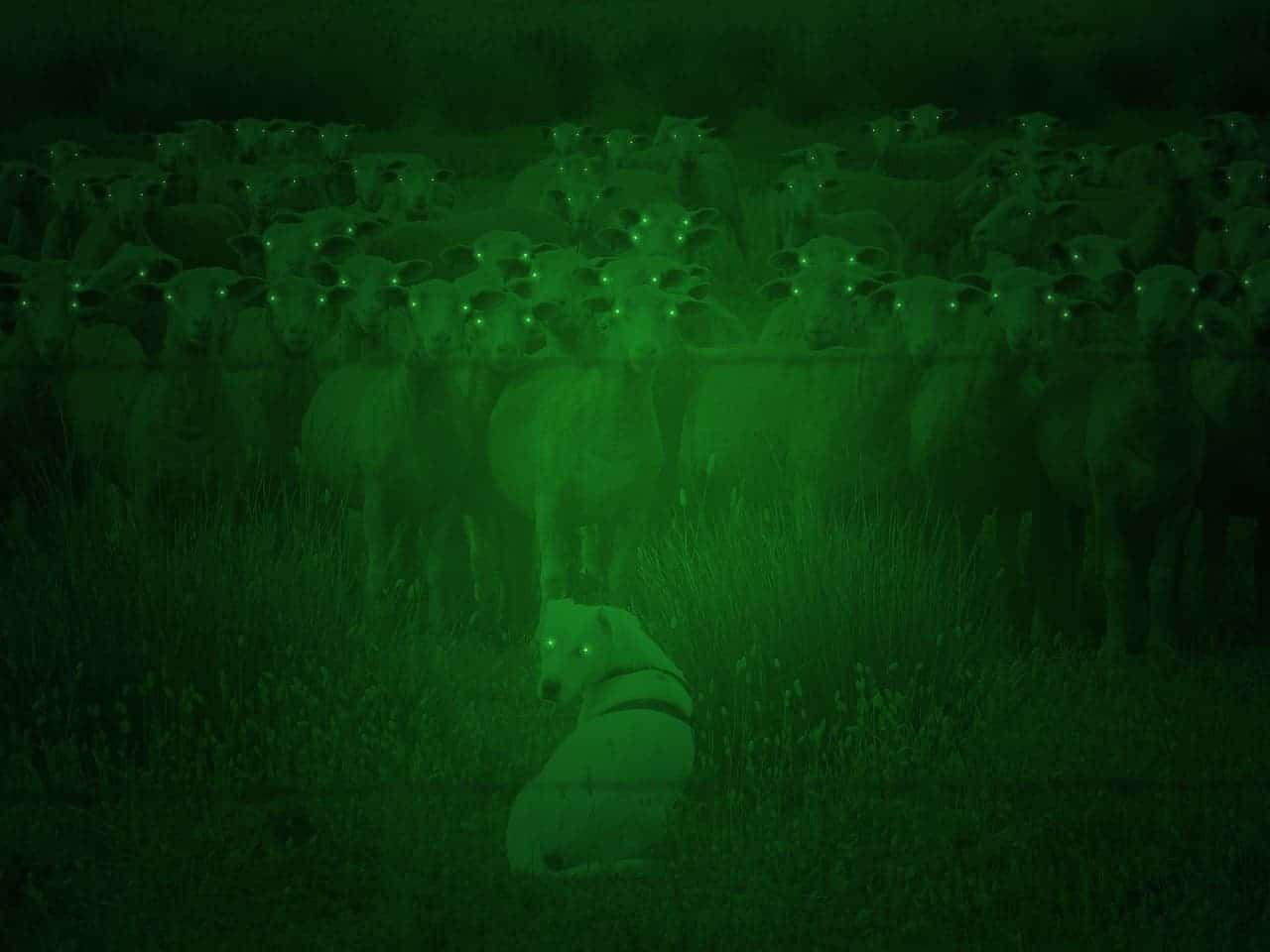
Image intensification goggles collect even the smallest amount of light—like starlight or moonlight—and amplify it thousands of times. This lets the user see a greenish image at night. They rely on available light, so they are not completely independent of the environment.
Thermal imaging goggles, on the other hand, detect heat signatures. They do not need visible light. Instead, they sense the infrared radiation given off by objects, animals, or people. This lets you see living things and even warm vehicles, even in total darkness, fog, or smoke.
Types Of Night Vision Technologies
Understanding the main technologies is key to knowing how night vision goggles perform in darkness.
| Type | How It Works | Effective In Total Darkness? |
|---|---|---|
| Image Intensification | Amplifies available light | No |
| Thermal Imaging | Detects heat (infrared) | Yes |
| Digital Night Vision | Uses sensors and displays | Depends on model/IR |
Image Intensifier Tubes
These are the classic “green screen” goggles. They are great for starlit nights or rooms with some ambient light. But in a pitch-black cave or windowless basement, they struggle. Without any light to amplify, they show nothing.
Thermal Imaging
Thermal night vision goggles are not affected by the absence of visible light. They build images from heat, making them perfect for zero-light situations. However, they cannot show details like faces or writing; you see shapes based on temperature differences.
Digital Night Vision
Digital models use sensors similar to those in cameras. Some have built-in infrared illuminators. These act like invisible flashlights, sending out IR light that the goggles can see, but humans cannot. In total darkness, without this IR support, most digital night vision will not work.
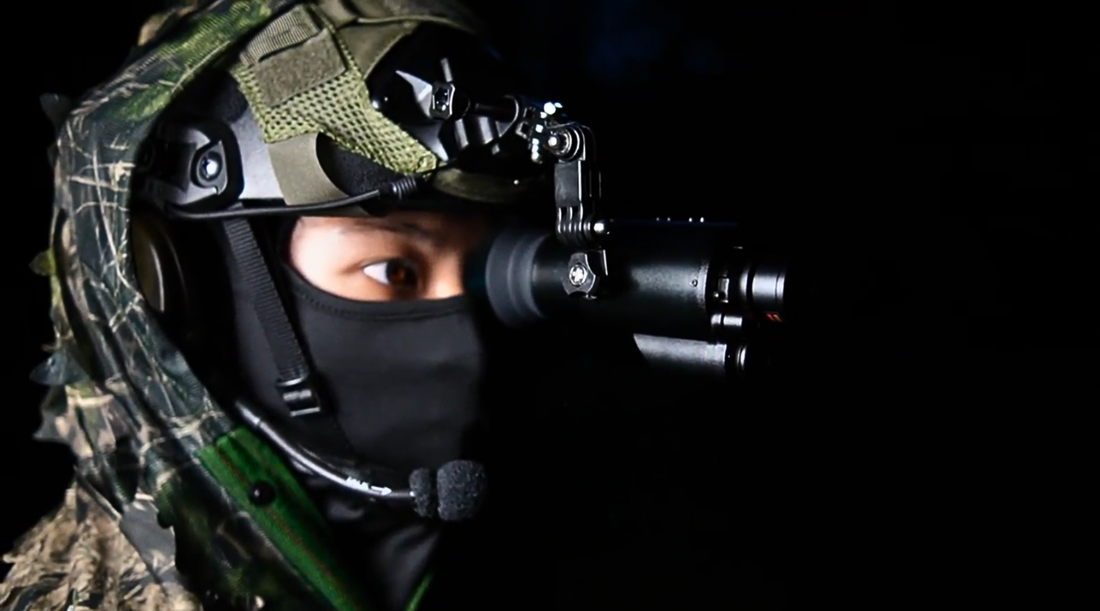
Can Night Vision Goggles See In Complete Darkness?
The answer depends on the technology inside the goggles.
- Image Intensifier Night Vision: These need at least a tiny bit of light. If you are deep underground or in a sealed, windowless room, you will see nothing. Even on a cloudy, moonless night, performance drops.
- Thermal Night Vision: These work perfectly in complete darkness. They do not care about visible light. As long as there is a temperature difference, you will see an image.
- Digital Night Vision with IR Illuminator: If the device has a strong built-in IR light, it can “see” in total darkness. Without this, its performance is much like image intensifiers.
Real-world Examples
Let’s compare how each technology works in different environments.
| Environment | Image Intensifier | Thermal Imaging | Digital with IR |
|---|---|---|---|
| Moonlit night outdoors | Excellent | Excellent | Excellent |
| Overcast night outdoors | Fair | Excellent | Good (with IR) |
| Pitch-black indoor room | Poor/none | Excellent | Good (with IR) |
| Fog or smoke | Poor | Good | Poor |
The Role Of Infrared Illuminators
Many night vision goggles, especially digital ones, come with IR illuminators. These are small lamps that shine infrared light, invisible to the naked eye but easily seen by the goggles. This allows users to see in total darkness, but it is important to know:
- If someone else has night vision, they can see your IR light. This could give away your position.
- IR illuminators can drain batteries quickly.
- Some animals can sense infrared light, which can affect wildlife observation.
Common Myths About Night Vision Goggles
It is easy to misunderstand what night vision goggles can do. Here are some common myths:
- All night vision goggles work in total darkness. This is not true. Only thermal imaging and some digital goggles with strong IR can.
- Night vision goggles let you see as clearly as in the daytime. No night vision system matches natural daylight for clarity.
- Thermal imaging shows colors. Most thermal goggles show images in black and white or with color shades to represent temperature, but not true color vision.
Key Differences: Night Vision Vs. Thermal Imaging
Night vision and thermal imaging often get confused, but they serve different purposes. Here’s how they compare:
| Feature | Night Vision (Image Intensifier) | Thermal Imaging |
|---|---|---|
| Needs Ambient Light? | Yes | No |
| Shows Heat? | No | Yes |
| See Through Fog/Smoke? | Poor | Good |
| Details (faces, text) | Good | Poor |
| Works in Complete Darkness? | No | Yes |
What Happens In Zero Light Conditions?
If there is no light at all—not even from stars or distant lamps—traditional night vision goggles will not work. For example, inside a cave, deep in a mine, or in a sealed bunker, image intensifiers are useless. Only thermal devices or digital goggles with a strong IR source will provide a view.
An important detail: some beginners believe night vision goggles “create” light to see. This is not true. They can only amplify what is already present, unless using thermal or IR illumination.
Practical Uses And Limitations
Night vision goggles are powerful, but knowing their limits is important.
Military And Law Enforcement
Most military night vision goggles are image intensifiers. Soldiers often use infrared illuminators in total darkness, but this can reveal their location. For special missions, thermal devices are used, especially when visibility is critical.
Security And Surveillance
Security teams may use both types, depending on the setting. For outdoor surveillance, image intensifiers work well. For pitch-black interiors, digital IR or thermal is preferred.
Wildlife Observation
Night vision goggles are popular for watching animals at night. However, using IR illuminators can disturb some animals or make them avoid the area. Thermal imaging is better for seeing animals hiding in bushes or moving in total darkness.
Search And Rescue
Thermal goggles are lifesavers in search and rescue missions. They can spot a lost hiker’s body heat, even at night or through light smoke and fog.
Non-obvious Insights For Beginners
- Batteries Matter More Than You Think: Night vision goggles, especially digital and thermal types, can drain batteries quickly in total darkness when using IR illuminators. Always carry spares for extended use.
- Light Pollution Can Affect Performance: In cities, even at night, there is a lot of stray light (from streetlights, buildings, etc.). This can make image intensifiers show too-bright images or glare. In the countryside, performance is usually much better.
- Moisture and Fog: Thermal goggles can see through some fog and smoke, but heavy rain or thick fog can still block the view.
How To Choose The Right Night Vision Goggles
If you need goggles that work in complete darkness, focus on these features:
- Thermal imaging: Reliable in all conditions, but expensive and less detailed.
- Digital night vision with strong IR illuminator: Good for most users, but remember others with night vision can see your IR beam.
- Battery life: More power is needed for IR and thermal devices.
- Purpose: For reading maps or seeing details, image intensifiers are best (if some light is present). For finding heat sources, thermal is better.
Cost And Quality Considerations
Thermal goggles are generally more expensive—sometimes several times the price of image intensifiers or digital models. However, they work in absolute darkness and through light smoke or foliage.
- Image intensifiers: $500–$3,500 depending on generation and quality
- Thermal goggles: $2,000–$10,000+
- Digital night vision: $200–$2,000
Pay attention to warranty, build quality, and support, especially for devices used in harsh environments.
Safety And Legal Aspects
In some countries, owning or using certain types of night vision goggles (especially thermal imaging) is restricted or requires a license. Always check your local laws before buying or using these devices. For example, in the United States, exporting military-grade night vision is heavily controlled. For more details, see the Wikipedia entry on night vision devices.
Frequently Asked Questions
Can Night Vision Goggles Work Without Any Light At All?
Traditional image intensifier night vision goggles cannot work without any light. They need at least a little bit of ambient light. Only thermal goggles or digital night vision with a strong IR illuminator can work in absolute darkness.
What Is Better For Total Darkness: Thermal Or Night Vision?
Thermal imaging is better for total darkness. It does not need any visible light and can detect living things by their heat. Image intensifier goggles do not work if there is no light.
Can I Use Night Vision Goggles Indoors?
Yes, but results depend on the room’s lighting. In a dark room with no windows or light, only thermal or digital night vision with IR will work. Image intensifier goggles need some light from outside or another source.
Will Animals See My Ir Illuminator?
Some animals, especially certain mammals and insects, can sense infrared light. Using an IR illuminator might disturb them, so thermal goggles are better for wildlife viewing if you want to remain unnoticed.
Are Night Vision Goggles Legal To Own?
Laws vary by country and even by region. In many places, civilians can own basic night vision goggles, but thermal and high-grade military devices may be restricted. Always check local laws before buying or using night vision equipment.
Night vision goggles are powerful tools, but knowing their limits is key. If you need to see in complete darkness, not all night vision goggles will work. Understanding the different technologies—image intensification, thermal imaging, and digital night vision with IR—will help you make the best choice for your needs. Whether you’re exploring caves, keeping your property safe, or searching for lost pets at night, the right device can make all the difference.

