
Every autumn and spring, North America’s wild landscapes see an impressive movement: elk migration. People often wonder, do elk travel alone, or do they migrate in herds? The answer reveals not just the habits of these large animals but also the complexity of their survival strategies. Understanding elk migration helps hunters, wildlife watchers, and anyone who cares about nature appreciate how these animals interact with their environment. In this article, you’ll discover how elk migrate, why they move in groups, and what makes their journeys remarkable.
Elk Migration: The Basics
Elk, also called wapiti, are among the largest deer species in the world. They live in North America, especially in the Rocky Mountains, Yellowstone, and parts of Canada. These animals do not stay in one place all year. Instead, they move between different areas based on the season.
Migration for elk means traveling long distances to find food, escape harsh weather, and give birth in safe places. Some herds travel over 100 miles each way. Their routes are often the same year after year, passed down from older elk to the young.
Do Elk Migrate In Herds?
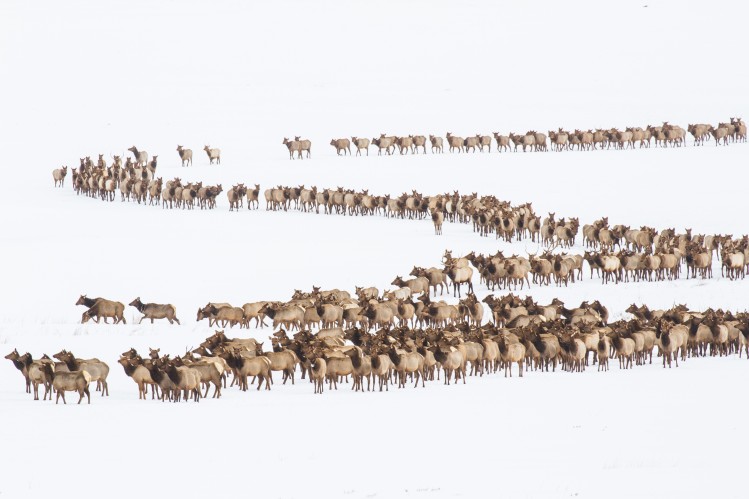
The simple answer is yes—elk migrate in herds. But the story is more interesting than that. Elk are social animals, and their herds can be very large, especially during migration. Herds offer safety and make it easier for elk to find food.
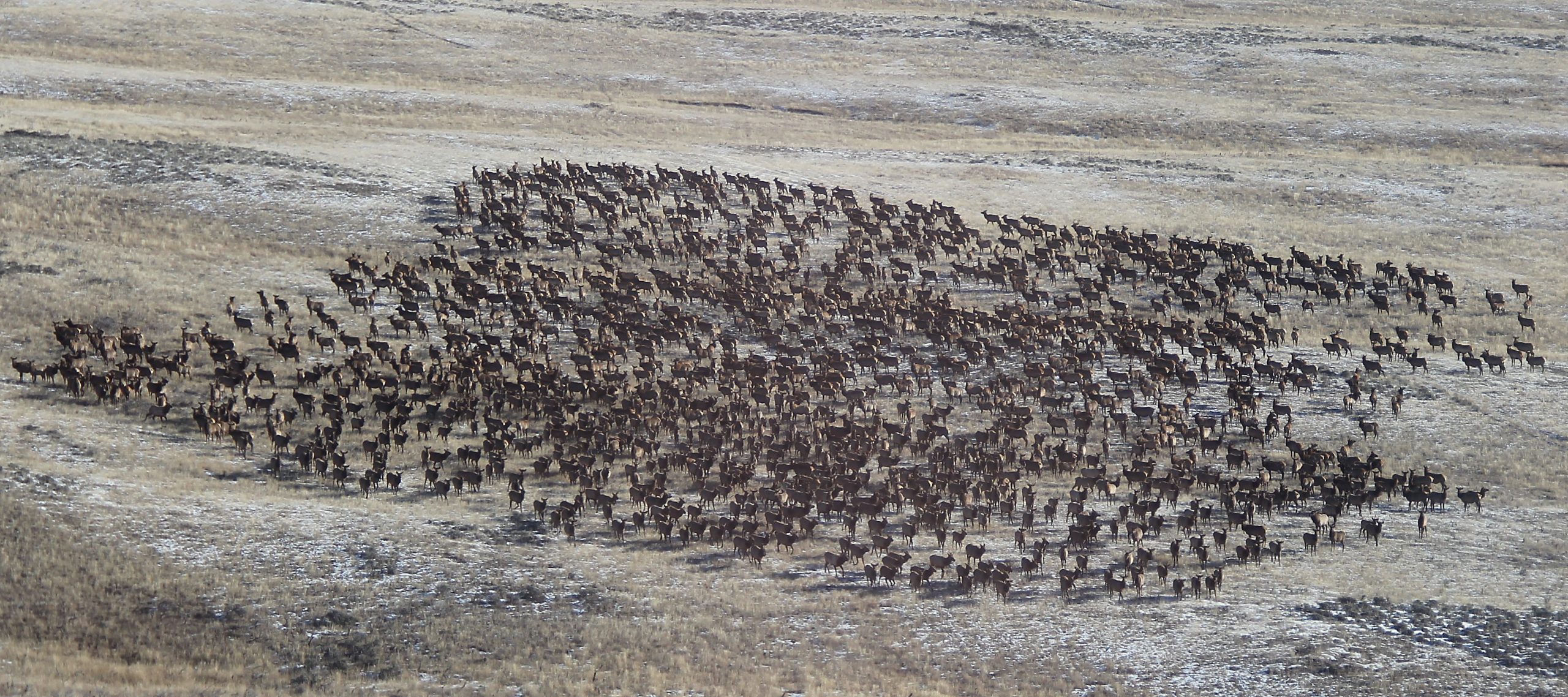
During migration, herds can include dozens, sometimes hundreds, of individuals. The exact number depends on the region, the season, and the local environment. Male elk (bulls) and female elk (cows) may travel in separate groups except during the mating season.
Why Do Elk Migrate In Herds?
There are several reasons why elk choose to move together rather than alone:
- Safety from predators: Wolves, bears, and mountain lions hunt elk. It’s harder for predators to attack a large group.
- Learning routes: Young elk learn migration paths from older, experienced animals.
- Finding food: Herds help each other find the best grazing areas.
- Social bonds: Elk are social, and moving together helps maintain group structure.
Herd migration is not just a random crowd—there’s a structure to it. Leaders, usually older cows, guide the group and make important decisions.
How Big Are Elk Herds During Migration?
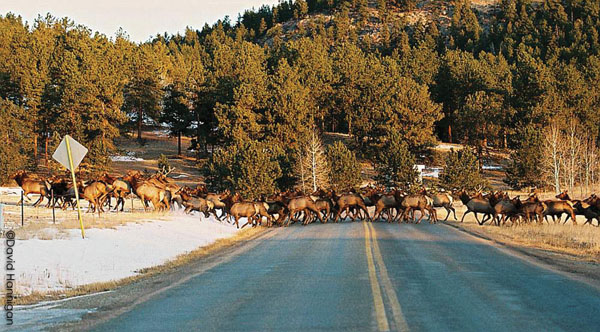
Elk herd sizes can vary greatly. In Yellowstone National Park, for example, herds of several hundred elk are not unusual during migration. Outside protected areas, herds may be smaller due to hunting and habitat loss.
Here is a simple comparison of elk herd sizes during migration in different regions:
| Region | Average Herd Size (Migration) | Notes |
|---|---|---|
| Yellowstone National Park | 200-500 | Large, protected area |
| Rocky Mountains (Colorado) | 50-150 | Some hunting pressure |
| Pacific Northwest | 20-60 | Fragmented habitat |
In open areas where elk feel safe, herds can be huge. In places where humans or predators are present, herds may split into smaller groups.
Migration Routes: How Elk Choose Their Paths
Elk do not wander randomly. They follow traditional migration routes, often using the same paths each year. These paths connect summer ranges (usually higher in the mountains) to winter ranges (lower valleys with less snow).
Migration usually starts when snow begins to fall. Elk leave the high mountains, where food becomes scarce, and head to valleys where grass is still available. In spring, they return to higher ground as the snow melts.
How Far Do Elk Migrate?
The distance elk travel can be impressive. Some herds in Wyoming migrate over 100 miles each way. Others may move only 10-20 miles if food and shelter are close.
| Herd | Migration Distance (Miles) | Notable Features |
|---|---|---|
| Jackson Elk Herd (Wyoming) | 70-100 | One of the longest elk migrations |
| Greater Yellowstone Herd | 60-80 | Crosses national park boundaries |
| Eastern Oregon Herd | 10-30 | Shorter distances due to mild winters |
Not all elk migrate. Some live in mild climates where food is always available. These resident elk may stay in the same area year-round.
The Structure Of Elk Herds During Migration
Elk herds are not just a chaotic group of animals. Their social structure is organized:
- Cow-calf groups: Most of the herd consists of female elk and their calves. Older cows often lead the group.
- Bull groups: Mature males often travel in smaller bachelor groups, except during the breeding season.
- Mixed groups: During the fall rut (mating season), herds mix as bulls join cow-calf groups to compete for mates.
This structure helps the herd stay together and avoid confusion during migration.
Leadership And Decision-making
Older cows usually become herd leaders. They remember migration routes, safe resting places, and danger zones. Calves and younger elk learn by following these leaders.
If a leader dies, the herd can become confused, sometimes taking wrong routes or staying in dangerous areas. This shows how important knowledge is for herd survival.
Elk Migration And The Seasons
Elk migration is closely tied to the seasons. Here’s how it generally works:
- Spring: Elk move to high mountain meadows. Food is fresh, and it’s a safe place to give birth.
- Summer: Herds stay in high country, grazing on rich grass.
- Fall: As snow starts, elk gather and travel to lower valleys.
- Winter: Elk stay in sheltered valleys where snow is lighter and food is easier to find.
The timing of migration depends on weather, food supply, and even hunting seasons.
Migration Challenges: Natural And Human Obstacles
Migration is not easy for elk. They face many natural dangers:
- Deep snow: Can slow the herd and make travel hard.
- Predators: Wolves, bears, and mountain lions follow herds.
- Rivers and mountains: Physical barriers can delay or stop migration.
Human-made obstacles are a bigger problem today:
- Highways: Roads can cut across migration routes, leading to accidents.
- Fences: Can trap or injure elk, especially calves.
- Development: Cities, farms, and energy projects block traditional paths.
Some herds have stopped migrating because their routes are blocked. This threatens their survival, as they can no longer reach the best food or safe places.
Conservation Efforts
Wildlife managers work to protect migration routes. They build wildlife crossings (overpasses and underpasses) so elk can safely cross highways. Large landowners and conservation groups try to keep migration corridors open.
For example, the Wyoming Migration Initiative uses GPS collars to track elk and map their routes. This information helps guide conservation efforts.
How Scientists Study Elk Migration
Researchers use several methods to understand elk movement:
- GPS collars: Placed on elk to track their exact location.
- Aerial surveys: Planes and helicopters count elk and watch their movement.
- Camera traps: Set along migration routes to record passing herds.
Data from these studies helps answer important questions, like how many elk use a route, when they migrate, and what obstacles they face.
Example: Yellowstone’s Migrating Herds
Yellowstone’s elk are among the most studied in the world. Scientists have discovered that herds follow the same migration corridors for decades. They also learned that climate change, hunting, and development all change when and where elk migrate.
For more on migration research, see the Wikipedia page on elk.
Surprising Insights About Elk Migration
Many people think migration is simply about finding food, but there are deeper reasons:
- Memory and tradition: Elk migration routes are passed down by memory, not instinct. If a herd loses its leaders, it can lose its way for generations.
- Social learning: Calves and young elk depend on following experienced adults. Without older elk, young animals may not migrate at all.
Another insight is that migration helps elk avoid diseases. Moving to new areas limits parasites and keeps the herd healthier.
Human Impact: How We Affect Elk Migration
Humans have changed elk migration in many ways:
- Hunting: Changes where and when elk move. Some herds avoid traditional routes during hunting season.
- Feeding programs: In some states, wildlife managers provide hay in winter. This can stop migration, creating “artificial” resident herds.
- Urban sprawl: As towns grow, elk lose habitat and safe corridors.
Some solutions include creating migration corridors, removing unnecessary fences, and carefully managing hunting seasons.
Migration Corridors Vs. Barriers
Here’s a quick look at how different human actions affect elk migration:
| Action | Effect on Migration | Example |
|---|---|---|
| Building highways | Blocks routes, increases accidents | Interstate 80 in Wyoming |
| Wildlife overpasses | Helps elk cross safely | Banff National Park overpasses |
| Urban development | Removes migration habitat | Boise, Idaho suburbs |
| Protected corridors | Keeps routes open | Yellowstone to Yukon corridor |
Why Elk Migration Matters
Elk migration is not just a beautiful natural event. It’s crucial for:
- Ecosystem health: Elk spread seeds and fertilize land as they move.
- Predator survival: Wolves and bears depend on migrating elk for food.
- Cultural value: Many Native American tribes have traditions linked to elk migration.
- Tourism: Wildlife watching brings millions of dollars to rural areas.
Losing migration routes would hurt not just the elk but entire landscapes and communities.
Frequently Asked Questions
Why Do Elk Migrate In Herds Instead Of Alone?
Elk migrate in herds mainly for protection from predators, learning safe routes from experienced animals, and finding food more efficiently. Being in a group helps them survive during long, dangerous journeys.
Do Male And Female Elk Migrate Together?
Usually, female elk and calves travel together in large herds, while mature males often migrate in smaller groups. During the mating season, bulls join the larger herds to compete for mates.
How Do Young Elk Learn Migration Routes?
Young elk learn by following older members of the herd. Migration routes are passed down through memory and social learning, not instinct. If herds lose their leaders, young elk may stop migrating.
Can Elk Migration Be Stopped Completely?
Yes, human activities like highways, fences, and urban development can block migration routes. Some herds have become “resident” and stopped migrating because they cannot reach their traditional winter or summer ranges.
What Can People Do To Help Elk Migration?
People can support elk migration by protecting corridors, building wildlife crossings on highways, and avoiding unnecessary barriers like fences. Supporting conservation groups also makes a big difference.
Elk migration in herds is a remarkable example of animal cooperation and survival. These journeys connect wild places, support many other species, and inspire everyone who witnesses them. By understanding and protecting these migrations, we help keep nature’s great journeys alive for future generations.

