Canada is famous for its wild landscapes and rich wildlife. Many people wonder, “Do elk live in Canada? ” The answer is yes—elk are not only found in Canada, but they play a major role in the country’s natural heritage.
These large, majestic animals roam forests, grasslands, and even the edges of cities. But there’s much more to the story of elk in Canada than just their presence. Understanding where they live, how they survive, and what challenges they face can help us appreciate these impressive creatures even more.
The Elk: An Overview
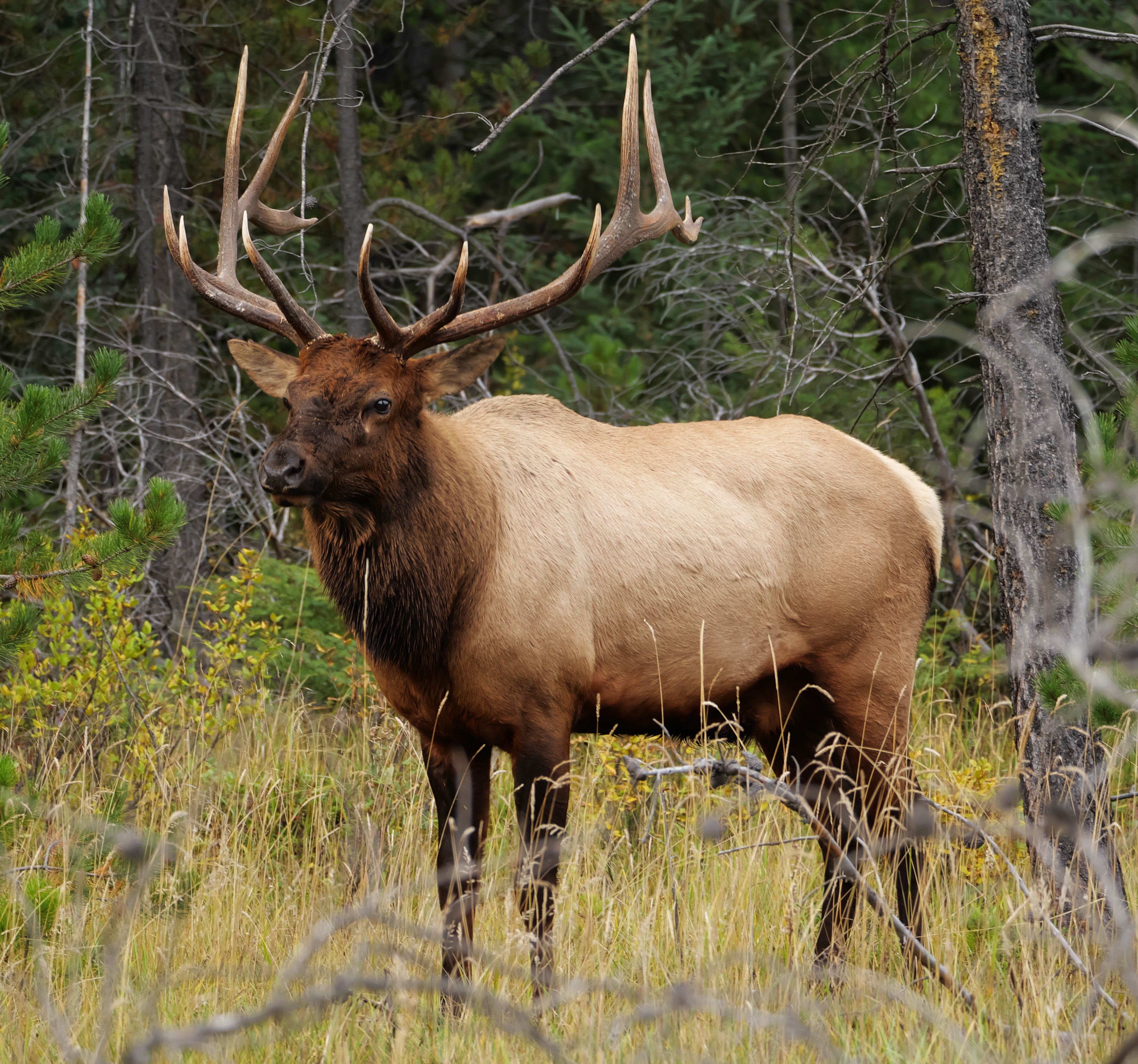
Elk, also known as wapiti, are one of the largest members of the deer family. Adult males, called bulls, can weigh up to 700 pounds (320 kg) or more, while females (cows) are slightly smaller. Elk are well-known for their impressive antlers, which bulls grow and shed each year. These antlers can reach up to 4 feet (1.2 meters) across.
The North American elk is different from the European red deer, although they are closely related. In Canada, the elk’s scientific name is Cervus canadensis. They are highly adaptable and can live in a variety of environments, from mountains to open plains.
Distribution Of Elk In Canada
Elk are native to much of western and central Canada. Historically, their range was even larger, but hunting, habitat loss, and other factors caused their numbers to drop in some areas. Today, elk can be found in many provinces, but their populations are strongest in certain regions.
| Province/Territory | Elk Population Status | Main Habitats |
|---|---|---|
| British Columbia | Strong | Forests, valleys, grasslands |
| Alberta | Very Strong | Foothills, mountains, parklands |
| Saskatchewan | Stable | Boreal forest, farmland |
| Manitoba | Stable | Woodlands, prairie edges |
| Ontario | Growing (reintroduced) | Eastern forests |
| Quebec | Absent/Nearly extinct | N/A |
| Other provinces | Rare or absent | Limited or no habitat |
Most elk in Canada are concentrated in the western provinces. Alberta and British Columbia have the largest populations, especially in and near the Rocky Mountains. Saskatchewan and Manitoba have healthy herds, and Ontario has seen success with reintroduction efforts. Elk are almost entirely absent from the Atlantic provinces and the far north.
Types Of Elk In Canada
There are several subspecies of elk in North America. In Canada, the most common are:
- Rocky Mountain elk: Found mainly in Alberta and British Columbia, this subspecies is the largest in Canada.
- Manitoban elk: This type is smaller and lives mostly in Manitoba, Saskatchewan, and parts of Alberta.
- Roosevelt elk: The largest subspecies by body size, found only in coastal British Columbia, mainly on Vancouver Island.
The Eastern elk once lived in eastern Canada, but was hunted to extinction in the 19th century. Recent efforts have reintroduced Rocky Mountain elk to Ontario, helping restore their presence in the east.
| Subspecies | Main Location | Average Weight (Male) |
|---|---|---|
| Rocky Mountain elk | Alberta, BC | 320 kg |
| Manitoban elk | Manitoba, Saskatchewan | 280 kg |
| Roosevelt elk | BC (Vancouver Island) | 380 kg |
Elk Habitats Across Canada
Elk thrive in diverse habitats. In the mountains, they use dense forests for cover and open meadows for grazing. On the prairies, they often live near rivers, where trees and shrubs provide both shelter and food.
Key elk habitats in Canada include:
- Rocky Mountain foothills and valleys: Provide year-round food and shelter.
- Boreal forests: Offer thick cover and abundant water sources.
- Grasslands and parklands: Good for grazing, though elk are more vulnerable to predators.
- Farmland edges: Elk sometimes feed in agricultural areas, especially in winter.
Elk are highly adaptable, but they need space to roam. Large, connected habitats are vital for their survival. Fragmentation from roads, cities, and farms can block migration and reduce available food.

Elk Behavior And Social Structure
Elk are social animals, often seen in groups called herds. A typical herd includes several females and their young, led by an older cow. Bulls live alone or in small groups, except during the rut (mating season) in the fall.
During rut, bulls compete for females by bugling (a loud, distinctive call) and sometimes locking antlers. The strongest bulls gather harems of cows and defend them from rivals. After mating, bulls return to bachelor groups.
Elk migrate between summer and winter ranges. In mountainous areas, they move to lower elevations in winter to find food. This migration can cover dozens of kilometers. In flatter regions, elk may shift between forests and open fields.
Diet And Feeding Habits
Elk are herbivores. Their diet changes with the seasons:
- Spring/Summer: Grasses, leaves, forbs (herbaceous flowering plants)
- Fall: Shrubs, tree bark, twigs, acorns, and fallen fruit
- Winter: Woody plants, bark, and whatever green forage is available
Elk need to eat up to 9 kg (20 lbs) of food per day, depending on their size. In winter, food is scarce, so elk often lose weight. Deep snow can make it hard for them to reach grass, so they rely more on twigs and bark.
One non-obvious insight: elk help shape the landscape. Their grazing patterns affect plant growth, which influences other wildlife. For example, by eating certain shrubs, elk can open up space for birds and small mammals.
Population And Conservation Status
Estimates suggest Canada is home to over 72,000 elk (as of 2020). The largest herds live in Alberta and British Columbia. Manitoba and Saskatchewan have smaller, stable populations. In Ontario, reintroduction has brought the population to around 1,000 elk.
Elk populations are managed by provincial wildlife agencies. Hunting is carefully regulated to ensure healthy numbers. In some areas, elk are protected, while in others, controlled hunts help balance herds and limit crop damage.
Habitat loss is the biggest threat to elk in Canada. Urban growth, roads, and farming reduce the space elk need. Disease, especially chronic wasting disease (CWD), also threatens some populations. CWD is a fatal brain disease that affects elk and other deer species. So far, CWD has appeared in wild elk in Alberta and Saskatchewan, but not in other provinces.
Human-elk Interaction
Elk often live near people, especially in western Canada. This can lead to both positive and negative encounters. In places like Banff National Park or Jasper, elk are a favorite sight for tourists. Seeing a herd crossing a road or grazing in a park is a special experience.
However, elk can also cause problems. They sometimes eat crops or damage fences, frustrating farmers. In cities, elk may wander into neighborhoods, creating risks for both people and animals. During rut, bulls can be aggressive, especially if they feel threatened.
Wildlife managers use fencing, hazing (scaring elk away), and education to reduce conflicts. In some cases, elk are relocated to less populated areas.
A non-obvious insight: when elk populations grow too large in one area, they can overgraze and damage the environment. This shows the importance of balanced management, not just protection.
The Role Of Elk In Canadian Culture
Elk have a long history with Indigenous peoples in Canada. They provided food, clothing, and tools for many First Nations. Elk antlers and hides were used for making bows, drums, and clothing. Today, elk remain important in Indigenous culture, both as a symbol and as a resource.
Elk are also featured in Canadian art, stories, and even on coins. In modern times, they are a key part of wildlife tourism, especially in national parks.
How To See Elk In Canada
If you want to see elk in the wild, Canada offers some of the best opportunities in the world. Here are a few tips:
- Visit national parks such as Banff, Jasper, or Elk Island in Alberta, and Yoho in British Columbia.
- Early morning or late evening is the best time to spot elk, as they are most active then.
- Use binoculars and keep a safe distance—elk are wild and can be unpredictable.
- Never feed elk, as this can make them aggressive or dependent on humans.
Many parks have scenic drives and trails where you might see elk, especially in the fall during the rut, when bulls are most vocal and active.
Comparing Elk With Other Canadian Deer
Elk are not the only large deer in Canada. Moose, white-tailed deer, and caribou also share the landscape. Here’s how elk compare:
| Species | Average Height at Shoulder | Average Weight (Male) | Main Range |
|---|---|---|---|
| Elk | 1.5 m | 320 kg | Western/Central Canada |
| Moose | 1.8 m | 450 kg | Nationwide (except Arctic islands) |
| White-tailed deer | 1.0 m | 100 kg | Southern Canada |
| Caribou | 1.2 m | 180 kg | Northern forests/tundra |
Elk are larger than white-tailed deer, smaller than moose, and prefer different habitats than caribou. Knowing these differences can help you identify elk if you spot a large animal in the wild.
Elk Conservation Success Stories
Elk numbers have rebounded in some areas thanks to conservation. For example:
- Elk Island National Park in Alberta started with just a few elk in the early 1900s. Today, it has over 700 elk and is a key source for reintroduction projects.
- Ontario’s elk reintroduction began in 1998, bringing elk from Alberta. The program has created a stable population in the Bancroft area.
- Banff National Park manages elk numbers to protect both the animals and the landscape.
These successes show that with the right management, elk can thrive even in modern Canada.
Frequently Asked Questions
Where Are Elk Most Common In Canada?
Elk are most common in Alberta and British Columbia, especially in the foothills and mountains. Saskatchewan and Manitoba also have significant populations, and there are smaller herds in Ontario.
Do Elk Migrate In Canada?
Yes, elk migrate between summer and winter ranges. In the mountains, they move to lower elevations in winter. On the prairies, they may shift between forests and open fields.
Are Elk Dangerous To Humans?
Elk are usually shy, but bulls can be aggressive during the rut, and cows protect their young fiercely. It’s important to keep a safe distance and never approach or feed wild elk.
What Do Elk Eat In Canada?
Elk eat grasses, leaves, shrubs, bark, and twigs. Their diet changes with the seasons, and they need to eat large amounts to maintain their size, especially in cold winters.
Are There Any Endangered Elk In Canada?
Most elk populations in Canada are stable or growing, but they face threats from habitat loss and disease. The Eastern elk is extinct, but other subspecies are not endangered at present.
Elk continue to shape the landscapes and cultures of Canada. Their story is one of resilience, adaptation, and careful management. If you want to learn more about elk and their conservation, resources such as the Canadian Wildlife Service offer more details. Whether you see them in a national park or learn about them from afar, elk are a living symbol of the wild Canadian spirit.

