
Every autumn, North American forests and meadows echo with strange, wild sounds. These are the calls of bull elk, announcing the start of rut season. If you’ve ever wondered whether elk fight during this time, the answer is yes—but the story is much deeper and more fascinating than a simple “yes.” Elk behavior during rut is a powerful example of nature’s drama, full of strategy, competition, and sometimes, real danger.
What Is Rut Season?
Rut season is the mating period for elk. It usually happens from early September to late October, depending on the region and weather. During this time, male elk, called bulls, compete for the right to mate with female elk, or cows. The rut is an intense, high-energy time. Bulls gather females into groups called harems and defend them from rivals.
Rut is driven by hormones. As daylight gets shorter, bulls produce more testosterone. This hormone surge changes their behavior—bulls become more aggressive, vocal, and focused on reproduction. The environment comes alive with their bugling calls and the sound of clashing antlers.
Why Do Elk Fight During Rut Season?
Elk fight during rut to win mating rights. Only the strongest, healthiest bulls get to mate with many cows. This competition is called sexual selection. The fights are a way to prove strength, health, and dominance.
But there’s more than just winning. Fighting helps keep the elk population healthy. Bulls that win are usually the fittest, so they pass on the best genes. It’s not just about aggression—strategy, size, and even experience matter too.
How Do Elk Fights Start?
Elk don’t just attack each other without warning. The process is more like a ritual, with several steps:
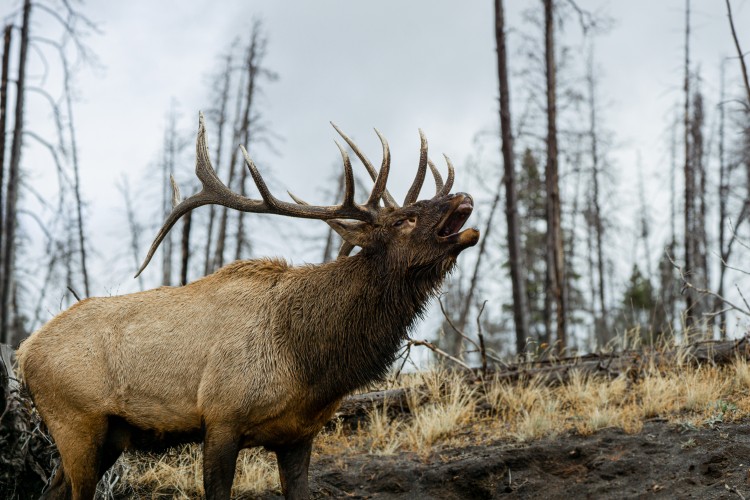
- Vocal Calls (Bugling): Bulls announce themselves with loud, high-pitched calls called bugles. These calls warn rivals and attract cows.
- Posturing: Bulls show off their size. They stand tall, raise their antlers, and sometimes thrash bushes or trees.
- Parallel Walking: Two bulls might walk side by side, sizing each other up. This is a way to compare size and strength.
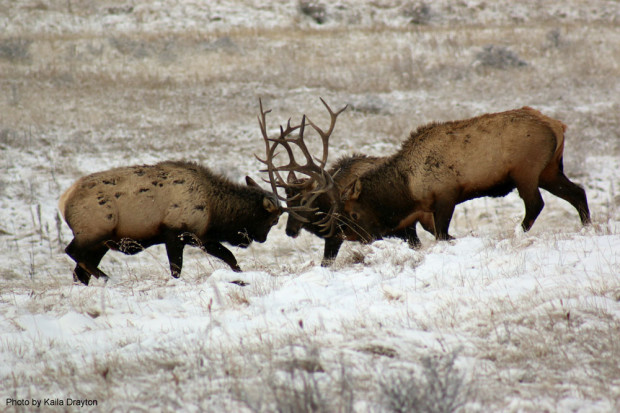
- Sparring or Fighting: If neither bull backs down, they lower their heads and lock antlers. The real fight begins.
Often, a weaker bull will leave before a fight starts. This saves energy and avoids injury. But sometimes, especially when two bulls are evenly matched, the fight is unavoidable.
What Do Elk Fights Look Like?
When elk fight, it is both dramatic and dangerous. Bulls lower their heads and crash their antlers together. They push, twist, and try to throw each other off balance. Fights can last from a few seconds to several minutes.
Here’s a closer look:
- Antler Locking: Bulls interlock their antlers, pushing with all their strength.
- Shoving: Each tries to push the other backward.
- Antler Twisting: Bulls twist their heads to unbalance their rival.
- Retreat: Often, one bull gives up and runs away. The winner takes control of the harem.
Sometimes fights are short and end quickly. But if both bulls are strong and determined, injuries can happen. Broken antlers, wounds, and even death are possible, though most fights end before serious harm.

The Role Of Bugling In Elk Fights
Bugling is one of the most unique elk behaviors. The bugle is a loud, piercing sound that can carry for miles. It serves several important roles:
- Warning rivals: Bulls bugle to show their presence and strength.
- Attracting cows: A strong bugle signals health and dominance.
- Reducing fights: Sometimes, a powerful bugle is enough to make weaker bulls stay away.
Bugling is not just random noise. Each bull has a unique bugle. Older, larger bulls usually have deeper, longer calls. Studies show that cows prefer bulls with impressive bugles, and other bulls listen closely before deciding to challenge.
Harem Building And Defense
During rut, bulls collect groups of cows—usually 5 to 20, but sometimes more—into harems. The bull’s job is to keep his harem together and stop other bulls from stealing cows.
Harem defense means constant work. The bull chases away rivals, herds cows, and rarely eats or rests. He may lose up to 20% of his body weight during rut because he spends so much energy on defense and fighting.
Here’s a quick comparison of bull elk before and after rut season:
| Aspect | Before Rut | After Rut |
|---|---|---|
| Body Fat | High | Low |
| Energy Level | Rested | Exhausted |
| Eating | Frequent | Rarely eats |
This extreme energy use is why only the strongest bulls can maintain large harems.
The Importance Of Antlers
Antlers are a bull’s main weapon. They grow each year and are made of bone, covered in velvet during summer. By rut, the velvet is gone, and antlers are hard and sharp.
Large antlers show a bull’s age and health. Bulls with bigger antlers are more likely to win fights and attract cows. Antler size is not just about fighting—it’s also a visual signal to other bulls and cows.
Interesting facts about elk antlers:
- Bulls shed their antlers every winter and regrow them in spring.
- Antlers can weigh up to 18 kg (40 lbs) and stretch over 1.2 meters (4 feet) across.
- Sometimes, younger bulls with smaller antlers avoid fights with older, larger rivals.
How Often Do Elk Fights Turn Deadly?
Most elk fights do not end in death. In fact, serious injuries are rare compared to the number of fights. Bulls try to avoid deadly outcomes because injuries mean weakness and a lower chance to mate or survive winter.
Here’s a look at the numbers:
| Fight Outcome | Estimated Percentage |
|---|---|
| Ritualized display only (no fight) | ~60% |
| Short fight (minor injuries) | ~35% |
| Serious injury or death | ~5% |
Most fights end when one bull decides it’s not worth the risk. Only when two bulls are very evenly matched do things get dangerous.
Non-obvious Insights About Elk Fights
Many people assume elk fights are all about brute strength. In reality, there is a lot of strategy. Bulls often try to avoid fights they cannot win, using vocal calls and displays to “measure up” before risking injury.
Another overlooked detail: younger bulls sometimes form groups and challenge an older bull together. While rare, this teamwork can help younger bulls learn the ropes and sometimes even steal cows from a dominant bull.
Also, bull elk remember past opponents. If a bull lost badly to another the year before, he might avoid fighting the same rival the next season. Memory and experience can change the outcome, not just size.
The Impact Of Rut On Elk Health And Survival
Rut season is a big challenge for bulls. The constant fighting, bugling, and harem defense use up huge amounts of energy. After rut, bulls are often thin, weak, and more likely to be hunted by predators or die from winter starvation.
Cows, on the other hand, choose bulls with the best genes. This means future calves are healthier and stronger. The rut shapes the elk population every year.
Elk Fighting Behavior Compared To Other Deer
Elk are not the only deer that fight during rut. Moose, red deer, and white-tailed deer also have rutting seasons. However, elk fights are especially loud and dramatic because of their size and bugling.
Here is how elk compare to other deer during rut:
| Species | Fight Style | Vocalization | Antler Use |
|---|---|---|---|
| Elk | Lock antlers, push | Loud bugle | Large, spreading antlers |
| Moose | Head-on shoving | Low grunts | Broad, flat antlers |
| Red Deer | Lock antlers, wrestle | Roaring | Branched antlers |
| White-tailed Deer | Pushing, circling | Snorts, grunts | Shorter, curved antlers |
Elk fights are unique because of their combination of size, sound, and style.
How To Safely Watch Elk During Rut
Seeing elk during rut can be amazing, but it’s important to stay safe. Bulls are very focused and can be dangerous if approached.
Tips for safe elk watching:
- Keep your distance. Stay at least 100 meters (330 feet) away.
- Use binoculars or a camera zoom to see the action up close.
- Stay quiet. Loud noises can stress the animals.
- Never get between a bull and his harem.
- Follow park rules and respect wildlife space.
Remember, rutting elk are unpredictable. Give them plenty of space to avoid accidents.
The Role Of Rut Season In Elk Conservation
Rut season is not just about drama. It is also crucial for elk conservation. By allowing natural selection to work, rut keeps the population strong and healthy. This is why many parks and wildlife managers protect elk during rut and limit hunting.
Scientists study elk behavior during rut to understand population health, genetics, and changes in the environment. This research helps set hunting limits and protect habitats for future generations.
If you want to learn more about elk and their amazing rut behaviors, visit the Wikipedia: Elk page for detailed information.
Frequently Asked Questions
Why Do Elk Bugle During Rut?
Elk bugle to attract females and warn other males. A strong bugle tells rivals the bull is healthy and ready to fight. It can also keep weaker bulls away, reducing the need for dangerous fights.
How Dangerous Are Elk Fights To Humans?
Elk fights are usually not dangerous to people if you keep your distance. However, bulls can be unpredictable and aggressive during rut. Never approach or get between a bull and his harem.
Do Younger Bulls Ever Win Fights?
Younger bulls sometimes win, especially if the older bull is tired or injured. Usually, older bulls with bigger antlers have the advantage, but youth and teamwork can play a role.
Can Elk Die From Fighting During Rut?
Yes, but it is rare. Most fights end before serious injury. Sometimes, antlers can become locked, or a bull can be wounded badly enough to die. Most bulls avoid fights they can’t win.
When Is The Best Time To Watch Elk Rut?
The best time is usually from early September to mid-October, during the early morning or late evening. This is when bulls are most active, bugling, and defending harems.
The world of elk during rut season is a powerful, wild display of nature. Watching or learning about these animals can give you a new respect for the balance and drama of life in the wild.

