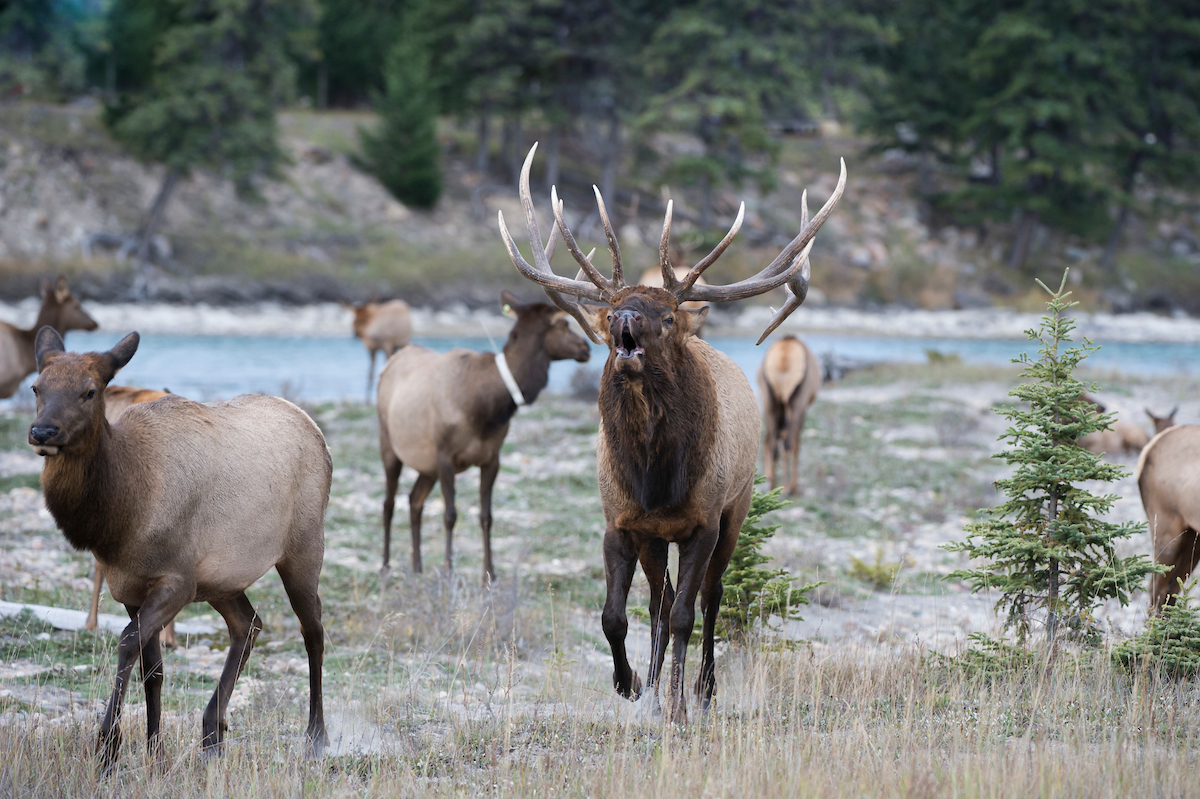
Elk are some of the most recognizable animals in North America, famous for their impressive antlers and majestic presence. But while many people admire them from afar, fewer understand what elk actually eat in the wild. Are elk mostly grass-eaters, or do they prefer shrubs and woody plants?
The answer is more complex than it first appears, and understanding it can reveal a lot about elk behavior, their role in the ecosystem, and even how to manage land where elk live.
What Makes Up An Elk’s Diet?
Elk, also called wapiti, are large herbivores. Their diet depends on where they live, the season, and what is available. Generally, elk are classified as intermediate feeders. This means they do not fit only into the category of grazers (like cows, which mostly eat grass), nor are they only browsers (like deer, which prefer shrubs and leaves). Instead, elk switch between these two feeding styles based on the time of year and what their bodies need.
Elk diets include:
- Grasses
- Shrubs and woody plants
- Forbs (flowering, non-woody plants)
- Tree bark and twigs (mainly in winter)
This flexible approach helps elk survive in many habitats, from meadows and forests to mountains.
Elk Eating Grass: When And Why
Grass is a major food source for elk, especially in spring and early summer. After the snow melts, new grasses start to grow quickly. These young grasses are full of nutrients and easy for elk to digest. Elk can eat large amounts of grass, which helps them rebuild their energy reserves after a long, harsh winter.
Why Grass Is Important In Spring And Summer
In these seasons, grasses provide:
- High protein for muscle growth and recovery
- Easy digestion compared to tougher plants
- Essential minerals needed for antler growth
Elk often gather in open meadows where grass is abundant. Cows (female elk) need extra nutrition before calving, and bulls (male elk) need protein to regrow their antlers. During this period, grass can make up over 60% of an elk’s diet.
Example Grasses Eaten By Elk
Some of the common grasses elk consume include:
- Bluegrass
- Timothy grass
- Wheatgrass
- Fescue
These grasses are found in many elk habitats across North America and are especially lush after snowmelt.
Shrubs In The Elk Diet
As summer fades and autumn arrives, grasses dry out and lose nutrients. Elk then shift to eating more shrubs and woody plants. This is called “browsing.” Shrubs become a bigger part of the elk diet in fall and winter, when other food sources are scarce.
Why Elk Eat Shrubs In Fall And Winter
During these seasons:
- Grasses are less nutritious and harder to find under snow
- Shrubs and woody plants remain above snow and are accessible
- Shrubs provide fiber and energy needed for surviving cold weather
Winter is a stressful time for elk. They need to conserve energy, so they look for foods that are easy to reach and digest, even if less nutritious.
Common Shrubs Eaten By Elk
Some of the main shrubs elk browse include:
- Willow
- Serviceberry
- Sagebrush
- Chokecherry
- Bitterbrush
These plants grow in forests, riverbanks, and mountain valleys—places where elk spend winters.
Forbs And Other Plants In The Elk Diet
Forbs are soft, non-woody plants like wildflowers, clover, and dandelions. Elk eat forbs most in late spring and early summer, when these plants are fresh and abundant.
Forbs can make up 10-25% of an elk’s diet during peak growing seasons. They provide:
- Extra vitamins and minerals
- Different flavors and textures
- Important nutrients for lactating females and growing calves
Some examples of forbs elk eat are:
- Dandelion
- Lupine
- Clover
- Yarrow

How Elk Choose What To Eat
Elk do not eat randomly. They select food based on:
- Nutritional needs
- Food availability
- Ease of access
When high-quality grass is available, elk will eat mostly grass. When snow covers the ground, they shift to shrubs, twigs, and even tree bark.
Seasonal Diet Changes
Here is a simple comparison of elk diet by season:
| Season | Main Foods | Percentage of Diet |
|---|---|---|
| Spring | Grasses, forbs | Grasses (60-70%), Forbs (20-30%) |
| Summer | Grasses, forbs | Grasses (50-60%), Forbs (20-25%), Shrubs (15-20%) |
| Fall | Shrubs, grasses | Shrubs (40-50%), Grasses (30-40%), Forbs (10-20%) |
| Winter | Shrubs, twigs, bark | Shrubs/Twigs/Bark (60-80%), Grasses (10-20%) |
This table shows that elk diets are flexible and change with the seasons.
Elk Vs. Other Herbivores: Diet Comparison
Elk are not the only large plant-eating mammals in North America. How do their diets compare with deer, moose, and cattle? Each has a preferred feeding style.
| Animal | Main Diet | Feeding Style | Seasonal Flexibility |
|---|---|---|---|
| Elk | Grasses, shrubs, forbs | Intermediate feeder | High |
| Deer | Shrubs, forbs | Browser | Medium |
| Moose | Aquatic plants, twigs | Browser | Low |
| Cattle | Grasses | Grazer | Low |
Elk are the most flexible, switching between grazing (grass) and browsing (shrubs) as needed.
How Elk Diet Affects Their Habitat
Elk are not just passive eaters. Their feeding habits shape the land around them. When elk eat a lot of grass in one area, they help keep meadows open and prevent forests from taking over. When they browse shrubs, they can slow the growth of certain plants and even change which species dominate.
Key insights beginners often miss:
- Elk can change the structure of forests and meadows just by what they choose to eat. For example, heavy browsing of young trees can limit forest growth in valleys.
- Elk herds can affect other wildlife. If elk eat most of the shrubs in an area, it might reduce food for smaller animals like snowshoe hares or birds.
Elk are important for balancing plant growth, helping other animals, and even creating habitats for insects and birds.
Nutritional Needs And Digestive System
Elk have a complex, four-part stomach (like cows). This allows them to digest tough plant material. However, their digestive system works best with a mix of soft, leafy foods and woody plants.
- In spring and summer, their stomachs handle lots of grass and forbs.
- In winter, elk eat more roughage, but they digest it slowly, so they move less to save energy.
If elk eat only grass or only shrubs for too long, they miss key nutrients. That’s why their flexible diet is so important for their survival.
Human Impact On Elk Diet
Humans have changed elk diets in several ways:
- Farming and development can reduce wild grass and shrubs, forcing elk into new areas.
- Livestock grazing can compete with elk for the same grasses.
- Wildfire and logging can create new open areas for grass to grow, which helps elk in the short term.
Some wildlife managers even plant special grasses or shrubs to support healthy elk herds.
Common Myths About Elk Diet
Many people think elk are just big deer or that they only eat grass. In reality, elk need both grass and shrubs to stay healthy.
Myth 1: Elk Are Grazers Like Cows.
Fact: Elk are intermediate feeders. They switch between grazing and browsing as needed.
Myth 2: Elk Can Survive On Any Plants.
Fact: Elk need a varied diet. Too much of one type of food can cause health problems.
Myth 3: Elk Destroy Forests By Eating All The Shrubs.
Fact: Elk can affect plant growth, but they are part of a balanced ecosystem. Overbrowsing usually happens only when elk populations are too high or predators are missing.
Elk Diet In Different Regions
Elk live in many places, from the Rocky Mountains to forests in the eastern United States and even parts of Asia. Their diets change with the local plants.
For example:
- In the Rocky Mountains, elk eat a mix of bluegrass, willow, sagebrush, and forbs.
- In the Pacific Northwest, they eat more ferns, salal, and red alder twigs.
- In eastern forests, they might browse on maple, aspen, and berry bushes.
This regional flexibility helps elk survive in many different environments.
Challenges Elk Face With Food
Not every year is the same for elk. Hard winters with deep snow can bury grass and forbs, forcing elk to survive on shrubs and bark alone. Droughts can reduce the amount of fresh grass in summer. In both cases, elk must travel further and work harder to find food.
Elk are also at risk from competition with livestock, habitat loss, and climate change. When humans understand what elk eat, they can better protect these impressive animals.
Practical Tips For Observing Elk Feeding
If you want to watch elk in the wild, early morning and late evening are the best times. Elk are most active at dawn and dusk. Look for them in open meadows (grazing) in spring and summer, and near riverbanks or forest edges (browsing) in fall and winter.
Remember to keep a safe distance—elk are wild animals and can be unpredictable, especially during calving season or the fall rut.
Frequently Asked Questions
What Is The Main Difference Between Elk And Deer Diets?
Elk are more flexible than deer. While deer mostly browse on shrubs and forbs, elk eat both grasses and woody plants, switching between them as seasons change. This allows elk to live in a wider range of habitats.
Do Elk Eat Tree Bark?
Yes, elk eat tree bark, especially in winter when other foods are buried by snow. Bark is not their favorite, but it provides fiber and energy when needed.
Can Elk Survive On Grass Alone?
Elk cannot survive on only grass for long periods. They need a mix of grass, shrubs, and forbs to get all essential nutrients. Eating only grass can lead to deficiencies, especially in winter.
How Do Elk Diets Change With The Seasons?
Elk eat more grass and forbs in spring and summer, then shift to shrubs and woody plants in fall and winter. This seasonal change matches the availability and nutrition of plants in their habitat.
Where Can I Learn More About Elk Feeding Habits?
A good starting point is the Wikipedia page on elk, which provides detailed information on their diet, behavior, and habitat.
Elk are among the most adaptable large herbivores, thriving by eating both grass and shrubs at different times of the year. Their flexible diet is key to their survival, shaping landscapes and supporting the delicate balance of wild ecosystems. Understanding what elk eat not only satisfies curiosity but helps us make better decisions about land and wildlife management.

