
Do Elk Eat Bark? The Surprising Truth Behind Elk Diets
If you’ve ever walked through a forest and noticed strips of missing bark on young trees, you might wonder what animal caused this damage. Many people are surprised to learn that elk are often the culprits. While elk are known for grazing on grasses and browsing on shrubs, their relationship with tree bark is more complex than most people realize. Understanding if, how, and why elk eat bark is essential for anyone interested in wildlife, forestry, or land management. Let’s dive into the fascinating world of elk diets and uncover the real story behind bark-eating behavior.
The Basics Of Elk Diets
Elk, also called wapiti, are one of the largest species in the deer family. Their diet is broad and changes with the seasons. In general, elk are classified as herbivores and have a diet that includes grasses, forbs (flowering plants), shrubs, and tree parts. The variety in their food choices helps them survive in different habitats and climates.
During spring and summer, elk mainly graze on fresh grasses and forbs because these are abundant and rich in nutrients. In fall and winter, as green plants become scarce, elk shift towards woody plants, twigs, and even bark. This seasonal diet switch is a key survival strategy.
Do Elk Really Eat Bark?
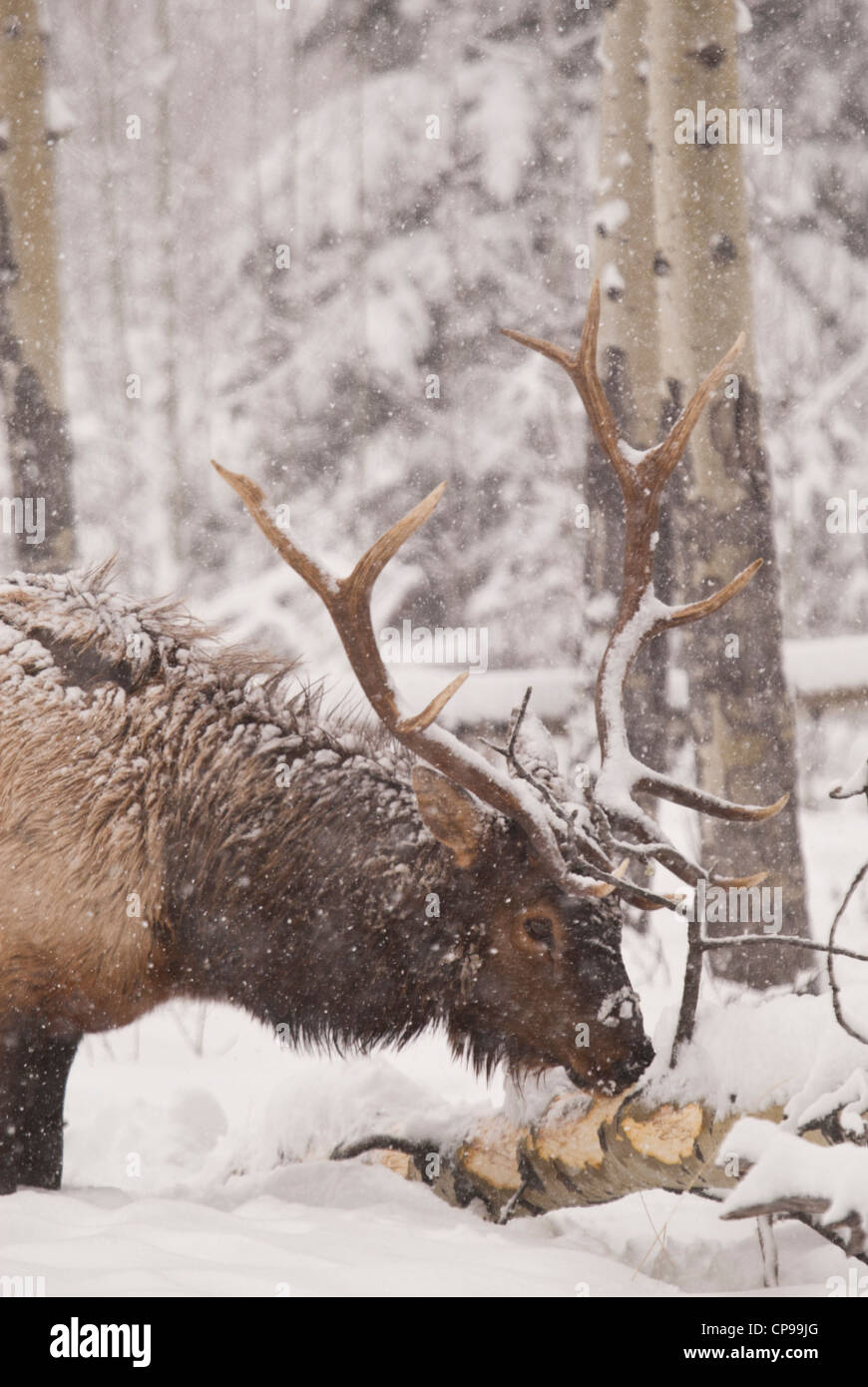
The short answer is yes, elk do eat bark. But it’s not their first choice. Elk usually turn to bark when other food sources are limited, especially in late winter or early spring. Bark eating, or bark stripping, is more common in regions where deep snow covers the ground, making grasses and low shrubs hard to reach.
Elk mainly target the inner bark, also known as the cambium layer. This soft, nutritious tissue sits just beneath the rough outer bark and contains sugars and nutrients the elk need. The process involves peeling away the tough outer bark with their teeth and then chewing the sweeter inner layer.
Why Do Elk Eat Bark?
1. Food Scarcity
In harsh winters, snow can cover grasses and forbs for months. During these times, elk must rely on whatever food they can find. The inner bark of trees, though not their favorite, provides enough energy to help them survive when other options are buried or unavailable.
2. Nutritional Needs
Bark is not as rich in protein or easy-to-digest carbohydrates as green plants, but it does offer some sugars and minerals. The cambium layer, in particular, has nutrients that help elk get through the leanest months. Elk are large animals and need thousands of calories a day, so they can’t afford to be too picky when food is scarce.
3. Teeth Maintenance
Chewing on bark and woody material also helps keep elk teeth in shape. Their molars are designed for grinding tough plant fibers, and eating bark can help wear down teeth naturally, preventing overgrowth.
4. Social Learning
Some researchers believe that bark eating can be a learned behavior within elk herds. Young elk may copy adults, especially in areas where bark stripping is common. This means that local conditions and herd traditions can influence how often elk eat bark.
Which Trees Do Elk Prefer For Bark?
Elk don’t eat the bark of all trees equally. They tend to select certain species based on taste, ease of peeling, and nutrient content. Here’s a look at some common trees elk strip:
- Aspen – One of the most commonly stripped trees. The bark is softer and the cambium is sweet.
- Willow – Often found near water, willows have thin bark that’s easy for elk to chew.
- Cottonwood – Young cottonwoods are targeted, especially in riparian zones.
- Douglas-fir – In some areas, elk will strip young Douglas-fir trees.
- Lodgepole Pine – Not as preferred, but elk will eat the bark in tough conditions.
Elk are less likely to eat the bark of trees with rough or bitter-tasting bark, such as spruce or mature pines. The age of the tree also matters—younger trees with thinner bark are easier to strip.
Here’s a comparison of elk bark preference among common North American trees:
| Tree Species | Bark Stripping Frequency | Comments |
|---|---|---|
| Aspen | High | Soft, sweet cambium, easy to peel |
| Willow | Moderate | Found near water, thin bark |
| Cottonwood | Moderate | Preferred in winter, especially young trees |
| Douglas-fir | Low | Stripped in some areas, less preferred |
| Lodgepole Pine | Low | Only in severe winters |

How Often Do Elk Eat Bark?
Bark eating is not a daily habit for most elk. It usually occurs:
- During late winter and early spring
- When snow is deep or food is scarce
- In areas with high elk populations and limited forage
One study in the Rocky Mountains found that up to 40% of young aspen trees in some areas showed bark stripping damage from elk by late winter. In milder winters, the number is much lower.
Another surprising insight is that bark stripping can be highly localized. In some valleys, elk rarely touch bark, while a few kilometers away, they may strip hundreds of trees. This depends on food supply, snow cover, and even herd traditions.
Impact Of Bark Eating On Trees And Forests
Bark eating by elk has both ecological benefits and risks. The impact depends on the intensity and frequency of stripping.
Negative Effects
- Tree Death: If elk strip bark all the way around a tree (“girdling”), the tree can die. The cambium layer is vital for transporting water and nutrients.
- Reduced Growth: Even partial bark loss can stunt growth or make trees more vulnerable to disease.
- Damage to Young Forests: Elk can prevent regeneration of aspen and cottonwood stands by repeatedly stripping young trees.
Positive Effects
- Habitat Diversity: Some bark stripping creates deadwood, which is used by birds and insects.
- Natural Thinning: Light bark stripping can act as natural thinning, allowing healthier trees to thrive.
- Food for Other Wildlife: Damaged trees attract beetles and fungi, which in turn feed birds and small mammals.
Here’s a look at the effects of elk bark eating on different tree age groups:
| Tree Age | Impact of Bark Stripping | Long-term Outcome |
|---|---|---|
| Seedlings (1-5 years) | High mortality if stripped | Few survive repeated damage |
| Young saplings (5-15 years) | Stunted growth, risk of death | Can recover if damage is light |
| Mature trees (>15 years) | Minor effect unless girdled | Usually survive, but may weaken |

How Do Elk Strip Bark? The Process Explained
Elk use their incisor teeth (located only on the lower jaw) to grab and pull strips of bark from the trunk. They brace the tree with their body or antlers (in males) and tug with their neck muscles. After removing the outer bark, they chew the cambium layer, spitting out any tough fibers.
This method can leave distinctive scars on trees—long, vertical strips missing and ragged edges. Sometimes, multiple elk strip the same tree, making the damage worse.
How Bark Eating Differs From Other Animals
It’s easy to confuse elk bark stripping with damage from other forest animals. For example:
- Moose also strip bark but usually target higher branches and larger trees.
- Deer prefer twigs and buds; they rarely strip bark in large amounts.
- Beavers chew through bark and wood, often felling small trees entirely.
- Porcupines leave small, round patches rather than long strips.
Here’s a quick comparison of bark-eating habits among common forest animals:
| Animal | Bark Eating Method | Preferred Trees |
|---|---|---|
| Elk | Vertical strips, mainly inner bark | Aspen, willow, cottonwood |
| Moose | Large patches, higher up | Willow, birch, aspen |
| Deer | Twigs and buds, minor bark | Shrubs, small trees |
| Beaver | Chews through wood, gnaws full bark | Aspen, willow, alder |
| Porcupine | Small round patches | Pine, spruce, aspen |
How Landowners And Forest Managers Respond
Bark stripping by elk can be a serious issue for landowners, especially those growing aspen or managing young forests. Common strategies to reduce damage include:
- Fencing: Erecting fences around high-value stands or young trees.
- Tree Protectors: Wrapping trunks with plastic or wire mesh.
- Habitat Management: Planting more diverse food sources to reduce pressure on trees.
- Population Control: Adjusting elk numbers through regulated hunting.
A non-obvious tip for managers: Planting shrubs or grasses that stay green in winter near young trees can help divert elk away from bark.
Surprising Insights Most People Miss
Many beginners think that elk only turn to bark in extreme emergencies. In reality, bark eating can be a regular part of winter diets in some regions, even when other foods are technically available but less nutritious. Also, bark stripping is sometimes more about tradition than need—herds may develop habits that persist even if better food appears the next year.
Another overlooked point is that bark eating doesn’t always kill trees. Light or partial stripping can heal, and some tree species are quite resilient. Foresters often misjudge the long-term effects, so each forest should be monitored and managed based on local conditions.
For more details on elk and their dietary habits, you can check the article by the Wikipedia.
Frequently Asked Questions
Why Do Elk Eat Bark When There’s Grass Available?
Elk sometimes eat bark even if some grass remains, especially in late winter. Grass under deep snow is hard to reach, and the cambium layer in bark offers quick energy. In some areas, elk simply prefer the taste or have learned the habit from others in their herd.
Which Trees Are Most At Risk From Elk Bark Eating?
Aspen, willow, and young cottonwood trees are most often targeted. Young trees with thin bark are easier for elk to strip, and these species have sweeter, more nutritious cambium. Older trees or those with thick, rough bark are less at risk.
Can Bark Eating Kill A Tree?
If elk strip bark all the way around a tree, known as girdling, the tree will almost always die because it cannot transport water or nutrients. Partial stripping can weaken or stunt a tree, but many survive if the damage isn’t severe.
How Can I Protect My Young Trees From Elk?
Fencing is the most effective method, but it can be costly. Wrapping trunks with mesh or plastic can help. Providing alternative food sources, like winter-hardy shrubs or leftover crops, can also reduce pressure on valuable trees.
Do Other Animals Eat Bark Like Elk?
Yes, but their habits are different. Moose and beavers also eat bark, but the damage looks different. Porcupines may strip small patches, and deer typically focus on twigs rather than large strips of bark.
Elk are remarkable survivors, adapting their diet to whatever nature provides. While eating bark is not their favorite meal, it is an important part of how elk make it through tough winters—and a reminder of the delicate balance between wildlife and forests.

