Deer are among the most alert animals in the wild. Hunters and hikers often wonder: do deer smell danger from humans? The answer is both fascinating and surprising. Deer have evolved powerful senses to keep themselves safe, and their sense of smell is one of their greatest tools. Understanding how deer detect human presence can help you appreciate these animals—and even change how you move in their habitats.
How Deer Use Their Sense Of Smell
A deer’s nose is not just for breathing. It is a complex system designed for survival. Deer have around 297 million olfactory receptors in their noses, while humans have only about 5 million. This allows them to pick up a wide range of smells, including the faintest trace of a human nearby.
Deer can also move each nostril independently. This skill lets them tell which direction a smell comes from. For example, if a hiker walks through the woods, a deer can often identify which way the person went, even after they have left.
Can Deer Really Smell Humans?
Yes, deer can absolutely smell humans. In fact, they can detect human scent from over a quarter mile away (about 400 meters) if the wind is right. A person’s body, breath, and clothes all leave scent molecules in the air and on the ground. Even after you leave an area, your scent can linger for several hours.
Here is a simple comparison of olfactory power:
| Animal | Olfactory Receptors (approx.) | Detection Range for Human Scent |
|---|---|---|
| Deer | 297 million | 400+ meters |
| Dog | 220 million | 500+ meters |
| Human | 5 million | Very limited |
Deer are not just sensitive to the smell of human skin. They can also notice the scent of soap, deodorant, food, gasoline, and many other chemicals that humans use. This makes it very hard to approach a deer without being noticed.

How Deer React To Human Scent
Deer do not react to all smells the same way. When they detect a new or strong human scent, they usually become alert and nervous. If the scent is fresh, a deer may freeze, sniff the air, and look for movement. If they feel the danger is real, they will often run away quickly.
However, deer living near cities or towns may get used to some human smells. These animals might not react as strongly unless a person gets very close or makes loud noises. In deep forests, where humans are rare, deer are much more sensitive.
The Role Of Wind And Weather
Wind is a major factor in how deer sense danger. If the wind is blowing toward a deer from a person, the animal can smell them from far away. Hunters use this knowledge to plan where to sit or walk, always trying to keep the wind in their favor.
Here is how wind direction affects deer scent detection:
| Wind Direction | Deer’s Ability to Smell Human |
|---|---|
| Wind toward deer | Very high |
| Wind away from deer | Very low |
| Crosswind | Medium |
Rain and humidity can also affect how far a scent travels. Wet conditions often help scents linger longer at ground level, making it easier for deer to detect humans.
Ways Humans Can Avoid Detection
For those who want to observe or hunt deer, reducing human scent is important. Here are some strategies:
- Wear scent-free clothing: Use unscented laundry soap and avoid perfumes or deodorants.
- Stay downwind: Always keep the wind blowing from the deer toward you.
- Walk quietly: Move slowly and avoid breaking branches or making sudden noises.
- Use natural cover: Stand near trees or bushes to break up your outline and help mask your smell.
Even with all these steps, deer may still pick up a person’s scent. Their sense of smell is just that strong.
Non-obvious Insights About Deer And Scent
Many people do not realize that deer can learn to recognize individual human scents. If you visit the same area often, deer may start to ignore your presence if you never act like a threat. On the other hand, if you disturb them once, they may remember and avoid the area for days.
Another surprising fact: deer can sometimes tell the difference between a relaxed human and a nervous one. A person’s body chemistry changes when they are anxious, and deer may pick up on these small differences in scent.
Why Deer Rely More On Smell Than Sight
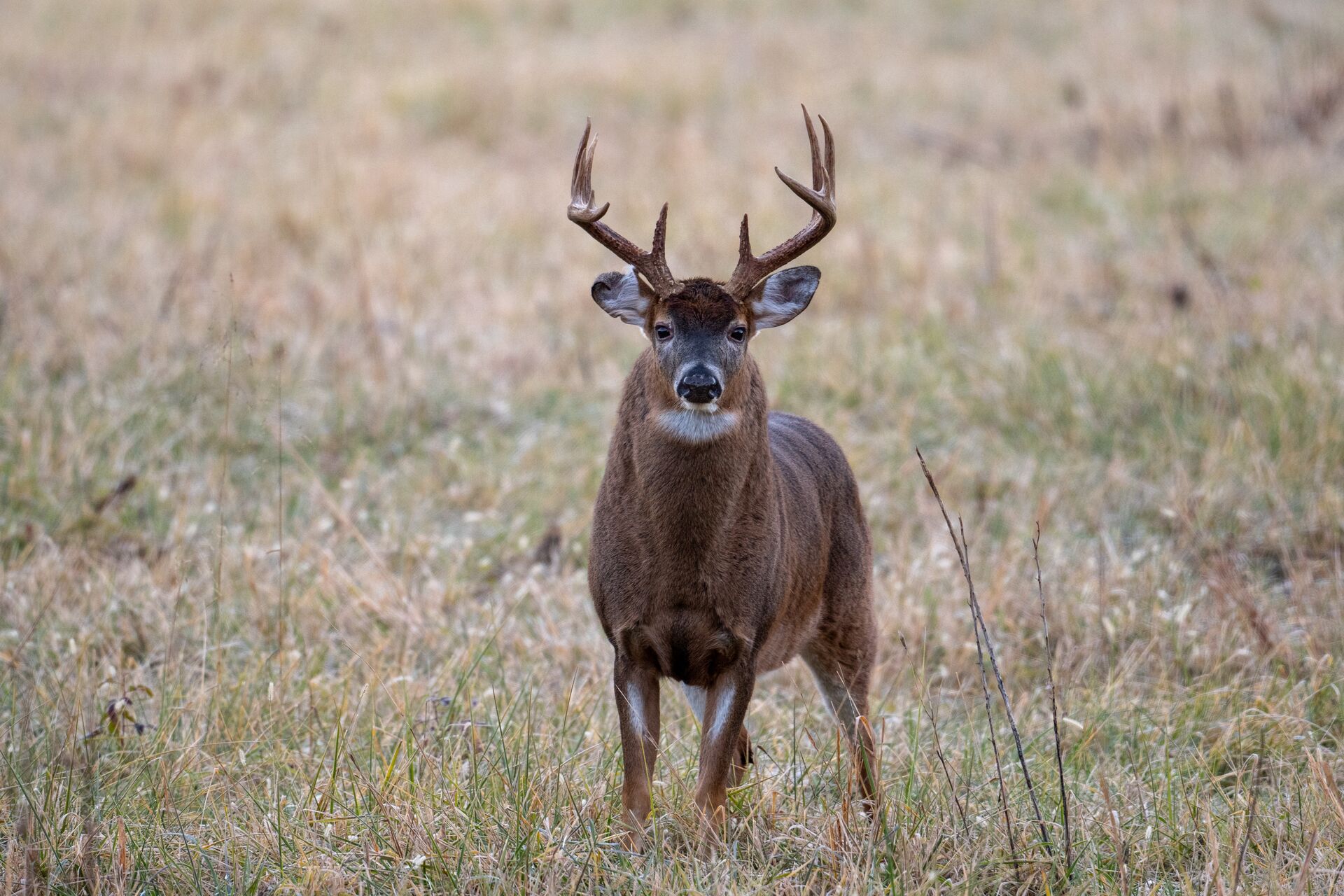
Deer eyes are good at spotting movement but not detail. Their vision is adapted for dawn and dusk, not for clear images. Smell helps them “see” the world in a different way. If a deer smells danger, it trusts its nose more than its eyes or ears.
This ability is so developed that deer often avoid feeding in an area for hours or even days after smelling a human. That’s why hunters sometimes wait a long time for deer to return after they’ve been disturbed.
Deer In Urban Vs. Wild Environments
Deer living near humans can sometimes get used to certain smells. In parks and gardens, they may ignore the scent of people unless something else—like a sudden movement or loud sound—catches their attention. But in wild areas, even a faint human smell can cause a strong reaction.
Here’s a quick look at how deer response changes by environment:
| Environment | Reaction to Human Scent |
|---|---|
| Urban/Suburban | Mild to moderate |
| Wild/Remote | Strong, immediate |

The Science Behind Deer Scent Detection
Researchers have studied deer noses in detail. One study showed that deer can remember and avoid certain smells for weeks. They also found that deer react more strongly to the scent of sweat or urine than to clean clothing. This supports the idea that personal hygiene choices can affect how easily deer detect people.
If you want to learn more about this, the Wikipedia page on deer gives a deeper look into their biology.
Frequently Asked Questions
How Far Away Can A Deer Smell A Human?
Deer can smell humans from over 400 meters away, especially if the wind is blowing from the person toward the deer.
Do Deer Get Used To Certain Human Smells?
Yes, deer living in areas with regular human activity can become less sensitive to familiar scents, but they still react to sudden or unusual smells.
Can Deer Tell The Difference Between Different People?
Deer can learn to recognize individual scents and may react differently to people they know versus strangers.
Does Rain Make It Harder For Deer To Smell Danger?
Rain can help scents stick to the ground, making them last longer. However, heavy rain can also wash away scents, making detection harder for short periods.
What Is The Best Way To Avoid Being Smelled By A Deer?
The most effective way is to stay downwind from the deer and use scent-free products on your body and clothing.
Deer are experts at detecting danger with their noses. Whether you’re a hunter, hiker, or wildlife watcher, respecting their abilities is key to coexisting with these amazing animals.

