Every winter, people who spend time in forests or rural areas notice something curious: deer seem to disappear from familiar spots. Where do they go when temperatures drop and snow covers the ground? Do deer really migrate in winter, or do they stay put and simply become harder to find? The answer is more interesting than many people expect. Understanding how deer behave in winter helps hunters, hikers, and nature lovers see the hidden world of these graceful animals.
What Migration Means For Deer
Migration usually means traveling a long distance between summer and winter homes. For some animals, like birds, this can mean flying hundreds or even thousands of miles. But for deer, migration is not always so dramatic.
White-tailed deer and mule deer show different patterns depending on where they live. In the far north, where winters are harsh, some deer do move several miles to find food and shelter. In milder areas, deer might stay in the same general place all year, just shifting their daily routines.
Types Of Deer Movements
Deer use different strategies when winter comes. Here are the main ways deer react to cold weather:
- True migration: Some deer travel from high ground (summer range) to low valleys (winter range). This can mean moving 10-30 miles.
- Seasonal shifts: Many deer do not migrate far but change their habits, moving to thick forests or lower elevations for better cover.
- Staying put: In warmer climates, deer might not move at all, surviving winter where they spent the summer.
Why Some Deer Migrate
What makes some deer migrate while others stay? The answer depends on several key factors:
- Snow depth: Deep snow makes it hard to walk and find food. When snow gets deeper than 18 inches, deer in many regions start to move.
- Temperature: Extreme cold pushes deer to seek shelter in protected valleys or forests.
- Food sources: As plants die back, deer must find new feeding areas. Migration helps them reach food that is not covered in snow.
Example: White-tailed Deer In Northern States
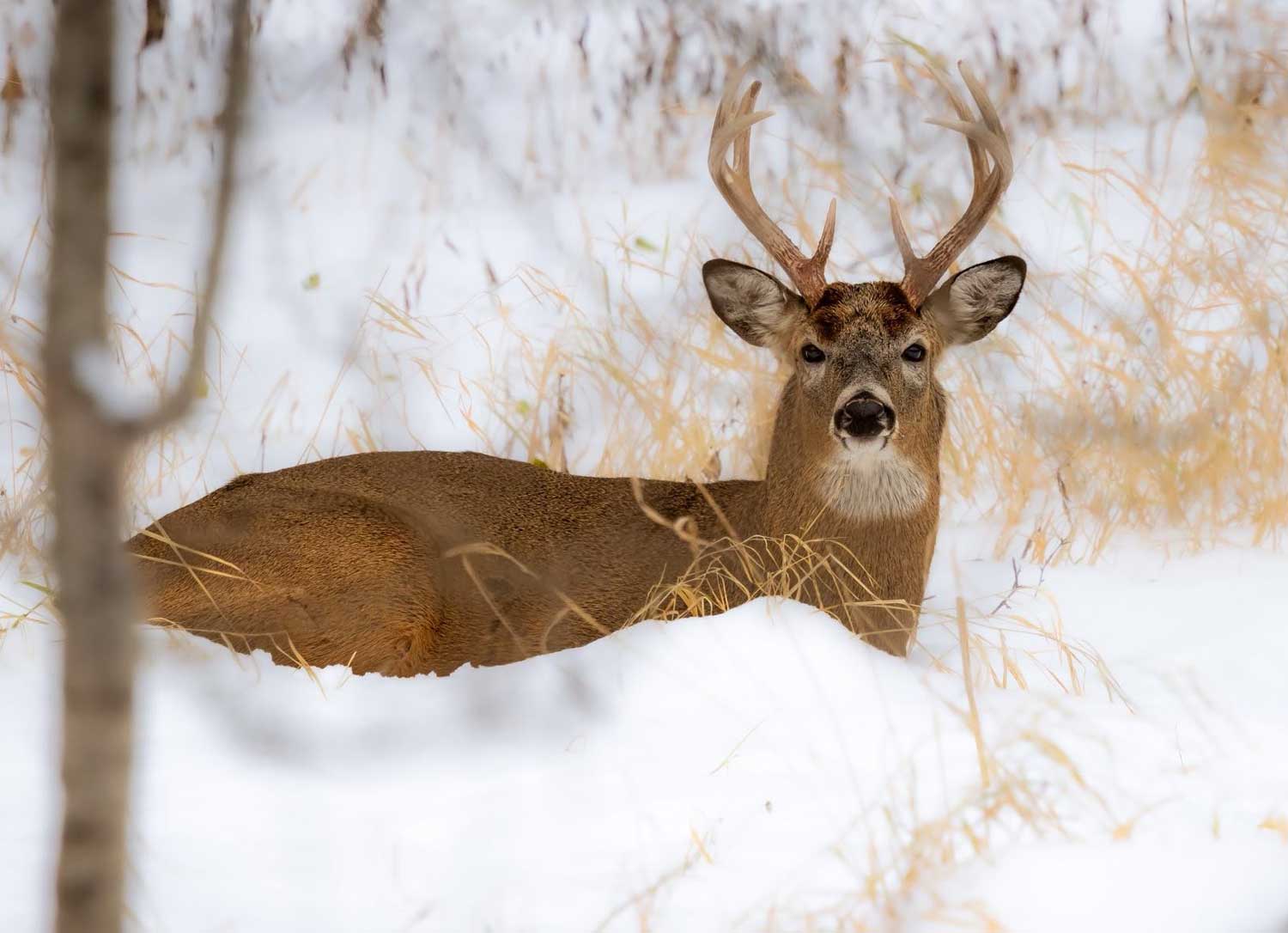
In states like Minnesota or Maine, white-tailed deer often leave their summer range before the first heavy snow. They gather in “deer yards”—dense evergreen forests with less snow on the ground. These areas might hold dozens of deer, all feeding on twigs, bark, and leftover acorns.
Example: Mule Deer In The West
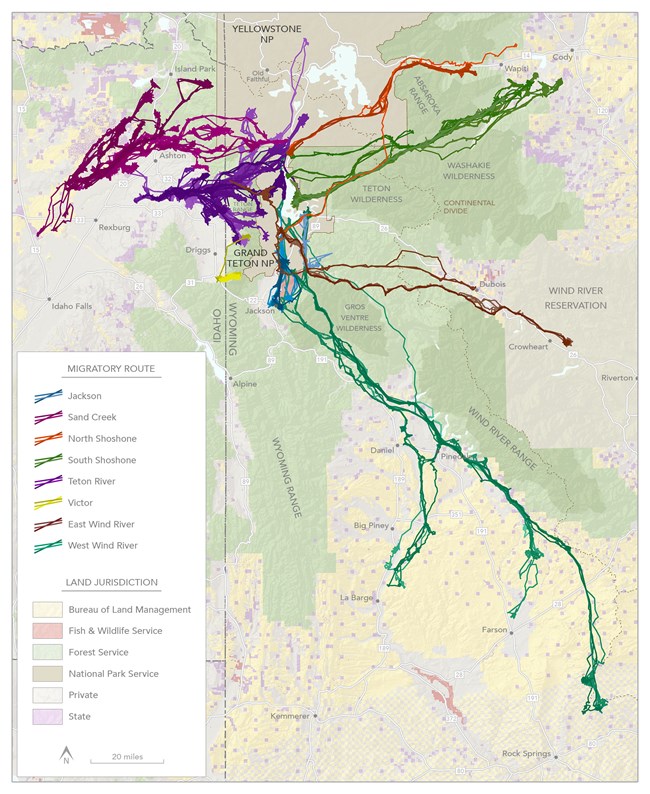
Mule deer in the Rocky Mountains travel between high mountain meadows and lower river valleys. Scientists have tracked migrations of over 50 miles, with deer following the same routes year after year.
How Migration Helps Deer Survive
Migration is not just about finding food. It also helps deer avoid predators and conserve energy. Thick forests and brush offer shelter from cold winds and make it harder for wolves or coyotes to hunt them. By gathering in groups, deer can also keep trails open in deep snow, making it easier for the whole herd to move and feed.
Not All Deer Migrate
Many deer populations, especially in the southern United States, do not migrate at all. Mild winters mean there is enough food and shelter nearby. Even in the North, some deer choose to stay, especially if they live near farms or towns where people feed them or where crops are available.
This non-migratory behavior is more common today than in the past, because development and climate change have made winters less severe in some regions.
Common Myths And Surprising Facts
People often think all deer disappear in winter because they migrate far away. In reality, most deer are simply less active during the day. They hide in thick cover, move at night, and leave fewer tracks as snow covers the ground.
Here are two non-obvious insights many beginners miss:
- Not all deer in the same herd migrate. Some stay, some leave. This means you might still see a few deer in winter, even in areas where most have moved.
- Deer migration routes are learned, not instinctive. Fawns learn from their mothers. If migration routes are blocked by roads or fences, young deer may never migrate at all.
Human Impact On Deer Migration
Modern life has changed deer migration patterns. Roads, cities, and fences can block ancient routes. Some deer are forced to stay in poor winter habitat. Others adapt, feeding in suburban yards or along highways.
Wildlife managers now build special wildlife corridors to help deer and other animals move safely. These corridors are strips of forest or bridges over highways that connect summer and winter ranges.
Data: Deer Migration Distances
Here’s a comparison of migration distances for two common North American deer species:
| Species | Average Migration Distance | Maximum Recorded Distance |
|---|---|---|
| White-tailed deer | 5-15 miles | Up to 30 miles |
| Mule deer | 10-25 miles | Over 50 miles |

Comparing Deer Behavior By Region
Winter survival strategies change depending on geography:
| Region | Migration Tendency | Main Survival Strategy |
|---|---|---|
| Northern US/Canada | Common | Migrate to deer yards, group together |
| Western mountains | Very common | Long-distance elevation migration |
| Southern US | Rare | Stay year-round, use local cover |
Key Signs Of Winter Deer Migration
If you want to spot deer migration, look for these signs:
- Well-worn trails in snow leading to valleys or forests
- Groups of deer in evergreen thickets
- Fewer deer in open fields or hilltops
Wildlife researchers use GPS collars to track these movements and help protect important migration routes.
How To Help Deer In Winter
If you live in deer country, you can support migrating deer by:
- Keeping dogs on leashes near winter cover
- Not blocking forest corridors with fences or buildings
- Not feeding wild deer (which can spread disease and attract predators)
Preserving natural forests and creating safe passages across roads are the best ways to help deer survive winter.
Frequently Asked Questions
Do All Deer Migrate In Winter?
No, not all deer migrate. Migration depends on snow, food, and climate. In mild areas, most deer stay in the same place year-round.
How Far Do Deer Travel When They Migrate?
White-tailed deer may travel 5 to 30 miles, while mule deer can travel over 50 miles. The distance depends on geography and weather.
What Is A Deer Yard?
A deer yard is a winter gathering place in dense forest where many deer group together for shelter and food. These are common in northern states.
Can Humans See Deer Migration?
Yes, in some areas, you can see groups of deer moving along old trails, especially after heavy snow. Wildlife cameras and GPS collars also help scientists study migration.
Where Can I Learn More About Deer Migration?
You can find more information at the White-tailed Deer Wikipedia page, which includes links to scientific studies and wildlife agencies.
Understanding deer migration is more than just a nature mystery—it’s a way to see how animals adapt to survive. By protecting their routes and habitats, people can help ensure that these quiet journeys continue each winter. Whether you’re a hunter, a hiker, or just a curious observer, watching deer in winter reveals the hidden side of the wild world right outside your door.

