Do Deer Live In Canada?
Canada is famous for its wild forests, vast landscapes, and rich wildlife. Many people wonder if deer call Canada home. The answer is yes—Canada is one of the best places in the world to see different types of deer. These beautiful animals are found from coast to coast, surviving in icy winters and enjoying warm summers. But where exactly do they live, and how do they adapt to such a wide range of environments? Let’s explore the presence of deer in Canada, the types you can find, where they roam, and how they interact with their surroundings.
Types Of Deer Found In Canada
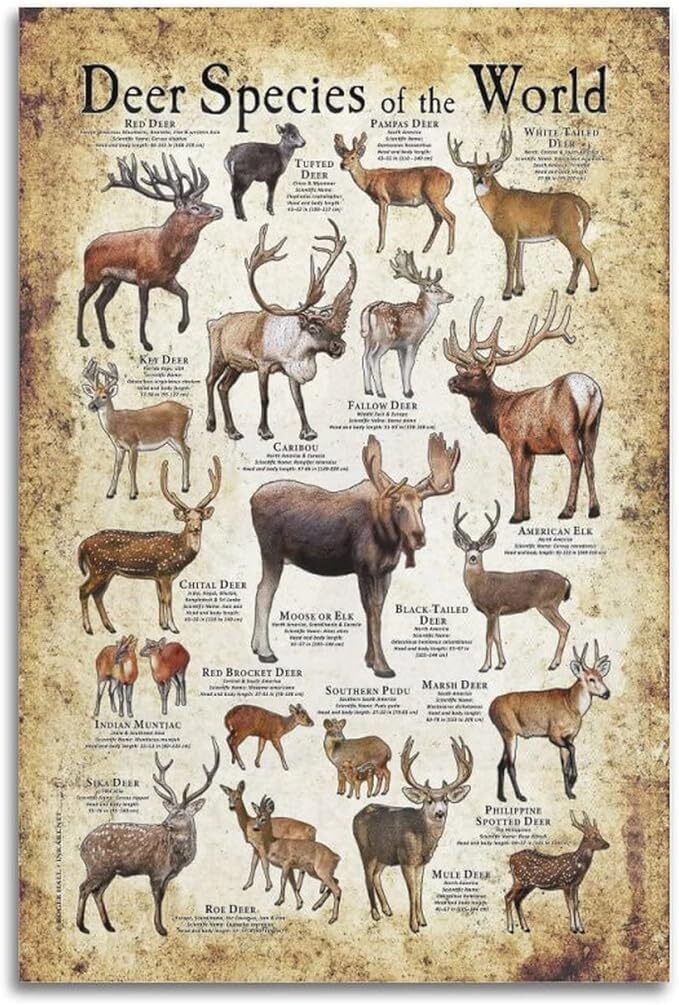
When people think of deer, they often imagine just one kind. In fact, Canada is home to several deer species, each with its own habits and favorite places to live.
| Species | Main Regions | Key Features |
|---|---|---|
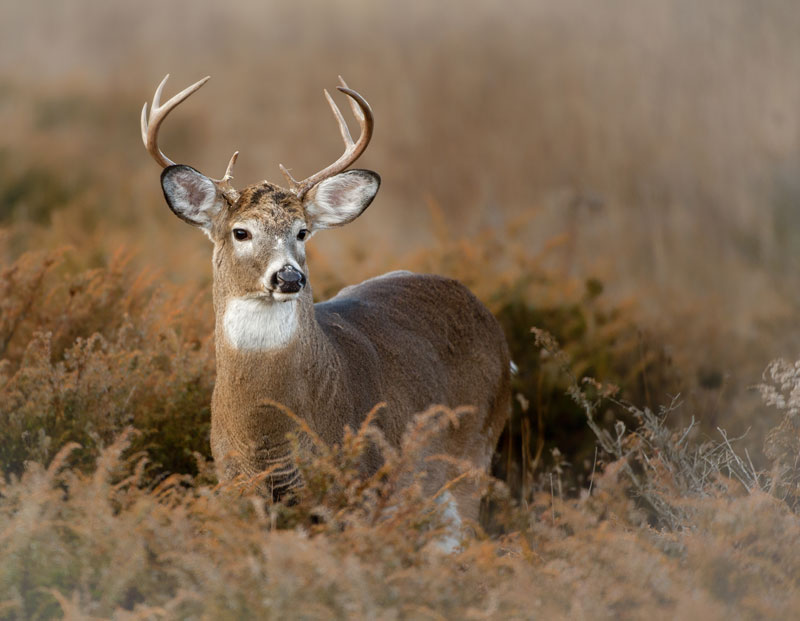
| White-tailed Deer | Southern Canada, Eastern forests, Prairies | White tail, adaptable, common in cities |
| Mule Deer | Western provinces, Rocky Mountains | Large ears, black-tipped tail, prefers open areas |
| Caribou (Reindeer) | North, Boreal forests, Tundra | Both sexes have antlers, migratory |
| Moose | Across Canada, especially in forests | Largest deer, broad antlers, likes wetlands |
It’s important to note that moose and caribou are both part of the deer family. They might look different, but they share key traits with smaller deer like the white-tailed and mule deer.
Where Do Deer Live In Canada?
Deer are highly adaptable. They can be found in many habitats across Canada.
- Forests: Most deer prefer forests for shelter and food. White-tailed deer love mixed woodlands, while moose prefer dense forests near lakes and streams.
- Prairies: Mule deer are often seen in grasslands and open areas, especially in Alberta and Saskatchewan.
- Cities and Suburbs: White-tailed deer are known for living close to humans. You might see them in city parks or even backyards.
- Northern Tundra: Caribou live in the cold north. They travel huge distances across the tundra and forests.
Here’s a comparison of how common each deer is in different parts of Canada:
| Region | White-tailed Deer | Mule Deer | Moose | Caribou |
|---|---|---|---|---|
| Atlantic Provinces | Common | Rare | Present | Rare |
| Central Canada | Very common | Rare | Common | Rare |
| Western Canada | Common | Very common | Common | Occasional |
| Northern Canada | Rare | Rare | Present | Very common |
How Do Deer Survive Canadian Winters?
Surviving a Canadian winter is not easy, but deer have special ways to live through the cold.
- Thick fur: As winter comes, deer grow a thicker coat to stay warm.
- Fat reserves: They eat more in summer and fall, building up fat for the winter months.
- Less movement: In deep snow, deer move less to save energy.
- Finding shelter: They rest in dense forests or areas protected from the wind.
A common mistake people make is thinking deer hibernate. In fact, deer stay active all winter, always searching for food.
What Do Deer Eat In Canada?
Deer are herbivores, which means they only eat plants. Their diet changes with the seasons.
- Spring and summer: Fresh leaves, grass, wildflowers, and farm crops.
- Fall: Acorns, berries, and mushrooms.
- Winter: Twigs, tree bark, and dry leaves.
Moose and caribou eat more woody plants and lichens, which help them survive where food is scarce.

Deer And People: Living Side By Side
Canada’s deer often live close to people. In some cities, deer walk through neighborhoods. While seeing deer is exciting, it can also cause problems.
- Car accidents: Collisions between cars and deer are common, especially at dawn and dusk.
- Garden damage: Deer eat flowers and vegetables, sometimes destroying gardens.
- Disease: Deer can carry ticks, which sometimes spread Lyme disease.
However, deer are also important for wildlife watchers and hunters. They help support local economies, especially in rural areas.
How Many Deer Live In Canada?
Estimates show that Canada has millions of deer. The numbers change each year, but here’s a look at average populations:
| Deer Species | Estimated Population |
|---|---|
| White-tailed Deer | 2 million+ |
| Mule Deer | 400,000+ |
| Moose | 900,000+ |
| Caribou | 800,000+ |
These numbers can go up or down depending on food, weather, and hunting.
Conservation And Threats
Some deer in Canada are doing very well, but others face serious threats.
- Habitat loss: Cutting down forests or building roads reduces the places deer can live.
- Climate change: Warmer winters change the food supply and make it easier for ticks and diseases to spread.
- Hunting: Most hunting is controlled, but illegal hunting can harm deer populations.
- Predators: Wolves, bears, and cougars hunt deer. In some areas, too many predators can cause deer numbers to drop.
The caribou, for example, is now a threatened species in many parts of Canada. Efforts to protect their habitat are ongoing. If you want to learn more about conservation, the Wikipedia page on deer offers more details.
Non-obvious Insights About Deer In Canada
Many people are surprised to learn:
- Urban deer populations are rising. In some cities, deer numbers are higher than in nearby forests. This is because cities provide food (gardens, parks) and fewer predators.
- Caribou are the only deer species where both males and females grow antlers. Most other deer species have antlers only on males.
- Deer migration patterns are changing. Climate change is causing some deer, especially caribou, to change their migration routes, which confuses scientists and affects Indigenous hunters.
Frequently Asked Questions
How Many Types Of Deer Live In Canada?
Canada has four main deer species: white-tailed deer, mule deer, moose, and caribou. Each lives in different parts of the country and has unique features.
Where Is The Best Place To See Deer In Canada?
White-tailed deer are easy to see in southern Canada, especially in Ontario and Quebec. For moose, national parks in Newfoundland and Alberta are good spots. Caribou are mostly in the north, while mule deer are common in British Columbia and Alberta.
Do Deer In Canada Attack People?
Deer are usually shy and avoid humans. However, a moose can become aggressive if it feels threatened, especially during the mating season or if it has a calf. Always keep a safe distance.
Are Deer Populations In Canada Increasing Or Decreasing?
It depends on the species. White-tailed deer and mule deer populations are stable or rising in most areas. Caribou numbers are falling due to habitat loss and climate change. Moose populations vary by region.
What Should I Do If I See A Deer While Driving?
Slow down and stay alert, especially at dawn or dusk. If a deer crosses the road, watch for others, as they often travel in groups. Use your horn to warn deer, and brake rather than swerve to avoid a collision.
Deer are a vital part of Canada’s natural landscape. Whether you see them in the wild or in your backyard, these animals show just how rich and diverse Canada’s wildlife truly is.

