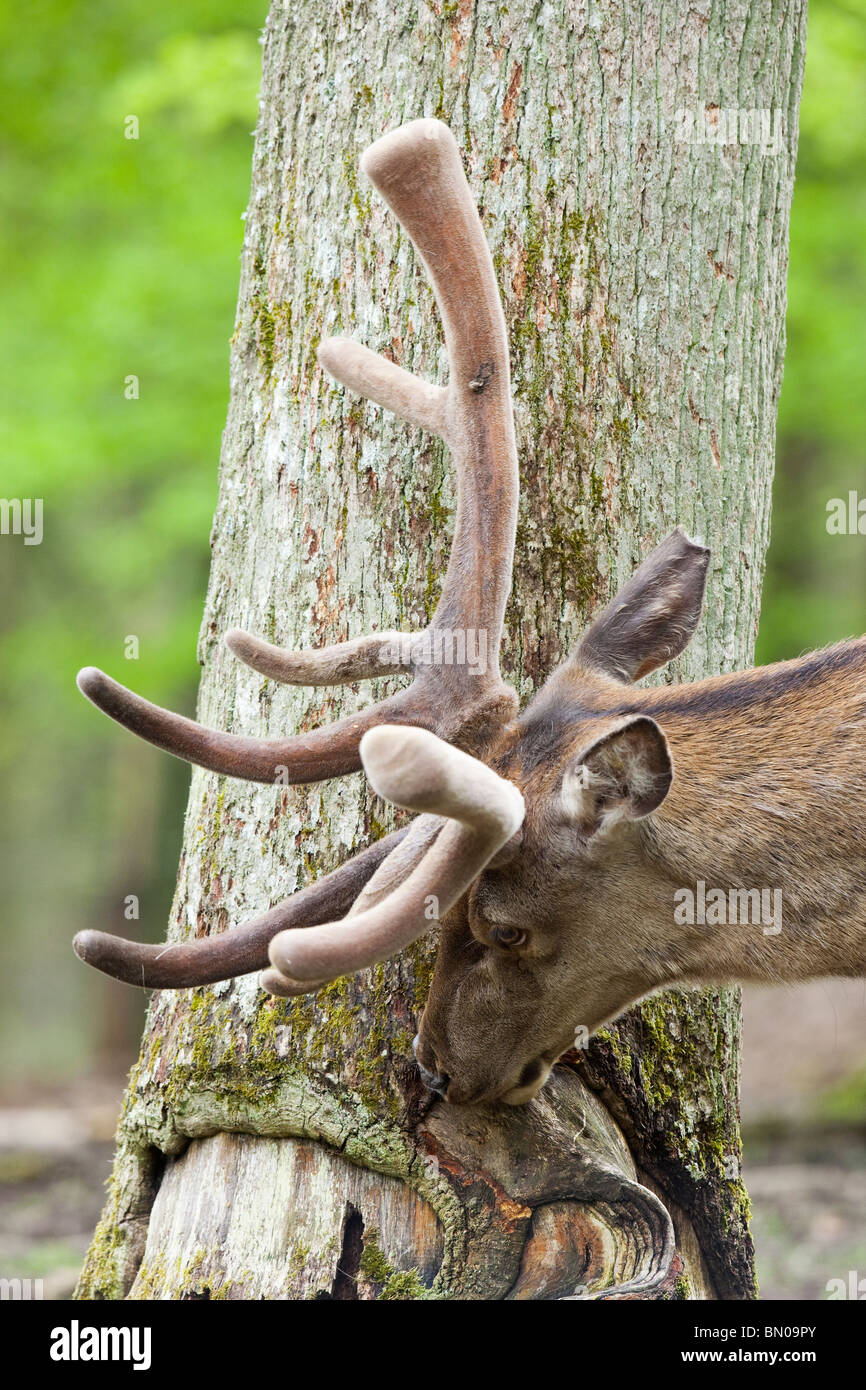
Deer are graceful animals often seen in forests, fields, and even suburban yards. Many people notice the damage deer can cause to trees and wonder, do deer eat bark? The answer is yes, but the reasons and effects go deeper than you might expect.
Understanding why deer eat bark, which trees are most at risk, and what this behavior means for landscapes can help landowners, gardeners, and nature lovers protect their trees and appreciate deer in a new way.
Why Do Deer Eat Bark?
Deer are herbivores. They eat a wide range of plants, including leaves, twigs, fruits, and grasses. But during certain times of the year, especially in winter, deer eat bark. This usually happens when their preferred foods are not available. Snow covers grass and leaves, or harsh weather reduces the food supply.
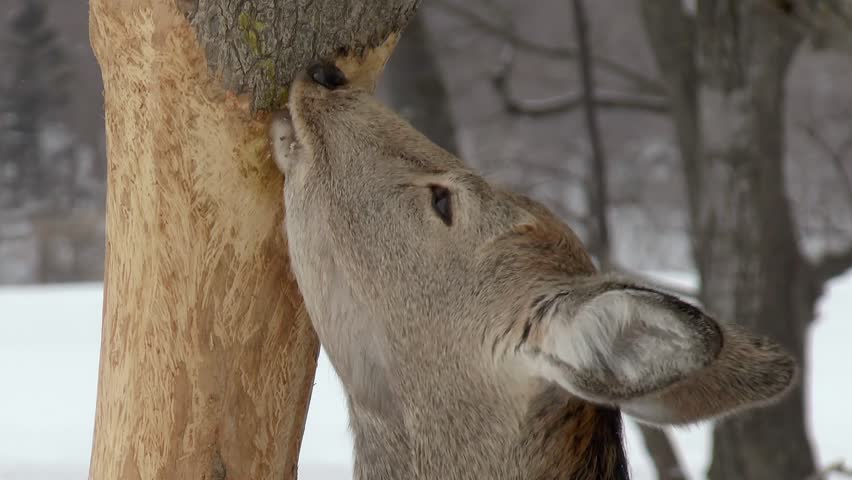
Bark provides energy and nutrients, but it is not a deer’s first choice. Eating bark is a survival strategy. The soft inner layer, called the cambium, is rich in sugars and nutrients. When deer peel bark away with their teeth, they are after this nutritious layer.
Which Trees Are Most At Risk?
Not all trees attract deer equally. Some species are more likely to be eaten because their bark is thinner, softer, or tastier. Trees most at risk include:
- Maple: Red and sugar maples have softer bark and are often targeted.
- Apple: Both wild and cultivated apple trees suffer from bark stripping.
- Aspen: Deer find aspen bark easy to chew, especially young trees.
- Willow: Soft bark and high moisture make willows a favorite.
- Dogwood: Thin bark is vulnerable, especially in winter.
- Birch: Young birch trees are sometimes stripped by deer.
- Pine: Certain pines, especially young ones, can be damaged.
Older, thick-barked trees are less affected. Deer often attack young saplings or ornamental trees, which can die if the bark is stripped all the way around.
How And When Do Deer Eat Bark?
Deer use their sharp lower front teeth and hard upper gums to pull and tear bark. This usually leaves ragged strips hanging from the trunk or branches.
The most common time for bark eating is late fall through early spring. During these months:
- Snow covers ground food.
- New shoots and leaves are not available.
- Deer energy needs are high.
Sometimes, heavy deer populations mean more competition, and even less-preferred trees get damaged.
Effects Of Bark Eating On Trees
When deer eat bark, they do not just cause cosmetic damage. The effects can be serious:
- Girdling: If bark is eaten all the way around a trunk or branch, this is called girdling. The tree can no longer move water and nutrients, and the part above the wound often dies.
- Infection risk: Open wounds allow fungi, bacteria, and insects to enter.
- Stunted growth: Even partial damage can slow growth, especially in young trees.
- Death: Saplings and small trees can die from severe bark loss.
Here’s a simple comparison of tree risk by age:
| Tree Age | Risk of Bark Damage | Chance of Recovery |
|---|---|---|
| Seedling (1-3 years) | Very High | Low |
| Young (4-10 years) | High | Medium |
| Mature (10+ years) | Low | High |
Signs Of Deer Bark Damage
You can spot deer bark damage by looking for:
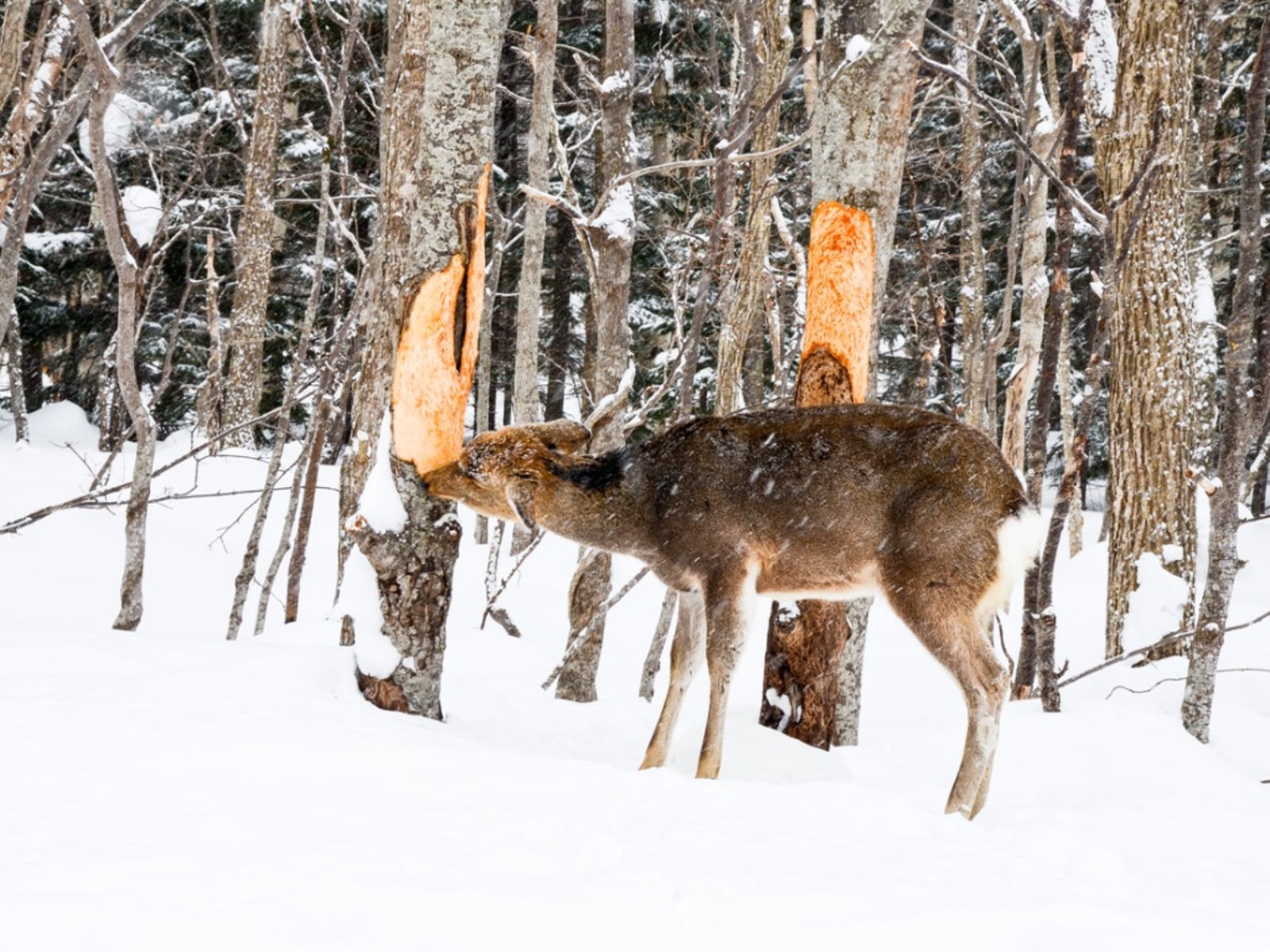
- Vertical, ragged strips of missing bark
- Teeth marks or grooves in the wood
- Bark missing only as high as a deer can reach (about 4 feet)
- Twigs and buds also clipped nearby
Other animals, like rabbits or rodents, may also eat bark. Deer damage is usually higher off the ground and less neat.
How To Protect Trees From Deer
If you live in an area with deer, you can take steps to protect your trees:
- Physical barriers: Wrap trunks with plastic tree guards or hardware cloth (at least 4 feet tall).
- Fencing: A tall fence (7-8 feet) around the whole area is most effective but can be costly.
- Repellents: Sprays made from bitter or spicy ingredients can help, but must be reapplied after rain or snow.
- Choose less-attractive species: Planting trees deer do not prefer can reduce risk.
- Remove fallen branches and brush: This makes it harder for deer to hide and feed.
Here’s a quick side-by-side look at methods:
| Method | Effectiveness | Cost | Labor |
|---|---|---|---|
| Tree Guards | High | Low | Low |
| Fencing | Very High | High | Medium |
| Repellents | Medium | Medium | High |
| Plant Selection | Medium | Variable | Low |
Why Bark Eating Is More Common Than You Think
Many people believe deer only eat bark in harsh winters. But in areas with large deer populations, competition for food makes this behavior more common. Even in milder winters, you may see bark damage if too many deer live in a small area.
Also, if natural predators are missing, deer numbers rise and food shortages happen more often. This increases the chance they will turn to bark.
A key insight: Deer may return to the same tree for several winters. Once they start eating the bark of a particular tree, they remember the spot and come back.
The Impact On Forests And Landscapes
Bark eating by deer is not just a problem for gardeners. It can change the structure of forests:
- Loss of young trees: Fewer young trees survive, which means fewer mature trees in the future.
- Change in tree types: Trees less favored by deer may become more common.
- Wildlife effects: Animals that need thick undergrowth or specific trees may lose habitat.
In city parks and home gardens, valuable ornamentals can be lost. Some nurseries report losing up to 50% of young trees from deer bark damage in bad years.
Deer Bark Eating: A Natural Behavior
While bark eating can be frustrating, it is a natural deer behavior. In their natural range, deer populations are balanced by food supply and predators. Human changes—like removing predators or planting tasty trees—can make the problem worse.
If you have deer nearby, try to enjoy watching them, but take steps to protect your important trees. Over time, both deer and trees can share the landscape with a little planning.
Frequently Asked Questions
Why Do Deer Eat Bark When There Is Snow?
Deer turn to bark in winter because snow covers grass, leaves, and other food. Bark is one of the few remaining sources of nutrients when other foods are hard to find.
Is It Safe To Eat Deer That Have Been Eating Bark?
Yes, deer that eat bark are safe for humans to eat. The bark diet does not make their meat unsafe. However, the deer may be thinner and less healthy if food is scarce.
Can Trees Recover After Deer Eat Their Bark?
It depends on the damage. If only a small strip is removed, trees may heal. But if the bark is stripped all the way around (girdled), most trees will die above the wound.
Do All Types Of Deer Eat Bark?
Most North American deer, like white-tailed deer and mule deer, will eat bark if they are hungry enough. The behavior is common in areas with cold winters or high deer populations.
How Can I Tell Deer Damage From Rabbit Or Rodent Damage?
Deer usually strip bark higher off the ground (up to 4 feet) and leave ragged edges. Rabbits and rodents chew lower and often leave clean, small teeth marks.
For more details about deer diet and behavior, you can visit the Wikipedia page on deer.
Understanding why deer eat bark helps you protect your trees and appreciate the balance of nature. With simple steps, you can enjoy healthy trees and the presence of these beautiful animals on your land.