
Opera glasses often appear in classic films and images of grand theaters, but are they still useful today? Many people wonder if these small binoculars are practical for modern theater and concert experiences, or if they are just an old-fashioned accessory.
With large venues and distant seats, it’s not always easy to see the performers’ faces or the details of a stage set. Opera glasses might be the answer, but it’s important to know how well they work and what to expect.
Understanding the true value of opera glasses for theater and concerts requires looking at how they function, their differences from regular binoculars, and what practical benefits they offer. Not all viewing tools are suitable for indoor events, and some can even ruin the experience if chosen poorly.
If you’re considering bringing opera glasses to your next show or concert, this guide will help you decide if they’re the right choice for you.
What Are Opera Glasses?
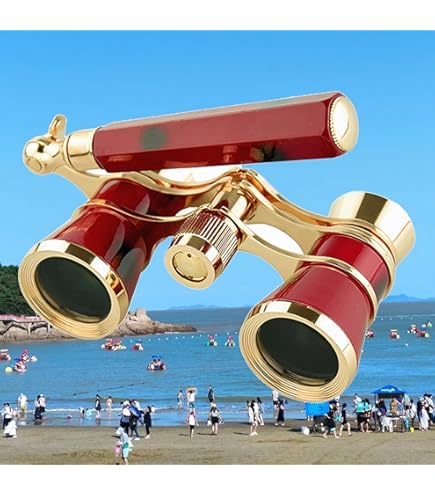
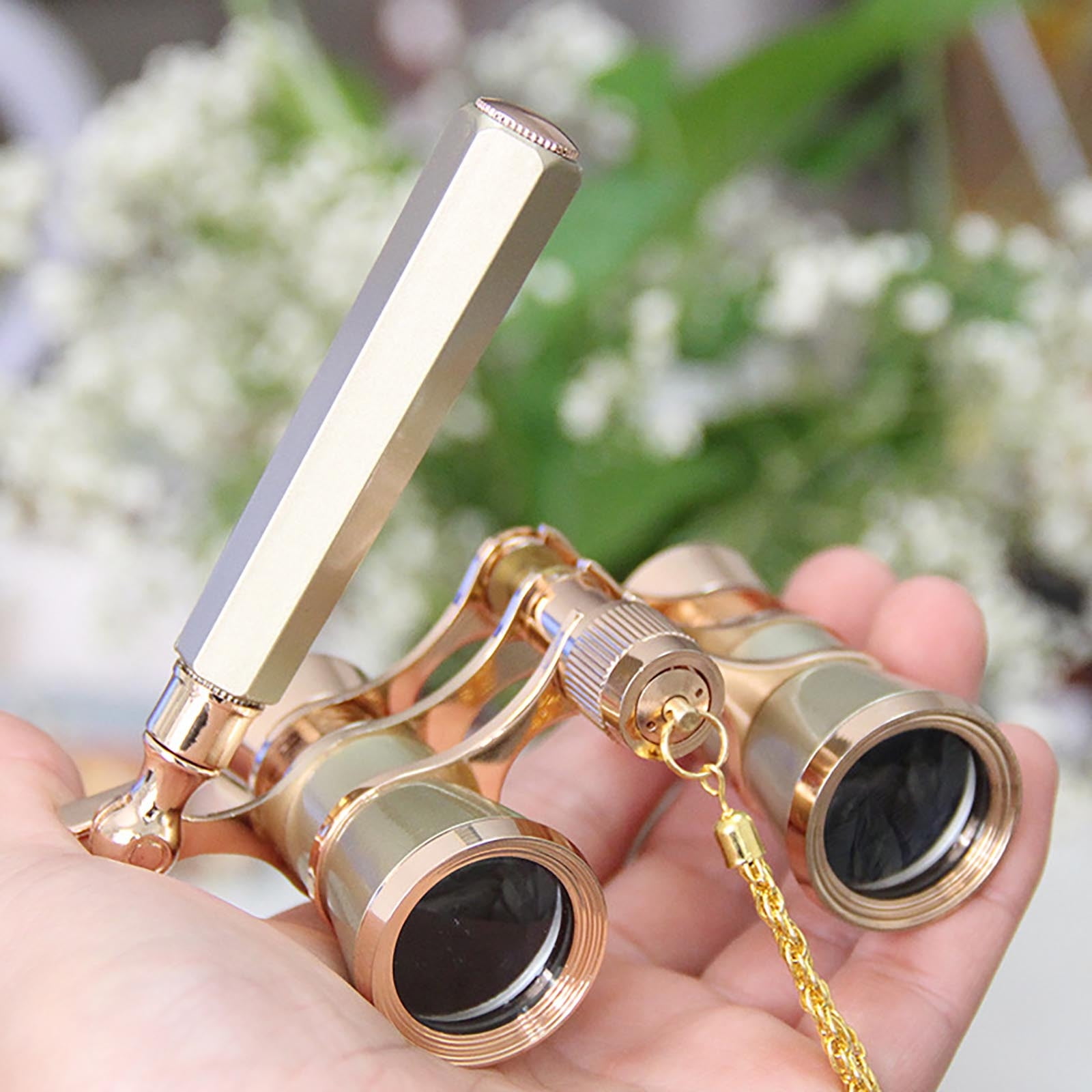
Opera glasses are small, low-power binoculars designed for indoor use. They usually offer a magnification of about 2.5x to 4x, which is enough to bring the stage closer without making the image shaky or too narrow. Unlike larger binoculars, opera glasses are lightweight, compact, and often foldable. Many are made with elegant designs, sometimes decorated with gold, silver, or even mother-of-pearl to match formal settings.
Opera glasses first became popular in the 1800s, especially in Europe. People wanted to see the expressions of actors and singers, even from the back rows. The design has changed little over time, mainly because the simple mechanics do the job well.
Today, you can find both classic and modern styles, including some with built-in LED lights.
How Opera Glasses Work In Theaters
The main reason people use opera glasses at theater performances is to see more detail. When you sit far from the stage, faces and gestures can be hard to see. Opera glasses make it possible to watch the actors’ expressions, costumes, and stage effects up close.
Because opera glasses have a wide field of view, you can follow movement across the stage without losing the bigger picture. Their low magnification means your hands won’t need to be perfectly steady. Even after using them for a long time, your eyes and arms won’t feel tired.
Another benefit is that opera glasses are usually small enough to fit in a pocket or purse. This makes them convenient to carry and use when needed, then put away when you want to see the full stage without magnification.
Are Opera Glasses Good For Concerts?
Concerts can be very different from theater performances. Orchestras, operas, ballets, and pop or rock concerts each have their own challenges. Opera glasses can help at many concerts, but their usefulness depends on the type of event and your seat location.
In classical concerts and opera performances, seeing the musicians, conductor, or singers’ faces adds to the enjoyment. Opera glasses are perfect for these settings, especially if the venue is large and you are seated far from the stage.
At pop or rock concerts, the lighting and movement can make opera glasses less effective. Fast-moving performers and flashing lights can be hard to follow with low-power magnification. However, if you want to focus on a specific musician or see the details of costumes and stage design, opera glasses can still improve your experience.
Opera Glasses Vs. Regular Binoculars
Some people think they can just bring their regular binoculars to a theater or concert, but this often leads to disappointment. Opera glasses are designed for indoor use, while regular binoculars are usually made for outdoor activities like birdwatching or sports.
Here’s a direct comparison to show why opera glasses are better for theaters:
| Feature | Opera Glasses | Regular Binoculars |
|---|---|---|
| Magnification | 2.5x – 4x | 8x – 12x |
| Field of View | Wide | Narrow |
| Size & Weight | Small & light | Large & heavy |
| Design | Elegant, compact | Rugged, practical |
| Best Use | Theater, indoor concerts | Sports, birdwatching |
The high magnification of regular binoculars makes the image shaky and hard to focus indoors. They also block out more of the stage, so you miss the overall view. Many venues do not allow large binoculars because they can disturb other guests.
Practical Benefits Of Opera Glasses
Opera glasses offer several benefits that make them a smart choice for many theater and concert-goers:
- Better detail: See actors’ faces, costumes, and set design clearly, even from the back rows.
- More enjoyment: Watching expressions and gestures up close makes the story or music more powerful.
- Comfort: Lightweight and easy to hold, so you can use them for a long time without fatigue.
- Discreet: Small size means you won’t block anyone’s view or draw attention to yourself.
- Easy to carry: Many models fit in a pocket or small bag, making them practical for travel or quick use.
When To Use Opera Glasses
Opera glasses are not needed for every seat or performance. Here’s when they are most helpful:
- Back or balcony seats: The further you are from the stage, the more you benefit.
- Large venues: Big theaters and concert halls make details hard to see.
- Detailed productions: Shows with complex costumes or subtle acting are best viewed up close.
- Personal interest: If you love watching the musicians’ hands, the singers’ faces, or the conductor’s movements, opera glasses make a difference.
However, if you are sitting near the stage or watching a high-energy show where performers move quickly, you might not need or want to use them often.
Choosing The Right Opera Glasses
Not all opera glasses are equal. Here are key factors to consider when buying:
Magnification
The best magnification for opera glasses is between 2.5x and 4x. Higher magnification makes the image shaky and the field of view too narrow. Lower magnification does not bring enough detail.
Lens Quality
Clear lenses give you a brighter, sharper image. Look for coated optics, which reduce glare and improve brightness—important in low-light theaters.
Focus Type
Some opera glasses have a central focusing wheel, while others are “focus-free.” Focus-free models are easy to use, but may not be sharp for all users or distances. If you wear glasses, choose a model with adjustable focus.
Size And Weight
Pick a pair that is comfortable to hold for several minutes. Most opera glasses weigh less than 200 grams, and some fold for easy storage.
Design
Classic opera glasses come in gold, silver, or black, often with a handle or chain. Modern ones are plainer but may be lighter and more durable. Choose a style that matches your taste and wardrobe.
Here’s a quick look at the main buying factors:
| Feature | Why it Matters |
|---|---|
| Magnification | Affects detail and comfort |
| Lens Coating | Brighter, clearer view |
| Focus Type | Ease of use and sharpness |
| Weight | Long-term comfort |
| Design | Style and practicality |
Common Mistakes When Using Opera Glasses
Even simple tools like opera glasses can cause problems if used incorrectly. Here are mistakes to avoid:
- Choosing too much magnification: Many first-time buyers think higher is better, but anything above 4x is hard to use indoors.
- Bringing large binoculars: Big binoculars block other people’s view and are not allowed in many venues.
- Not adjusting the focus: If your opera glasses have a focus wheel, use it to sharpen the image for your eyesight.
- Using them in low seats: If you’re close to the stage, opera glasses may not help and can even limit your view.
- Disturbing others: Avoid sudden movements or blocking someone’s sightline, especially in dark theaters.

Etiquette For Opera Glasses At Events
Using opera glasses is easy, but being polite is important. Here are some tips for good etiquette:
- Use them quietly: Lift and lower them gently, without sudden movements.
- Don’t block others: Stay aware of people behind you. Keep your hands and glasses out of their line of sight.
- No bright lights: Avoid using models with built-in lights during performances, as this can distract others.
- Put them away when not needed: Don’t keep opera glasses raised the entire show. Use them only to catch details, then enjoy the wider view.
Real-world Examples
Opera glasses are still used in famous venues like The Metropolitan Opera in New York and La Scala in Milan. Some theaters even rent them out for a small fee. For example, the Royal Opera House in London offers opera glasses for around £1, making them accessible for everyone.
A concert-goer at a symphony hall shared that opera glasses let her see the pianist’s hand movements, which she could never see from her balcony seat. Another theater lover mentioned that small details in the actors’ makeup and costumes became clear, adding a new layer to the performance.
Data On Opera Glasses Usage
A recent survey among theater-goers found:
- About 30% of regular theater visitors have used opera glasses.
- Of those, 80% said they enjoyed performances more with opera glasses.
- 60% of first-time users said they would use them again.
This shows that while not everyone uses opera glasses, those who do find them valuable.
Opera Glasses And Modern Technology
With the rise of giant screens and high-definition projections in some venues, do opera glasses still matter? Yes, for many people. Screens show a director’s chosen view, but opera glasses let you focus on what interests you. You can follow your favorite performer or see a detail the camera doesn’t capture.
Some companies have developed digital opera glasses, but most people still prefer traditional ones for their simplicity and style.
Where To Buy Or Rent Opera Glasses
Opera glasses are available in most large theater gift shops and online. Prices start from $15 for basic models and can go up to several hundred dollars for luxury versions. Renting is also an option at some venues, especially in Europe.
If you want to try before buying, ask at the theater’s ticket or information desk.
Frequently Asked Questions
Can I Bring My Own Opera Glasses To Any Theater Or Concert?
Most theaters and concert halls allow you to bring personal opera glasses. However, large binoculars may be restricted. Always check the venue’s policy before your visit.
What Magnification Is Best For Theater Use?
The ideal magnification is 2.5x to 4x. This range offers a good balance between detail and comfort, and keeps the image steady.
Do Opera Glasses Work For People Who Wear Prescription Glasses?
Yes, but choose a model with a focus wheel or adjustable eyecups. Some models are designed for use without glasses, so test them first if possible.
Are There Any Alternatives To Opera Glasses?
Some people use compact, low-power binoculars or even smartphone zoom. However, opera glasses are designed specifically for indoor venues and are less likely to disturb others.
Where Can I Learn More About The History Of Opera Glasses?
For more historical details, visit the Wikipedia page on Opera Glasses.
Opera glasses remain a practical and stylish choice for theater and concert lovers. They let you see the magic of live performances in detail, turning a distant seat into a front-row experience. Whether you attend once a year or every week, a good pair of opera glasses can make every show more memorable.

