
Can Night Vision Goggles Be Used For Security Purposes?
When you think about night vision goggles, images of soldiers or spy movies might come to mind. But today, these high-tech tools are not just for the military. Security professionals, private companies, and even homeowners are starting to use night vision technology to keep people and property safe in the dark. As security threats do not stop when the sun goes down, many are asking: can night vision goggles really make a difference for security purposes? Let’s explore how this technology works, its strengths and limits, and what you should know before using it for security.
How Night Vision Goggles Work
Night vision goggles (NVGs) allow people to see in low-light or total darkness. They work by collecting tiny amounts of light, including infrared, and amplifying it so the dark scene becomes visible.
There are two main types of night vision:
- Image Intensification: These goggles use a special tube to multiply weak light thousands of times. The result is a green-tinted image you can see clearly at night. Most security NVGs use this method.
- Thermal Imaging: Instead of amplifying light, these goggles detect heat. Every person, animal, or object gives off heat, and thermal NVGs show this as a picture, often in shades of white, black, or colors.
Both types have their place in security, but image intensification is more common due to lower cost and the ability to see more detail.
Why Security Teams Use Night Vision Goggles
Security does not stop at sunset. Many threats, such as theft, vandalism, and trespassing, happen at night. Using night vision goggles gives security teams a real advantage.
Key Reasons
- Visibility in darkness: Security guards can see clearly at night without using visible lights that could give away their position.
- Improved response time: Spotting intruders early means faster action and better chances of stopping crime.
- Safer patrols: Guards can move safely in dark areas, reducing accidents.
- Evidence gathering: Sometimes, NVGs can help record or spot details that regular cameras miss.
Common Security Applications
Night vision goggles are not just for big companies or police. They have real uses in many security areas.
Private Security Firms
Many private security services use NVGs for nighttime patrols of warehouses, factories, or gated communities. These areas often have dark corners where criminals might hide. NVGs let guards check these spots without using flashlights.
Law Enforcement
Police use night vision for surveillance, search and rescue, and chasing suspects in dark areas. For example, a police team searching for a missing person at night can move faster and safer with NVGs.
Home Security
Some wealthy homeowners or those living in rural areas use night vision as part of their home protection plan. While less common than cameras or alarms, NVGs can help during power outages or in large properties.
Border And Critical Infrastructure Protection
Night vision is also used to protect borders, power plants, airports, and other important sites. Security teams need to watch wide areas at night, and NVGs help them do this without lights that could make them a target.
Pros And Cons Of Night Vision Goggles For Security
Using night vision for security has many benefits, but it is not perfect. Understanding both sides helps you decide if this tool is right for your needs.
| Advantages | Disadvantages |
|---|---|
| See in total darkness | Expensive to buy and maintain |
| Stay hidden from intruders | Limited field of view |
| Detect threats earlier | Can be heavy or uncomfortable |
| Increase safety for security staff | Affected by weather (fog, rain) |
| Useful for evidence collection | Training required for best use |
Non-obvious Insights
- Battery life can be a hidden problem. Many NVGs last only a few hours, so security teams must plan for battery changes or backup power.
- Depth perception is often reduced, making it harder to judge distances or move quickly. This can slow down security guards during fast responses.
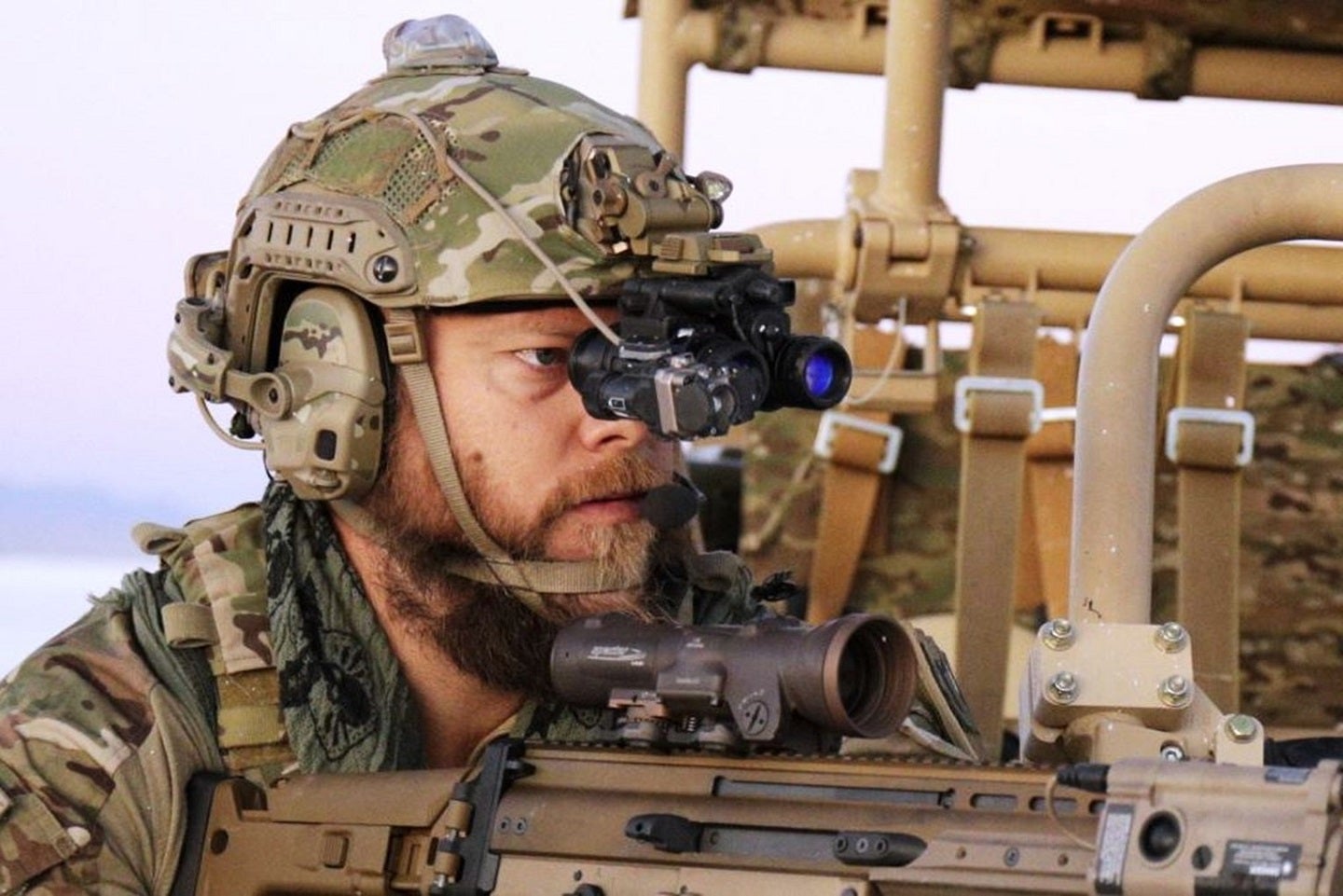
What To Consider When Choosing Night Vision Goggles For Security
Not all night vision goggles are the same. Picking the right one for security work needs careful thinking.
Key Factors
- Image Quality: Look for high resolution and clear images. Cheaper models may be blurry, which can be dangerous in a real security situation.
- Generation: NVGs are grouped by “generation” (Gen 1 to Gen 4). Higher generations mean better performance, longer life, but higher price. For most security uses, Gen 2 or Gen 3 is best.
- Field of View: A wider field means you see more area at once. Too narrow, and intruders can slip by unseen.
- Comfort and Weight: Security staff may wear NVGs for long shifts. Heavy or uncomfortable goggles can cause fatigue and reduce alertness.
- Durability: Security work can be rough. Look for water and shock-resistant models.
- Battery Life: Longer battery life means fewer changes and less risk of the goggles shutting down during an incident.
- Compatibility: Some NVGs can be attached to helmets or used with other devices like cameras or radios.
Here is a quick comparison of common generations used in security:
| Generation | Image Quality | Average Price | Best Use |
|---|---|---|---|
| Gen 1 | Basic | $300-$800 | Home, small site patrols |
| Gen 2 | Good | $1,000-$3,000 | Professional security |
| Gen 3 | Excellent | $3,000-$7,000 | Critical sites, law enforcement |
| Gen 4 | Best | $8,000+ | Military, special forces |
Common Mistakes When Buying
- Choosing the cheapest model: It might not be reliable enough for serious security work.
- Ignoring comfort: Heavy goggles can cause headaches or neck pain.
- Not checking local laws: Some countries or states have rules on buying or using NVGs for private security.
Comparing Night Vision Goggles To Other Security Tools
Night vision goggles are not the only way to see at night. Security teams also use infrared cameras, motion sensors, and bright lighting. How do NVGs compare?
| Tool | Advantages | Disadvantages |
|---|---|---|
| Night Vision Goggles | Portable, real-time view, stealthy | Limited range, user fatigue |
| Infrared Cameras | Records evidence, remote viewing | Fixed position, can be hacked |
| Motion Sensors | Automatic alerts | False alarms (animals, wind) |
| Security Lighting | Deters crime, helps cameras | Reveals guard positions, uses power |
Practical Example
A large company uses NVGs for their mobile patrol, security cameras for recording, and motion sensors for alerts. When a motion sensor is triggered, the patrolling guard uses NVGs to check the area without turning on lights or being seen.
Legal And Ethical Considerations
Using night vision is legal in many places, but not everywhere. Some countries or regions restrict who can own or use NVGs, especially high-end models. Always check local laws before buying or using night vision for security.
Security companies must also consider privacy. Using NVGs to look into private homes or areas without permission can break privacy laws and lead to lawsuits. It’s important to train staff on where and when NVGs can be used.
Training And Best Practices
Having night vision goggles is only half the story. Security teams must train to use them well.
Training Tips
- Practice in real conditions: Use NVGs during night patrols to learn how to move safely and see clearly.
- Learn to adjust quickly: Switching between dark and light areas can be hard. Training helps eyes adapt faster.
- Use with partners: Communicate with team members, as NVGs limit peripheral vision.
- Take care of gear: Clean lenses often, check batteries, and store goggles properly.
Insider Tip
Many new users forget to adjust the focus for their eyes, making images blurry. Spending a few minutes adjusting can make a big difference in what you see.
Future Trends In Night Vision For Security
Night vision technology is getting better every year. Newer goggles are lighter, have longer battery life, and show clearer images. Some even connect to smartphones or security systems, allowing guards to share what they see instantly.
Artificial intelligence (AI) is starting to help, too. AI software can scan night vision camera feeds and alert guards to suspicious movements, reducing human error.
When Night Vision Goggles Are Not Enough
Night vision is a powerful tool, but it should not replace all other security methods. NVGs work best as part of a larger security plan that includes cameras, alarms, and good training.
Some situations where NVGs alone are not enough:
- Large open areas: One person cannot watch everything, even with NVGs.
- Bad weather: Heavy rain, fog, or smoke can block night vision.
- Long shifts: Wearing goggles for hours can cause fatigue and mistakes.
Combining night vision with other tools gives the best protection.
Frequently Asked Questions
What Is The Difference Between Night Vision Goggles And Infrared Cameras?
Night vision goggles let a person see in the dark using weak light or infrared, showing a real-time image through the goggles. Infrared cameras record heat signatures and display them on a screen, often for later review. Both can be used for security, but goggles are portable while cameras are usually fixed.

Are Night Vision Goggles Legal For Private Security In All Countries?
No, laws vary by country and even by state or region. In some places, only police or military can use high-end NVGs. Always check your local rules before buying or using night vision for private security work.
How Far Can Night Vision Goggles See?
Most security-grade NVGs let you see clearly up to 200-300 meters in open areas. The exact distance depends on the model, the amount of natural light, and weather conditions. Cheaper models may only work well up to 100 meters.
Do Night Vision Goggles Work Through Windows?
Night vision goggles do not work well through glass. The glass often reflects infrared light, which can make the image blurry or show reflections instead of what’s outside. For best results, use NVGs outdoors or with open windows.
What Is The Best Generation Of Night Vision Goggles For Security?
For most security uses, Gen 2 or Gen 3 goggles provide a good balance of performance and price. Gen 1 is often too basic, while Gen 4 is usually overkill and very expensive, mostly used by the military. For more details on night vision generations, see this Wikipedia guide.
Security never stops, even after dark. Night vision goggles can give security teams a big advantage, letting them see what others cannot and respond faster to threats. But they are just one tool—choosing, using, and combining them with other security measures leads to the best protection.
With the right training and the right gear, night vision can truly make your property safer at night.


