
Can Night Vision Goggles Be Used During The Day?
Night vision goggles seem almost magical. They let you see in darkness, making the world visible when your eyes cannot. But what if you want to use them during the day? This question matters to many people—outdoor explorers, security workers, and even curious hobbyists.
The answer is more complex than a simple yes or no. Understanding how night vision technology works and its limits is key to using these devices safely and effectively.
Let’s explore if you can use night vision goggles in daylight, how different types respond, what risks exist, and what special options are available. By the end, you’ll know exactly when and how night vision goggles can be used—and when they shouldn’t.
How Night Vision Goggles Work
Night vision goggles use special technology to make dark scenes visible. There are two main ways they do this:
- Image Intensification: Most classic night vision goggles use this method. They collect tiny amounts of light (including infrared) and amplify it thousands of times. That’s why you see a green-tinted image—the technology works best with green phosphor screens.
- Thermal Imaging: Some goggles detect heat instead of light. Everything gives off heat, even at night. These goggles show images based on temperature differences, not light.
The main keyword here is low light. Classic night vision goggles are designed for darkness, not daylight. Too much light can damage them, which is why using them during the day is risky.
Types Of Night Vision Goggles And Their Daytime Use
Not all night vision goggles are the same. Their ability to handle daylight depends on their generation and technology. Here’s how they differ:
| Type | Can Be Used During Day? | Risks | Examples |
|---|---|---|---|
| Generation 1 (Gen 1) | No | Permanent damage to image intensifier | Soviet-era goggles, basic consumer models |
| Generation 2 & 3 (Gen 2/3) | No (unless specifically protected) | Expensive tube damage, warranty void | Military, law enforcement gear |
| Digital Night Vision | Yes | Possible sensor overexposure | Modern consumer devices |
| Thermal Imaging | Yes | Reduced image quality in bright sunlight | Hunting, search and rescue goggles |
Generation 1, 2, And 3 (analog)
Gen 1, Gen 2, and Gen 3 night vision goggles use image intensifier tubes. These are very sensitive to bright light. If you use them during the day, the internal components can burn out quickly—sometimes within seconds. Even short exposure to sunlight can cause black spots or total failure.
Digital Night Vision
Digital night vision goggles use sensors like those in cameras. They can handle daylight without damage, but image quality may drop in very bright conditions. Some models have automatic brightness control to protect the sensor.
Thermal Imaging
Thermal goggles do not rely on visible light at all. They are safe to use day or night. However, bright sunlight can make it harder to see differences in heat, reducing the level of detail.
Risks Of Using Night Vision Goggles In Daylight
Many beginners are surprised by how quickly expensive goggles can be ruined by sunlight. Here are the main risks:
- Permanent Damage: Traditional night vision tubes can be destroyed in less than a minute if exposed to daylight.
- Loss of Warranty: Manufacturers will not cover repairs if you use analog night vision goggles during the day.
- Burn-in Spots: Even a quick look at a bright object (like headlights or reflections) can leave black marks in the view.
- Reduced Image Quality: Digital and thermal goggles may not be damaged, but their clarity may drop.
Example
A wildlife photographer once used Gen 2 goggles to check his equipment in daylight, forgetting to cover the lenses. The image tube failed instantly—costing him over $2,000 for repairs. This is a common and expensive mistake.
When Is Daytime Use Possible?
Some night vision goggles are designed for both day and night. These are usually:
- Digital night vision goggles with auto-brightness and daylight filters.
- Thermal imaging goggles that do not rely on visible light.
But even with these, there are important limits:
- Digital night vision is safe to use during the day, but works best at dusk, dawn, or low light.
- Thermal imaging goggles work in all lighting but may struggle to show detail when everything is at a similar temperature, such as on hot afternoons.
Most analog night vision goggles should never be used in daylight unless they have a built-in lens cap or filter that blocks out intense light.
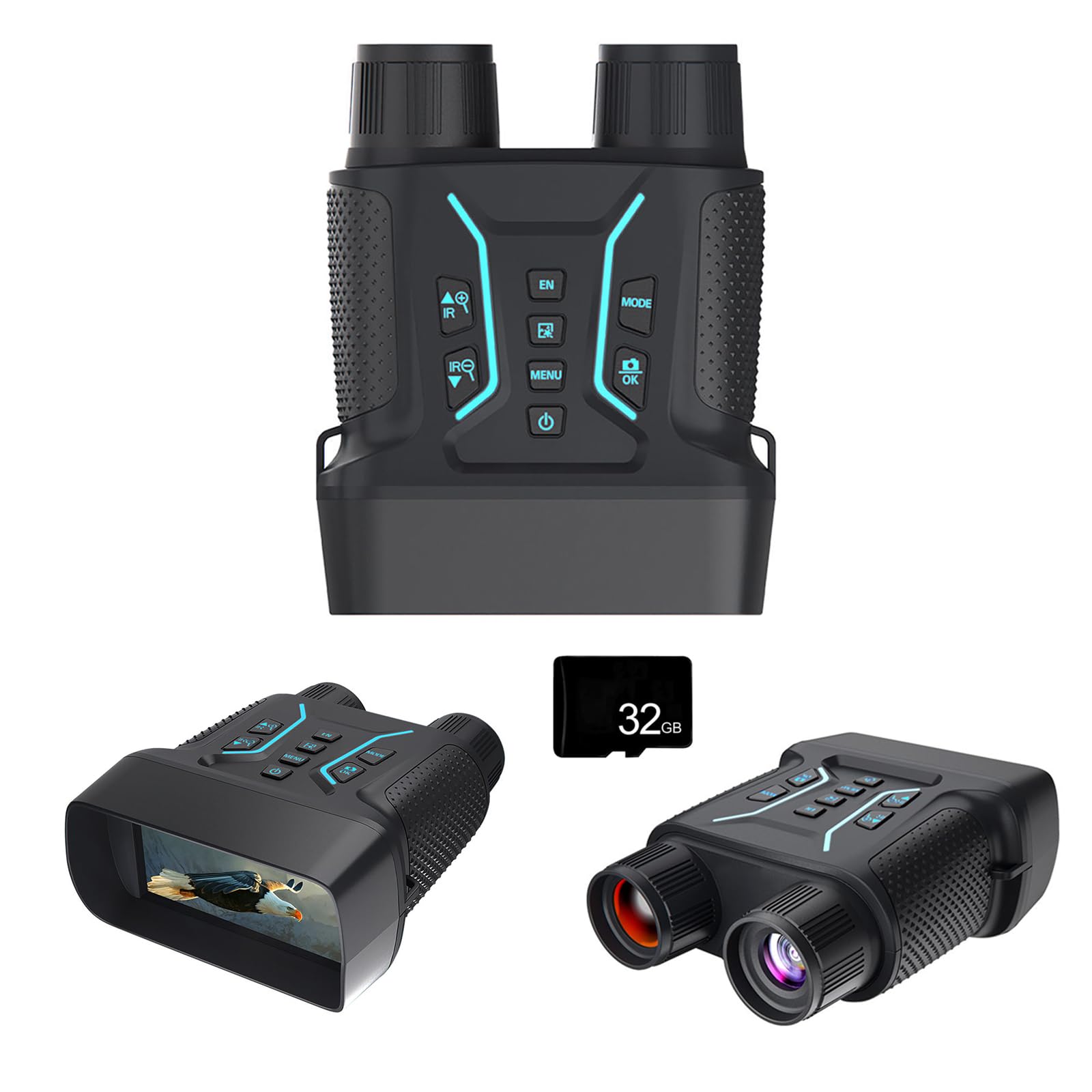
Special Day/night Devices
Some modern night vision goggles are marketed as “day/night capable.” These usually use digital sensors. They may include:
- Removable daylight filters that block harmful light.
- Automatic brightness adjustment to protect the device.
- Color display in daylight, switching to green-tinted or black/white at night.
| Feature | Daytime Use | Nighttime Use |
|---|---|---|
| Color display | Yes | No (usually green/monochrome) |
| Digital zoom | Yes | Yes (with some loss of quality) |
| Infrared illuminator | No effect | Needed for best results |
| Protective filters | Essential | Not needed |
When shopping, look for devices clearly labeled as “day/night” or “digital night vision. ” Always check the manual—some goggles look digital but still use sensitive tubes.
Practical Tips For Safe Use
If you want your night vision goggles to last, follow these practical steps:
- Never remove the lens cap in daylight (for analog models).
- Store goggles with lens caps on to avoid accidental exposure.
- If you must test analog goggles in daylight, use a pinhole cover or special daylight filter.
- Read the manual—manufacturers often include warnings about light damage.
- For digital or thermal models, avoid pointing at the sun or very bright lights.
- Let goggles cool down between uses, especially thermal ones, to prevent sensor overload.
Non-obvious Insight
Many users don’t realize that reflected light—such as sunlight bouncing off water or metal—can be just as dangerous as direct sunlight for analog night vision tubes. Always be aware of your environment, not just the time of day.
Another overlooked fact: Infrared illuminators are invisible to the eye but can be detected by some animals and cameras. Using them during the day offers no benefit and can drain batteries quickly.
Common Misconceptions
Let’s clear up some myths:
- “All night vision goggles are the same.” False. Technology varies widely.
- “You can use night vision goggles anytime.” Not with analog models—daylight destroys them.
- “Thermal goggles are just for the night.” They work any time, but performance changes in strong sunlight.
- “Lens caps alone protect against all light.” Only special pinhole or ND (neutral density) filters make daylight use safe for analog tubes.
When You Might Want Daytime Use
There are real reasons to want night vision goggles in the day:
- Surveillance: Watching hidden areas without being seen.
- Wildlife observation: Spotting animals hidden in brush.
- Search and rescue: Finding people using thermal imaging, even under trees or debris.
- Law enforcement: Detecting recently used vehicles or equipment by heat signature.
But for all these, you need the right technology—digital or thermal goggles, not classic analog night vision.

Choosing The Right Goggles For Your Needs
If you need goggles for both day and night, here’s what matters:
- Type of technology: Digital or thermal is safest for daytime.
- Budget: Digital night vision is usually cheaper than thermal imaging.
- Image quality: Thermal goggles can “see” through some smoke or fog, but details are lower.
- Weight and battery life: Day/night models may be heavier or use more power.
- Brand reputation: Some brands exaggerate “day/night” claims. Look for reviews and real-world tests.
| Feature | Digital Night Vision | Thermal Imaging |
|---|---|---|
| Daytime Safe | Yes | Yes |
| Image Quality (Day) | Good | Moderate |
| Image Quality (Night) | Good | Excellent for heat sources |
| Price | Lower | Higher |
| Detects Heat | No | Yes |
Legal And Safety Considerations
In some countries, using night vision goggles in public or during the day is restricted. Always check your local laws. Military-grade equipment is sometimes banned for civilian use.
Safety is another concern. Using goggles in daylight can limit your field of view, making it dangerous to move quickly. Never drive or operate machinery while wearing night vision—day or night.
Summary: The Right Tool For The Right Time
To answer the main question: Can night vision goggles be used during the day? The answer depends on the technology. Classic analog goggles should never be used in daylight without special protection—they can be ruined in seconds. Digital and thermal goggles are safe, but their performance varies. Always read your device’s manual and understand its limits.
Choosing the right night vision device is about knowing your needs, understanding the risks, and respecting the technology’s limits. With the right care, your goggles can serve you well for years—both day and night.
For a deeper dive into night vision technology and its uses, check out this Wikipedia page on night vision devices.
Frequently Asked Questions
Can I Use Regular Night Vision Goggles During The Day?
No, regular (analog) night vision goggles can be damaged by daylight. Only digital or thermal models are safe for daytime use.
What Happens If I Accidentally Use Night Vision Goggles In Sunlight?
If your goggles use image intensifier tubes, even a short exposure can cause permanent damage—such as black spots or total failure. Digital and thermal models are less sensitive, but should still be protected from direct sun.
Are There Any Night Vision Goggles That Work Both Day And Night?
Yes, digital night vision and thermal imaging goggles are designed for 24-hour use. Look for devices labeled “day/night” or “digital night vision. ”
Can Thermal Imaging Goggles Replace Night Vision Goggles?
Thermal goggles can work both day and night, but they show images based on heat, not light. They are excellent for some tasks (like search and rescue) but may lack detail for regular vision.
Is It Legal To Use Night Vision Goggles During The Day?
Laws differ by country and region. In some places, using or owning night vision goggles is restricted. Always check local regulations before buying or using these devices.


