
Can Elk Survive In Forests Or Grasslands?
Elk are one of the largest and most adaptable members of the deer family. Their impressive antlers and large herds make them icons of the wild. But where do these powerful animals thrive best—forests or grasslands? This question has fascinated both scientists and wildlife enthusiasts. The answer is not simple, and understanding it reveals a lot about elk behavior, ecology, and survival strategies.
In this article, you’ll discover how elk adapt to different habitats, the unique challenges of each environment, and what affects their chances of survival. You’ll also find real-world examples, scientific data, and insights that many people miss. By the end, you’ll have a clear picture of what shapes elk’s lives in forests and grasslands.
Elk Habitat Basics
Elk, also called wapiti, are native to North America and parts of Asia. They prefer cool climates and need a mix of food, water, and shelter to survive. Originally, elk ranged over huge areas—dense forests, open plains, and even mountain meadows.
Their main needs are:
- Food: Elk are herbivores. They eat grasses, leaves, bark, and shrubs.
- Water: They drink daily, especially in hot weather.
- Cover: Shelter is important for hiding from predators and harsh weather.
But elk are not limited to just one type of landscape. Let’s see how they live in forests and grasslands.
Life In Forests
Forests offer rich resources but also some challenges for elk. These woodlands range from thick coniferous forests to mixed deciduous woods. Many elk herds spend at least part of the year in forested areas.
Food Availability
Forests provide a variety of browse plants, such as shrubs, tree leaves, and bark. In summer, elk find plenty of soft green plants. In winter, food becomes scarcer, and they rely on bark and twigs.
However, forests often have less grass than open fields. Elk may need to move between forest patches to find enough nutrition, especially in dense woods where sunlight is limited and grass is sparse.
Shelter And Protection
Thick forests give elk good cover from predators like wolves, bears, and cougars. The trees and undergrowth make it harder for predators to spot or chase elk. Forests also protect elk from extreme weather—trees block wind, snow, and hot sun.
Elk use this cover to hide their young calves. Calves often stay hidden in brush for the first few weeks of life, where they are less likely to be found by predators.
Social Behavior In Forests
Elk in forests often form smaller groups compared to those in open areas. Dense woods make it harder for large herds to move together. They also use trails and open glades for easier travel.
Risks And Challenges
While forests offer safety, they also have dangers:
- Limited food in winter: Deep snow can cover plants, making feeding hard.
- Disease: Close quarters in thick cover can spread diseases faster.
- Predator ambush: Some predators use trees and brush to sneak up on elk.
Life In Grasslands
Grasslands, such as prairies and meadows, are the classic landscapes many people imagine when they think of elk. These areas are wide open, with fewer trees and lots of sunlight.
Food Resources
Grasslands are rich in grasses and forbs (flowering plants). This is the main diet for elk, especially in spring and summer when plants grow quickly. Elk can feed in large groups, covering more ground and finding fresh food.
During winter, if snow is not too deep, elk can still dig through to reach grasses. Some grasslands have shrubs or patches of trees that provide extra food and shelter.
Visibility And Safety
Open spaces allow elk to see predators from far away. This gives them time to run if danger appears. Elk are fast and strong, and running is their main defense in grasslands.
Calves and adults are more visible, but the large herds help protect individuals. More eyes mean better chances of spotting danger early.
Social Structure In Grasslands
Elk in grasslands often form large herds—sometimes hundreds of animals. These big groups are helpful for migration and for finding mates during the breeding season.
Risks And Challenges
Grasslands are not perfect:
- Less shelter: There are fewer places to hide from predators or bad weather.
- Drought: Dry spells can reduce food and water.
- Human disturbance: Many grasslands are used for farming or cattle, which can push elk away.
How Elk Adapt To Each Habitat
Elk are flexible animals. Their bodies and behaviors change depending on where they live.
Physical Adaptations
- Large bodies: Help survive cold winters in forests.
- Long legs: Good for running across open grasslands.
- Thick coats: Protect from snow in forests and wind on plains.
Behavior Changes
- In forests, elk are quieter and more alert, using cover to hide.
- In grasslands, they rely on speed and group size for safety.
Seasonal Movements
Many elk herds migrate between forests and grasslands. For example, they might spend summer in cool mountain forests and winter in lower grasslands where snow is less deep.
Comparing Forest And Grassland Survival
Here is a comparison of how key survival factors differ in forests and grasslands:
| Factor | Forests | Grasslands |
|---|---|---|
| Food Variety | High (bark, leaves, shrubs) | High (grasses, forbs) |
| Shelter | Excellent | Limited |
| Predator Avoidance | Hiding | Early detection, running |
| Winter Survival | Hard in deep snow | Varies by snow depth |
| Herd Size | Smaller groups | Larger herds |
Real-world Examples
Yellowstone National Park
Yellowstone is famous for its elk herds. Here, elk move between forested valleys and open meadows depending on the season. In summer, they feed in lush grasslands; in winter, they seek shelter in forests.
Rocky Mountains
In the Rockies, elk often spend summer in high forests and move to lower grasslands in winter. This migration helps them avoid deep snow and find food all year.
Reintroduced Elk In Eastern U.s.
In places like Pennsylvania and Kentucky, elk have been reintroduced to mixed forests and reclaimed grasslands. These herds show how elk can adapt to both environments if food and cover are available.
Key Factors That Affect Elk Survival
Several things decide whether elk will do well in forests or grasslands:
- Food Quality and Quantity
- Elk need lots of nutrition, especially females with calves. Poor food means weak animals and fewer calves surviving.
- Predator Pressure
- Wolves, bears, and cougars are main predators. Forests offer hiding spots; grasslands make it easier to spot danger.
- Weather Extremes
- Deep snow in forests makes movement and feeding hard. Grasslands can have severe droughts or wind.
- Human Impact
- Roads, farms, and hunting can disturb elk. Grasslands are often more affected by people.
- Disease and Parasites
- Crowded elk can spread diseases like chronic wasting disease. This risk is higher in areas with lots of animals close together.
Unique Insights Often Missed
Many people think elk simply “prefer” one habitat. The truth is, elk are habitat generalists. They use what is available, and their success often depends more on habitat mix than on choosing one type.
A key detail is that edge habitats—places where forest meets grassland—are often best for elk. These areas offer both cover and rich food. Elk populations are highest where these two habitats mix.
Another insight: Human-created openings in forests (like clear-cuts or burned areas) can provide new grasslands for elk, increasing their numbers in some regions. But too much disturbance can push elk away.

Elk Population Trends
To see how elk numbers change in different habitats, look at this example data:
| Region | Main Habitat | Elk Population (est.) | Population Trend |
|---|---|---|---|
| Yellowstone | Forests & Grasslands | ~10,000 | Stable |
| Colorado Rockies | Mixed | ~280,000 | Increasing |
| Pennsylvania | Forests | ~1,400 | Stable |
| Great Plains | Grasslands | ~5,000 | Decreasing |
Forests Vs. Grasslands: Which Is Better For Elk?
Neither habitat is always better for elk. Their survival depends on:
- The season (winter vs. summer)
- Food availability
- Predator presence
- Human activities
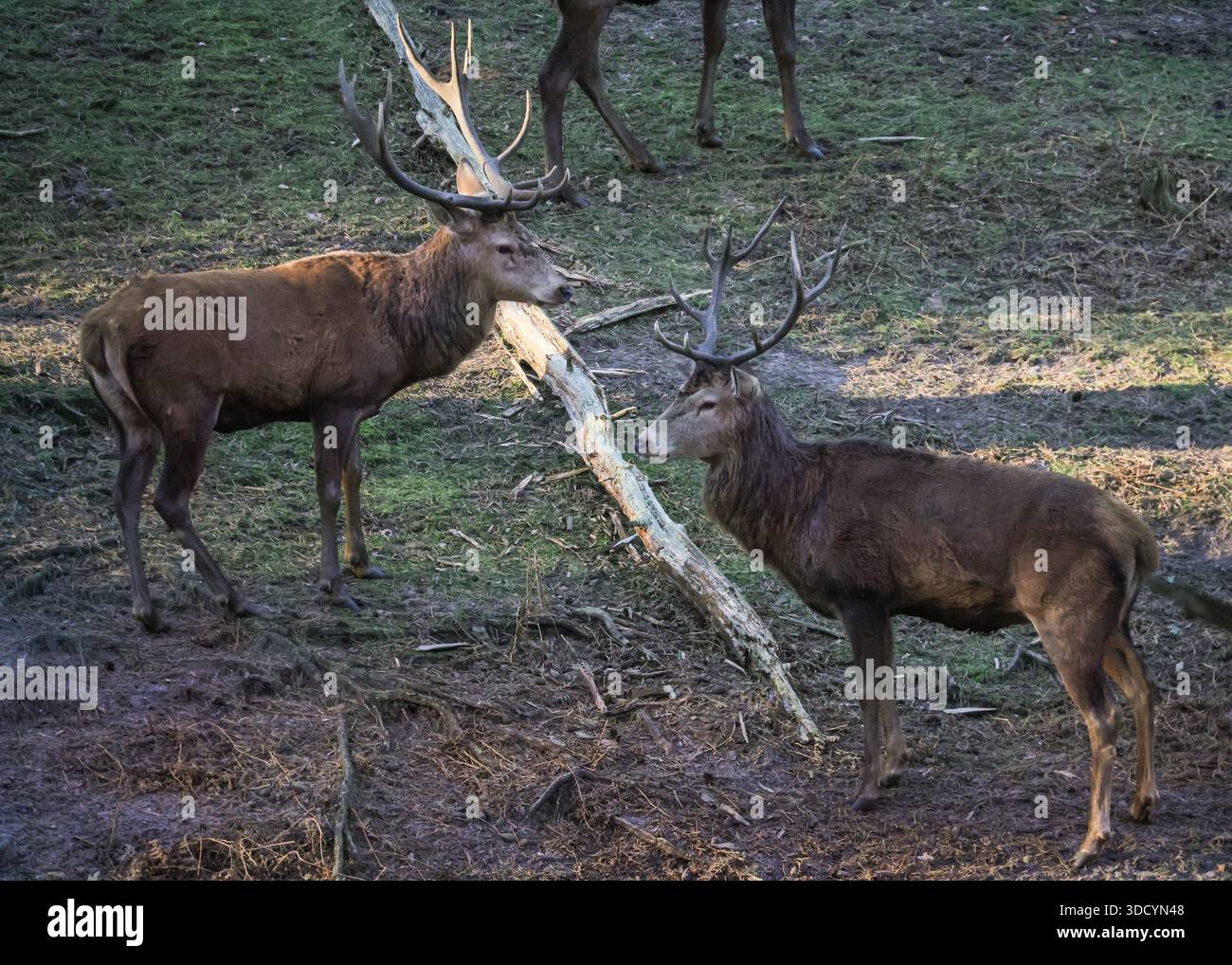
Elk populations do best where they have access to both forests and grasslands. This allows them to move as conditions change, finding the best of both worlds.
How Climate Change Could Change The Balance
Climate change is already affecting elk habitats. Warmer winters mean less snow in some forests, making them better for elk. But more droughts in grasslands can reduce food and water.
Researchers predict elk will need to adapt by moving more often or changing migration routes. Areas with a mix of forests and grasslands may become even more important for future survival.
What This Means For Conservation
Protecting elk means protecting a mix of habitats. Conservationists focus on keeping large areas of both forest and grassland connected. This helps elk move as needed and keeps populations healthy.
For example, in the Greater Yellowstone Ecosystem, land managers work to maintain migration corridors between forests and open meadows. Similar projects in other states help elk survive in a changing world.
For more in-depth research on elk and their habitats, you can visit the Wikipedia page on Elk.

Frequently Asked Questions
Can Elk Live Their Whole Lives In Forests?
Elk can live in forests year-round if there is enough food and shelter. But in most places, they move to find better food, especially in winter. Forest-only elk populations are rare and often smaller.
Do Elk Have A Preferred Habitat?
Elk do not have one preferred habitat. They use both forests and grasslands, choosing based on food, safety, and season. The best places for elk are often where these habitats meet.
What Is The Biggest Threat To Elk In Grasslands?
The main threats are loss of habitat due to farming, droughts, and lack of cover from predators and weather. Human disturbance can also push elk out of grasslands.
How Do Elk Avoid Predators In Open Areas?
Elk in grasslands form large groups to spot predators early. They rely on running and group defense, unlike forest elk that hide in cover.
Are Elk Populations Increasing Or Decreasing?
It depends on the region. In some places, like the Rocky Mountains, elk numbers are stable or rising. In areas with heavy human development or habitat loss, such as parts of the Great Plains, populations are dropping.
Elk are survivors, able to adapt to both forests and grasslands. Their future depends on maintaining the wild spaces they need and understanding the complex balance between these two vital habitats.

