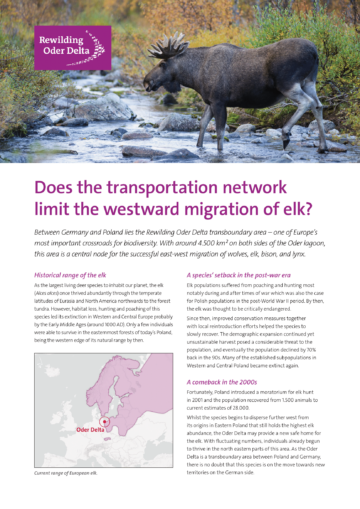
Elk are large, majestic animals that many people connect with the wild forests and mountains of North America. But a common question arises: Can elk live in Europe? To answer this, we need to look at the biology of elk, Europe’s environment, the continent’s wildlife history, and what has happened when elk have lived there. This is not just a matter of moving an animal from one continent to another. It’s about habitats, history, culture, and environmental balance. Let’s explore everything you need to know about elk and their place in Europe.
Understanding Elk: Species And Biology
Before discussing elk in Europe, it’s important to understand what an elk is. In North America, “elk” refers to *Cervus canadensis*, also called “wapiti.” In Europe, however, the word “elk” often means something different. In British English, “elk” is what Americans call a moose (*Alces alces*). This article focuses on the North American elk (wapiti), not the moose.
Elk are one of the largest species in the deer family. Adult males, called bulls, can weigh up to 500 kilograms (1,100 pounds) and stand 1.5 meters tall at the shoulder. They have large antlers, which they shed and regrow each year. Elk live in herds and need a lot of food, mostly grasses, leaves, and bark. They are native to North America and eastern Asia, especially in forest and grassland habitats.
Elk And Europe: A Complicated Relationship
The Historical Range Of Elk
Elk (wapiti) originally lived only in North America and parts of Asia. There is no evidence they ever lived naturally in Europe. However, Europe is home to many other deer species, such as red deer (*Cervus elaphus*) and roe deer (*Capreolus capreolus*). Red deer are close relatives of elk and look similar, but they are not the same species.
Confusion With Moose
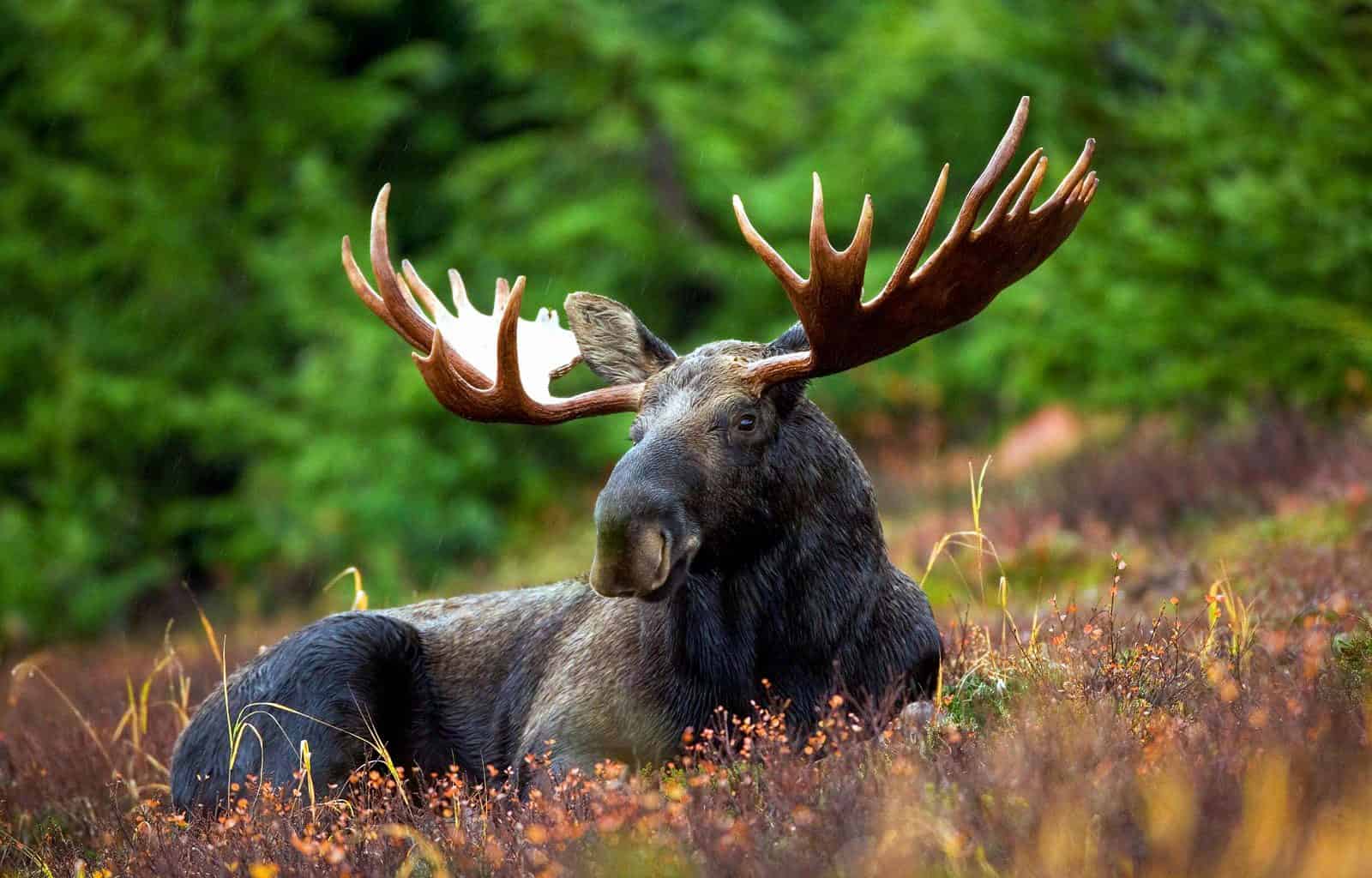
A common mistake is to think elk and moose are the same. In Europe, the word “elk” often means moose. Moose are native to Europe and live in countries like Sweden, Finland, Norway, Poland, and Russia. They are much bigger than North American elk and have different behaviors.
Could Elk Survive In Europe’s Environment?
Climate And Habitat
Europe has a range of climates, from cold in the north to mild and wet in the west. Many parts of Europe have forests, grasslands, and mountains similar to elk habitats in North America. Theoretically, elk could survive in many parts of Europe if they were introduced.
Food Sources
Elk need large amounts of grasses, shrubs, and leaves. Most European countries have landscapes that could support elk herds. However, elk can be hard on young trees and may damage forests if their numbers are not controlled. This is a key point for land managers.
Predators And Competition
In Europe, the main predators of large deer are wolves and bears, but these animals are rare in many areas. The real competition would come from red deer and roe deer. Elk might compete for food and space with these native species, which could cause ecological problems.
Attempts To Introduce Elk To Europe
Past Introduction Efforts
There have been several attempts to bring North American elk to Europe:
- In the 1900s, elk were introduced to New Zealand and Argentina (not Europe), where they survived and formed wild populations.
- In the 19th and 20th centuries, small numbers of elk were brought to private estates and parks in the United Kingdom, Germany, and other European countries. These introductions were mostly for hunting or as curiosities.
- Most of these attempts failed. The elk either escaped, died out, or were removed. There are no wild populations of North American elk in Europe today.
Legal And Environmental Concerns
European countries have strict rules about introducing non-native animals. Wildlife experts worry about diseases, competition with native species, and possible damage to local ecosystems. Elk can carry chronic wasting disease and other illnesses, which could threaten native deer.
Native Deer Of Europe Vs. Elk
To understand why elk are not part of Europe’s current wildlife, it helps to compare them with similar animals found across the continent.
| Species | Native to Europe? | Size (Male) | Main Habitat |
|---|---|---|---|
| Elk (Wapiti) | No | Up to 500 kg | Forests, grasslands |
| Red Deer | Yes | Up to 240 kg | Forests, open woodlands |
| Roe Deer | Yes | Up to 35 kg | Forests, farmland |
| Moose (European Elk) | Yes | Up to 700 kg | Wet forests, marshes |
The red deer fills a similar ecological role to elk in Europe. This is one reason why elk have not been widely introduced or needed.
Ecological Risks And Benefits
Potential Benefits
Some people believe bringing elk to Europe could:
- Increase biodiversity in areas where large herbivores are rare.
- Provide new hunting or wildlife tourism opportunities.
- Help manage overgrown forests by eating undergrowth.
Real Risks
However, the risks usually outweigh the benefits:
- Disease transmission to native deer and livestock.
- Habitat damage from overgrazing by large herds.
- Competition with native red deer and moose.
- Possible negative effects on farming and forestry.
Many lessons come from places like New Zealand, where introduced deer have caused serious environmental damage.
Cultural And Legal Factors
European Attitudes
Wildlife management in Europe is tightly controlled. Many countries focus on protecting native species and restoring lost habitats. Introducing a large, non-native animal like elk is not popular with environmentalists or the public.
Laws And Regulations
Most European countries follow the Bern Convention and other agreements that limit the introduction of new species. Permits are needed for any attempt, and approval is rare.
Hunting And Conservation
Red deer hunting is already a big tradition in Europe. Adding elk could change local hunting economies and traditions. Conservationists argue that efforts should focus on native species, especially those that have declined due to habitat loss.
What About Elk In Zoos And Parks?
While wild elk herds do not roam Europe, many zoos and animal parks keep small groups of elk for education and display. These animals are closely managed and do not escape into the wild.
Elk In European Zoos
- Elk can be seen in large wildlife parks in Germany, the UK, and some Eastern European countries.
- These animals help people learn about foreign wildlife and conservation.
- They are not part of the natural ecosystem and cannot survive without human care.
Interesting Insights Many People Miss
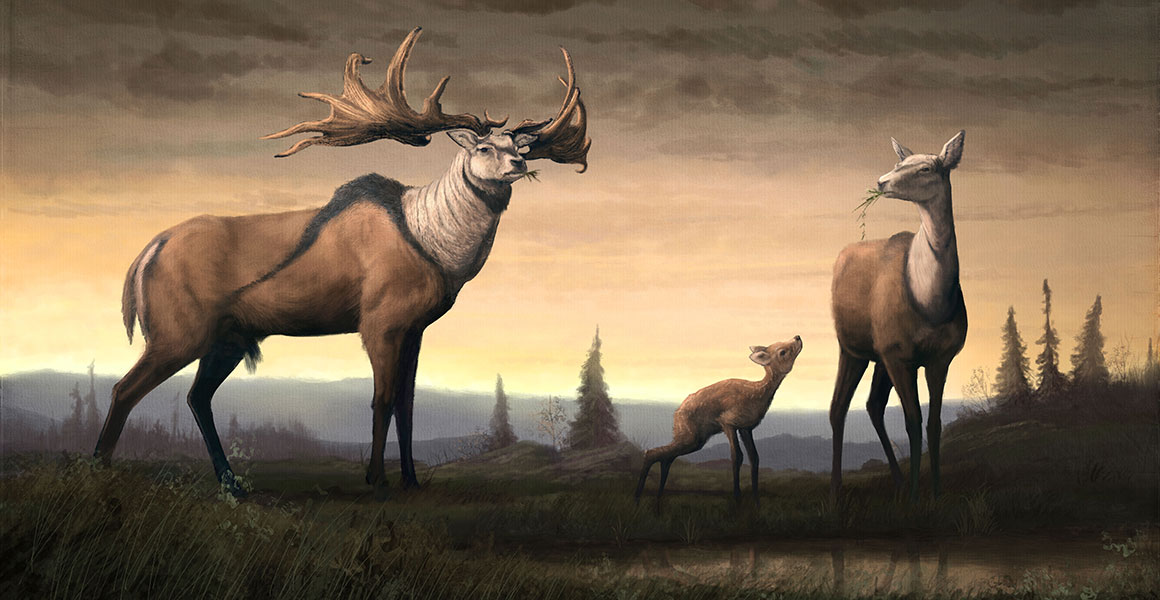
- Red deer and elk can interbreed under special conditions, but this is rare in the wild. Hybrid offspring can sometimes be seen in game farms but are not found in European forests.
- The main reason for not introducing elk is not just competition with native deer, but the risk of spreading new diseases that European wildlife is not prepared for.
- In some parts of Russia (which covers both Europe and Asia), native populations of wapiti are found, but these areas are very far east and not what most people consider “Europe.”
- Elk have a special digestive system that lets them eat tough, woody plants, which helps them survive cold winters—a trait that would help them in northern Europe, but also means they could outcompete local deer for food.
- Invasive species history shows that large animals like elk are much harder to control if they escape, compared to smaller animals.
Summary Table: Elk Vs. European Wildlife
Here’s a quick look at how elk compare with similar European animals:
| Feature | Elk (Wapiti) | Red Deer | Moose |
|---|---|---|---|
| Native to Europe? | No | Yes | Yes |
| Max Weight | 500 kg | 240 kg | 700 kg |
| Main Diet | Grasses, leaves | Grasses, leaves | Twigs, leaves |
| Legal Status | Non-native | Protected/game | Protected/game |
Practical Considerations For Elk In Europe
Anyone thinking about bringing elk to Europe should consider:
- Costs: Transporting and managing elk is expensive. Fences must be strong and tall.
- Permits: Legal barriers are high and approvals are rare.
- Long-term care: Elk can live for 10-15 years in the wild. Who will care for them if plans change?
- Escape risk: Even one escaped elk can cause accidents or breed with local deer.
Elk In A Changing Europe
Europe’s landscape is changing. Wolves and bears are returning to some areas, and forests are growing back. Some experts suggest that, in the future, Europe might support bigger herds of large herbivores. However, most agree that efforts should focus on native species first, like red deer, bison, and moose.
Final Thoughts
To answer the main question: Can elk live in Europe? The short answer is that elk could probably survive in many parts of Europe if introduced, but they are not native and bringing them would create many problems. Europe already has similar animals, especially red deer and moose, that fill the same role in nature.
Most wildlife experts, governments, and conservationists do not support bringing elk to Europe’s wild lands. The risks to native species, the environment, and local cultures are too high. Instead, Europe’s focus is on protecting and restoring its own wildlife, not adding new animals from other continents.
If you are interested in deeper research on elk biology and introductions, Wikipedia is a good starting point.
Frequently Asked Questions
What Is The Difference Between Elk And Moose In Europe?
In Europe, “elk” usually means moose (*Alces alces*), which are much larger and have different antlers than North American elk (*Cervus canadensis*). North American elk are not native to Europe and are a separate species.
Has Anyone Ever Released Elk Into The Wild In Europe?
There have been a few small attempts, mostly in private parks, but no successful, wild populations of North American elk exist in Europe today.
Could Elk Become Invasive If Brought To Europe?
Yes, elk could become invasive. They might damage forests, compete with native deer, and spread diseases. This is why most countries do not allow their introduction.
Are Elk Found In European Zoos?
Yes, some large zoos and animal parks in Europe keep elk. These animals do not live in the wild and are carefully managed to prevent escape or disease.
Why Does Europe Have Red Deer But Not Elk?
Red deer are native to Europe and fill a similar ecological role. Elk (wapiti) evolved in North America and eastern Asia, and never naturally spread to Europe. The presence of red deer means there is little ecological need for elk.