
Can Elk Jump Fences?
Imagine you are driving along a quiet country road at dawn. Suddenly, you see a group of massive animals—elk—standing quietly in a field. A wire fence runs along the edge. You might wonder: can elk jump fences? The answer is more surprising than most people think. Elk are not only large and strong, but they are also skilled jumpers. Their ability to cross fences affects wildlife management, farming, and even road safety. Let’s explore how elk interact with fences, what shapes their jumping ability, and what this means for people and nature.
Understanding Elk: Size, Strength, And Agility
Elk, also called wapiti, are some of the largest land mammals in North America and parts of Asia. Adult males, called bulls, can weigh between 700 and 1,100 pounds (320–500 kg), while females, called cows, are slightly smaller. Despite their size, elk are surprisingly agile. Their long, muscular legs are built not only for running but also for jumping.
Many people assume that such a big animal cannot jump high. In reality, elk can leap over obstacles that are much taller than many humans. Their bodies are designed for life in forests, mountains, and open plains—environments where they often need to cross fallen trees, rocks, and yes, even man-made fences.
How High Can Elk Jump?
The jumping ability of elk depends on several factors:
- Size of the Elk: Bulls may be heavier and less likely to leap high, but even they can clear impressive heights.
- Type of Fence: Some fences are easy for elk to step over or push through, while others require a real jump.
- Motivation: If elk are being chased or need to reach food or safety, they jump higher and farther.
Typical Jumping Heights
Research and field observations show that elk can jump:
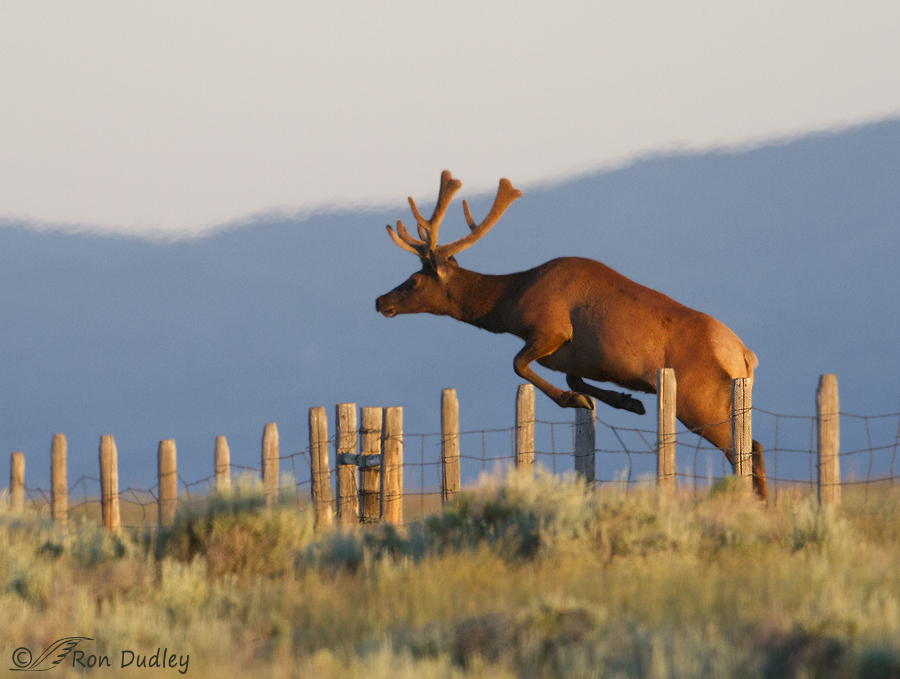
- Vertically: About 5 to 6 feet (1.5–1.8 meters) high from a standstill.
- With a running start: Up to 8 feet (2.4 meters) or sometimes a bit more.
This means many standard livestock fences, which are usually 4 to 5 feet high, do not stop elk if they really want to cross.
Elk Vs. Other Animals
Here’s a simple comparison of jumping abilities:
| Animal | Maximum Jump Height | Common Fence Height |
|---|---|---|
| Elk | 8 feet (2.4 m) | 4-5 feet (1.2–1.5 m) |
| Deer (White-tailed) | 8 feet (2.4 m) | 4-5 feet (1.2–1.5 m) |
| Cattle | 4 feet (1.2 m) | 4 feet (1.2 m) |
| Horses | 5 feet (1.5 m) | 4.5 feet (1.4 m) |
As you can see, elk are among the top jumpers in the animal world, especially considering their weight.
Why Do Elk Jump Fences?
Elk do not jump fences for fun. There are several reasons why they might need to:
- Searching for Food: In winter, elk travel long distances to find grass, shrubs, or crops. Fences often stand between them and food.
- Migration: Every year, elk migrate between summer and winter ranges. Fences can block their natural routes.
- Escaping Danger: Predators, wildfires, or even humans can spook elk, causing them to jump fences in panic.
- Social Reasons: Young elk may follow their mothers or herds across obstacles, learning by example.
It’s important to remember that not all elk will jump a fence every time. Sometimes they find weak spots, crawl under, or even break through. But when needed, their jumping skills help them survive.
Types Of Fences Elk Encounter
Elk face many different kinds of fences across their range. Each type affects how and whether elk can cross.
Common Fence Types
- Barbed Wire: The most common fence in rural areas. Usually 4–5 feet high, with sharp wires spaced apart.
- Woven Wire: Multiple horizontal and vertical wires make a “mesh.” Harder to cross, especially for young elk.
- Electric Fences: Give a mild shock. Elk may avoid these if they have been shocked before.
- Wooden Rail Fences: Tall and solid, but sometimes spaced wide enough for elk to squeeze through.
- High-tensile Wire: Strong, smooth wires. Harder to break but may be less visible.
Fence Height And Elk Behavior
Here’s a quick look at how fence height changes elk behavior:
| Fence Height | Elk Response |
|---|---|
| Under 4 feet (1.2 m) | Step or jump over easily |
| 4–5 feet (1.2–1.5 m) | Jump, especially if motivated |
| 5–6 feet (1.5–1.8 m) | Jump with effort; some may go around |
| Over 6 feet (1.8 m) | Most elk avoid; some may still try, especially young or fit individuals |
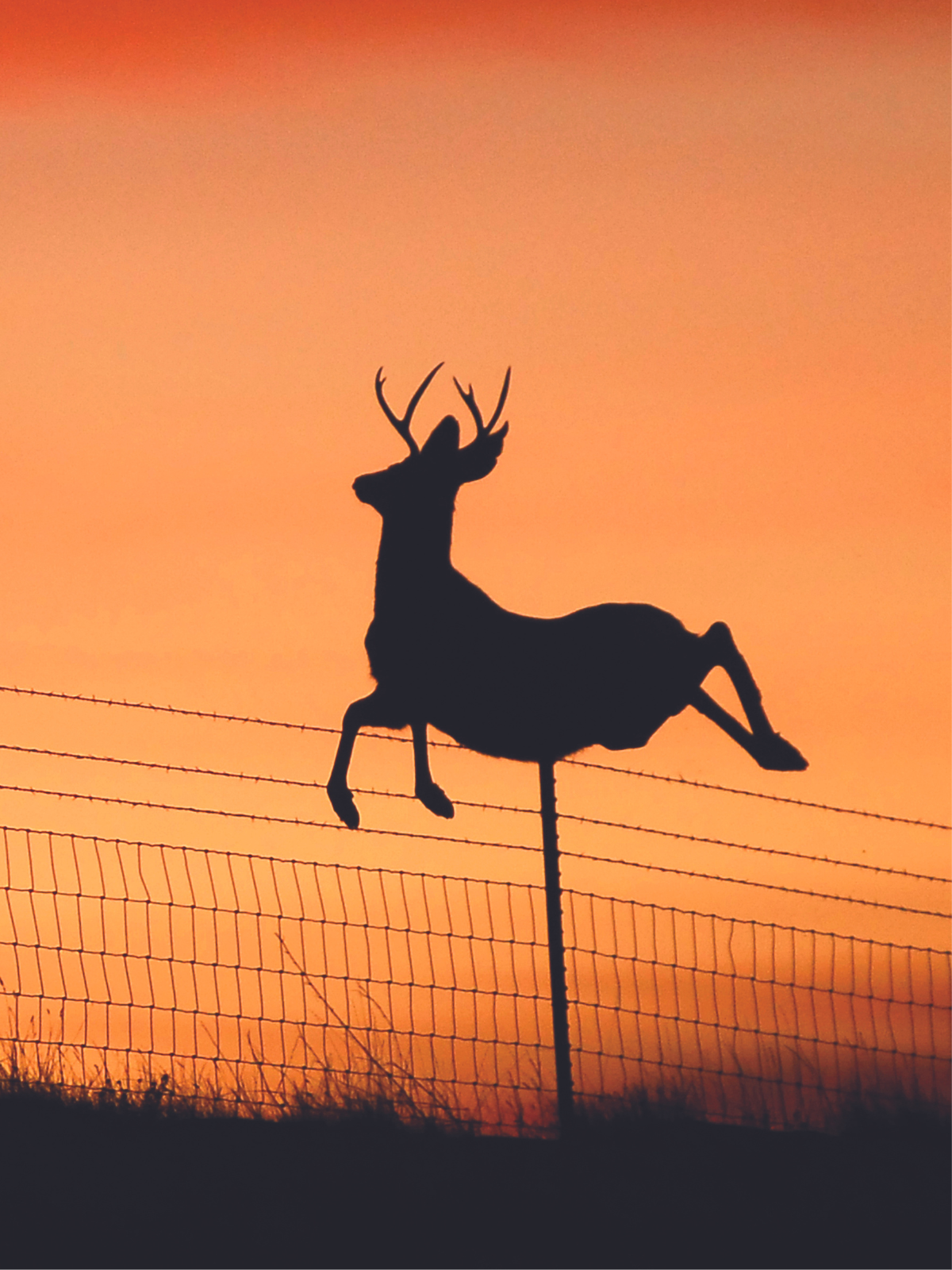
A non-obvious insight here: Elk are less likely to jump fences if there is no clear landing spot on the other side, or if the ground is uneven. Even a very high fence can be “defeated” if the elk are desperate or if snow piles up next to it.
Risks And Challenges Of Fence Jumping
Jumping fences is not always safe for elk. There are serious risks, both for the animals and for people.
Injuries To Elk
- Leg and hip injuries: Elk can catch their legs on wires, leading to breaks or cuts.
- Young elk: Calves are less skilled jumpers and can get stuck, especially in woven wire or electric fences.
- Antler damage: Bulls can break or snag their antlers, which are important for defense and mating.
Impact On Farmers And Ranchers
Elk crossing fences can be a headache for people who raise livestock or grow crops.
- Fence damage: Heavy elk can bend or break wires and posts.
- Crop loss: Once elk cross, they may eat large amounts of hay, alfalfa, or corn.
- Disease transfer: Elk and cattle can spread diseases to each other if fences fail.
Some ranchers try to build higher or more complex fences, but this can be costly and does not always work.
Road Safety
Elk that cross fences near roads can create serious accidents. Because elk are large, hitting one can be deadly for both animal and driver. In areas where elk migration crosses highways, wildlife managers sometimes build special overpasses or underpasses to reduce these collisions.
Fence Designs That Help Elk And People
Wildlife managers and ranchers have developed smarter fence designs to balance the needs of elk and humans. The goal is to let elk move where they need to go without causing too much damage.
Wildlife-friendly Fencing Tips
- Lower the top wire: Set the top wire at 40–42 inches (about 1 meter). This lets elk jump without injury but still keeps in cattle.
- Smooth wire on top: Replace barbed wire with smooth wire on the top strand to prevent cuts.
- Remove bottom wire, or set it high: Leave at least 18 inches (45 cm) from the ground so young elk, deer, or pronghorn can crawl under.
- Drop-down fences: In migration season, some fences are designed to be lowered temporarily so herds can pass.
- Visibility: Attach flags, tapes, or white markers to make fences more visible to elk, reducing accidents.
Example: Yellowstone Region
In places like the Greater Yellowstone Ecosystem, landowners and public agencies have worked together to replace miles of old, dangerous fencing with wildlife-friendly designs. This has reduced elk injuries and helped keep migration routes open.
A second non-obvious insight: Elk learn from experience. If they get hurt or trapped by a certain fence style, they may avoid it in the future—sometimes changing their migration routes for years.

Elk Migration And The Fence Problem
Elk are famous for their seasonal migrations. In some areas, herds travel over 100 miles each year between summer and winter homes. Fences, roads, and development can block these ancient paths, leading to problems:
- Population decline: If elk can’t reach food or safe areas, herds may shrink.
- Genetic isolation: Fences can separate groups, reducing breeding and weakening the population.
- More conflicts: Hungry elk may enter towns or farms, increasing human-wildlife conflict.
Wildlife corridors—areas where fences are lowered or removed—help keep migration alive.
Real-world Data: How Often Do Elk Jump Fences?
Scientists use GPS collars and camera traps to study elk movements. One study in Montana found that elk jumped fences an average of 1.5 times per mile during migration. In high-traffic areas, some fences were jumped by dozens of elk each night.
Another research project in Colorado tracked elk crossing highways and found that wildlife overpasses reduced elk-vehicle collisions by over 80%. This shows that helping elk cross fences safely is good for both animals and people.
Surprising Facts About Elk And Fences
- Elk are good teachers. Young elk watch adults jump fences and learn quickly.
- Snow matters. Deep snow can make fences easier to cross—elk simply step over where snowdrifts pile up.
- Not all elk jump. Some prefer to go under, especially if the fence is loose or if they are smaller cows or calves.
How To Help Elk And Prevent Problems
If you live in elk country or care about wildlife, here are some practical steps you can take:
- Check your fences: Look for spots where elk cross often, and consider wildlife-friendly designs.
- Report injuries: If you see an elk trapped or hurt by a fence, contact local wildlife officers.
- Support migration corridors: Encourage your community to protect paths elk use every year.
- Drive carefully: In known elk areas, slow down and watch for animals, especially at dawn and dusk.
For more practical advice, the National Park Service shares helpful tips on living with elk and supporting healthy populations.
Frequently Asked Questions
How High Must A Fence Be To Stop An Elk?
Most elk can jump fences up to 6 feet (1.8 meters) high, especially if motivated. However, fences over 7 feet (2.1 meters) will stop most elk, though this height is rare and not practical for most landowners.
Do Elk Ever Crawl Under Fences?
Yes, especially young elk or cows will sometimes crawl under fences if the bottom wire is high enough (18 inches or more above the ground). Heavy snow or loose wires make this even easier.
Are Barbed Wire Fences Dangerous For Elk?
Barbed wire can injure elk, especially their legs and antlers. Calves are at higher risk of getting tangled. Replacing the top wire with a smooth wire helps reduce injuries.
How Can Ranchers Protect Their Fences From Elk Damage?
Ranchers can use wildlife-friendly fence designs: lower top wires, smooth instead of barbed wires, and stronger posts. In some cases, electric fences or drop-down sections during migration help reduce damage.
Do Elk Jumping Fences Cause Traffic Accidents?
Yes. Elk sometimes jump fences near roads and highways, creating a risk for drivers. Wildlife overpasses and warning signs help reduce these accidents in high-traffic elk areas.
Elk are powerful and intelligent animals, fully capable of jumping most fences they encounter. Understanding their abilities and needs helps prevent conflict and supports the health of both wildlife and people who share the landscape.

