
Every year, people exploring forests and mountains across North America spot elk standing confidently on riverbanks or moving through fast-flowing water. For centuries, local hunters, hikers, and wildlife experts have watched these powerful animals cross rivers, sometimes in herds, sometimes alone.
But what makes elk so capable in the water? How do their instincts and bodies help them cross rivers safely, and are there times when even these strong animals struggle? Let’s dive into the fascinating world of elk and rivers, exploring every detail from biology to behavior and challenges they face.
The Natural Swimmers: Elk And Their Relationship With Water
Elk are among the largest land mammals in North America. Adult males, called bulls, can weigh up to 700 pounds (320 kg), while females, known as cows, are slightly lighter. Their sheer size makes it even more impressive that they are strong swimmers. Elk often live near rivers, lakes, and streams, especially in the Rocky Mountains, Pacific Northwest, and parts of Canada.
Water is not a barrier for elk; it is part of their daily life. In fact, rivers often offer safety from predators, new food sources, and routes to fresh grazing land. It’s common to see herds swimming across rivers, especially during migration seasons.
But how do they manage this, and what makes them so adapted to aquatic environments?
Physical Adaptations For River Crossing
Elk are not built like fish, but their bodies have several features that make them excellent swimmers:
- Long, powerful legs – Their legs help them push through fast-moving water and climb steep riverbanks.
- Large lungs – Elk have big lungs, allowing them to hold their breath and stay calm, even if the river is deep.
- Hollow hair – Their fur is made of hollow hairs, which trap air and add some buoyancy, helping them float better.
- Wide hooves – These act like paddles, giving elk extra stability and grip on muddy, slippery riverbeds.
These adaptations come together to give elk confidence in the water. Even young calves can swim, though they need help from their mothers to cross wide or fast rivers.
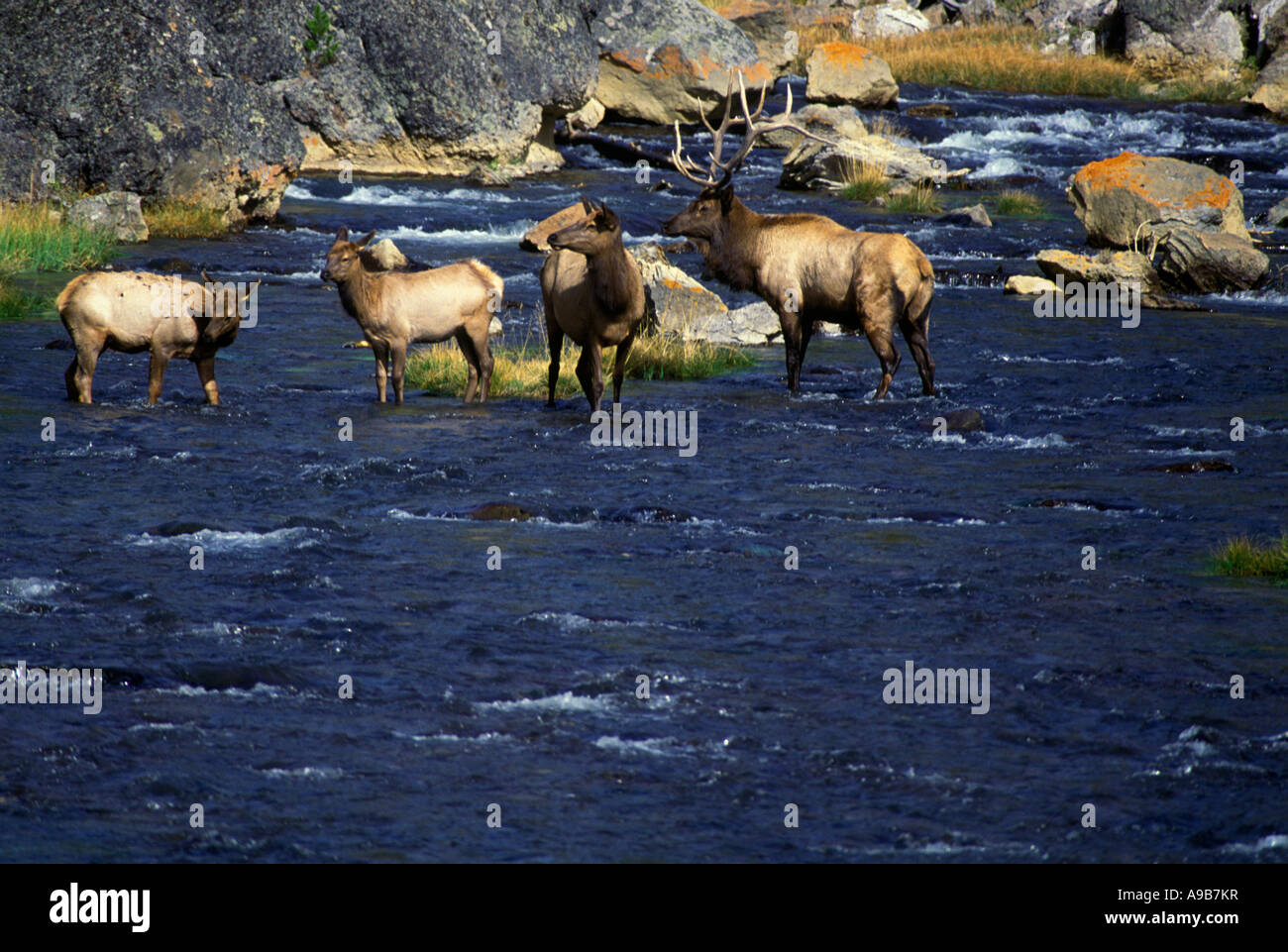
Why Do Elk Cross Rivers?
Elk cross rivers for several important reasons. Their movements are rarely random—each crossing usually has a purpose.
- Migration: In spring and fall, elk migrate between summer and winter ranges. Rivers often stand in their path, and crossing is necessary to reach food and shelter.
- Escaping predators: Wolves and bears hunt elk. Rivers can slow down or block these predators, giving elk a chance to escape.
- Seeking food and water: Riversides often have lush grass and plants. Elk cross rivers to reach better grazing or to drink from clean water sources.
- Mating behavior: During the rut (mating season), bulls travel long distances to find cows, often crossing rivers to access new harems.
- Avoiding humans: In areas with roads or development, elk may use rivers to avoid people and vehicles.
How Elk Cross Different Types Of Rivers
Not all rivers are the same. Some are wide and slow, others narrow and fast. Elk adjust their approach depending on the water.
| River Type | Elk Crossing Behavior | Risks |
|---|---|---|
| Shallow Stream | Wade or walk through | Low |
| Wide, Slow River | Swim in groups, keep steady pace | Fatigue, current |
| Fast Mountain River | Choose narrow points, cross quickly | Drowning, injury |
| Flooded Water | Avoid if possible, wait for lower water | High risk, strong current |
Elk are smart about river crossings. They usually pick places where the current is weaker or where the banks are gentle. Older, experienced elk often lead, and the rest follow.
The Science Of Elk Swimming Ability
Research on elk swimming shows that they can cover impressive distances in water. Studies in Yellowstone National Park found elk swimming across rivers over 100 meters wide. They can maintain a steady, strong pace for several minutes.
Elk usually keep their heads above water, pointing their noses slightly upward. Their legs move in a strong, alternating motion, much like dogs swimming. If the water is cold, elk can swim faster to avoid losing too much body heat.
Surprisingly, elk are not only strong but also calm swimmers. They do not panic unless chased or separated from the group. This calmness is a survival advantage, preventing accidents.
Dangers And Challenges When Crossing Rivers
While elk are well-adapted to water, river crossings are not always safe. Here are some common dangers:
- Strong currents – Fast water can sweep young or weak elk downstream.
- Flooding – During spring snowmelt or after heavy rain, rivers can become deadly.
- Cold water – Hypothermia is a risk, especially for calves or old elk.
- Hidden obstacles – Rocks, logs, and deep holes can injure elk legs or cause drowning.
- Predators waiting – Sometimes, wolves or bears ambush elk at riverbanks.
- Human-made barriers – Dams, fences, and roads can block safe crossing points, forcing elk into dangerous waters.
Despite these risks, most elk survive river crossings without injury. Their strong instincts and group behavior help them avoid the worst dangers.
River Crossings In Elk Migration
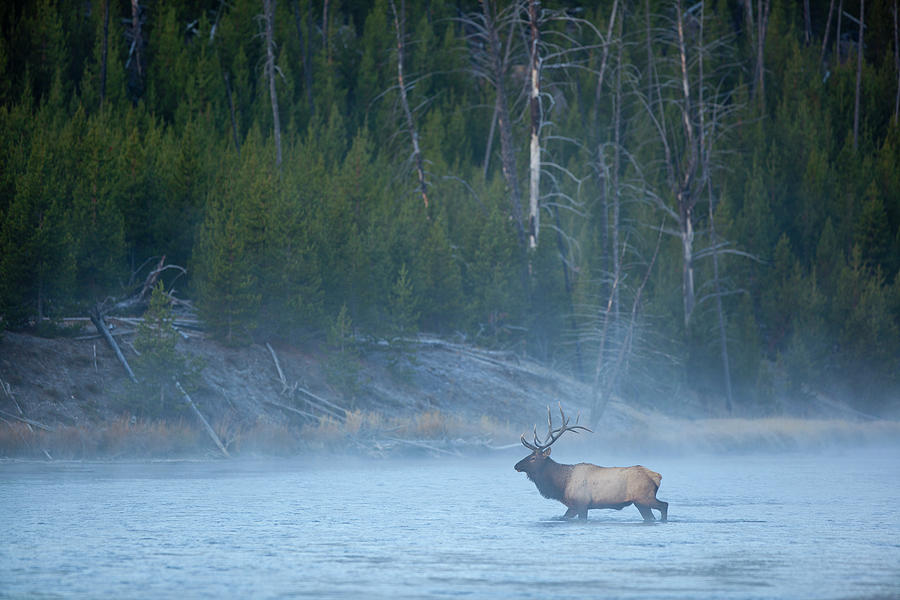
Migration is one of the most dramatic times to see elk crossing rivers. In places like Wyoming and Montana, herds gather by the hundreds before moving across wide rivers. Observers have recorded more than 500 elk crossing together in a single event.
During migration, elk often cross the same rivers year after year, using ancient paths called migration corridors. These routes are passed down through generations. Calves born in spring may cross their first river just weeks after birth, guided by their mothers.
The largest recorded river crossing by elk happens on the Madison River in Yellowstone each fall. Wildlife photographers travel from around the world to witness this event.
How Elk Choose Safe River Crossings
Elk rarely cross rivers at random spots. They look for:
- Gentle banks: Easier for climbing in and out.
- Shallow entry points: Reduces risk of slipping.
- Islands or sandbars: Provide a break in the middle of wide rivers.
- Good visibility: Elk prefer to see what’s ahead and avoid hidden dangers.
Young elk learn from older members of the herd. If a cow hesitates, the whole group may wait or seek a better crossing spot.
Elk Vs. Other North American Mammals: Who Swims Best?
Elk are not the only wild animals crossing rivers. But how do they compare to others?
| Animal | Swimming Ability | Max Distance (Approx.) |
|---|---|---|
| Elk | Strong, steady, group crossings | Up to 1 mile (1.6 km) |
| Moose | Excellent, can dive underwater | Over 2 miles (3.2 km) |
| Deer (Whitetail/Mule) | Good, but tire quickly | Up to 0.5 mile (0.8 km) |
| Bear | Strong, slow swimmers | Up to 1 mile (1.6 km) |
While moose are the true swimming champions, elk are not far behind. Their ability to cross wide rivers puts them ahead of most deer.
Elk River Crossings And Human Activity
As human development spreads, elk face new challenges when crossing rivers:
- Dams and levees: These can block migration paths or create dangerous water flows.
- Bridges and roads: Traffic can force elk into water at unsafe places or times.
- Fishing and boating: Increased activity on rivers may disturb elk or separate young calves from mothers.
Wildlife managers now use data from GPS collars to track elk movements. This helps design wildlife corridors and build safer crossing points. In some areas, special underpasses or overpasses allow elk to move without swimming dangerous rivers or crossing busy roads.
Non-obvious Insights: What Most People Miss
Most people know that elk are strong swimmers, but there are two less-discussed facts:
- Elk use rivers as natural cooling spots: In summer, elk will sometimes stand in water for long periods to escape biting insects or heat. This is not just about crossing but also about comfort and health.
- Calf survival depends on group support: The presence of experienced adults is critical. Calves crossing alone have a much higher risk of drowning or being attacked. The herd structure, with adults leading and surrounding young elk, is a key survival strategy.
Famous Elk River Crossings In North America
Some river crossings by elk have become legendary among wildlife watchers:
- Yellowstone’s Madison River: Every autumn, massive herds cross as part of their migration.
- Snake River, Wyoming: Elk swim this wide, cold river each year, sometimes covered in snow.
- Kootenai River, British Columbia: Large bull elk are often seen crossing, especially during the rut.
Wildlife photographers and nature lovers often gather at known crossing points to watch these dramatic moments.
How Climate Change Is Affecting Elk River Crossings
Changing weather patterns are making river crossings harder for elk. More frequent floods, earlier snowmelt, and droughts change river levels. In some years, rivers are too high and fast for safe crossings, forcing elk to find new routes or stay in less suitable areas.
For example, in Montana, researchers found that elk delayed migration by up to two weeks after a particularly wet spring. This meant less time on good grazing land and higher calf mortality.
What Can People Do To Help?
People who live near elk habitats or enjoy watching wildlife can help elk cross rivers safely:
- Support wildlife corridors and habitat protection projects.
- Avoid disturbing elk at known crossing points, especially during migration.
- Report blocked or dangerous river crossings to local wildlife authorities.
- Learn more about elk and share this knowledge with others.
By understanding how important river crossings are to elk survival, we can help keep these amazing animals thriving for generations.
Frequently Asked Questions
Do Elk Always Swim When Crossing Rivers?
No, elk do not always swim. If a river is shallow, elk will wade through, sometimes barely getting their bellies wet. They only swim when the water is too deep to walk.
How Fast Can Elk Swim?
Elk can swim at about 3 to 5 miles per hour (5–8 km/h). They are not as fast as fish, but their steady pace helps them cross wide rivers without tiring quickly.
Can Elk Calves Swim?
Yes, elk calves can swim soon after birth, usually within a few weeks. However, they rely on the herd for guidance and protection. Calves may struggle in very fast or cold water.
Are There Any Famous Videos Of Elk Crossing Rivers?
Yes, there are many popular wildlife documentaries and online videos showing elk crossing rivers, especially in Yellowstone and the Rocky Mountains. Some of the most dramatic footage comes from autumn migrations. You can find examples on the Elk Wikipedia page.
Do Predators Follow Elk Into Rivers?
Predators like wolves and bears sometimes follow elk into shallow water but rarely swim after them in deep or fast-flowing rivers. Rivers often give elk a temporary escape from danger.
Elk’s ability to cross rivers is an incredible part of their survival story. Their strength, instincts, and teamwork help them face challenges that would stop many other animals. Next time you see a river in elk country, imagine the untold journeys happening just below the surface—each crossing a small triumph of nature.

