
Many people picture deer quietly grazing in fields or darting through forests. But what happens when a river blocks their path? Can deer cross rivers, or do they avoid water altogether? Understanding how these graceful animals interact with rivers helps us learn more about their survival, migration, and even the way we build roads and wildlife crossings.
How Deer Move Through Their Habitat
Deer are found in many parts of the world, from the forests of North America to the grasslands of Europe and Asia. Their movement is not random. They travel to find food, water, shelter, and mates. Sometimes, their routes are blocked by natural barriers like rivers.
Deer are known for their agility and adaptability. They can jump over high fences, run at speeds over 30 miles per hour, and navigate rough terrain. But water poses a different kind of challenge. Unlike land obstacles, rivers can be deep, wide, and fast-moving. So, do deer cross them or find a way around?
Can Deer Swim?
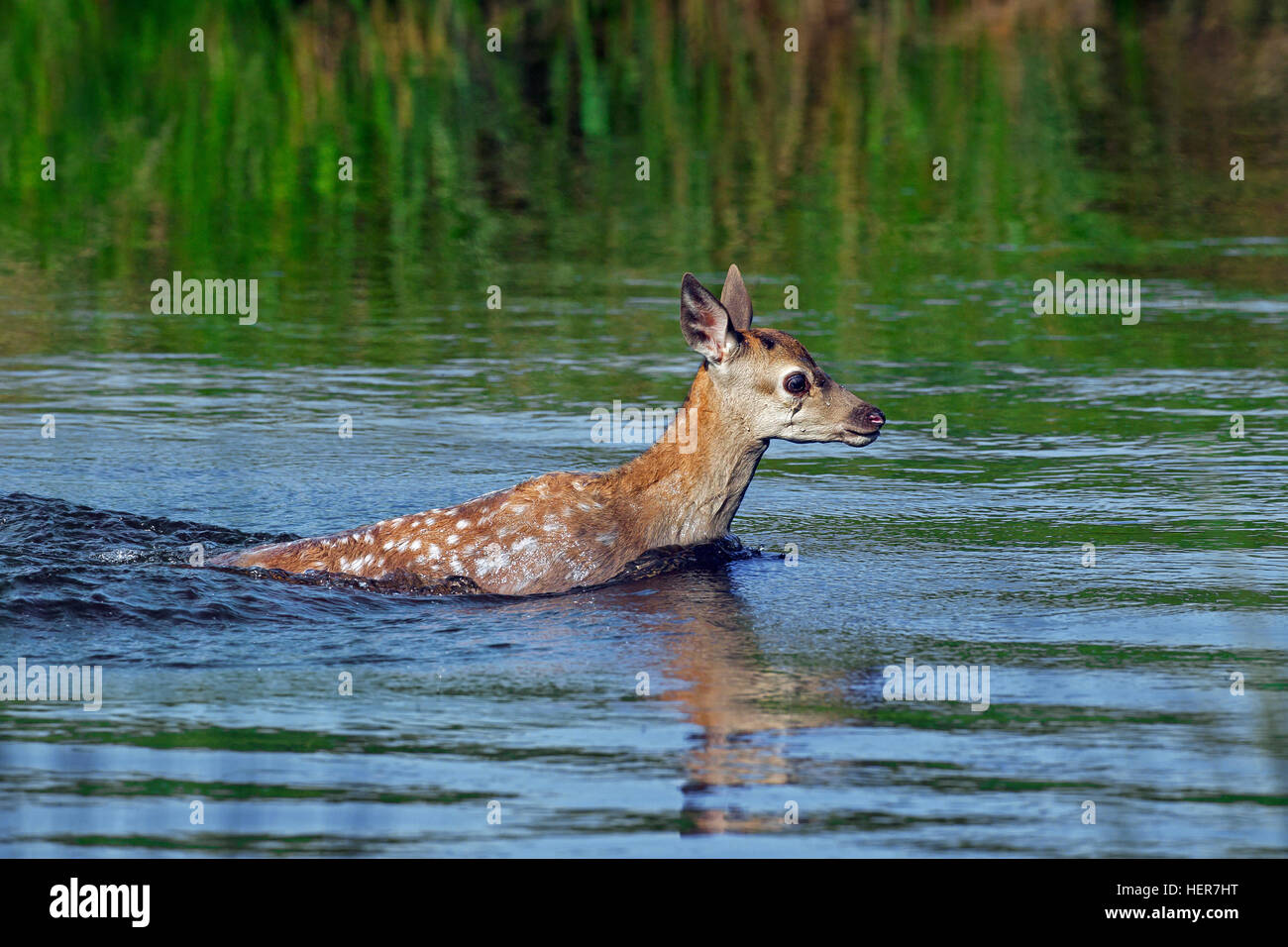
Surprisingly to some, deer are strong swimmers. Most species, including the white-tailed deer, red deer, and elk, can swim long distances if needed. Their bodies are built for it: slim legs, powerful muscles, and a light frame help them stay afloat.
Deer do not cross water for fun. They swim only when necessary—such as escaping predators, searching for new territory, or following migration routes. For example, studies have shown that white-tailed deer can swim over half a mile (about 1 km) without stopping. Some have even crossed larger rivers like the Mississippi.
Here’s a quick comparison of swimming ability among different deer species:
| Deer Species | Average Swimming Distance | Notable Rivers Crossed |
|---|---|---|
| White-tailed deer | 0.5–1 mile | Mississippi, St. Lawrence |
| Red deer | Up to 1 mile | Loch Ness (Scotland) |
| Elk | Over 1 mile | Yellowstone rivers |

Why Do Deer Cross Rivers?
Deer cross rivers for several reasons:
- Migration: Many deer migrate seasonally. Rivers often lie in the middle of these routes.
- Searching for Food: If food is scarce, deer will cross water to reach new feeding areas.
- Escaping Predators: Water can be a quick escape from wolves, coyotes, or even humans.
- Finding Mates: During mating season, males may swim across rivers to reach females.
Not all deer in a group will cross at the same time. Fawns, for example, might wait until they are strong enough. Adult does help their young learn, sometimes by leading the way across shallow spots.
How Do Deer Choose Where To Cross?
Deer do not pick random spots to cross. They look for narrow, slow-moving sections of the river or natural bridges like fallen trees. Often, they use the same crossing points year after year. Hunters and wildlife researchers call these spots “deer crossings.”
Here are some signs that deer are using a river crossing:
- Paths leading to and from the water’s edge
- Hoof prints in mud or sand
- Flattened grass or reeds near the riverbank
Wildlife cameras and GPS collars have shown that deer often return to the same crossing, even if it means swimming each time.
Challenges Deer Face When Crossing Rivers
Crossing a river is not without risks for deer:
- Strong Currents: Fast-moving water can sweep deer downstream, especially fawns or weak adults.
- Cold Water: In winter, icy water can cause hypothermia.
- Predators: Some predators wait near crossings, knowing deer will be vulnerable.
- Human Activity: Dams, boats, and pollution create new dangers.
Despite these dangers, deer still cross rivers when they must. Their ability to adapt and survive is remarkable.
Famous Examples Of Deer Crossing Rivers
There are many real-world stories and studies of deer swimming across impressive rivers:
- In Yellowstone National Park, elk (a kind of deer) are often seen swimming across the Yellowstone River during migration.
- In Scotland, red deer have been seen swimming across wide lochs (lakes) and even tidal rivers.
- In North America, white-tailed deer regularly cross the St. Lawrence River, sometimes with young fawns.
These examples prove that crossing water is a normal part of life for many deer.
Data: How Often Do Deer Cross Rivers?
Research using GPS collars on deer provides some numbers:
| Location | Study Length | Average Crossings per Year |
|---|---|---|
| Wisconsin, USA | 2 years | 8 crossings |
| Scotland (Red deer) | 1 year | 5 crossings |
| Yellowstone, USA | 3 years | 12 crossings |
These numbers can vary based on river size, season, and local deer population.
Non-obvious Insights About Deer And River Crossings
Most people think deer will always avoid water, but research and field observation show otherwise. Here are two insights that may surprise you:
- Deer can cross even wide rivers if the need is strong, such as escaping a wildfire or during large migrations.
- During spring floods, deer may be forced to swim much farther than usual, sometimes leading to herd losses if many animals are caught in strong currents.
Knowing these facts helps wildlife managers plan safe passages and reduce roadkill near bridges.
Human Impact And Conservation
As humans build more roads, bridges, and dams, river crossings can become harder for deer. In some places, conservation groups create special wildlife passages near rivers to help deer cross safely.
For example, in North America, wildlife bridges over highways often line up with known river crossings. This reduces accidents and helps keep deer populations healthy.
If you want to learn more about how animals interact with rivers and migration, the Wikipedia page on Animal Migration gives helpful background.
Frequently Asked Questions
How Well Can Deer Swim?
Deer are very good swimmers. Most species can swim for half a mile or more, even against a current. They keep their heads above water and use strong leg kicks to move forward.
Do All Deer Cross Rivers?
Not every deer will cross a river. Young fawns, old, or weak deer may avoid water. Most healthy adults, however, will swim if there is no other option.
Are There Any Times Of Year When Deer Cross Rivers More Often?
Yes. During migration or the mating season, deer are more likely to cross rivers. They may also swim more in spring if searching for food.
What Dangers Do Deer Face When Crossing Rivers?
The main risks are strong currents, cold water, predators, and human activity like boats or pollution. Young deer are especially vulnerable to these dangers.
Can Deer Cross Very Large Rivers?
Deer can cross surprisingly large rivers, especially if the water is calm. Some have been seen swimming across rivers more than a mile wide, though this is less common.
Deer are not just land animals—they are skilled at crossing rivers when their survival depends on it. Their ability to adapt to obstacles shows why they have survived for thousands of years, even as their world changes.


