
A small leak under your kitchen sink. Slow draining in the bathroom. Sudden drop in water pressure. Most homeowners and even professionals have faced these frustrating moments with plumbing. The cause is often hidden behind walls, under floors, or deep inside pipes, making a simple problem feel impossible to solve. This is where technology steps in—and one tool, the borescope, has changed how plumbing inspections work.
Many people wonder if a borescope can really help with plumbing. Maybe you’ve seen plumbers use small cameras on TV or in YouTube tutorials. But are these tools practical for real plumbing jobs? Do they show enough detail? Can a non-professional use them, or are they only for experts? This article will answer all these questions and more. You’ll learn what a borescope is, how it works in plumbing, its benefits, its limits, and what to look for if you want to buy or rent one.
What Is A Borescope?
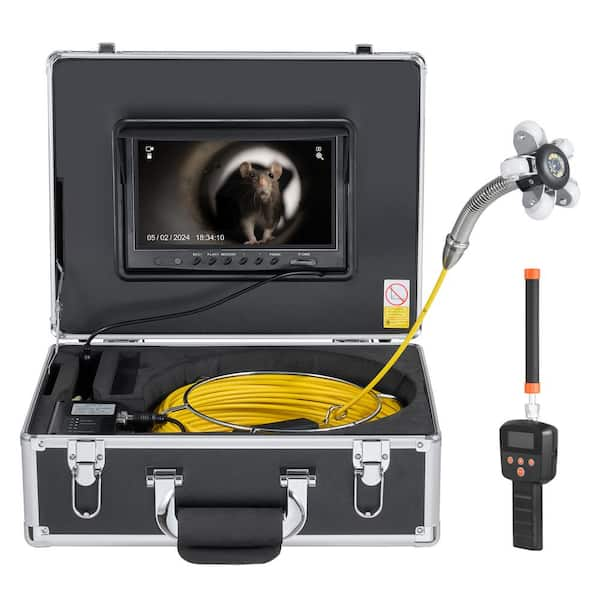
A borescope is a thin camera tool used to look inside hard-to-reach places. It usually has a flexible or semi-rigid tube, a small camera at the end, and lights to brighten dark spaces. Some borescopes send images to a screen, while others connect to your phone or computer.
Borescopes were first used in industries like aviation and car repair to check engines and machines without taking them apart. Over time, plumbers started using them to see inside pipes and drains.
There are two main types:
- Rigid borescopes: Straight, sturdy, and best for short, straight pipes.
- Flexible borescopes: Bend easily, perfect for curvy pipes or tight spaces.
Some modern borescopes are called inspection cameras or endoscopes. For plumbing, people usually use waterproof models with strong lights.
Why Use A Borescope For Plumbing?
Plumbing problems are often invisible. Pipes are hidden in walls, underground, or behind fixtures. Traditional inspection methods mean guessing, breaking walls, or digging—expensive and messy. A borescope changes this:
- Non-destructive inspection: You can look inside pipes without breaking anything.
- Find problems early: See clogs, cracks, leaks, or root invasion before they get worse.
- Save time and money: Quick checks mean fewer hours and less repair work.
- Better accuracy: See the real cause, not just symptoms.
- Safer repairs: No need to open walls or floors unless you’re sure.
How Does A Borescope Work In Plumbing?
Using a borescope for plumbing is simple but powerful. Here’s how the process usually works:
- Access the pipe: Remove a drain cover, open a cleanout, or disconnect a section.
- Insert the borescope: Gently push the camera into the pipe. Flexible models can turn corners.
- View the image: Watch the live feed on a small screen, your phone, or a tablet.
- Look for problems: Search for blockages, cracks, corrosion, or leaks.
- Record and share: Many borescopes let you take photos or videos for later review or to show a plumber.
For example, a homeowner suspects a clog deep in the kitchen drain. Instead of pouring chemicals or removing pipes, they insert a borescope. Within minutes, they see a ball of grease and food—and know exactly where it is.
Common Plumbing Problems Found With A Borescope
Borescopes can find a wide range of plumbing issues, including:
- Clogs: Food, hair, grease, or foreign objects.
- Pipe cracks: Small fractures that leak water slowly.
- Corrosion: Rust or mineral buildup inside metal pipes.
- Root intrusion: Tree roots growing into underground pipes.
- Leaks: Water escaping from joints or holes.
- Lost items: Jewelry or small objects dropped down drains.
Let’s look at a real example. In a 2019 survey, plumbers using borescopes found that 42% of hidden leaks were caught before major water damage occurred. Without the camera, these problems could have gone unnoticed for months.
Comparing Borescopes To Other Inspection Methods
How does a borescope stack up against other plumbing inspection tools? Here’s a quick comparison.
| Method | Access Needed | Damage Risk | Cost | Accuracy |
|---|---|---|---|---|
| Borescope | Small opening | Low | Medium | High |
| Thermal camera | No opening | None | High | Medium |
| Manual check | Big opening | High | Low | Low |
| Acoustic sensor | No opening | None | High | Low |
Insight: While thermal cameras and acoustic sensors are non-invasive, they cannot show what exactly is inside the pipe. Borescopes give a real image, which is more useful for many problems.
What To Look For In A Plumbing Borescope
Not all borescopes are the same. If you want to use one for plumbing, consider these features:
- Waterproof rating: Pipes are wet. Choose a camera with at least IP67 waterproofing.
- Cable length: Longer cables (10–30 meters) help reach deep or underground pipes.
- Image quality: High resolution means clearer images, making it easier to spot small cracks.
- Light source: Adjustable LED lights improve visibility in dark pipes.
- Camera size: Smaller heads fit into tighter spaces (8–10 mm is common).
- Recording ability: Some models take photos or videos for later review.
- Screen type: Some have built-in screens, others connect to your phone or tablet.
- Battery life: Plumbing jobs can take time. Look for longer battery life.
| Feature | Why It Matters | Recommended Value |
|---|---|---|
| Waterproof rating | Prevents camera damage | IP67 or higher |
| Cable length | Reaches far pipes | 10 meters minimum |
| Camera head size | Fits in small pipes | ≤ 10 mm |
| Resolution | Clear images | 720p or better |
Non-obvious tip: Many cheap borescopes have short cables or low battery life. These are fine for cars or electronics, but not for long plumbing pipes. Always check these specs before buying.

Who Can Use A Borescope For Plumbing?
You might think only professionals use borescopes. In reality, both homeowners and plumbers can benefit:
- DIY homeowners: Find blockages, leaks, or lost items without calling a plumber right away.
- Professional plumbers: Diagnose issues faster, show clients proof, and avoid unnecessary repairs.
- Inspectors: Check pipes during home sales or renovations.
A surprising fact: Many insurance companies now accept borescope images as proof of a problem for claims. This can save time if you ever need to prove a leak or blockage.
Benefits Of Using A Borescope In Plumbing
Here are the main advantages you’ll notice:
- Pinpoint accuracy: See exactly where the problem is, not just guess.
- Lower costs: Fewer unnecessary repairs or replacements.
- Less mess: Avoid breaking walls or digging unless it’s needed.
- Record keeping: Save images for future reference or proof.
- Faster solutions: Find and fix problems in less time.
For example, a plumber once found a small crack in a pipe with a borescope. Without the camera, the owner would have paid to replace a whole section. Instead, only a small repair was needed.

Limitations And Challenges
While borescopes are powerful, they are not perfect:
- Cannot fix the problem: The camera only shows the issue; you still need tools to repair.
- Visibility limits: Heavy grease, water, or debris can block the view.
- Cable control: Long cables can be hard to push through curvy or blocked pipes.
- Learning curve: It takes practice to understand what you’re seeing on the screen.
Non-obvious insight: In some old or very narrow pipes, even the smallest borescope camera may not fit. In these cases, other methods or pipe replacement may be necessary.
Case Study: Real-world Plumbing Inspection
In 2022, a family noticed water stains on their basement wall. A plumber used a flexible borescope and found a crack in the drainpipe hidden behind the drywall. The repair cost $200. If the problem was not found, water would have damaged the wall and floor—leading to thousands of dollars in repairs.
This story shows how a borescope can prevent big problems with a small investment.
How To Use A Borescope Safely In Plumbing
If you decide to use a borescope, follow these steps for safety and better results:
- Wear gloves: Pipes can be dirty or sharp inside.
- Disconnect power: If checking near electrical lines or pumps, turn off power.
- Go slow: Don’t force the camera; gentle movements prevent damage.
- Clean the camera after use: Rinse and dry to prevent bacteria or corrosion.
- Keep records: Save photos or videos for future reference.
Pro tip: Practice with the borescope in a sink or short pipe first. Understanding how the camera moves and what objects look like on screen will help you in real inspections.
Buying Vs. Renting A Plumbing Borescope
Should you buy or rent a borescope? Here’s a quick comparison.
| Option | Cost | Best For | Drawbacks |
|---|---|---|---|
| Buying | $50–$400 | Frequent use, professionals | Upfront cost, maintenance |
| Renting | $20–$50/day | One-time use, homeowners | Limited time, possible wait |
If you do plumbing inspections often, buying is cheaper in the long run. For a single job, renting makes sense.
Future Of Borescope Use In Plumbing
Technology is moving fast. New borescopes now have:
- Wi-Fi connectivity: Send images to your phone instantly.
- Better lighting: Adjustable LEDs for clearer images.
- AI assistance: Some models help identify cracks or clogs automatically.
Experts believe that in the next five years, almost all plumbing inspections will use some kind of camera. This means faster, more accurate, and less expensive plumbing work for everyone.
For further reading on how borescopes and inspection cameras are changing home maintenance, you can check this detailed explanation on Wikipedia.
Frequently Asked Questions
What Is The Difference Between A Borescope And A Drain Camera?
A borescope is a general inspection tool with a small camera, used for many jobs. A drain camera is a special type of borescope made for long plumbing pipes, usually with stronger lights and longer cables.
Can I Use A Borescope To Find A Leak In My Wall?
Yes. If you can access the pipe with a small opening, a borescope can help you see inside and spot leaks or cracks without removing large sections of wall.
Is Using A Borescope In Plumbing Safe For Beginners?
It is safe if you follow basic safety steps: wear gloves, go slow, and avoid forcing the camera. Most borescopes come with easy instructions and are simple to use after a little practice.
How Much Does A Plumbing Borescope Cost?
Prices range from $50 for basic models to $400 for advanced ones with high resolution and long cables. Renting is also an option if you only need it once.
Will A Borescope Work In Very Narrow Pipes?
Some borescopes have very small camera heads (as small as 5–8 mm), but extremely narrow or old pipes may be too tight. Always check the pipe size before buying.
Plumbing problems don’t have to stay a mystery. With the right borescope, you can see inside your pipes, find problems early, and avoid expensive repairs. Whether you’re a homeowner or a professional, this tool is a smart investment for keeping your plumbing healthy and your home safe.

