
Are There Vintage Opera Glasses?
When you imagine a grand opera house, you may picture elegant people in evening wear, a golden chandelier, and the soft glint of opera glasses. These small binoculars, sometimes called theater glasses, have a long history and a touch of old-world charm. But are there really vintage opera glasses out there? And if so, what makes them special compared to modern versions?
This article takes you deep into the world of vintage opera glasses. We’ll explore their history, design features, collectability, and practical value. You’ll learn how to spot an authentic vintage pair, what to look for if you want to buy or collect them, and why these little objects still fascinate collectors and opera lovers today.
The Origin Of Opera Glasses
Opera glasses first appeared in the early 1800s, during a time when attending the opera or theater was a key part of social life for the upper and middle classes in Europe. At that time, theater lighting was dim, and stage action could be hard to see from the back or balcony.
Small binoculars, or “lorgnettes,” became popular for bringing the performance closer.
Many early opera glasses were crafted in Paris and Vienna, the cultural centers of Europe. Brands like LeMaire, Chevalier, and Colmont became household names for quality optics. Opera glasses were not only functional but also status symbols. They were often decorated with mother-of-pearl, gold, silver, and hand-painted designs.
By the late 19th and early 20th centuries, opera glasses had spread across Europe and America. They became popular gifts and souvenirs, often passed down through families.
What Makes Opera Glasses ‘vintage’?
The word vintage typically refers to items that are at least 20–30 years old but not yet antique (which usually means 100 years or more). When we talk about vintage opera glasses, we usually mean those made between the mid-1800s and the mid-1900s.
Key Features Of Vintage Opera Glasses
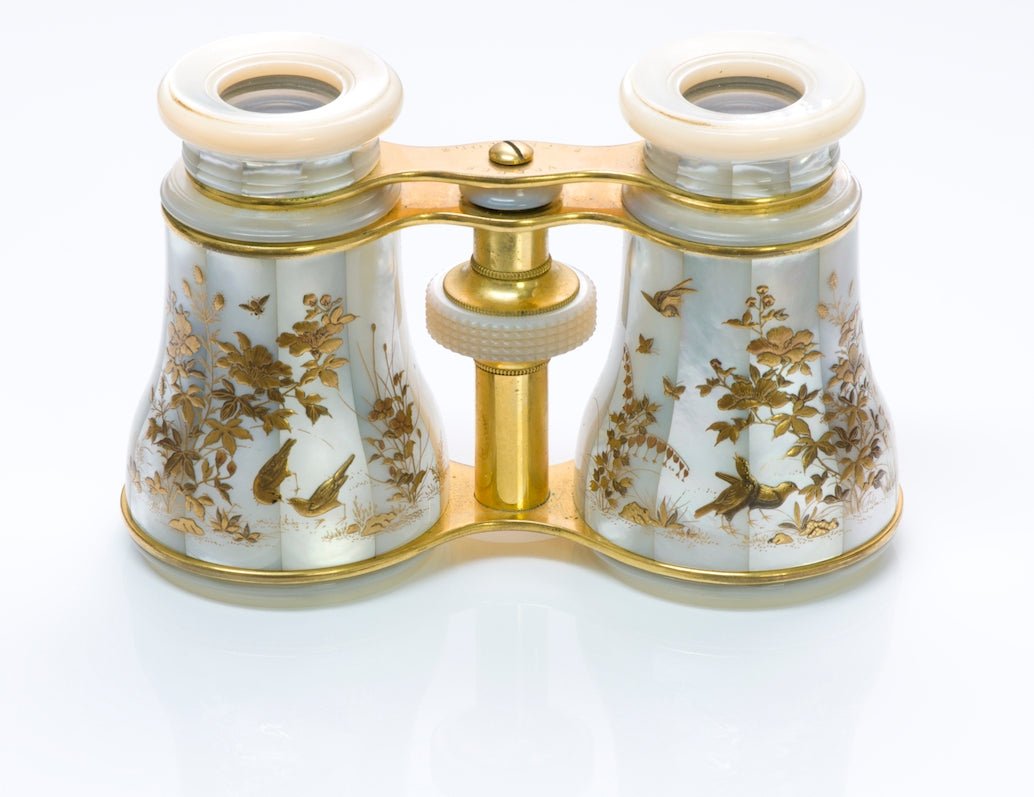
- Materials: Vintage glasses often feature brass, enamel, ivory, tortoiseshell, or mother-of-pearl inlays. Modern versions use more plastic and lightweight alloys.
- Craftsmanship: Most vintage pairs are hand-assembled, with careful attention to detail. Some have hand-painted scenes or delicate engravings.
- Optics: The lenses were made of glass, not plastic. Optical quality varies, but many still function well today.
- Mechanism: Many open and close with a central focusing wheel. Some include a folding handle or a chain for easy carrying.
- Design: The classic “Galilean” design (simple lenses, not prisms) was standard for most vintage opera glasses.
How To Identify Authentic Vintage Opera Glasses
Spotting a true vintage pair is a bit like detective work. Here are practical ways to distinguish them from modern replicas:
- Check the materials. Real mother-of-pearl feels cool and smooth, not like plastic. Brass should have a patina, not a shiny gold paint.
- Look for maker’s marks. Many vintage glasses have the brand name, country of origin, or patent numbers engraved or stamped on the frame.
- Inspect the lenses. Older glass may have tiny bubbles, slight yellowing, or scratches, but it should not be cloudy or warped.
- Test the mechanism. The focusing wheel should turn smoothly but may have some resistance from age.
- Assess the weight. Vintage opera glasses often feel heavier due to metal parts.
Here’s a quick comparison between vintage and modern opera glasses:
| Feature | Vintage Opera Glasses | Modern Opera Glasses |
|---|---|---|
| Material | Brass, glass, mother-of-pearl | Plastic, lightweight alloys |
| Origin | France, Austria, Germany | Mostly Asia, mass-produced |
| Design | Hand-crafted, ornate | Simpler, functional |
| Optics | Glass lenses | Often plastic lenses |
Why Collect Vintage Opera Glasses?
People collect vintage opera glasses for many reasons, both practical and sentimental. Here are some motivations:
- Historical value: Each pair tells a story about the era, place, and people who used them.
- Aesthetic appeal: Many are beautifully decorated and look great as display pieces.
- Investment: Rare or high-quality pairs can increase in value over time.
- Personal connection: Some people inherit them from family or find them at estate sales, connecting them to the past.
Non-obvious Insight: Hidden Makers And Provenance
Many beginners miss that the most valuable vintage opera glasses often come from lesser-known makers or have a documented history (provenance). While well-known brands like LeMaire or Chevalier are popular, unique pieces from small workshops or with a royal connection can fetch higher prices among collectors.
Popular Styles And Designs
There’s a surprising variety in vintage opera glasses. Some common styles you might encounter:
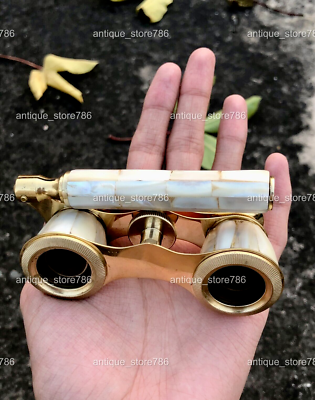
- Mother-of-Pearl Inlay: The most recognizable style, often with shimmering white or colored shell covering the barrels and focusing wheel.
- Enamel Decoration: Painted with flowers, landscapes, or portraits. These are highly collectible and sometimes signed by the artist.
- Lorgnettes: Opera glasses with a folding handle instead of a bridge. Popular with ladies in the late 1800s.
- Monoculars: Single-barrel glass, often used for discreet viewing.
- Art Deco and Art Nouveau: Styles from the early 20th century with geometric or flowing shapes.
- Travel Cases: Some come with original leather, velvet, or silk-lined cases, adding to their value.
Below is a comparison of two popular decorative types:
| Type | Main Feature | Collectability | Era |
|---|---|---|---|
| Mother-of-Pearl | Iridescent shell, classic look | High, especially with intact shell | 1850s–1930s |
| Enamel Painted | Hand-painted scenes or flowers | Very high, rare and fragile | 1880s–1920s |
Using Vintage Opera Glasses Today
Some people wonder if old opera glasses are still usable. The answer is yes, in most cases. While their magnification (usually 2. 5x to 3x) is lower than modern binoculars, it’s perfect for indoor theaters. The field of view is wide, making it easy to follow the action on stage.
To use a vintage pair:
- Gently clean the lenses with a soft, dry cloth.
- Adjust the focusing wheel to get a sharp image.
- Hold with both hands for a steady view.
Practical tip: If you plan to use vintage opera glasses at a modern event, check the venue’s policy. Some modern venues have rules about large or antique items. Also, avoid dropping them — old glass and mother-of-pearl can crack easily.
What To Consider When Buying Vintage Opera Glasses
Buying vintage opera glasses is not just about looks. Here are the key points to check:
- Condition: Are the lenses clear? Is the focusing mechanism smooth? Any chips or cracks in the shell or enamel?
- Completeness: Does it come with the original case or handle? Missing parts can lower the value.
- Authenticity: Are there any maker’s marks, serial numbers, or original documentation?
- Price: Vintage opera glasses can range from $30 for common pairs to over $1,000 for rare, decorated, or gold-plated examples.
- Purpose: Do you want them for use, display, or investment? Choose accordingly.
Non-obvious Insight: Beware Of “marriages”
A “marriage” in the antique world means a piece made from parts of different items. Some sellers combine barrels from one set and a bridge from another. Always look for consistent wear, matching materials, and even screws.
Here’s a quick reference for evaluating a pair:
| Aspect | What to Look For | Red Flag |
|---|---|---|
| Lenses | Clear, glass, no fogging | Cloudy or plastic lenses |
| Body | Even patina, original finish | Bright new screws, mismatched parts |
| Mechanism | Smooth focusing wheel | Stiff or stuck parts |
| Markings | Makers’ marks, serial numbers | No markings at all (not always bad, but check) |
Caring For Vintage Opera Glasses
To keep vintage opera glasses in good shape:
- Store them in a dry, padded case away from sunlight.
- Avoid harsh chemicals on the lenses or body.
- If you need to clean the metal, use a gentle brass or silver polish and a soft cloth.
- For stubborn dirt inside, consult a professional. Don’t try to disassemble them yourself — small screws and springs can break easily.
Pro tip: If the mother-of-pearl looks dull, a quick wipe with a damp (not wet) cloth can restore shine. Never soak or scrub.
Where To Find Vintage Opera Glasses
There are several places to look:
- Antique stores: You can inspect the item before buying.
- Online marketplaces: Websites like eBay and Etsy have many listings, but check seller reviews and ask for extra photos.
- Auction houses: Sometimes offer rare or high-end pieces, often with certificates of authenticity.
- Flea markets and estate sales: Great for bargains, but you’ll need to inspect items closely.
- Specialty dealers: Some dealers focus on optical antiques and provide expert advice.
If you want more information about the history of opera glasses, check Wikipedia’s opera glasses page.
Frequently Asked Questions
What Is The Difference Between Opera Glasses And Binoculars?
Opera glasses are a type of small, low-power binoculars designed for indoor use, especially at theaters and operas. They use a simple lens system and have a wide field of view but lower magnification (usually 2. 5x to 3x). Regular binoculars are made for outdoor use, with higher magnification and more advanced optics.
How Can I Tell If My Opera Glasses Are Valuable?
Value depends on several factors: the maker, materials (like gold or mother-of-pearl), condition, and rarity. Pairs with hand-painted decoration or from famous makers like LeMaire or Chevalier are usually worth more. Original cases and paperwork also add value.
Can I Still Use Vintage Opera Glasses At Modern Events?
Yes, most vintage opera glasses work well for opera, theater, or ballet. Just make sure the lenses are clear and the mechanism works. Some venues may have rules about bringing in antiques, so check ahead.
Are There Fake Vintage Opera Glasses On The Market?
Yes, some modern replicas are sold as “vintage” online. Check for signs like plastic parts, lack of wear, or incorrect maker’s marks. When in doubt, consult an expert or buy from a reputable dealer.
How Should I Clean And Maintain Vintage Opera Glasses?
Use a soft, dry cloth for the lenses and avoid harsh chemicals. Store in a padded case away from sunlight and moisture. If you notice serious dirt or mechanical problems, ask a specialist for help rather than trying to repair them yourself.
Vintage opera glasses are not just functional tools — they’re pieces of history, art, and culture. Whether you want to collect, use, or simply admire them, understanding their unique features and history helps you enjoy them even more. If you ever come across a pair at a market or in a family attic, now you know what to look for and how to appreciate these charming windows to the past.


