
Opera glasses are small binoculars designed for use at the theater, opera, ballet, or other performances. When people think of opera glasses, they often imagine delicate, vintage designs with a touch of elegance. But one common question remains: Are opera glasses portable? If you’re someone who attends performances or loves collecting unique optical tools, understanding the portability of opera glasses is essential. In this article, we’ll look at their size, weight, design, and real-life usability. We’ll compare them to regular binoculars, explain the factors that affect their portability, and share what to consider if you want to carry them to your next show.
Understanding Opera Glasses
Opera glasses are a special type of binoculars, usually with low magnification (2x to 5x). They help you see details on stage without being heavy or distracting to others. Most opera glasses are made to match formal outfits and fit easily in a purse or pocket.
Opera glasses became popular in the 19th century, especially in European theaters. They were seen as both a fashion accessory and a useful tool. Modern opera glasses may look old-fashioned, but many use up-to-date optics and materials.
What Does Portability Mean For Opera Glasses?
Portability is about more than just small size. For opera glasses, portability means:
- Lightweight enough to carry without discomfort.
- Compact so they fit in small bags or even pockets.
- Easy to handle and use quickly during a performance.
- Discreet so they do not block others’ view or distract.
Let’s break down these points to see how most opera glasses perform.
Size And Weight: The Numbers
Most opera glasses are much smaller and lighter than regular binoculars. Here is a comparison of average sizes and weights:
| Type | Dimensions (cm) | Weight (grams) |
|---|---|---|
| Opera Glasses | 7 x 4 x 3 | 120 – 200 |
| Compact Binoculars | 12 x 8 x 4 | 200 – 400 |
| Full-Size Binoculars | 18 x 15 x 7 | 600 – 1000 |
As you can see, opera glasses are much smaller and lighter than even compact binoculars. This makes them easy to carry for long periods.
Design Features That Help Portability
Opera glasses are designed for ease of use in crowded places. Here are some common features that make them portable:
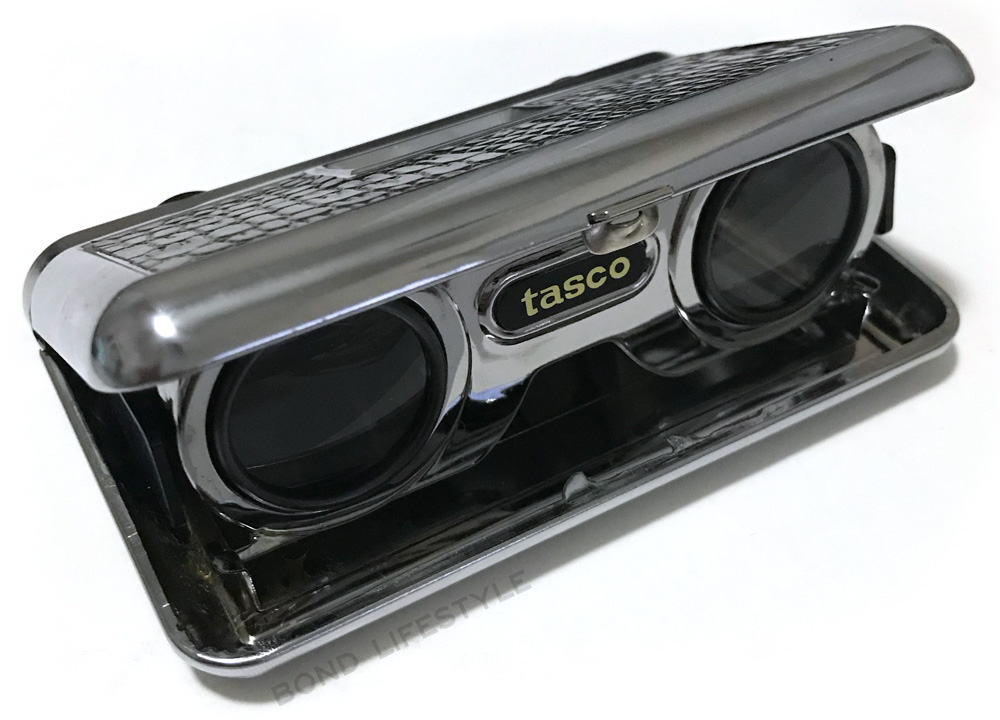
- Folding Mechanism: Some models fold into an even smaller size, ideal for slipping into a pocket.
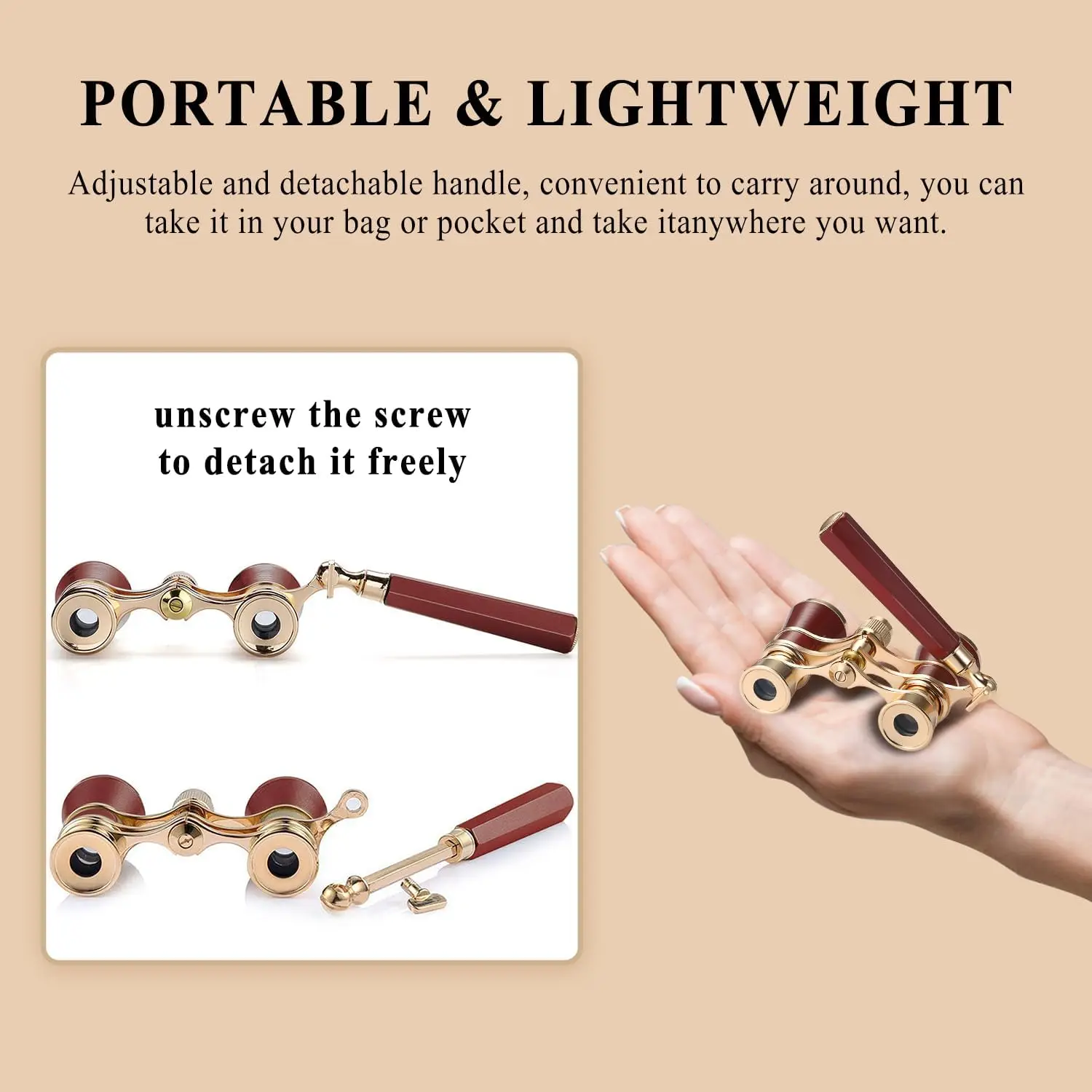
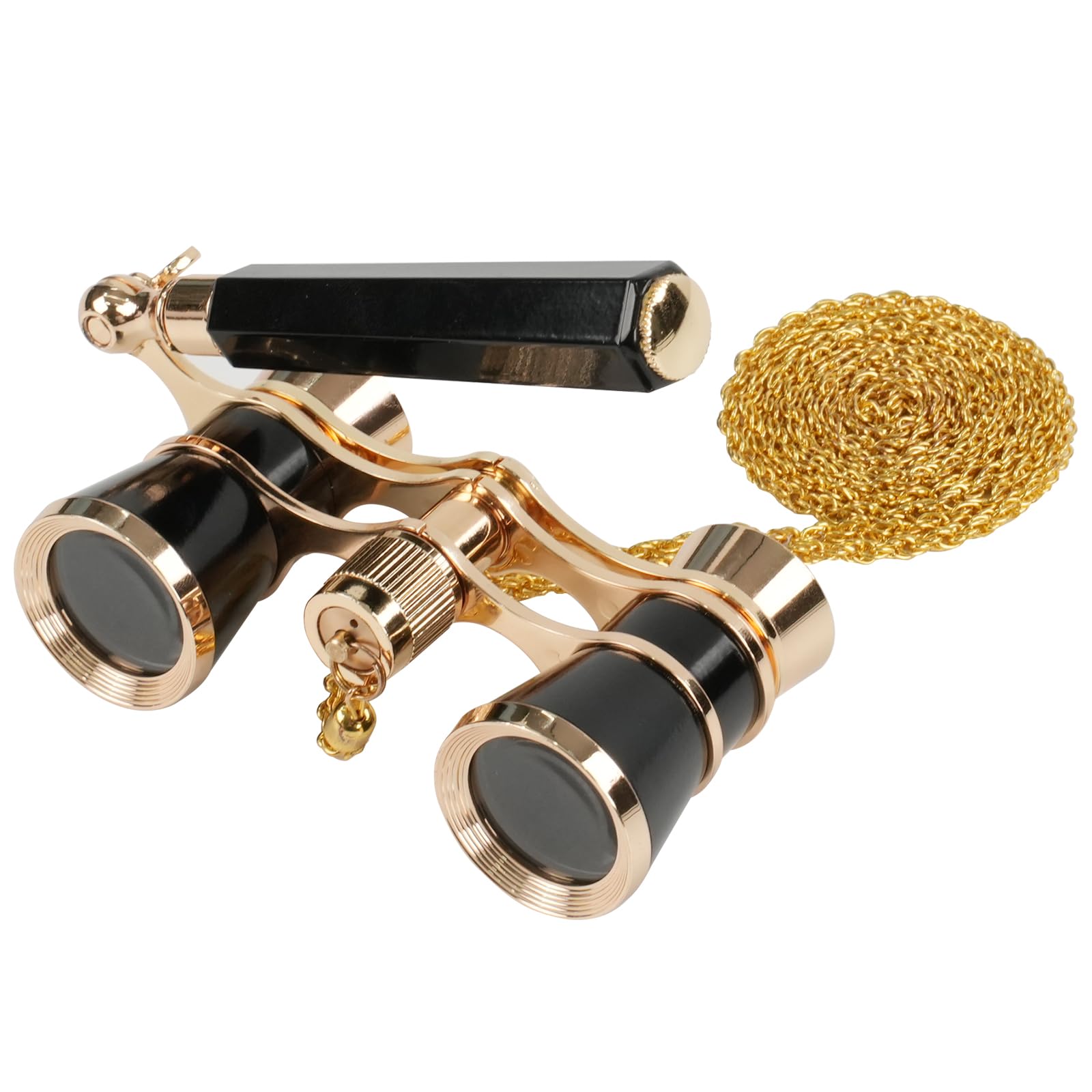
- Attached Chains or Handles: Many have a small chain or a collapsible handle, so you can hang them from your wrist or hold them easily.
- Protective Cases: Most come with a soft pouch or hard case, protecting them from scratches while in your bag.
- Simple Focus Wheel: The focus is easy to adjust, so you don’t waste time during a show.
While these features may seem simple, they make a big difference. For example, a folding design means you don’t need a special bag. A chain or handle keeps you from dropping them in the dark.
Comparing Opera Glasses With Other Binoculars
To understand portability, let’s compare opera glasses with other optical devices:
| Feature | Opera Glasses | Compact Binoculars | Monoculars |
|---|---|---|---|
| Magnification | 2x – 5x | 8x – 10x | 6x – 10x |
| Field of View | Wide | Medium | Medium |
| Size | Very small | Small | Small |
| Weight | Very light | Light | Light |
| Style | Elegant/classic | Modern | Modern |
This table shows that opera glasses are designed for short-distance viewing in style, not for birdwatching or hiking. Their portability comes from their small size and light weight, not just their optics.
Real-life Examples: How Portable Are They?
To see what portability means in practice, let’s look at a few scenarios:
Scenario 1: Visiting The Opera
You want to enjoy a performance from the balcony. Your opera glasses fit in your evening bag or pocket, weighing less than your phone. When the lights go down, you can easily reach for them, look through, and then put them away without making noise or taking up space.
Scenario 2: Traveling
Some people collect opera glasses as travel souvenirs. Because they are small, you can bring several pairs home in your suitcase without using much space. They make a unique and practical gift.
Scenario 3: Outdoor Use
While opera glasses are not made for sports or hiking, you can use them at outdoor concerts or open-air theaters. Their size and weight mean they won’t slow you down or get in the way.
In all these cases, portability is a major advantage.
Practical Tips For Carrying Opera Glasses
If you want to make the most of your opera glasses’ portability, here’s what you should do:
- Use the Provided Case: Always carry them in the case to avoid scratches.
- Choose Folding Models: If you need to save even more space, select a folding type.
- Check for Detachable Chains: If you prefer not to have a chain or handle, choose a model where these can be removed.
- Keep Lenses Clean: Small glasses can get dirty quickly in bags; use a lens cloth regularly.
- Avoid Heavy Accessories: Skip large pouches or decorations that make the glasses bulkier.
These steps ensure your opera glasses stay in good condition and ready for use.
Common Mistakes When Choosing Portable Opera Glasses
Many first-time buyers focus too much on looks and forget about real portability. Here are some mistakes to avoid:
- Buying oversized “opera” binoculars: Some sellers offer large binoculars as opera glasses. These are not portable.
- Ignoring weight: Even a small increase in weight can feel heavy in a small clutch bag.
- Not checking folding options: Some glasses look small in photos but do not fold, making them less portable.
- Choosing fancy but fragile designs: Decorative models may look nice but break easily in a purse or pocket.
If portability is your goal, always check the real size and weight before buying.
Are Vintage Opera Glasses Portable?
Many people love the look of vintage opera glasses. Are they as portable as modern ones? The answer is usually yes, but with some warnings:
- Older models may be heavier due to brass or glass construction.
- Some do not fold and can be larger than today’s versions.
- Cases may be missing for antiques, so you may need to buy a modern pouch for protection.
If you collect or use vintage glasses, measure and weigh them before bringing them to a show.
How To Choose The Most Portable Opera Glasses
When shopping for the most portable option, focus on these features:
- Small dimensions – Under 8 cm in length is ideal.
- Light weight – Under 200 grams.
- Folding design – Folds flat or into a small shape.
- Sturdy materials – Metal or strong plastic.
- Simple focus wheel – Easy to use with one hand.
- Case included – Protects lenses and body.
Some top brands even offer “mini” versions for maximum portability.
Are There Downsides To Portability?
While portable opera glasses are convenient, there are a few trade-offs:
- Lower magnification: Most have only 2x-5x power, which is enough for theaters but not for distant objects.
- Smaller field of view: Extremely compact models may have a narrower view.
- Less stability: Because they are light, your hands need to stay steady.
For most theater-goers, these downsides are minor compared to the advantages.
Two Non-obvious Insights For Beginners
- Lens quality matters more than size: A tiny opera glass with poor lenses is not helpful, even if it’s easy to carry. Always check for coated optics for a brighter image.
- Wrist chains improve usability: Many people think chains are just decoration, but they keep glasses from falling if you drop them in a dark theater. This is a subtle but practical feature for real-world use.
When Portability Is Most Important
You may want to prioritize portability if:
- You attend events where large bags are not allowed.
- You need to carry other items (like a program, tickets, or phone).
- You value comfort and don’t want extra weight.
- You travel to different venues and need something reliable.
If you mainly use opera glasses at home or at the same theater, portability may be less crucial.
Opera Glasses And Security Checks
Many modern venues have security checks. Portable opera glasses pass through easily because they look harmless and fit in small bags. Large binoculars may be questioned or not allowed at all.
For more details on the history and evolution of opera glasses, you can visit Wikipedia.
Frequently Asked Questions
What Is The Ideal Size For Portable Opera Glasses?
The best portable opera glasses are usually under 8 cm in length and weigh less than 200 grams. This size fits easily in most pockets or small handbags and is comfortable to hold for long periods.
Can I Use Opera Glasses For Outdoor Events?
Yes, you can use them at outdoor concerts or festivals, but remember they have low magnification. They are not suitable for watching distant sports or wildlife, but they work well for performances where you want to see faces or costumes clearly.
Are Vintage Opera Glasses Less Portable Than Modern Ones?
Vintage opera glasses are often just as portable as modern ones, but some older models can be heavier or bulkier. Always check their actual size and weight before bringing them to a performance.
Do All Opera Glasses Come With A Protective Case?
Most new opera glasses come with a protective pouch or hard case. For vintage or used pairs, you may need to buy a case separately to keep them safe in your bag.
How Do I Clean My Portable Opera Glasses?
Use a soft lens cloth (the kind used for eyeglasses) to clean the lenses. Avoid using paper towels or rough fabric, as these can scratch the glass. For the body, a damp cloth is enough. Always store the glasses in their case when not in use.
Opera glasses have stood the test of time because of their style, usefulness, and above all, portability. Whether you’re a regular at the opera or just enjoy a night out, a good pair of portable opera glasses can make every performance more enjoyable. Choose wisely, and you’ll have a theater companion that’s easy to carry and always ready when the curtain rises.

