
Night vision goggles have always fascinated people—whether you are a soldier, a hunter, or just curious about how technology lets us see in the dark. One common question is, are night vision goggles waterproof? If you want to use them in rain, cross rivers, or operate in humid jungles, you need to know if your gear can handle water. The answer isn’t as simple as “yes” or “no.” Instead, it depends on the type, quality, and intended use of the goggles. Understanding these details is important before you buy or use night vision equipment in wet environments.
This article gives a complete look at waterproofing in night vision goggles. We’ll cover what “waterproof” means for electronics, how different types of goggles perform, IP ratings, real-world examples, and what happens if water gets inside. You’ll also learn how to protect your device, what to look for when buying, and why not all “waterproof” claims are equal.
If you want to avoid expensive mistakes and choose the right night vision gear for any environment, read on.
What Does Waterproof Mean For Night Vision Goggles?
The word waterproof gets used a lot, but it can mean different things, especially with electronics like night vision goggles. In general, waterproof means a device can resist water to a certain degree, either for a short time or under specific conditions. However, there’s a difference between something that can survive a splash and something you can fully submerge.
Waterproof Vs. Water-resistant
- Water-resistant: Handles light rain, splashes, or brief exposure, but not full immersion.
- Waterproof: Can be submerged in water up to a certain depth for a specific period, without letting water inside.
For night vision goggles, true waterproofing is rare except in military or specialized models. Most consumer-grade goggles are water-resistant rather than waterproof.
Why Waterproofing Matters
Night vision goggles are packed with sensitive electronics—image intensifier tubes, batteries, lenses, and wiring. Water can quickly damage these parts, causing fogging, short circuits, or total failure. That’s why waterproofing (or at least good water resistance) is essential if you plan to use them outdoors in unpredictable weather.
How Waterproof Are Different Types Of Night Vision Goggles?
Not all night vision goggles are created equal. Their waterproof capabilities depend on their type, price range, and target users.
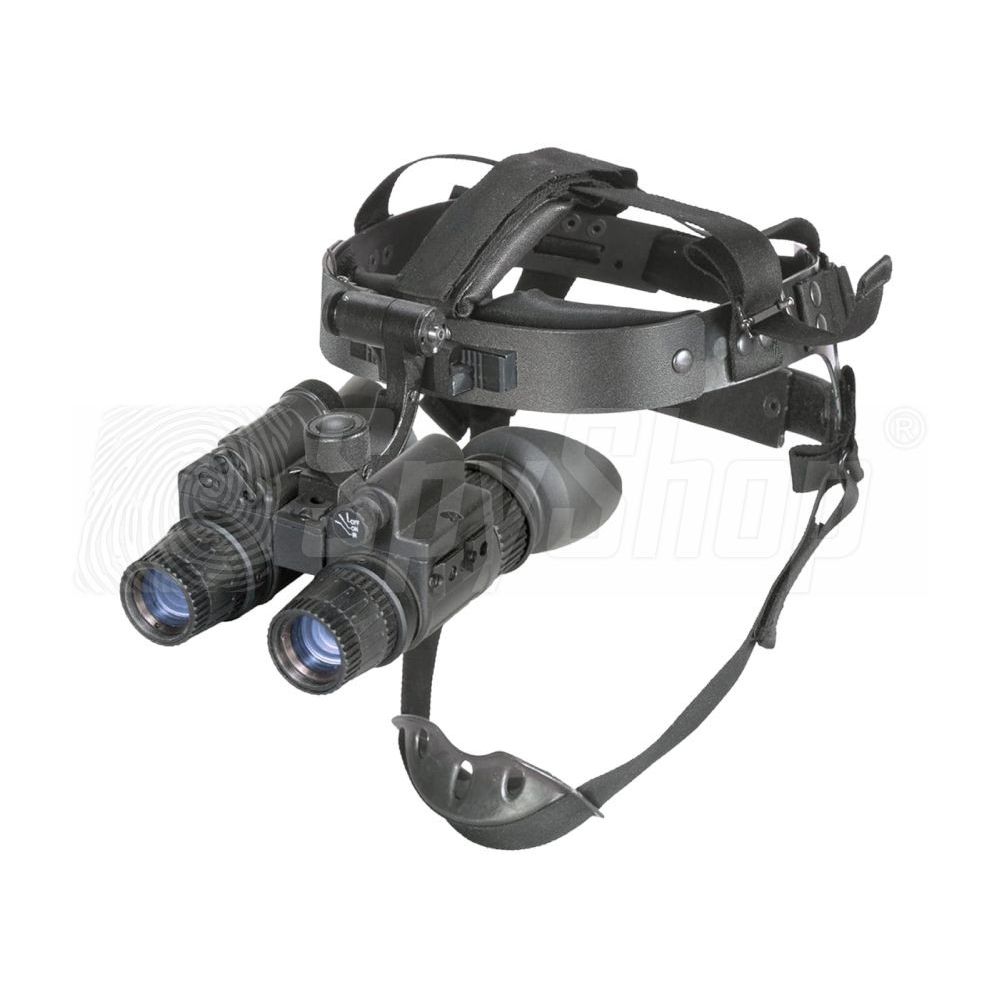
Military-grade Goggles
Most military night vision goggles are designed for harsh environments, including wet conditions. These devices often meet strict waterproof standards, such as being able to function after full immersion in water.
For example, the AN/PVS-14 monocular, widely used by the U.S. military, can be submerged in water up to 1 meter for 30 minutes without damage. Some newer models go even deeper.
Consumer And Civilian Models
Most civilian night vision goggles are less rugged. They may handle light rain or splashes but are not intended for submersion. Their waterproof rating (if any) is usually lower, and they have more plastic parts, less sealing, and more exposed ports.
Digital Night Vision Devices
Digital night vision goggles use cameras and screens instead of image intensifier tubes. They are often less waterproof, as screens and electronic boards are more sensitive to moisture. Many are only rated as “weather-resistant. ”
Head-mounted Vs. Handheld
- Head-mounted goggles (like military models) are more likely to be waterproof because they need to survive tough conditions.
- Handheld night vision devices may offer less water protection, as users can store them in a bag or pocket when not in use.

Understanding Ip Ratings For Night Vision Goggles
To compare waterproofing, manufacturers often use the IP rating (Ingress Protection). This standard shows how well a device resists dust and water.
How To Read Ip Ratings
An IP rating looks like “IP67”:
- The first number (6) shows protection against dust (6 is the highest).
- The second number (7) shows water resistance.
Here’s a quick guide:
| IP Rating | Water Protection Level | Example Use |
|---|---|---|
| IPX4 | Resists splashes from any direction | Light rain |
| IPX7 | Can be submerged up to 1 meter for 30 minutes | Falling into a river |
| IPX8 | Submersible deeper than 1 meter (manufacturer specifies depth) | Diving operations |
Most civilian night vision goggles have ratings between IPX4 and IPX7. Only high-end or military models reach IPX7 or higher.
Why Ip Ratings Matter
You should always check the IP rating before buying, especially if you plan to use your goggles in rain, near water, or in humid places. Don’t trust claims like “waterproof” without a real rating.
Real-world Examples Of Waterproof Night Vision Goggles
Let’s look at some actual products and how they handle water:
An/pvs-14 Military Monocular
- IP67 rating: Dust-tight and can be submerged in 1 meter of water for 30 minutes.
- Used by U.S. armed forces in all weather, including amphibious operations.
Agm Global Vision Wolf-14
- IP67 rating.
- Can handle heavy rain and short submersion.
- Popular with law enforcement and search & rescue teams.
Atn Pvs7-3
- Rugged, waterproof housing.
- Used in marine environments for navigation and rescue.
Common Civilian Goggles
Most are rated IPX4 or “weather-resistant” only. For example, some Sightmark and Night Owl models handle rain but not full immersion.
Digital Night Vision Binoculars
Most digital models (like some from Bestguarder or CREATIVE XP) are “weather-resistant” but not fully waterproof. They should not be submerged.
What Happens If Water Gets Inside Night Vision Goggles?
Water is one of the biggest threats to night vision goggles. Here’s what can go wrong:
Short Circuits And Electrical Damage
When water touches the circuit boards or battery contacts, it can cause a short circuit, destroying the electronics instantly.
Fogging And Lens Damage
Moisture trapped inside can cause fogging on the lenses or the inner surfaces. This makes the image blurry and hard to use, especially in cold weather.
Corrosion
Even a tiny amount of water can cause corrosion on metal parts, solder joints, or battery terminals. Over time, this may make the device unusable.
Permanent Failure
Night vision tubes and sensors are sensitive. Water damage may not be repairable, especially if it reaches the image intensifier tube or display.
Real Example
A user reported on a hunting forum that after dropping his civilian night vision goggles in a lake, they worked for a few minutes, then died completely. The manufacturer’s warranty didn’t cover water damage because the device was only “splash resistant.
”
How To Protect Your Night Vision Goggles From Water
No matter how waterproof your goggles are, smart habits can prevent water damage.
- Check the IP rating: Don’t risk submerging a device without an IPX7 or better rating.
- Keep battery compartments sealed: Always close battery covers tightly. Even a small gap can let water in.
- Use waterproof cases: For added protection, carry goggles in a waterproof case when not in use.
- Avoid sudden temperature changes: Moving from cold to warm can cause condensation inside the goggles.
- Dry after use: If your goggles get wet, dry them thoroughly before storing.
- Use desiccant packs: Store with silica gel packs to absorb moisture.

What To Look For When Buying Waterproof Night Vision Goggles
Choosing the right goggles for wet environments is more than just finding the word “waterproof” on the box.
Key Features To Consider
- IP rating: Look for IPX7 or higher for real waterproofing.
- Housing material: Metal or reinforced polymer is better than standard plastic.
- Sealed buttons and ports: Rubber covers keep water out of controls and connectors.
- Fog-resistant lenses: Some goggles have special coatings or gas-filled interiors.
- Warranty: Check if water damage is covered by the manufacturer.
Comparison Of Three Popular Models
Here’s how three night vision goggles compare for waterproofing:
| Model | IP Rating | Waterproof Depth | Type |
|---|---|---|---|
| AN/PVS-14 | IP67 | 1 meter / 30 minutes | Monocular (Military) |
| AGM Wolf-14 | IP67 | 1 meter / 30 minutes | Monocular |
| Sightmark Ghost Hunter | IPX4 | Rain only | Binocular (Civilian) |
Non-obvious Insights
- Devices with higher IP ratings often have heavier, thicker housings—something to consider if you want lightweight gear.
- Aftermarket “waterproof cases” are helpful, but they do not turn a non-waterproof goggle into a dive-ready device. Always check the device’s own rating.
Common Buyer Mistakes With Waterproof Night Vision Goggles
Many people make avoidable errors when shopping for or using night vision goggles:
- Ignoring the IP rating: Some buyers trust marketing language like “all-weather” or “splash-proof.” Always ask for the real IP rating.
- Confusing water-resistance with waterproofing: Just because a device works in light rain doesn’t mean it will survive immersion.
- Not sealing battery compartments: Even waterproof models can fail if covers aren’t closed properly.
- Believing all military surplus is waterproof: Some surplus night vision gear may have worn seals or old gaskets that no longer provide full waterproofing.
- Forgetting about humidity: Even without rain, humid environments can cause condensation inside goggles.
Care And Maintenance For Waterproof Night Vision Goggles
Proper care keeps your night vision working and extends its life.
Tips For Maintenance
- After exposure to water, always clean and dry your goggles.
- Check for cracks, loose seals, or damaged ports.
- Replace O-rings or seals as recommended by the manufacturer.
- Store in a dry, cool place with desiccant packs.
Dealing With Water Damage
If water gets inside:
- Remove batteries immediately.
- Dry with a soft cloth and leave open in a dry place.
- Do not use heat (like a hair dryer), as this can damage seals.
- Contact the manufacturer for repair options.
Frequently Asked Questions
Are All Military Night Vision Goggles Waterproof?
No, not all military models are fully waterproof, but most are designed for high water resistance or full immersion. Always check the model’s IP rating and specifications before use.
Can I Use Waterproof Night Vision Goggles For Swimming Or Diving?
Some high-end models can survive brief underwater use (like crossing a river), but most are not made for deep diving. Check for an IPX8 rating and read the manufacturer’s limits for depth and time.
What Is The Difference Between Ipx7 And Ipx8 For Night Vision Goggles?
IPX7 means the device can be submerged in up to 1 meter of water for 30 minutes. IPX8 means it can go deeper and longer, but the exact limits depend on the manufacturer’s specifications.
What Should I Do If My Night Vision Goggles Get Wet Inside?
Immediately remove the batteries, dry the device, and leave it in a dry, ventilated place. Do not turn it on. If possible, contact the manufacturer for repair or advice. Water damage often voids the warranty.
Are There Any Fully Waterproof Digital Night Vision Goggles?
Most digital models are only water-resistant, not fully waterproof. This is because screens and electronics are sensitive to water. However, some rugged models have higher IP ratings—always check before buying. For more on IP ratings, see the IP Code Wikipedia page.
Night vision goggles are powerful tools for seeing in the dark, but water can be their worst enemy. While some models are highly waterproof, most are only water-resistant. Always check the IP rating, follow care tips, and match your equipment to your environment.
By choosing wisely and maintaining your gear, you’ll enjoy clear, reliable vision—rain or shine.

