
Are Elk Endangered?
Elk are some of the most impressive animals in North America and parts of Asia. With their large antlers and powerful bodies, they capture the imagination of anyone who sees them. But as people learn more about wildlife and environmental issues, a common question comes up: Are elk endangered? The answer isn’t as simple as yes or no. The situation changes depending on the region, the specific subspecies, and the threats these animals face. If you care about nature or just want to know more about elk, this article will help you understand their current status, why it matters, and what the future might hold for these majestic creatures.
What Are Elk?
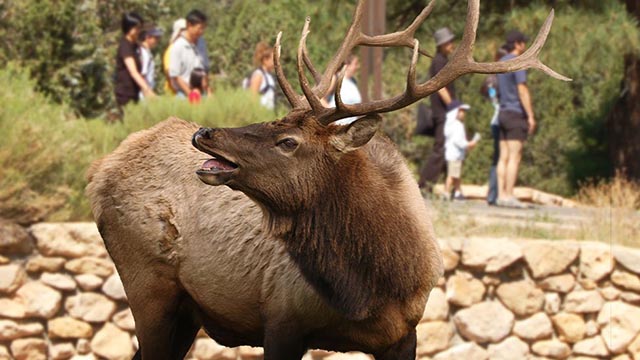
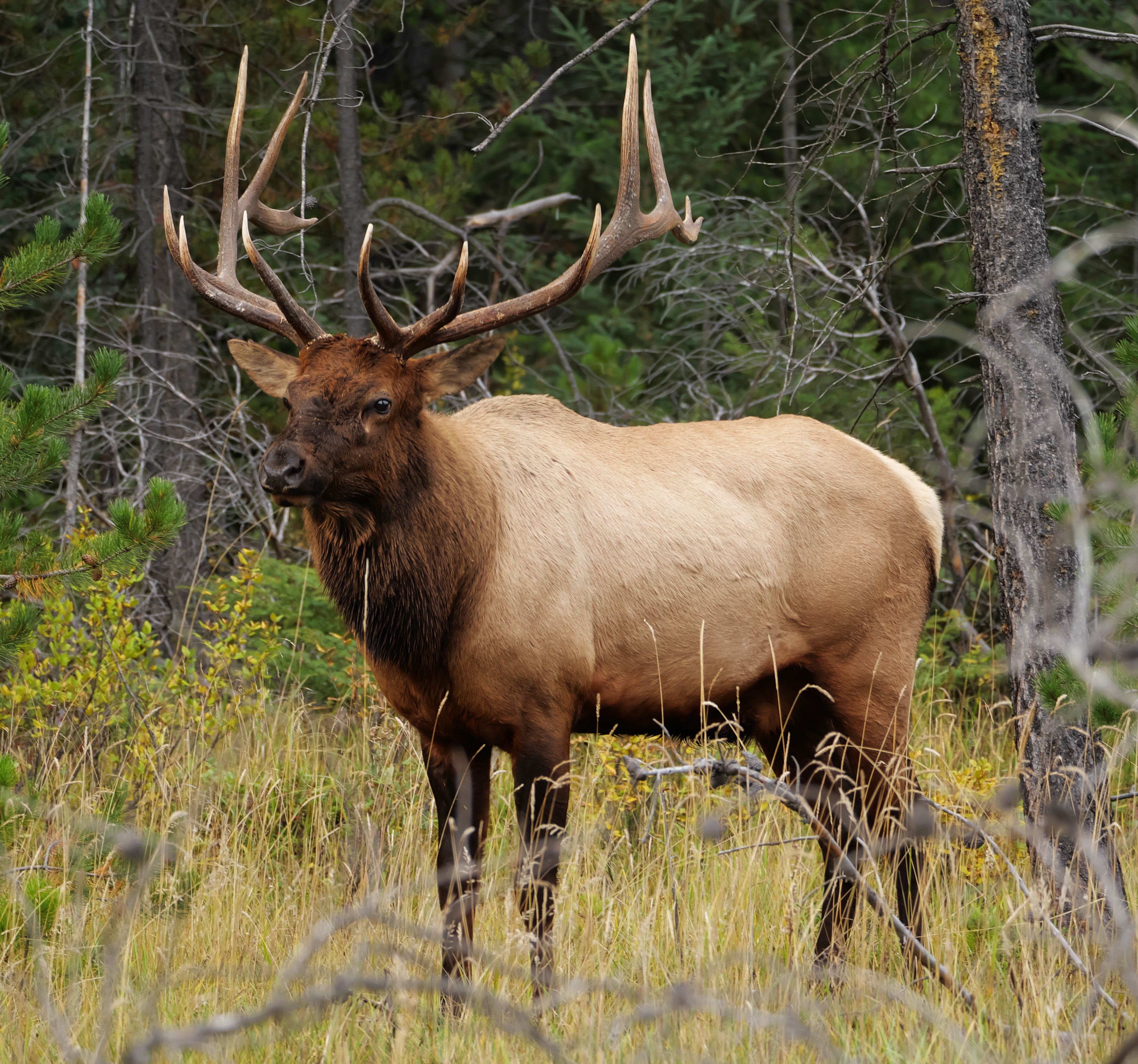
Elk, also known as wapiti, are large members of the deer family. They are bigger than most other deer, and only moose are larger in North America. Male elk, called bulls, grow large antlers every year. Female elk, called cows, do not have antlers. Elk are social animals, living in herds that can be made up of dozens or even hundreds of individuals.
There are several recognized subspecies of elk. Some live in North America, while others are native to Asia. This is important because the conservation status and the threats can be very different for each group.
Elk Distribution Around The World
Elk once lived across a huge area. Today, their range is more limited but still impressive.
North America
Elk were once common across much of the United States and Canada. Overhunting and habitat loss pushed them out of many areas. Today, healthy populations exist in the Rocky Mountains, the Pacific Northwest, parts of Canada, and areas where elk have been reintroduced, such as the Great Smoky Mountains and the Ozarks.
Asia
In Asia, elk are known as Cervus canadensis and live in eastern Russia, Mongolia, and northern China. Here, they face different challenges, including poaching and habitat loss.
Subspecies And Their Locations
Here’s a quick overview of the main elk subspecies and where they live:
| Subspecies | Region | Current Status |
|---|---|---|
| Rocky Mountain Elk | Western North America | Stable |
| Roosevelt Elk | Pacific Northwest | Stable |
| Tule Elk | California | Recovering |
| Manitoban Elk | Central Canada, Northern USA | Stable |
| Altai Wapiti | Asia (Russia, Mongolia) | Declining |
| Eastern Elk | Eastern USA (historical) | Extinct |
Are Elk Endangered Globally?
Elk as a species are not endangered. According to the International Union for Conservation of Nature (IUCN), elk are classified as “Least Concern.” This means their populations are not at risk of extinction on a global scale. However, this broad label can be misleading. Some subspecies or local populations are at risk, while others are growing or stable.
What Does “endangered” Really Mean?
The word “endangered” has a specific meaning in conservation. It means a species faces a very high risk of extinction in the near future. This is different from “threatened” or “vulnerable. ” The IUCN Red List provides these categories, which help scientists and governments decide where to focus their efforts.
Subspecies At Risk
Some subspecies of elk have faced serious problems. Understanding these cases helps explain why the answer to “Are elk endangered? ” is not simple.
Eastern Elk (cervus Canadensis Canadensis)
The Eastern elk once lived in the forests of the eastern United States. Because of hunting and loss of habitat, they disappeared. The last confirmed Eastern elk was seen in Pennsylvania in the late 1800s. Today, this subspecies is considered extinct.
Tule Elk (cervus Canadensis Nannodes)
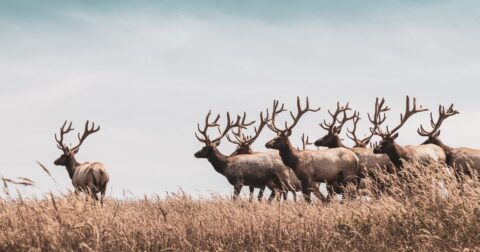
The Tule elk is found only in California. In the 1800s, their numbers dropped to fewer than 30 individuals. Thanks to strong protection and careful management, the population has grown to more than 5,000. However, they still live in a small area and face risks from drought, disease, and limited genetic diversity.
Altai Wapiti (cervus Canadensis Sibiricus)
In Asia, the Altai wapiti faces different problems. Their numbers are falling because of poaching and the loss of forests. Climate change also makes their future less certain.
Current Elk Population Numbers
Many people are surprised to learn that elk are doing well in many areas. In fact, their numbers have increased in the past 50 years, especially in North America.
| Region | Estimated Population | Trend |
|---|---|---|
| United States (all subspecies) | ~1,000,000 | Increasing |
| Canada | ~72,000 | Stable |
| Asia (all subspecies) | ~100,000 | Decreasing |
| California (Tule elk) | ~5,700 | Recovering |
This table shows that while some populations are increasing, others are shrinking. The main risk is to small or isolated groups, especially those outside North America.
Key Threats To Elk
Elk are tough, but they face some real dangers. Understanding these threats helps explain why some elk do well while others struggle.
1. Habitat Loss
Forests and grasslands are turned into farms, cities, or roads. Elk need large wild areas to live and find food.
2. Hunting And Poaching
In the past, overhunting nearly wiped out elk in many places. Today, legal hunting is controlled, but illegal hunting (poaching) is still a problem in some countries.
3. Disease
Illnesses like chronic wasting disease (CWD) can spread quickly among elk. This disease affects the brain and is always fatal.
4. Climate Change
Changing weather patterns can affect elk food supplies and make it harder for them to survive harsh winters or dry summers.
5. Barriers To Movement
Fences, highways, and new developments can cut off migration routes. Elk need to move across large areas to find food and mates.
6. Genetic Problems
Small, isolated groups can suffer from inbreeding, which weakens the population over time.
Success Stories: Elk Recovery In North America
Elk are a symbol of successful wildlife management in the United States and Canada. In the early 1900s, elk were almost gone from many states. Conservation efforts have brought them back in many areas.
Reintroduction Projects
Many elk now live in places where they disappeared over 100 years ago. For example, Kentucky, Pennsylvania, and the Great Smoky Mountains have all seen elk return because of careful reintroduction. These projects moved elk from areas with healthy populations to places where they were extinct.
Hunting Regulations
Controlled hunting helps keep elk populations healthy. States and provinces use hunting licenses and strict rules to prevent overhunting. Money from hunting licenses often funds conservation efforts.
Protected Areas
National parks and wildlife refuges give elk safe places to live. Yellowstone National Park, for example, is famous for its large elk herds.
How Do Scientists Track Elk Populations?
Understanding how many elk exist and where they live is important for making decisions about their future. Scientists use several methods to study elk:
- Aerial surveys: Flying over land to count elk from a plane or helicopter.
- Radio collars: Placing collars with GPS on elk to track their movements.
- Trail cameras: Setting up cameras in the wild to capture images of elk.
- Genetic studies: Using DNA from hair or droppings to study elk health and diversity.
These methods give detailed information. For example, tracking helps scientists see if highways or fences are blocking elk movement. Genetic studies show if inbreeding is a problem.
Elk In Culture And Economy
Elk are more than just animals in the wild. They are important to Native American tribes, hunters, photographers, and tourists. In some places, elk hunting is a major industry, bringing in millions of dollars each year. Elk antlers, meat, and hides have been used for thousands of years.
But there’s another side: as elk populations increase in some areas, they sometimes compete with cattle for food or damage crops. This can lead to conflicts with farmers.
How You Can Help Elk
You don’t have to be a scientist or a park ranger to help elk survive and thrive. There are simple steps anyone can take:
1. Support Conservation Groups
Organizations like the Rocky Mountain Elk Foundation work to protect elk habitat and educate the public.
2. Follow Hunting Laws
If you hunt, always follow local laws and respect hunting seasons.
3. Be A Responsible Tourist
When visiting elk habitats, keep your distance and never feed wild animals.
4. Advocate For Wildlife Corridors
Support projects that help elk move safely between different areas.
5. Spread Awareness
Share what you learn about elk with others. Many people don’t know that some elk subspecies are still at risk.
How Elk Compare To Other Large Animals
It helps to see how elk conservation compares to similar animals. Here’s a comparison with bison and moose:
| Animal | Global Status | Population Trend | Main Threats |
|---|---|---|---|
| Elk | Least Concern | Mostly stable/increasing | Habitat loss, disease, poaching |
| Bison | Near Threatened | Recovering | Habitat loss, limited range |
| Moose | Least Concern | Stable | Climate change, disease, hunting |
You can see that, compared to bison, elk are in a better position, but they still face some of the same challenges.
The Future For Elk
Elk are a great example of how people can make a difference. In North America, careful management has helped elk recover. But the story is not finished. Climate change, disease, and shrinking wild places mean we must stay alert. In Asia and for small subspecies like the Tule elk, the future is less certain. Protecting these animals means thinking about the big picture: healthy forests, connected landscapes, and respect for wildlife.
If you want to learn more about global elk populations and their status, you can visit the Wikipedia Elk page for detailed and current information.
Frequently Asked Questions
What Is The Main Reason Elk Went Extinct In Some Areas?
The main reason was overhunting and habitat loss. In the past, people hunted elk for meat and antlers without limits. At the same time, forests and grasslands were cleared for farms and towns, leaving elk with nowhere to live.
Are There Any Elk Left In The Eastern United States?
Yes, but they are not the original Eastern elk. That subspecies is extinct. Today’s elk in the east are mostly Rocky Mountain elk that were reintroduced in the 1900s.
Is It Legal To Hunt Elk?
In most places in North America, it is legal to hunt elk, but you need a license and must follow strict rules. Hunting is carefully managed to make sure elk populations stay healthy.
What Do Elk Eat?
Elk eat a variety of plants, including grasses, leaves, bark, and shrubs. In winter, they often eat the bark and twigs of trees when grass is hard to find.
How Big Can Elk Get?
Adult male elk (bulls) can weigh between 700 and 1,100 pounds (320–500 kg). Females (cows) are smaller, usually around 500 to 600 pounds (225–270 kg). Antlers on large bulls can spread more than four feet wide.
Elk are not endangered as a whole, but their story shows how important it is to balance human needs and wildlife protection. By learning from the past and supporting conservation, we can help keep elk herds healthy for future generations.

