
Many people think of birds as simple, beautiful creatures that brighten up our homes with their songs and colors. It’s easy to imagine caring for a bird is less demanding than looking after a dog or a cat. After all, birds are small, don’t need walks, and their cages seem easy to manage.
But is this really true? Are birds actually easy to care for as pets, or are there hidden challenges that most beginners don’t see?
Understanding what it means to care for a bird is more than just feeding it and cleaning its cage. Birds have unique needs, personalities, and health concerns. Some birds may be low-maintenance, while others need a lot of attention and specialized care.
In this article, you will discover what goes into keeping a pet bird healthy and happy, the factors that make bird care easy or hard, and practical advice for anyone thinking about bringing a bird into their home.
What Makes Birds Seem Like Easy Pets
Birds are often advertised as “easy” pets for several reasons. The pet industry and some bird owners mention points like:
- Small size: Birds take up less space than cats or dogs.
- No walking required: They don’t need outdoor exercise.
- Simple feeding: Many pet stores sell ready-made seed mixes.
- Less mess: Their waste is mostly in the cage.
These points do have some truth, especially for small birds like budgies or canaries. Compared to dogs, birds don’t bark or chew furniture. Their food is inexpensive, and they don’t need to be bathed every day. These factors make birds seem like “set and forget” pets.
However, this is only part of the story.
The Reality Of Bird Care
Caring for a bird goes beyond filling a bowl with seeds and changing the cage liner. Here’s what many people don’t expect:
Social Needs
Most pet birds are highly social. They need daily interaction with humans or other birds. Parrots, for example, can become bored, stressed, or even depressed without regular attention. Unlike some pets, birds can develop behavior problems if ignored.
Diet And Nutrition
A seed-only diet is not enough for most birds. Birds need fresh fruits, vegetables, and sometimes pellets to stay healthy. Malnutrition is a common problem in pet birds, leading to disease and a shorter life.
Health And Veterinary Care
Birds often hide illness until it is very advanced. Regular avian veterinary checkups are important but can be expensive and may require travel, as not all vets treat birds.
Cleaning And Maintenance
Bird cages need frequent cleaning. Droppings, food debris, and feathers can build up quickly. Dirty cages can lead to disease and smell bad.
Longevity
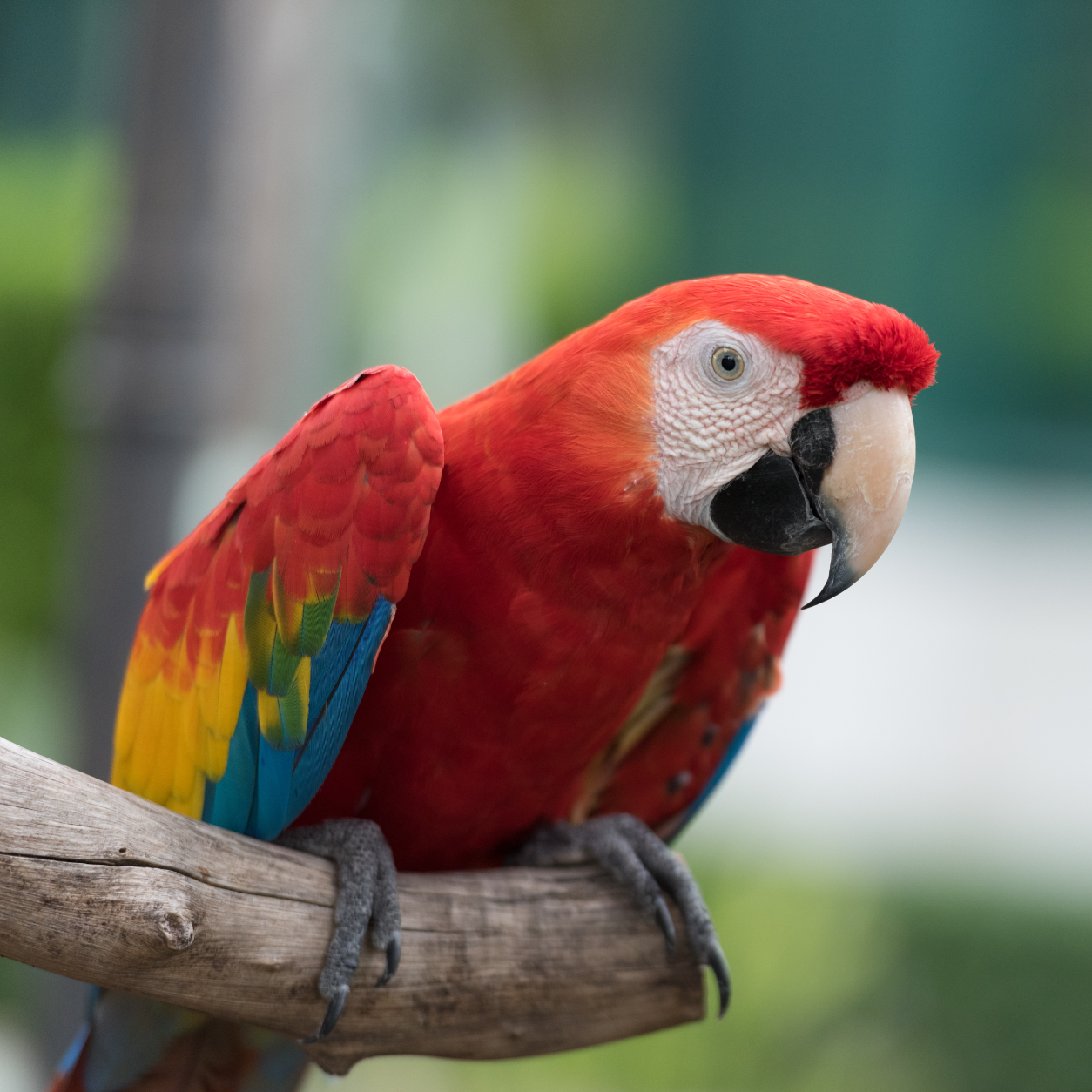
Some birds live a very long time. Parrots, for instance, can live 30 years or more. This is a major commitment, sometimes longer than a dog or cat.
Noise And Mess
Birds can be surprisingly noisy. Parrots, cockatiels, and even small finches can chirp or screech loudly. Some birds are messy eaters, throwing seed shells and food around their cages.
Which Birds Are Easiest For Beginners?
Not all birds are the same. Some species are better for beginners due to their size, diet, temperament, or care needs. Here is a comparison of popular beginner birds:
| Bird Species | Average Lifespan | Noise Level | Social Needs | Ease of Care |
|---|---|---|---|---|
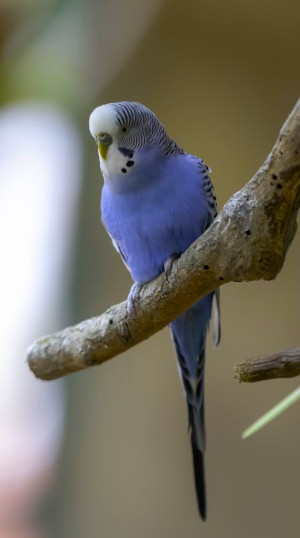
| Budgerigar (Budgie) | 5-10 years | Low to Moderate | High | Easy |
| Canary | 10-15 years | Low | Low | Easy |
| Zebra Finch | 5-10 years | Low | Medium | Easy |
| Cockatiel | 15-20 years | Moderate | High | Medium |
| Lovebird | 10-15 years | Moderate | High | Medium |
| Parrot (small species) | 20-30 years | High | Very High | Hard |
Budgies, canaries, and zebra finches are generally easier for beginners. They are hardy, adapt well, and have simple diets. Parrots and lovebirds are more demanding and need more time and interaction.
What Daily Bird Care Involves
Caring for a bird is a daily responsibility. Here’s what you can expect to do every day:
- Fresh Food and Water: Change water at least once a day. Give a balanced diet, not just seeds.
- Cage Cleaning: Remove droppings, replace paper or bedding, and clean food dishes.
- Social Interaction: Talk to your bird, let it out for supervised flying (if safe), or provide toys for mental stimulation.
- Health Check: Look for changes in behavior, droppings, feathers, or appetite.
- Safe Environment: Make sure there are no hazards like open windows, toxic plants, or fumes from nonstick pans.
Skipping these steps can lead to health or behavior problems. Birds are not “set and forget” pets, even the small ones.
The Cost Of Bird Ownership
While birds are often cheaper than dogs or cats, they do have costs. Here’s a breakdown of what you might pay:
| Item | Initial Cost | Ongoing Cost | Notes |
|---|---|---|---|
| Bird (purchase or adoption) | $15 – $2000+ | N/A | Price varies by species |
| Cage | $50 – $500+ | N/A | Bigger is better |
| Food and Treats | $10 – $30 | $10 – $40/month | Includes seeds, pellets, fruits |
| Toys and Perches | $20 – $100 | $5 – $20/month | Birds need enrichment |
| Vet Visits | N/A | $50 – $200/year | Specialist vets may cost more |
| Cage Cleaning Supplies | $10 – $30 | $5 – $10/month | Sanitizers, liners |
The upfront cost depends on the bird and setup. Ongoing costs include food, vet care, and toys. Parrots and larger birds are more expensive to feed and keep entertained. Budgies and finches are more affordable.
Common Challenges New Bird Owners Face
Many first-time bird owners are surprised by these challenges:
Birds Hide Illness
Birds naturally hide signs of sickness to avoid predators. By the time you see symptoms, the bird may be very sick. Regular observation and quick vet visits are important.
Mess And Dust
Even small birds can be messy. They scatter seeds, feathers, and dust. Some species, like cockatiels, produce a fine powder (called “feather dust”) that can affect people with allergies.
Noise Levels
Birds are not always quiet. Even canaries can be loud. Parrots and cockatoos are especially vocal, which can disturb neighbors or family.
Chewing And Destruction
Birds have strong beaks and need to chew. They may destroy toys, perches, or anything left near their cage. This is normal but can be frustrating for new owners.
Escape Risks
Birds are fast and clever. An open window or door can mean a lost bird in seconds. Safe handling and cage security are essential.
Social And Emotional Needs
Birds can develop emotional problems if left alone too often. They may become aggressive, pluck their feathers, or scream for attention.
How To Make Bird Care Easier
If you want a pet bird but worry about the work, here are ways to make care simpler:
- Choose the right species: Start with a hardy, small bird like a budgie or canary.
- Invest in a good cage: A large cage with easy-to-clean features saves time.
- Use cage liners: Pre-cut paper or liners make daily cleaning faster.
- Rotate toys: Swap toys weekly to keep your bird entertained.
- Learn about nutrition: Offer a varied diet with safe fruits and vegetables.
- Schedule regular vet checks: Prevent problems before they start.
- Create routines: Birds like predictable feeding and play times.
- Socialize daily: Even 15 minutes of attention keeps birds happy.
- Bird-proof your home: Remove hazards before letting your bird out.
- Join a bird club or online group: Other owners can offer advice and support.
Birds Vs. Other Common Pets
Is a bird really easier than a dog or cat? Here’s a side-by-side look:
| Pet Type | Daily Care Time | Average Lifespan | Noise Level | Space Needed | Social Needs |
|---|---|---|---|---|---|
| Bird | 30-60 min | 5-30 years | Medium-High | Small-Medium | High |
| Cat | 30-45 min | 12-18 years | Low-Medium | Medium | Medium |
| Dog | 1-2 hours | 10-15 years | Medium | Medium-Large | High |
| Fish | 10-20 min | 1-10 years | Very Low | Small | Low |
| Hamster | 10-20 min | 2-3 years | Low | Small | Low |
Birds do require less space than dogs, but their social needs and daily care are similar to cats and dogs. Birds live longer than most small pets, which means more years of responsibility.
Non-obvious Insights For Bird Owners
Many beginners miss these important facts:
- Birds can bond deeply with their owners and may become anxious or aggressive if rehomed or left alone.
- Air quality is critical—birds are sensitive to fumes from nonstick pans (Teflon), candles, and sprays. Even a small amount can be deadly.
- Enrichment is not optional. Bored birds develop bad habits or health issues. Toys, puzzles, and foraging activities are as important as food.
- Handling and training take time. Birds are not born tame. Daily gentle handling builds trust, but a single bad experience can make a bird fearful.
- Pet insurance for birds is rare. Owners must be ready to pay for vet bills, which may be higher for exotic species.
Mistakes To Avoid As A New Bird Owner
It’s easy to make errors if you’ve never had a bird before. Some common mistakes include:
- Buying a cage that’s too small: Birds need space to stretch and fly inside the cage.
- Feeding only seeds: Birds need a varied diet for health.
- Skipping social time: Birds left alone may scream or pluck feathers.
- Ignoring health signs: Subtle changes can mean illness.
- Letting birds fly in unsafe rooms: Windows, mirrors, and ceiling fans are dangerous.
- Using scented candles or sprays: Fumes can kill birds quickly.
- Neglecting nail and beak care: Overgrown nails or beaks cause pain and injury.

Are Birds Right For You?
Ask yourself these questions before getting a bird:
- Do you have at least 30 minutes every day for feeding, cleaning, and interaction?
- Are you okay with noise and mess?
- Can you afford regular vet care, toys, and a healthy diet?
- Are you ready for a pet that may live 10–30 years?
- Does anyone in your home have allergies to feathers or dust?
- Will you bird-proof your home for safety?
If you answer yes to most, a bird could be a good pet for you. If not, consider another pet or wait until your situation changes.
Frequently Asked Questions
How Much Time Does It Take To Care For A Pet Bird Every Day?
Most birds need 30–60 minutes of daily care. This includes feeding, cleaning, and socializing. Some birds, like parrots, may need even more attention to stay happy and healthy.
Is It True That Birds Are Cheap Pets?
Birds can be affordable to buy, especially small species, but costs add up over time. Food, toys, and vet visits can be expensive, especially for parrots or if your bird gets sick. Always plan for long-term costs.
Which Pet Birds Are Best For First-time Owners?
Budgies, canaries, and zebra finches are great for beginners. They are hardy, friendly, and have simple care needs. Avoid large parrots or cockatoos if you are new to birds, as they are demanding and noisy.
Can Birds Be Left Alone While I Am At Work?
Most birds can be left alone during the day if they have enough food, water, and toys. However, they still need daily human interaction. If you are gone all day, consider getting two birds or a species that is less social.
Where Can I Learn More About Bird Care?
Good sources include avian vets, bird clubs, and official animal welfare organizations. For reliable information, visit American Veterinary Medical Association.
Caring for birds is rewarding, but it’s not as simple as many people think. With the right preparation and commitment, birds can be wonderful, long-lived companions. If you’re ready for the responsibility, a bird may be the perfect addition to your family.
If not, it’s better to wait than to bring home a pet you’re not prepared to care for.

