Birds fill the world with colors and sounds, but behind their beauty lies a secret world of complex courtship behavior. If you have ever watched a peacock spread its feathers or listened to a nightingale’s song at dawn, you’ve witnessed a small part of this unique ritual.
Bird courtship behavior is more than just showing off—it’s a finely tuned dance of communication, survival, and selection that has evolved over millions of years. Understanding this behavior opens a window into the hidden lives of birds and helps us appreciate the challenges they face in choosing a mate.
What Is Bird Courtship Behavior?
Bird courtship behavior refers to the special actions, displays, and signals that birds use to attract and choose a mate. These behaviors are not random; they are carefully evolved routines designed to show off strength, health, and suitability as a partner. Courtship can involve songs, dances, building structures, offering gifts, and even changing feather colors. Each species has its own style, and sometimes, behaviors are so unusual that they seem almost magical to human eyes.
Birds do not court just for fun. Their rituals play a big role in natural selection. Females often pick males who show the best displays, which means only the fittest and healthiest birds pass on their genes. This keeps bird populations strong over generations.
Why Birds Have Courtship Rituals
Courtship in birds is not just about finding a partner. It helps with:
- Mate selection: Females can judge which male is healthiest or most skilled.
- Species recognition: Unique behaviors prevent birds from mating with the wrong species.
- Strengthening pair bonds: Some species mate for life, and rituals help create strong relationships.
- Synchronizing breeding: Courtship ensures both partners are ready to breed at the same time.
These rituals may look simple, but they are full of meaning. For example, a song can show a male’s territory and health. A dance may reveal agility. Even the way a bird preens its feathers can send a message about fitness.
Types Of Bird Courtship Behavior
Birds use many different courtship strategies. Here are the most common types, each with unique examples and features.
1. Visual Displays
Many birds use visual displays to impress potential mates. These can include:
- Showing off bright feathers
- Spreading wings or tails
- Unique flight patterns
The male peacock is famous for its giant, colorful tail. When he fans out his tail and shakes it, the shimmering eyespots create a hypnotic effect. Female peahens often choose the male with the brightest, most even tail.
The bird of paradise family is another striking example. Some males clean a “stage” on the forest floor and perform acrobatic dances while showing off glowing blue or yellow feathers.
2. Singing And Vocalizations
Songs are powerful tools in bird courtship. Male songbirds sing to attract females and warn other males to stay away. Each species has its own special song or call.
The nightingale sings up to 200 different songs, often at night when the world is quiet. The more complex the song, the more attractive the male is to females. In some species, the female sings too, creating a duet that helps them bond.
3. Dancing
Courtship dances are some of the most elaborate behaviors in the animal kingdom. The red-capped manakin does a “moonwalk” along a branch, sliding backward in smooth motion. The blue-footed booby lifts its bright blue feet in a high-step dance, showing off the intensity of the color. Females prefer the bluest feet, which signals good health.
4. Gift Giving
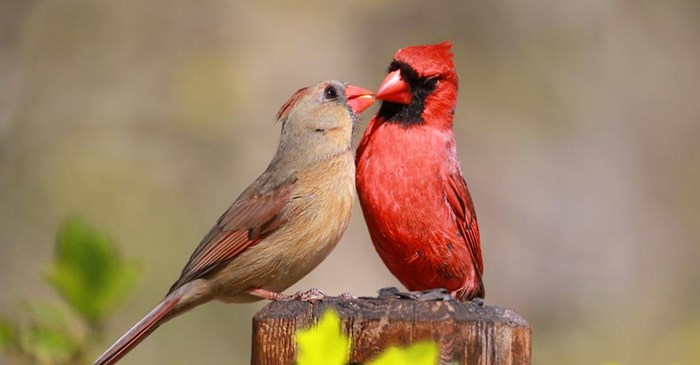
Some male birds bring gifts to females during courtship. These gifts can be food, sticks, or even shiny objects. The kingfisher offers small fish, while the bowerbird builds a decorated structure called a “bower” and fills it with blue objects, shells, and berries.
Gift giving shows that the male can provide food and resources—a key trait for survival.
5. Nest Building
Nest building can be part of courtship. Males may build several nests, and females choose the one they like best. In weaver birds, males weave complex hanging nests from grass and leaves. Females inspect the nests and choose the one with the best structure and safety.
6. Feather And Color Changes
Some birds change their feather colors or grow special plumes during the breeding season. The American goldfinch turns from a dull brown to bright yellow in spring. These changes are short-lived and signal to others that the bird is ready to mate.
7. Flight Displays
Certain species perform aerial shows. The skylark sings while rising high into the sky, then drops down in a spiral. The snipes make a “drumming” sound with their tail feathers during steep dives.
These displays show stamina and control—important for survival and raising young.
8. Synchronized Movements
In some cases, pairs perform synchronized movements. The great crested grebe does a famous “weed dance,” where the pair rises out of the water and shakes their heads together, holding bits of plants.
This helps the pair bond and signals their readiness to breed.
9. Physical Contact
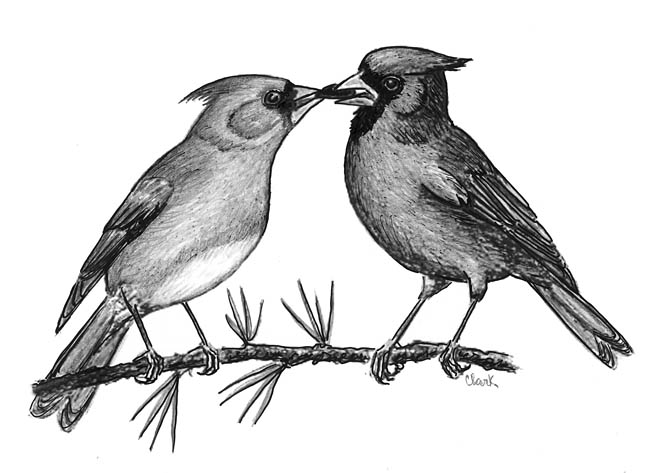
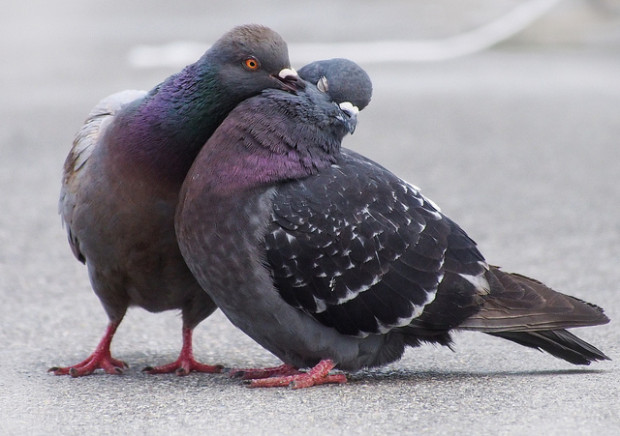
Gentle touches or grooming are common. Birds may preen each other’s feathers, a behavior called allopreening. This reduces stress and builds trust.
10. Mimicry And Sound Imitation
Some birds, like the lyrebird, use mimicry to add complexity to their courtship. A lyrebird can copy the calls of many other birds, as well as man-made sounds like camera shutters and car alarms. This ability impresses females and confuses rivals.
How Scientists Study Bird Courtship
Studying bird courtship is not easy. Many behaviors happen in remote places or take place high in trees. Researchers use several methods to learn about these rituals:
- Field observation: Watching birds in their natural environment with binoculars or cameras.
- Audio recordings: Capturing songs and calls for analysis.
- Video analysis: Recording dances and displays for slow-motion study.
- Tracking devices: GPS or radio tags to follow movement and migration.
These methods have revealed surprising secrets, like the fact that some species use “practice” displays before showing off to real mates.
The Role Of Females In Courtship
People often focus on males during courtship, but female choice is equally important. In most species, females decide which male to accept. This is why males compete so hard to stand out.
Females look for signals of health, strength, and good genes. For example, a male with bright feathers and a clear song is less likely to carry parasites or disease. In some species, females test the nest’s safety before agreeing to mate.
A non-obvious insight: In a few bird species, females do the displaying, and males choose. This happens in species where males invest more in raising young, such as phalaropes.
Courtship In Monogamous Vs. Polygamous Species
Not all birds have the same mating system. Some are monogamous (one mate at a time), while others are polygamous (one male mates with many females, or vice versa).
Monogamous birds, like swans or eagles, often have longer and more complex courtship, because they form long-term bonds. Polygamous birds, such as sage grouse, may have shorter, more competitive displays.
Here is a comparison of courtship in these two systems:
| Aspect | Monogamous Species | Polygamous Species |
|---|---|---|
| Bond Duration | Usually long-term | Short-term or seasonal |
| Display Complexity | Often complex, involves both partners | Mainly male displays, can be extreme |
| Parental Care | Both parents | Mainly female (in many cases) |
| Examples | Swans, Eagles, Albatrosses | Peacocks, Sage Grouse, Bowerbirds |
Examples Of Unique Bird Courtship Behaviors
Some birds have developed unusual or extreme courtship strategies. Here are a few famous examples:
The Bowerbird’s Art
Male bowerbirds build and decorate structures called “bowers.” Each male has his own style—some use blue items, some use flowers, and others use bits of plastic or glass. Females visit and inspect many bowers before choosing a mate. The quality and creativity of the bower matter more than the male’s physical appearance.
The Sage Grouse Lek
Sage grouse gather in large groups called leks, where males puff up their chests, fan their tails, and make popping sounds. Females visit the lek and choose the most impressive male. Only a few males mate; the rest try again next year.
The Albatross Dance
Albatrosses perform a slow, synchronized dance that can last hours. They click beaks, bow, and spread their wings. These dances help pairs recognize each other after long migrations and keep their bond strong.
The Wilson’s Bird-of-paradise
This bird cleans a patch of forest floor, then dances in a circle, showing off its bright blue feet and glowing chest. The performance is so precise that even a small mistake can mean rejection.
The Grebe’s Weed Dance
Great crested grebes swim toward each other, rise up, and shake plants in their beaks. This display is both a test and a celebration of their partnership.
How Courtship Behavior Affects Reproductive Success
Courtship is not just for show. It has real effects on survival and the future of the species.
- Healthy partners: Females pick the fittest males, increasing the chance of strong, healthy chicks.
- Stronger bonds: Rituals help pairs work together to raise young.
- Avoiding inbreeding: Unique displays help birds recognize their own species.
- Timing: Courtship synchronizes breeding, so chicks are born when food is available.
A non-obvious insight: In some species, males that lose in one season may learn and improve their displays for the next year, increasing their chances over time.
The Cost And Risk Of Courtship
These rituals are not without risks. Bright colors and loud songs can attract predators as well as mates. Building a bower or singing for hours takes energy that could be used for finding food. Birds must balance the need to impress with the need to survive.
Some species use “hidden” displays—quiet songs, quick dances, or subtle color changes—to reduce risk. Others rely on displays only when they feel safe.
Human Impacts On Bird Courtship
As cities grow and forests shrink, bird courtship faces new challenges:
- Light pollution can confuse birds that use dawn or dusk for singing.
- Noise pollution from cars and machines can drown out songs, making it hard for birds to find each other.
- Habitat loss destroys the special places where rituals happen.
- Climate change can shift breeding seasons, so food and partners are out of sync.
Studies show that some birds are adapting by singing louder or at different times. But others are struggling. Protecting courtship habitats is key to bird survival.
Bird Courtship Around The World
Bird courtship is a global phenomenon, but it takes different forms depending on location and environment.
| Region | Unique Courtship Example | Main Behavior |
|---|---|---|
| South America | Manakins | Acrobatic dances, wing snaps |
| Australia | Lyrebird | Mimicry, complex songs |
| Africa | Weaver birds | Elaborate nest building |
| Europe | Great crested grebe | Weed dance, synchronized displays |
| North America | Wild turkey | Fan tail, strut, gobbling call |
What Beginners Often Miss About Bird Courtship
It’s easy to think that bird courtship is just about color or sound. But two important things are often missed:
- Context matters: A display that works in one environment may fail in another. For example, bright colors stand out in a dark forest but may not help in open fields.
- Practice and learning: Young birds often “practice” courtship—singing quietly or building small nests—before they are old enough to breed. This helps them improve for the future.
Understanding these subtle details helps birdwatchers appreciate what they are seeing.
The Future Of Bird Courtship Behavior
Birds continue to adapt and evolve their courtship as the world changes. Some may develop new songs, dances, or displays to keep up with new challenges. Scientists are watching closely, using new technology to track changes over time.
Protecting the natural world ensures that the amazing rituals of bird courtship will survive for generations to come. If you want to learn more, the Wikipedia Bird Courtship page provides detailed information and links to scientific studies.
Frequently Asked Questions
What Is The Main Purpose Of Bird Courtship Behavior?
The main purpose is to help birds attract and choose the best mate. Courtship also helps with species recognition, timing of breeding, and forming strong pair bonds.
Do Female Birds Ever Perform Courtship Displays?
Yes, in a few species, females display and males choose. This happens when males provide most of the care for the young, as with some phalaropes and jacanas.
Can Courtship Behavior Change Due To Human Activity?
Absolutely. Light and noise pollution can change when and how birds sing or display. Habitat loss can force birds to change or even stop their rituals.
Why Do Some Birds Give Gifts During Courtship?
Gift giving shows the male can find food or resources. This helps the female decide if the male will be a good provider and a strong mate.
How Can I Observe Bird Courtship In My Area?
Look and listen during the breeding season, usually spring or early summer. Parks, wetlands, and woodlands are good places. Bring binoculars, watch for singing, dancing, or nest building, and be patient—courtship often happens early in the morning.
Bird courtship behavior is a world of beauty, challenge, and creativity. The next time you see a bird singing or dancing, you’ll know there’s much more to the story than meets the eye.