
Most people grow up believing that all birds soar through the sky. The image of a bird is often linked with freedom, flight, and open skies. But is it true that every bird can fly? The answer is more complex than a simple yes or no. While many birds are excellent flyers, some never leave the ground. Others can only glide short distances or use their wings for balance, not for flight. This mix of abilities offers a fascinating look into how birds adapt to their environments. Understanding the reasons behind these differences reveals surprising facts about bird evolution, survival, and diversity. Let’s dig deeper into the world of avian flight and uncover the truth: do all birds fly?
What Makes A Bird A Bird?
Birds are easy to recognize. They have feathers, beaks, and wings. All birds lay eggs. But having wings does not always mean a bird can fly. The group called “birds” includes both flying and flightless species. Some birds have wings that are too small or weak for flight. Others have bodies that are too heavy. So, what connects all birds is not flight, but a set of shared features.
Feathers are unique to birds. No other animals have them. Feathers help birds fly, but they also keep them warm and dry. Wings are another key feature. All birds have them, even those that cannot fly. The shape, size, and strength of wings change depending on how a bird lives.
Birds also have hollow bones, which make their bodies lighter. This helps flying birds lift off the ground. However, in some flightless birds, these bones are thicker and heavier. This makes them stronger for walking or running.
Why Can Most Birds Fly?
Flight is a big reason why birds have been so successful on Earth. It lets them escape from danger, find food over large areas, and migrate to better places when the weather changes. But flying is not easy. It takes a lot of energy. Birds have special features that help them fly:
- Lightweight bodies – Most birds have hollow bones, making them lighter.
- Strong chest muscles – These muscles power the wings.
- Aerodynamic shape – Their bodies are smooth and shaped to cut through the air.
- Feathers – Feathers create lift and help them steer.
Some birds can fly very fast. For example, the peregrine falcon can dive at speeds over 300 km/h (186 mph). Swifts and swallows spend most of their lives flying, even sleeping in the air. These extreme flyers show just how well birds can adapt to life on the wing.
Birds That Cannot Fly
Not all birds use their wings to fly. Some never leave the ground. These are called flightless birds. There are about 60 species of flightless birds today. The most famous are:
- Ostrich
- Emu
- Cassowary
- Rhea
- Kiwi
- Penguin
- Steamer duck
- Flightless cormorant
- Kakapo
- Weka
- Takahe
- Inaccessible Island rail
Let’s look at some of these birds in detail.
Ostrich
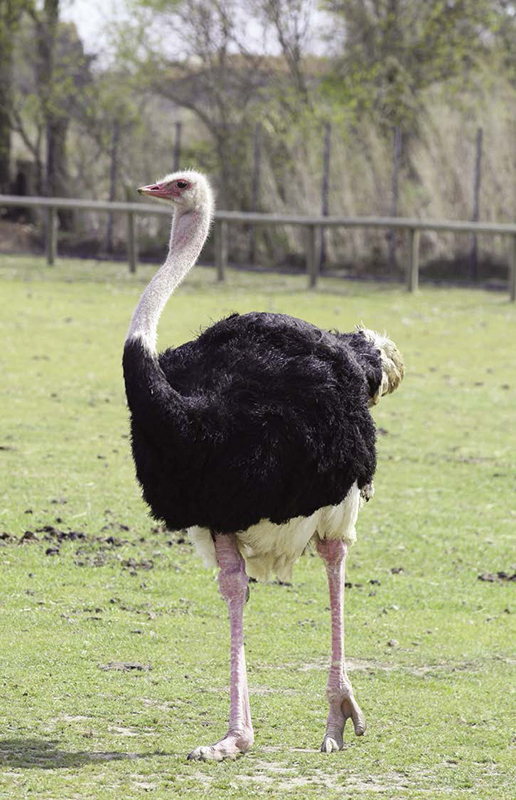
The ostrich is the largest living bird. It can grow up to 2.7 meters (9 feet) tall and weigh over 150 kg (330 lbs). Its wings are large but not strong enough for flight. Instead, ostriches use their wings for balance when they run. They are the fastest runners among birds, reaching speeds up to 70 km/h (43 mph).
Emu
Found in Australia, the emu is the second largest bird. It can reach 1.9 meters (6.2 feet) in height. Its wings are tiny, hidden under soft feathers. Emus are strong runners, able to travel long distances at 50 km/h (31 mph).
Cassowary
The cassowary lives in the forests of Australia and New Guinea. It is famous for its bright blue and black feathers and a helmet-like crest. Cassowaries are shy but can be dangerous if threatened. They use their strong legs to run and jump, not for flying.
Rhea
The rhea is native to South America. It looks like a smaller ostrich and uses its long legs for running. Rheas live in open grasslands and use their wings for balance and display, not flight.
Kiwi
The kiwi is a small, round bird from New Zealand. It has tiny wings and cannot fly. Kiwis are active at night and use their long beaks to find insects in the soil. Their feathers look more like hair than typical bird feathers.
Penguin
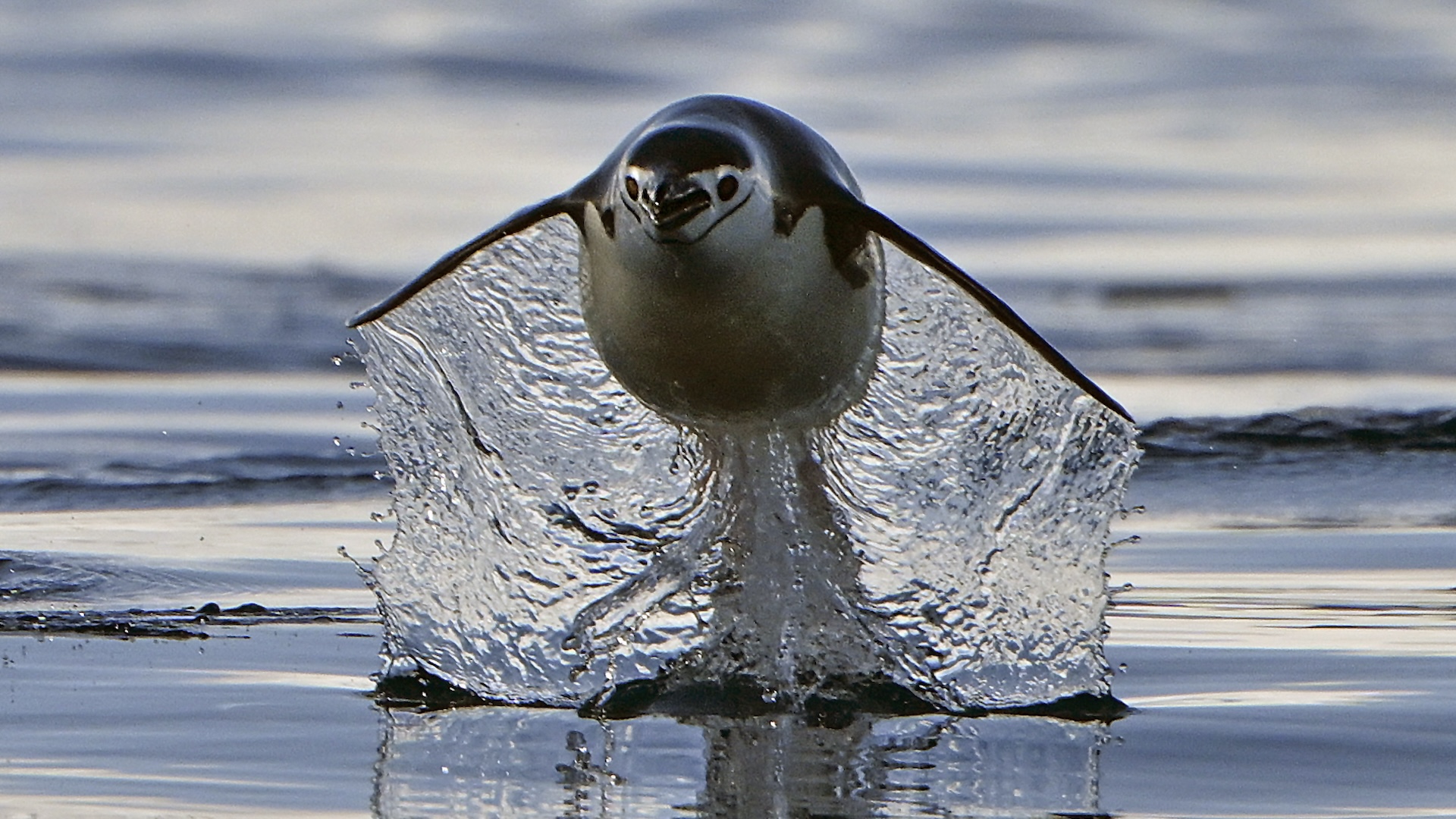
Penguins are well-known flightless birds. They live in the Southern Hemisphere, mostly in Antarctica. Penguins use their wings as flippers to swim underwater. They are excellent swimmers, reaching speeds of 15 km/h (9 mph) in water.
Other Flightless Birds
- Steamer ducks live in South America. Most cannot fly, but a few species can.
- The flightless cormorant lives on the Galapagos Islands. It swims and dives for food.
- The kakapo is a large, nocturnal parrot from New Zealand. It uses its wings for balance while climbing.
- Weka and takahe are also from New Zealand. They are strong walkers but never fly.
- The Inaccessible Island rail is the world’s smallest flightless bird, found only on a remote island in the Atlantic Ocean.
How Do Flightless Birds Survive?
If flight is so useful, why do some birds give it up? The answer is often about evolution and survival. On islands or places with few predators, birds do not need to fly to escape danger. Over time, their wings become smaller and their legs stronger. They use their energy for running, swimming, or hiding instead.
For example, New Zealand had no land mammals until humans arrived. Birds like the kiwi and kakapo lost the need for flight. On the Galapagos Islands, the flightless cormorant faced no natural enemies. It became a skilled diver instead of a flyer.
But there are risks. When new predators arrive—like cats, rats, or people—flightless birds are easy prey. Many flightless birds have gone extinct since humans spread across the world.
Flightless Birds Vs. Flying Birds
Let’s compare flightless and flying birds to see how they differ.
| Feature | Flightless Birds | Flying Birds |
|---|---|---|
| Wings | Small, weak, or used for balance | Large, strong, built for lift |
| Legs | Strong, adapted for running or swimming | Usually lighter, built for perching or walking |
| Bone Structure | Thicker, heavier bones | Hollow, light bones |
| Habitat | Often islands or predator-free areas | Wide range: forests, cities, mountains |
| Main Defense | Hiding, running, swimming | Flying away |
This table shows that flightless birds are not just “bad flyers. ” They are well-adapted to their own ways of life.
Birds That Can Fly, But Not Very Well
Some birds can fly, but only for short distances. They are called weak flyers. These birds may be heavy, have short wings, or fly only when they must.
Chickens And Domestic Birds
Chickens can fly a few meters, usually to escape danger or reach a perch. Their ancestors, the red junglefowl, were better flyers. Over time, breeding made chickens heavier and less able to fly.
Turkeys and ducks also fly short distances. Wild turkeys can fly up to 90 meters (295 feet) at a time, but domestic turkeys are usually too heavy.
Grouse And Quail
These birds live on the ground and only fly when startled. Their flight is fast and noisy, but short. They quickly return to the ground for cover.
Rails And Coots
Rails are small marsh birds. Some can fly, but many island species have lost this skill. The coot is a good example: it prefers to run across water rather than fly.
How Birds Lost The Ability To Fly
Flightlessness is not a weakness. It is a result of evolution. When birds no longer need to fly, their bodies change over many generations. Wings shrink, bones get heavier, and legs become stronger. This can happen quickly, in as little as a few thousand years.
Scientists think more than 500 flightless bird species existed in the past. Most are now extinct. Some, like the dodo and the great auk, disappeared after humans arrived.
Interesting fact: Flightlessness has evolved independently over 25 times in bird history. This shows how common it is when the right conditions exist.
The Role Of Habitat And Predators
Where a bird lives is key to whether it can fly. On islands with few predators, birds are free to explore the ground. Food may be easy to find without flying. But if predators arrive, being flightless is a big risk.
Let’s compare some famous islands with flightless birds:
| Island | Flightless Birds | Main Threats |
|---|---|---|
| New Zealand | Kiwi, Kakapo, Takahe, Weka | Introduced mammals (cats, rats, stoats) |
| Galapagos Islands | Flightless cormorant | Climate changes, introduced animals |
| Antarctica & nearby | Penguins | Climate change, overfishing |
| Madagascar (historically) | Elephant bird (extinct) | Humans, hunting |
| Mauritius (historically) | Dodo (extinct) | Humans, introduced animals |
Habitats with no natural enemies are often home to flightless birds. But when humans or new animals arrive, these birds are at risk.
Why Do Some Birds Keep Flying?
Flying is not just about escaping danger. It also helps birds:
- Find food over large distances
- Migrate to warmer climates
- Build nests in safe, high places
- Attract mates with flight displays
For example, swallows can travel thousands of kilometers each year. Hummingbirds hover in place to feed on flowers. Birds of prey use flight to catch fast-moving animals.
Birds that rely on flight need to keep their bodies light and their wings strong. They cannot afford to lose this skill.
Special Cases: Birds That Glide Or “fly” Differently
Some birds do not flap their wings to fly, but they can glide or use other tricks.
Gliding Birds
Albatrosses can glide for hours without flapping their wings. They use wind currents over the ocean. Their wings are very long and narrow.
Vultures and eagles also glide on rising air, called thermals. This helps them save energy while searching for food.
Soaring Vs. Powered Flight
Soaring means staying in the air using air currents, with little effort. Powered flight means flapping wings to move. Some birds, like geese and ducks, use both. Swans are heavy, so they need a long run-up to take off. Once in the air, they glide to save energy.
Flightless, Yet “flying” Underwater
Penguins cannot fly in air, but they “fly” through water using their wings like flippers. Their bodies are shaped for swimming, not for flight.
Extinct Flightless Birds
The story of flightless birds is also about loss. Many well-known flightless birds disappeared after humans arrived in new places. Here are a few famous examples:
- Dodo – Lived on Mauritius. Went extinct by 1681.
- Great auk – North Atlantic coasts. Extinct by mid-1800s.
- Elephant bird – Madagascar. Extinct by the 17th century.
- Moa – New Zealand. Extinct by the 15th century.
These birds were often large, slow, and had no fear of humans. This made them easy targets for hunters.
Non-obvious insight: The extinction of flightless birds shows how quickly humans can change an ecosystem. In less than 500 years, we lost dozens of unique species.
Evolution: Why Flight Was Lost Repeatedly
It may seem strange that birds would lose such a useful skill. But nature favors survival, not just special abilities. If flying is not needed, it costs too much energy to keep the body light and wings strong. Over time, nature “chooses” birds that save energy by walking, running, or swimming instead.
Non-obvious insight: Sometimes, losing flight helps birds grow larger. Large bodies can store more food and survive harsh weather. This is why many flightless birds are giants compared to their flying relatives.
The Human Impact On Flightless Birds
Humans have played a big role in the story of flightless birds. Our actions led to many extinctions. We also introduced new animals like cats, rats, and dogs. These preyed on flightless birds’ eggs and chicks.
Today, many flightless birds are endangered. Conservation groups are working to protect them. For example, New Zealand has special “island sanctuaries” for the kiwi and takahe. Penguins are protected in Antarctica, but climate change threatens their food.
If you want to learn more about bird conservation, the BirdLife International website is a good place to start.
Flight In Young Birds And Exceptions
Some birds can fly only when they are adults. Chicks and young birds often cannot fly right away. For example, baby robins and sparrows leave the nest before they can fly well. They hide on the ground until their wings grow stronger.
Some birds, like domestic ducks, may fly as wild birds but lose the skill when bred in captivity. This shows how both nature and humans can change a bird’s flying ability.
What About Bats And Other “flying” Animals?
People sometimes confuse birds with other flying animals. Bats are the only mammals that can fly. Insects like butterflies and bees also fly, but they are not birds. Bats have fur, not feathers, and give birth to live young. Birds lay eggs and have beaks.
This difference is important: only birds have feathers. Not all birds fly, but all flying birds have feathers.
Summary: Do All Birds Fly?
To sum up, the answer is clear: not all birds fly. Most birds can fly, and flight has helped birds spread across the globe. But many birds have lost the ability to fly, especially in places where it is not needed. Some birds can only fly short distances, while others glide or swim instead. Flightless birds are not “less” than flying birds—they are perfectly suited to their homes.
Knowing about flightless birds helps us understand evolution and the dangers of sudden change. It also shows how amazing and diverse the bird world really is.
Frequently Asked Questions
Why Can’t Penguins Fly?
Penguins cannot fly because their wings are shaped like flippers. These help them swim, not fly. Their bodies are heavy and built for diving underwater. Flight is not needed in their icy homes, so they became expert swimmers instead.
Are Chickens Considered Flightless Birds?
Chickens are not truly flightless, but they are weak flyers. They can flap their wings and jump short distances, usually to escape danger or reach a perch. Domestic chickens are heavier and fly less than their wild ancestors.
How Many Flightless Bird Species Are There Today?
There are about 60 living species of flightless birds. Most are found on islands or in places with few predators. Many more flightless birds existed in the past, but they are now extinct.
What Is The Largest Flightless Bird?
The ostrich is the largest living flightless bird. It can stand up to 2.7 meters (9 feet) tall and weigh over 150 kg (330 lbs). Ostriches live in Africa and are fast runners.
Did All Flightless Birds Evolve From Flying Ancestors?
Yes, all flightless birds evolved from ancestors that could fly. Over time, as their environments changed, they lost the need for flight. Their bodies changed to fit their new way of life.
Birds are one of nature’s most adaptable groups. Some soar, some swim, and some run. Whether in the air or on the ground, they show us the many ways life can thrive on Earth.