Surviving in the desert is a tough challenge for any animal, but for birds, it’s a daily test of clever adaptation. Deserts are famous for their extreme heat, cold nights, rare rainfall, and dry air. Yet, when you look up, you’ll often see birds gliding or hopping across the sand, seemingly unbothered by the harsh conditions.
How do they manage this? The answer lies in a mix of unique behaviors, body features, and clever survival strategies that have evolved over thousands of years. This article explores the fascinating ways birds not only survive but thrive in some of the world’s driest places.
Understanding Desert Environments
Before diving into the survival strategies of birds, it’s important to grasp what makes deserts so challenging. Deserts cover about 33% of the Earth’s land surface and come in different types, such as hot deserts like the Sahara and cold deserts like the Gobi. The main features of deserts include:
- Extreme temperatures: Daytime heat can reach above 50°C (122°F), while nights can drop below freezing.
- Limited water: Rainfall is usually less than 250 mm (10 inches) per year, sometimes with years between rains.
- Scarce vegetation: Few plants grow, so food is limited.
- Intense sunlight: There is little shade, which can be dangerous for small animals.
These tough conditions shape every aspect of a bird’s life, from how it finds food and water to how it keeps its body temperature under control.
Key Physical Adaptations For Survival
Birds living in deserts have evolved remarkable physical features that help them cope with the environment.
Water Conservation Abilities
Birds lose water through breathing, sweating, and waste. In deserts, every drop matters. Some of their main adaptations include:
- Highly efficient kidneys: Many desert birds, such as the sandgrouse, have kidneys that concentrate urine, so they lose less water.
- Dry feces: Birds often produce uric acid instead of liquid urine, which saves water.
- Minimal sweat glands: Birds don’t sweat like mammals, reducing water loss.
Feathers: More Than Just For Flight
Feathers in desert birds do more than help them fly. They protect against heat and sunburn:
- Reflective coloring: Light-colored feathers, such as those of the desert lark or cream-colored courser, reflect sunlight instead of absorbing it.
- Dense feathering: Extra layers trap cooler air close to the body, providing insulation from both heat and cold.
Body Size And Shape
Many desert birds have special body shapes:
- Long legs: Birds like ostriches have long legs, keeping their bodies away from the hot ground.
- Large wings: Wider wings help birds glide on air currents, saving energy and avoiding the hot surface.
- Small size: Some, like the cactus wren, are small, which helps them hide in the shade of rocks or plants.
Beak And Mouth Adaptations
- Special beaks: The beaks of some desert birds, such as the curve-billed thrasher, help them dig for insects or seeds buried in the sand.
- Heat exchange: Birds can lose heat through their mouths by panting, a method called gular fluttering.
Smart Behavioral Strategies
Physical adaptations help, but behavior is just as important for survival.
Being Active At The Right Time
Many desert birds avoid the hottest parts of the day:
- Nocturnal activity: Some, like the Egyptian nightjar, are active at night.
- Crepuscular habits: Birds such as the burrowing owl are most active at dawn and dusk.
- Midday rest: During the hottest hours, most birds seek shade and rest.
Finding And Conserving Water
Water is the scarcest resource in the desert. Birds use several clever tactics:
- Morning dew: Some birds drink dew that forms on plants in the early morning.
- Dietary water: Birds like the Greater Roadrunner eat lizards, insects, and fruits that contain water.
- Long flights to water: Sandgrouse fly up to 80 km (50 miles) daily to visit waterholes.
- Water-storing feathers: Male sandgrouse can soak their belly feathers in water and carry it back to their chicks.
Nesting And Raising Young
Desert birds must keep their eggs and chicks safe from heat and predators.
- Shaded nests: Many build nests under rocks, bushes, or in burrows.
- Eggs with hard shells: These prevent water loss and damage from heat.
- Short breeding seasons: Birds time their breeding to follow rare rains when food is abundant.
- Egg camouflage: Eggs are often speckled or sandy-colored to blend in with the ground.
Efficient Feeding
Food is scarce and scattered, so desert birds must be resourceful:
- Generalist diets: Many eat anything available—seeds, insects, small reptiles, and even carrion.
- Caching food: Some, like the horned lark, store seeds in hidden spots.
- Fast digestion: Birds process food quickly to get water and energy without overheating their bodies.
Case Studies: Famous Desert Birds And Their Survival Tactics
Looking at specific birds helps show how different species meet the desert challenge.
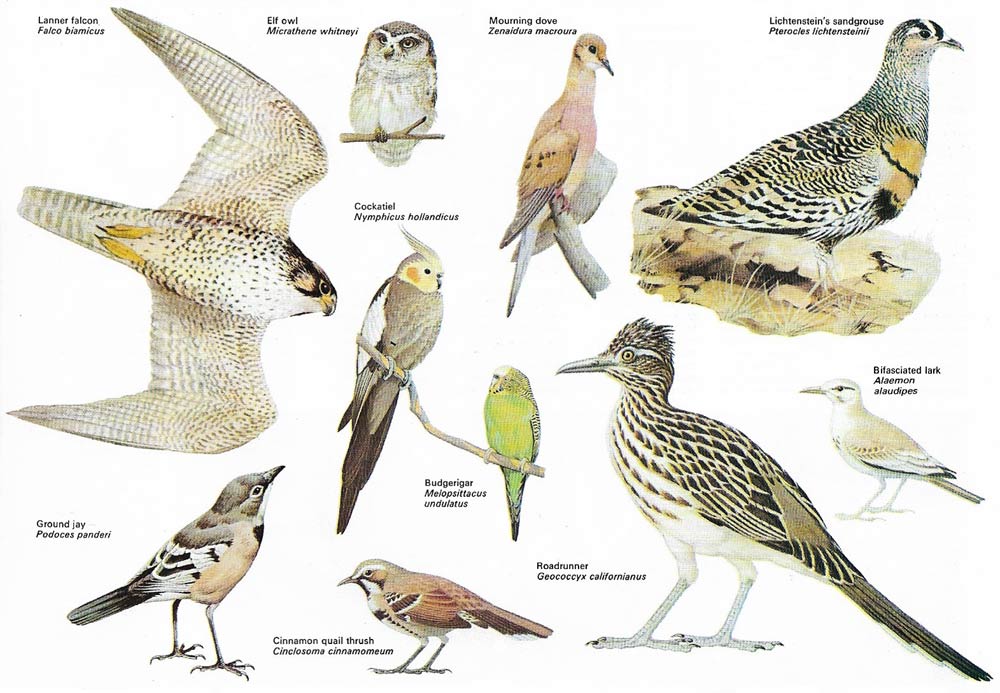
Greater Roadrunner
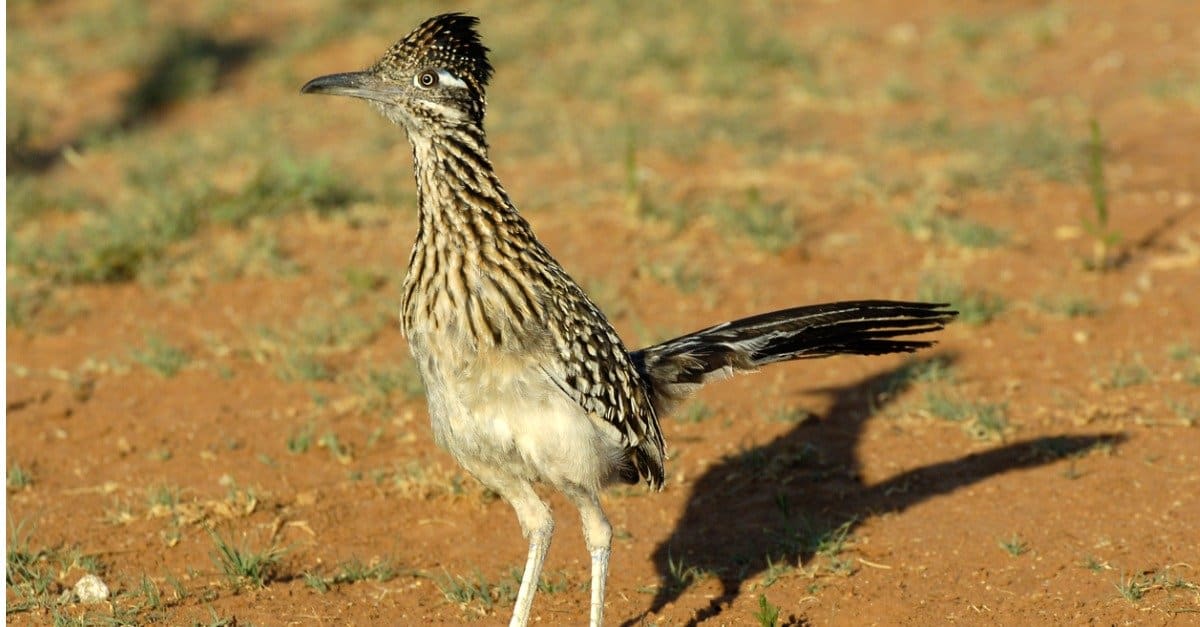
The Greater Roadrunner is a symbol of the American deserts.
- Physical traits: Long legs for running on hot sand, and a crest that shades its head.
- Diet: Eats anything from insects to snakes, getting water from food.
- Behavior: Active in the cool morning and evening, rests in shade at noon.
Sandgrouse
Sandgrouse are found in African and Asian deserts.
- Water transport: Males soak their belly feathers in water, flying long distances to bring it to their chicks.
- Camouflage: Their sandy coloring hides them from predators.
- Group behavior: They travel in flocks, which helps locate water and avoid threats.
Burrowing Owl
The Burrowing Owl uses underground tunnels to escape the heat.
- Nesting: Lives in burrows made by other animals, which are much cooler than the surface.
- Diet: Eats insects and small mammals.
- Adaptation: Can tolerate high carbon dioxide levels in burrows.
Ostrich
The ostrich is the largest desert bird.
- Thermoregulation: Has bare thighs and neck to release heat.
- Water storage: Can go several days without water.
- Behavior: Lays eggs in shared nests, reducing the risk for each chick.
Hoopoe Lark
This bird is common in North African deserts.
- Feeding: Digs insects from under the sand.
- Nesting: Builds nests in small depressions, shaded by plants or stones.
- Song: Uses singing to mark territory, mainly in the cooler morning.
Comparing Desert Birds To Non-desert Birds
Desert birds are not just regular birds living in a hot place—they have unique features. Here’s a comparison to make it clear:
| Feature | Desert Birds | Non-Desert Birds |
|---|---|---|
| Feather Color | Pale, sandy, reflective | Varied, often darker |
| Activity Pattern | Nocturnal/crepuscular | Mostly diurnal |
| Water Source | Dew, food, rare waterholes | Frequent drinking, more available water |
| Nesting | Burrows, shaded spots | Trees, open areas |
| Kidney Function | Highly efficient, concentrates urine | Less efficient, more water loss |
How Birds Beat The Heat: Thermoregulation Strategies
Managing body temperature is one of the hardest challenges for birds in deserts.
Panting And Gular Fluttering
When the air is hot, birds cannot sweat. Instead, they cool down by:
- Panting: Breathing quickly to lose heat through evaporation.
- Gular fluttering: Vibrating the throat area to increase cooling without using much energy.
Using Shade And Burrows
- Finding shade: Birds use rocks, plants, or even their own wings to create shade.
- Burrowing: Some, like the burrowing owl, live underground where temperatures are much more stable.
Adjusting Body Posture
Birds often change their stance to minimize heat:
- Standing tall: Lifts the body away from hot surfaces.
- Spreading wings: In cooler times, they spread wings to lose heat.
- Tucking in: At night, birds fluff up their feathers to keep warm.
Comparing Cooling Techniques
Here’s a look at how cooling methods differ among desert species:
| Bird Species | Main Cooling Method | Special Notes |
|---|---|---|
| Sandgrouse | Panting, shade-seeking | Can fly long distances to water |
| Burrowing Owl | Burrow use, nocturnal habits | Prefers underground coolness |
| Ostrich | Open-mouthed breathing, bare skin exposure | Large size helps store heat |
| Greater Roadrunner | Shade, gular fluttering | Can lower body temperature at night |
Food Strategies For Survival
Finding enough food is another daily battle in deserts.
Opportunistic Feeding
Desert birds can’t afford to be picky:
- Eat what’s available: Seeds, insects, reptiles, fruit, and even eggs.
- Seasonal changes: Diets shift as different foods become available.
- Scavenging: Some, like the Egyptian vulture, feed on carrion.
Special Food Gathering Techniques
- Probing: Birds like the hoopoe lark use long beaks to probe sand for insects.
- Chasing prey: Roadrunners run after lizards and insects.
- Storing: Birds cache seeds or insects during times of plenty.
Importance Of Food Choices
Desert birds often choose foods high in water content to help stay hydrated. For example, eating a juicy insect or fruit can provide both nutrients and moisture.
How Birds Find And Use Water
Water is life in the desert. Birds use every possible source, and their water strategies are surprisingly advanced.
Water From Food
Many desert birds never drink standing water. Instead, they get all they need from:
- Succulent plants: Some eat cacti or other juicy plants.
- Prey animals: Insects and small animals are mostly water.
- Seeds and fruits: These can contain surprising amounts of moisture.
Waterholes And Long Flights
Some birds, like sandgrouse, are famous for their daily flights to rare water sources. These trips can be risky due to predators and exhaustion, but they are essential for survival.
Water Storage Adaptations
- Feather storage: Male sandgrouse absorb water in their belly feathers to bring back for chicks.
- Cloacal reabsorption: Some birds can reabsorb water in their lower digestive tract before waste is excreted.
Morning Dew And Rain
Birds make use of even the smallest amounts of water:
- Drinking dew: Early risers take advantage of dew on plants.
- Rain events: After rare rainfall, birds breed and feed quickly before the desert dries out again.
Comparing Water Strategies
Here’s a summary of water-finding methods:
| Strategy | Example Bird | How It Works |
|---|---|---|
| Water from food | Greater Roadrunner | Eats prey with high water content |
| Long flights to water | Sandgrouse | Flies up to 80 km for waterholes |
| Dew drinking | Cactus Wren | Licks dew from plants in the morning |
| Feather storage | Sandgrouse (male) | Soaks belly feathers, carries water to chicks |
Reproduction And Nesting In Extreme Conditions
Raising young in a desert is not easy, but birds have evolved smart ways to give their chicks a chance.
Nest Location Choices
- Burrows: Owls and some larks use burrows to keep eggs cool.
- Shaded sites: Many birds nest under bushes or rocks.
- Elevated nests: Some use cacti or trees to keep nests away from ground heat and predators.
Egg And Chick Adaptations
- Thick shells: Prevent water loss and overheating.
- Camouflage: Eggs and chicks blend with the environment, hiding from predators.
- Rapid development: Chicks grow quickly to reduce the time exposed to danger.
Flexible Breeding
- Breeding after rain: Birds time reproduction for when food is abundant after rain.
- Short nesting period: Many desert birds have short incubation and fledging times.
Social Behavior And Group Living
Living in groups has special benefits in the desert.
Flocking
- Finding resources: Flocks can locate food and water more efficiently.
- Predator protection: Many eyes watch for danger.
- Thermoregulation: Huddling can help reduce heat loss at night.
Cooperative Breeding
Some desert birds, like the Sociable Weaver in southern Africa, build huge communal nests. These nests have layers that insulate against both heat and cold, and multiple birds help raise the young.
Common Misconceptions About Desert Birds
Many people think that all birds need lots of water, or that deserts are “empty” of life. In fact:
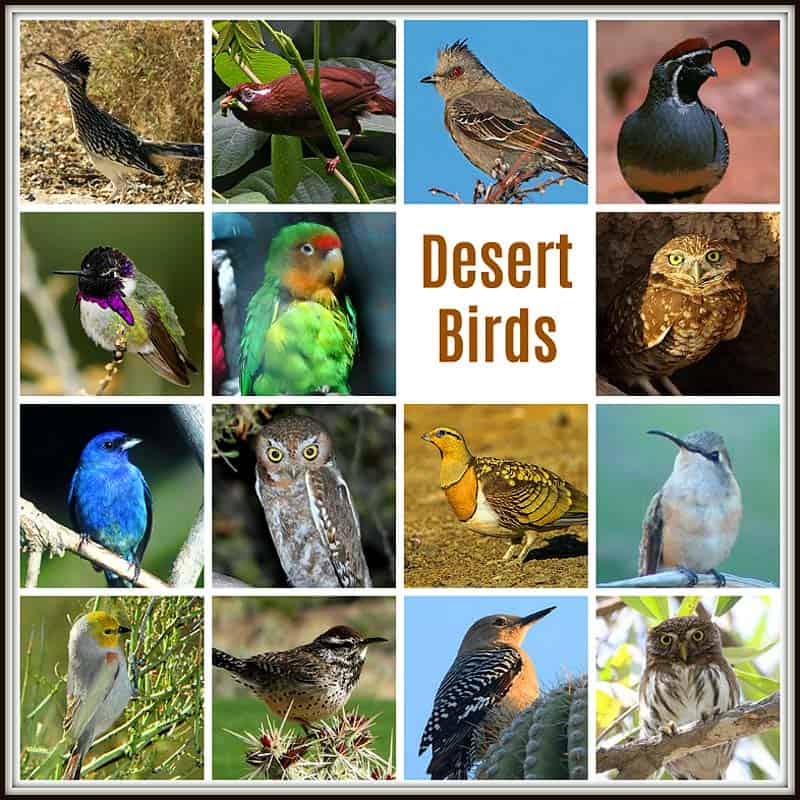
- Deserts are diverse: They host hundreds of bird species, each with unique adaptations.
- Birds don’t always need to drink: Many survive on metabolic water from their food.
- Some birds thrive in heat: With the right adaptations, birds like the ostrich can outlast mammals.
Non-obvious Insights For Survival
- Metabolic Water Production: Birds can produce water inside their bodies by breaking down fat. For every gram of fat burned, they get about 1.07 grams of water. This is why birds may appear active even when water seems unavailable.
- Temporary Torpor: Some small desert birds enter a state of reduced activity at night, lowering their body temperature to save energy and reduce water loss. This is similar to a mild, short-term hibernation.
Challenges And Threats For Desert Birds
Despite their many adaptations, desert birds face growing problems:
- Climate change: Rising temperatures make survival harder.
- Water scarcity: Human use of water sources can dry up vital waterholes.
- Habitat loss: Development and agriculture reduce nesting sites.
- Invasive species: Non-native plants and animals can disrupt food chains.
Protecting desert birds means understanding and respecting their unique needs. Conservation programs are now focusing on preserving water sources and natural habitats.
Frequently Asked Questions
What Do Desert Birds Drink?
Most desert birds get water from their food—such as insects, seeds, or juicy plants. Some, like sandgrouse, travel long distances to find waterholes. Others use morning dew or store water in their feathers for their chicks.
How Do Birds Keep Cool In The Desert?
Birds use several strategies: they are active during cooler hours, rest in shade at midday, pant or flutter their throats to lose heat, and some live in burrows. Their feathers often reflect sunlight, and their bodies are adapted to minimize water loss.
Can All Birds Survive In The Desert?
No. Only birds with special adaptations can live in deserts. Birds without efficient water conservation, heat protection, or flexible diets would not survive the harsh conditions.
How Do Desert Birds Find Food?
Desert birds are opportunistic—they eat whatever is available. This includes seeds, insects, small reptiles, fruits, and sometimes carrion. They may cache food or change their diet with the seasons.
Where Can I Learn More About Desert Bird Adaptations?
A good resource is the Wikipedia page on desert birds, which offers detailed examples and scientific studies on the topic.
Birds surviving in deserts is a story of evolution, resilience, and creativity. From their bodies to their behaviors, every feature is shaped by the challenge of life with little water, intense heat, and unpredictable food. These adaptations make desert birds some of the most remarkable survivors on Earth.
Whether you are a birdwatcher, a student, or just curious, understanding their world is not only fascinating but also important for their future protection.