
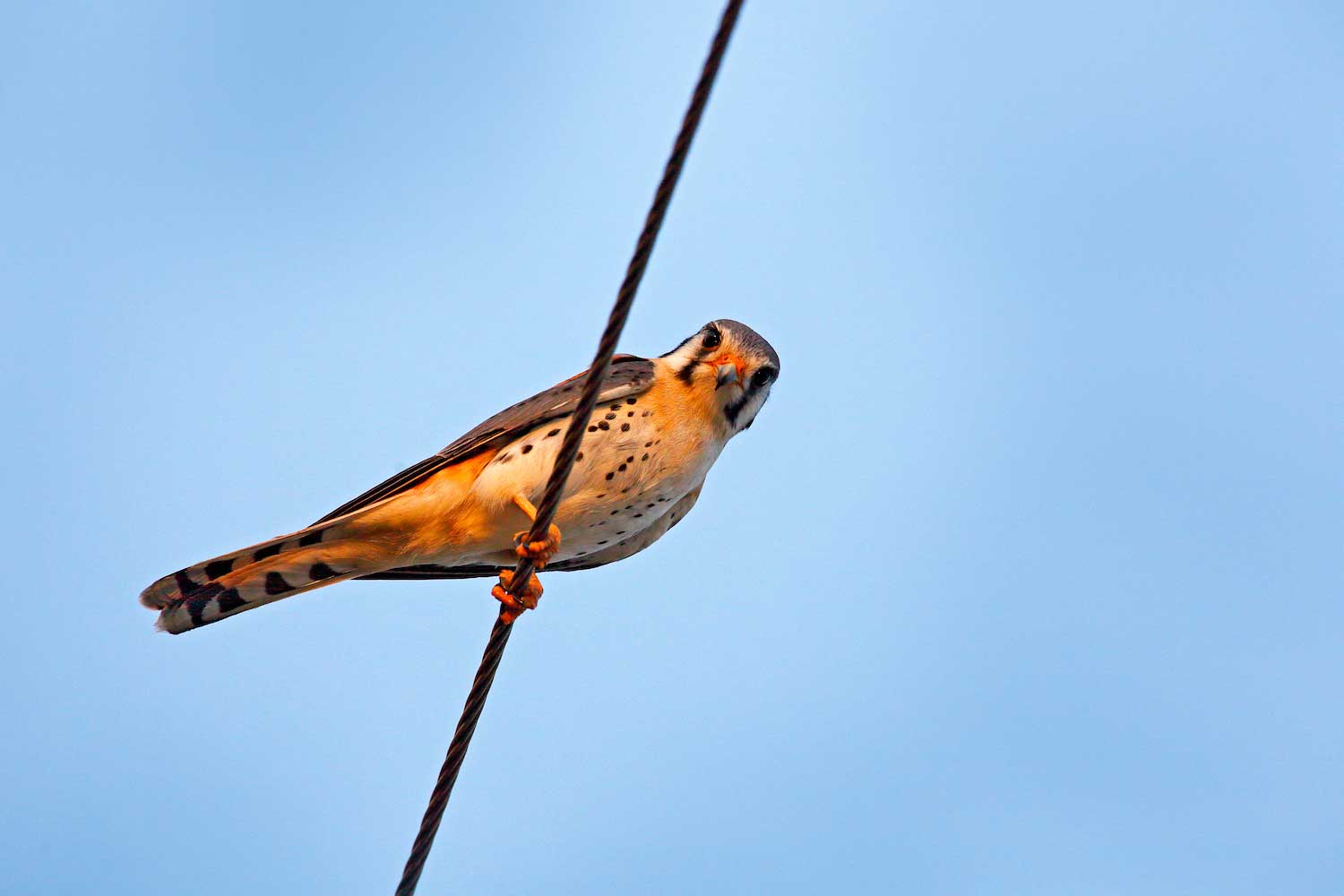
Birds sitting on power lines is a familiar sight in cities, towns, and rural landscapes. Sometimes, you might see a single bird perched quietly; other times, dozens line up in a neat row, almost like they’re waiting for a train. This everyday scene raises interesting questions: Why do birds choose power lines? Are they resting, socializing, or looking for food? And perhaps most importantly, how do they avoid getting electrocuted?
In this article, you’ll discover the real reasons why birds sit on power lines, the science behind their safety, the benefits and risks for birds, and the impact of this behavior on power systems. You’ll also learn about myths and facts, with clear answers to common questions.
By the end, you’ll see this simple act of perching in a whole new light.
Why Do Birds Choose Power Lines?
Birds have many places to perch—trees, rooftops, fences—yet power lines remain a favorite. The answer is a mix of practical survival, social habits, and environmental changes.
Safety From Ground Predators
Power lines offer a high, open place. For small birds, staying above the ground means less risk from cats, foxes, or snakes. On a wire, they can see danger coming from all directions. Few predators can reach them, and if they sense trouble, birds can quickly fly away.
Good Vantage Point
From a power line, birds get a wide view of their surroundings. This helps in two ways:
- Spotting Food: Many birds, especially insect-eaters, watch for movement below. When they see a bug or small animal, they swoop down to catch it.
- Watching for Danger: A high view makes it easier to see hawks or other flying threats.
Social Gatherings And Communication
Some birds are social. They gather in flocks, especially before migration or in the evening. Power lines are like meeting spots, where birds rest, preen their feathers, and communicate with calls and body language.
A common example is the European starling. Hundreds may line up, chattering and shifting positions. This behavior helps them share information—like where to find food.
Warmth And Shelter
In cool weather, power lines offer a surprising benefit: a bit of extra warmth. The wires themselves don’t get hot, but the open space above roads and fields is often sunnier and less windy than shady tree branches. After rain, power lines dry faster, so birds avoid wet feathers.
Lack Of Natural Perches
In cities and farmland, trees may be rare. Power lines and poles replace natural branches. For many species, adapting to new perch types has helped them survive in changed environments.
Non-obvious insight: Birds living in cities often perch on power lines more than rural birds, because there are fewer trees and shrubs.
The Science Behind Bird Safety On Power Lines
One of the biggest mysteries is why birds can sit on high-voltage wires without harm. Understanding the physics reveals a fascinating side of nature.
How Electricity Works On Wires
Electricity flows from high to low voltage. Wires carry this energy between power plants and homes. If something bridges the gap from the wire to the ground, the current can flow through that object—sometimes with deadly results.
Why Birds Don’t Get Shocked
Birds are safe on power lines because:
- Both their feet land on the same wire
- There is no path for electricity to flow through their body to the ground or to another wire
Electricity always takes the path of least resistance. For a bird sitting on a single wire, the electricity stays inside the wire.
When Birds Do Get Electrocuted
If a bird touches two wires at once, or a wire and a grounded object (like a metal pole or transformer), it creates a connection. Electricity flows through the bird, and this can kill.
Large birds, such as hawks or eagles, are at higher risk. Their wingspan may reach from one wire to another. Small birds rarely touch two wires at the same time.
Real-world Data
Power companies and wildlife researchers track bird injuries. In North America, it’s estimated that thousands of large birds are electrocuted each year, mostly raptors and crows. For most small songbirds, the risk is very low.
Table: Bird Size And Electrocution Risk
To understand which birds face the most danger, compare their size and behavior:
| Bird Type | Average Wingspan (cm) | Typical Perching Style | Electrocution Risk |
|---|---|---|---|
| Sparrow | 20–25 | Feet close together | Very Low |
| Pigeon | 60–70 | Feet apart, but not wide | Low |
| Crow | 85–100 | Large stride, sometimes touches two parts | Moderate |
| Hawk/Eagle | 120–250 | Wide wings, may bridge wires | High |

The Benefits Of Power Lines For Birds
Birds don’t just use power lines because they have no choice—these wires provide real advantages in their daily lives.
Rest Stops During Long Flights
Many birds travel huge distances during migration. Power lines act as resting places along the way. They offer a safe, predictable perch above open ground, where birds can pause and regain strength.
Example: Swallows often stop on power lines in spring and autumn, sometimes in groups of hundreds, before flying further.
Social Learning And Flocking
Younger birds watch older birds on power lines and learn about safe places, food sources, and danger. Flocking behavior also helps them practice flying in groups, which is important for migration.
Avoiding Competition
With more birds competing for limited tree branches, power lines give extra space. This reduces fighting and stress, especially in urban areas.
Table: Power Line Vs. Natural Perch
Here’s a comparison of how power lines and natural perches help birds:
| Feature | Power Line | Tree Branch |
|---|---|---|
| Visibility | Very High | Medium |
| Safety from predators | High (from ground) | Medium (some cover) |
| Shelter from weather | Low | High |
| Availability in cities | High | Low |
| Competition for spot | Low | High |
An Unexpected Benefit: Parasite Control
Some scientists think open perches like power lines help birds shake off parasites. Sitting in the sun, preening, and stretching their wings makes it harder for mites and lice to hide.
Risks And Downsides For Birds
Sitting on power lines isn’t always safe. There are real dangers for birds, especially in certain environments or for certain species.
Electrocution And Injury
As explained earlier, large birds are at greater risk. Injuries happen more near substations, transformers, and where wires are close together. Many countries now require new power lines to be designed with wildlife safety in mind.
Collision Accidents
Some birds, especially those flying in flocks or at night, may not see the wires. This can lead to fatal collisions. Waterfowl and cranes are often affected, especially near lakes and wetlands.
Non-obvious insight: Birds with good eyesight in daylight can still hit wires at dusk or dawn, when visibility drops.
Table: Birds Most At Risk From Collisions
| Bird Species | Main Risk Factor | Typical Habitat |
|---|---|---|
| Swan | Large size, poor wire visibility | Wetlands |
| Crane | Night migration | Open fields, marshes |
| Duck | Flock movement at dawn/dusk | Ponds, lakes |
Nesting Hazards
Some birds try to build nests on power poles or wires. This can lead to fires or power outages. While this behavior is less common than perching, it’s a growing problem in urban and farming areas.
Disturbance From Human Activity
Birds on power lines are exposed to cars, noise, and pollution. Stress levels can be higher, especially for sensitive species.

The Impact On Power Systems And People
Birds perching on wires don’t just affect themselves—they can cause problems for power companies and people, too.
Power Outages
When birds cause a short circuit (usually by touching two wires or equipment), it can shut off power for thousands of homes. In the United States, bird-related outages are among the top causes of unplanned power loss.
Equipment Damage
Feathers, droppings, and nests can clog or corrode electrical equipment. Repairs cost money and time. In some regions, utilities spend millions of dollars a year on bird-proofing and maintenance.
Solutions: Making Power Lines Safer
Many countries use these methods to reduce bird deaths and outages:
- Insulating wires near poles and transformers
- Adding markers (bright or reflective objects) to make wires more visible
- Moving wires further apart so large birds can’t touch two at once
- Installing perch deterrents to stop nesting in risky spots
These changes help both birds and people. In some areas, bird deaths fell by over 80% after lines were improved.
Conservation Efforts
Groups like the Audubon Society and government agencies work to protect birds from power line dangers. Their research helps create safer designs and educate the public about coexisting with wildlife.
Do All Bird Species Use Power Lines?
Not every bird species is seen on power lines. Different birds have different needs and habits.
Perching Birds (passerines)
Most birds seen on wires are passerines—songbirds like sparrows, starlings, swallows, and crows. Their feet are adapted to wrap around thin objects, making wires comfortable.
Birds Of Prey
Raptors such as hawks, falcons, and eagles use power poles and wires as hunting perches. They like the open view but face higher electrocution risks due to size.
Water Birds
Ducks, geese, and swans rarely sit on wires. Their feet are webbed, not suited for gripping. Instead, they rest on water or ground.
Woodpeckers And Cavity Nesters
These birds prefer tree trunks or nest boxes. They may use poles for drumming but rarely perch on wires.
Urban Adaptation
Some birds have changed habits as cities grow. Pigeons, doves, and even some parrots (in warmer countries) now use wires more than before.
Myths, Curiosities, And Observations
Birds on power lines have inspired plenty of stories and questions. Here are a few common myths and the real facts behind them.
Myth: Birds Sleep All Night On Wires
It’s true that some birds rest on power lines, but most do not sleep there all night. They prefer trees or hidden spots for safety and warmth. At dusk, birds often gather on wires before flying to their true sleeping place.
Myth: Birds Always Face The Same Way
Have you noticed birds often face the same direction on a wire? It’s not magic—it’s the wind. Birds turn their bodies so the wind flows over their backs, keeping feathers smooth and reducing heat loss.
Do Power Lines Affect Bird Health?
There is little evidence that power lines harm birds’ health unless there’s an accident. Some research suggests that electromagnetic fields (EMF) from wires are too weak to cause problems for birds.
Do Birds Prefer Certain Wires?
Yes. Birds often pick thinner, lower wires. Thick high-voltage wires may vibrate or be too hot in direct sun.
Observing Bird Behavior
If you watch birds on wires, you may see:
- Preening and stretching
- Pecking at insects on the wire
- Calling to other birds
- Sudden mass takeoff when startled
Non-obvious insight: The first bird to leave a wire flock is often the most experienced or bold. Others follow, trusting its judgment.
Frequently Asked Questions
Why Don’t Birds Get Electrocuted When Sitting On Power Lines?
Birds are safe because they touch only one wire at a time, with both feet. Electricity needs a path from high to low voltage—if the bird doesn’t connect two wires or a wire and the ground, no current passes through its body.
Larger birds face more risk if they touch two wires at once.
Can Sitting On Power Lines Harm Birds In The Long Term?
For most small birds, sitting on power lines is safe and does not cause long-term harm. The main risks are electrocution (for large birds) and collision (flying into wires). There is no strong evidence that electromagnetic fields from wires affect bird health.
Do Birds Ever Sleep On Power Lines?
Most birds do not sleep all night on power lines. They may rest or gather in the evening, but usually move to safer, more sheltered places like trees or shrubs for the night.
Are Power Lines Dangerous For All Bird Species?
No. The danger depends on the bird’s size, behavior, and foot shape. Small songbirds are rarely electrocuted. Large birds, especially raptors, are at higher risk. Water birds and woodpeckers rarely use wires.
What Can Be Done To Protect Birds From Power Line Dangers?
Power companies and conservation groups use several methods: insulating wires, making lines more visible, spacing wires further apart, and adding perch deterrents. These steps help reduce bird deaths and power outages.
For more on bird safety and power lines, see this resource from the Audubon Society.
Birds sitting on power lines is a complex, fascinating topic—a sign of how wildlife adapts to human changes in the landscape. Next time you see a row of birds on a wire, you’ll know the science, the risks, and the hidden stories behind this simple scene.