Opera glasses make people think of elegant theaters, velvet seats, and sparkling chandeliers. But what if you want to use them outside—at a sports event, a concert in the park, or just to enjoy nature? Many people wonder if opera glasses can be used outdoors or if they are only for indoor performances.
The answer is not as simple as it seems. To truly understand, you need to know how opera glasses work, their strengths, and their limits. This guide explains everything you need to decide if opera glasses are right for outdoor use.
What Are Opera Glasses?
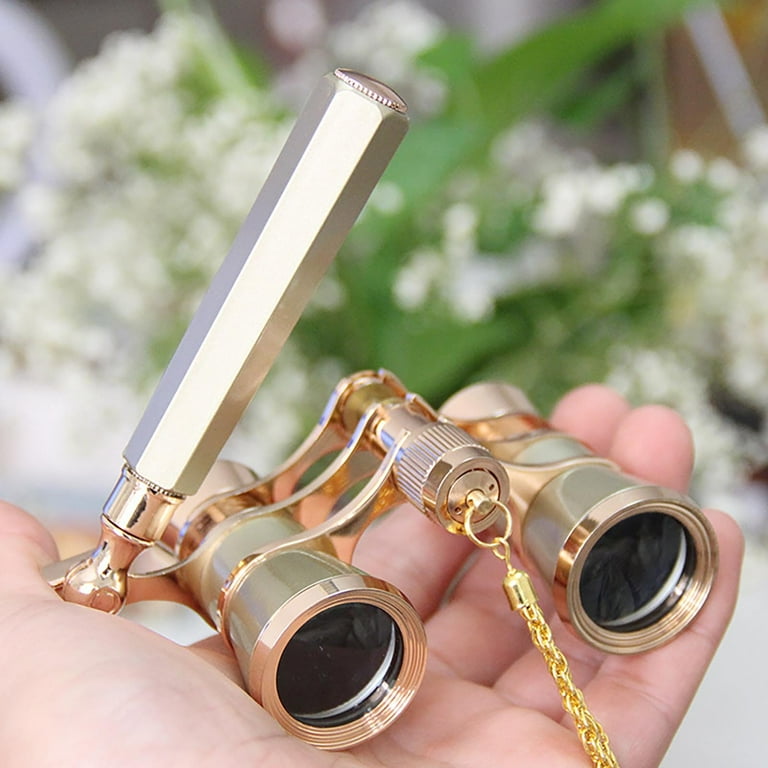
Opera glasses are small binoculars designed for use in theaters and opera houses. They usually have a magnification of 2.5x to 5x, which means they make things look two to five times closer. Most opera glasses are lightweight, stylish, and easy to carry. They often come with gold or silver trim, mother-of-pearl, or elegant designs.
Unlike standard binoculars, opera glasses focus on style and comfort. The lenses are usually smaller, and the field of view is wide, letting you see the whole stage easily. They are sometimes called “Galilean binoculars” because of the simple lens system they use.
How Do Opera Glasses Differ From Regular Binoculars?
To know if you can use opera glasses outdoors, it’s important to compare them with regular binoculars. Here’s a quick look at the main differences:
| Feature | Opera Glasses | Standard Binoculars |
|---|---|---|
| Magnification | 2.5x – 5x | 8x – 12x (common) |
| Lens Size | Small (15–25mm) | Medium to large (30–50mm+) |
| Field of View | Wide | Narrower (higher zoom) |
| Weight | Very light | Heavier |
| Purpose | Indoor performances | Outdoor activities |
| Durability | Low | High (often waterproof, shockproof) |
Opera glasses are designed for close, well-lit settings. Standard binoculars are built for longer distances and rough outdoor use.
Can Opera Glasses Be Used Outdoors?
Yes, you can use opera glasses outdoors, but there are important things to consider. Their design and features work best indoors, but that doesn’t mean they are useless outside. The real question is: What do you want to see, and in what conditions?
When Opera Glasses Work Well Outdoors
Opera glasses can be useful outside in certain situations:
- Outdoor concerts: If you attend a music performance in a park or stadium, opera glasses help you see the stage and the performers’ faces.
- Sports events: At games where seats are not too far from the action, opera glasses can help you follow the players.
- Parades and festivals: When you want to catch details of costumes or floats.
- Public ceremonies: For graduations or speeches in open spaces, opera glasses let you see expressions and gestures.
In these cases, the lower magnification and wide field of view are actually helpful. You can see more of the scene and easily follow movement.
When Opera Glasses Are Not Ideal
There are limits to using opera glasses outdoors:
- Birdwatching or wildlife: Opera glasses do not have enough power to see birds in trees or animals far away.
- Hiking or nature walks: For distant landscapes or animals, standard binoculars are much better.
- Nighttime or low light: Opera glasses have small lenses, so they do not work well in dim conditions.
In short, if you want to look at something far away or in poor light, opera glasses are not the right choice.
Important Features For Outdoor Use
If you want to use opera glasses outside, pay attention to a few key features.
Magnification
Most opera glasses are 3x. This is enough for indoor theaters but might feel weak outside. Some models go up to 5x, but higher power can make the image darker and harder to hold steady, especially with small lenses.
Lens Size (objective Diameter)
Bigger lenses let in more light. Opera glasses usually have lenses between 15mm and 25mm. For outdoor use, choose the biggest lenses you can find. This helps in cloudy weather or shade, but don’t expect miracles—opera glasses will never match real binoculars for brightness.
Focus Adjustment
Some opera glasses have a focus wheel; others are fixed-focus (“focus-free”). For outdoors, a focus wheel is better. It helps you get a sharp image at different distances, which is important if you are not always the same distance from the subject.
Build Quality
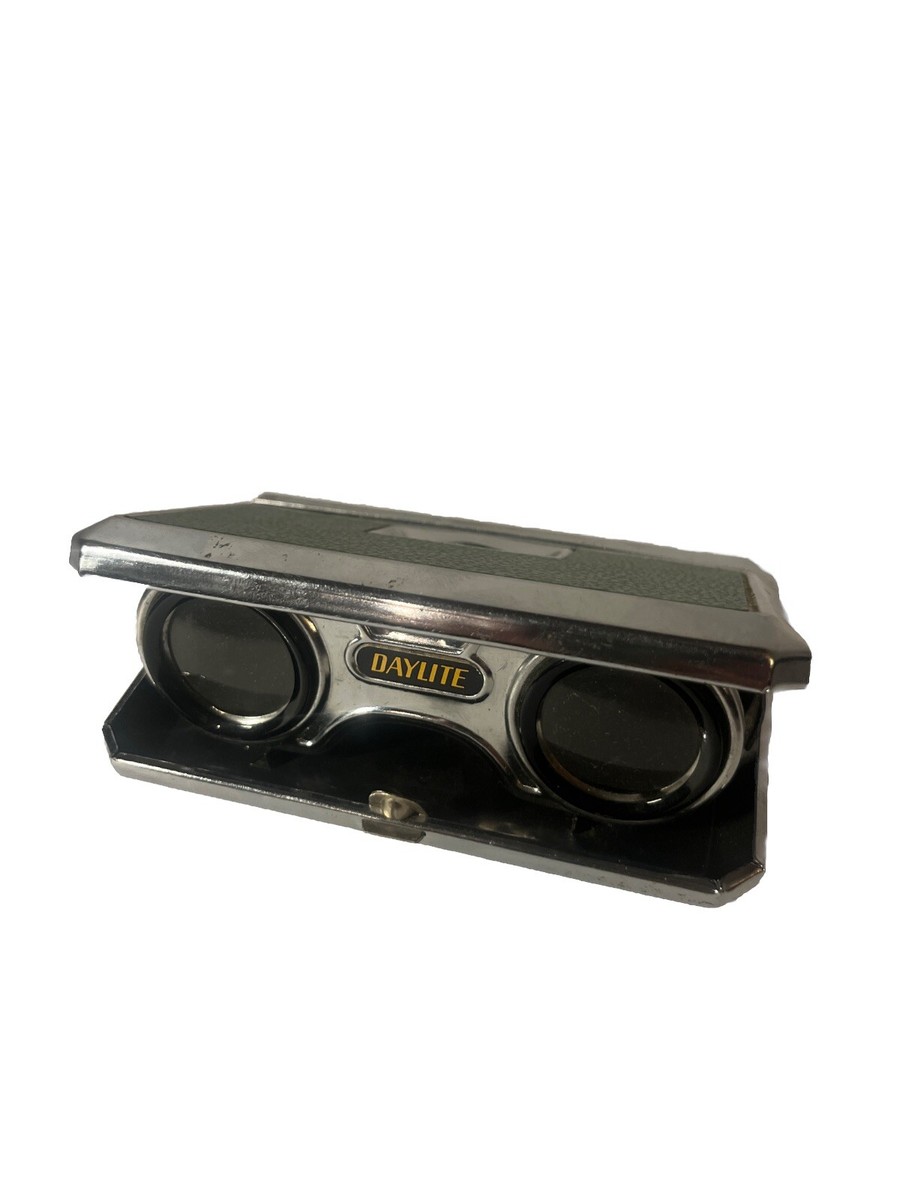
Opera glasses are usually delicate. If you plan to use them outside, look for sturdy frames and good build quality. Metal frames are stronger than plastic. Some rare models offer water resistance, but most do not.
Pros And Cons Of Using Opera Glasses Outdoors
It helps to weigh the strengths and weaknesses before deciding.
| Pros | Cons |
|---|---|
| Lightweight and compact | Low magnification (limited range) |
| Easy to carry in a pocket or purse | Poor performance in low light |
| Wide field of view (see more at once) | Not very durable or weatherproof |
| Simple to use (rarely needs focusing) | Small lenses limit brightness |
| Stylish designs | Not suitable for distant or detailed viewing |
Practical Tips For Using Opera Glasses Outdoors
If you decide to try opera glasses outside, a few tips can help you get the best experience.
- Choose the right event: Use them at outdoor events where you are not too far from the action—like concerts, plays, or parades.
- Check the weather: Avoid using opera glasses in rain, dust, or very bright sunlight. Most are not weather-resistant and can be damaged easily.
- Bring a case: Always carry a soft pouch or hard case to protect your opera glasses when not in use.
- Adjust carefully: If your opera glasses have a focus wheel, turn it slowly to get the clearest image. Don’t force it—opera glasses are delicate.
- Keep your hands steady: At higher magnifications, even small shakes make the image blurry. Hold your elbows close to your body for stability.
- Clean gently: Wipe the lenses with a soft cloth only. Never use paper tissues or rough materials.
Common Mistakes When Using Opera Glasses Outdoors
Many beginners make simple errors that ruin the experience. Here are mistakes to avoid:
- Expecting long-distance power: Opera glasses are not telescopes. They will not help you see faraway mountains, birds, or stars.
- Using in bad weather: Rain, dust, or sand can easily damage the lenses or mechanisms.
- Ignoring comfort: Some opera glasses have a narrow “eye relief” (the distance from your eye to the lens). If you wear glasses, test them before buying.
- Not checking focus: Some cheap models have fixed focus, which may not work well at outdoor distances.
Opera Glasses Vs. Compact Binoculars For Outdoor Use
If you want a portable option for outdoors, you might wonder if compact binoculars are better than opera glasses. Here’s how they compare:
| Feature | Opera Glasses | Compact Binoculars |
|---|---|---|
| Magnification | 2.5x – 5x | 6x – 8x |
| Lens Size | 15–25mm | 20–28mm |
| Weight | 100–200g | 200–300g |
| Durability | Low | Higher (often rubber-coated) |
| Price Range | $20–$100 | $30–$150 |
| Best For | Indoor/outdoor events | Outdoor activities (sports, travel, nature) |
Compact binoculars give you more power, better image quality, and are more rugged. However, if you want something stylish and light just for occasional use, opera glasses can still be a fun choice.
Non-obvious Insights For Outdoor Users
Many people miss these points when deciding to use opera glasses outside:
- Opera glasses can enhance group events: At outdoor concerts or ceremonies where people stand, opera glasses let you see over heads and crowds without blocking anyone’s view.
- Some opera glasses are collectible: Antique or designer opera glasses may look beautiful but are not practical outdoors. Modern versions with “retro” looks sometimes have better optics and are more durable.
- Wide field of view helps with moving subjects: The lower magnification and wide view make it easy to follow action on a stage or field, unlike high-powered binoculars that can be hard to aim.
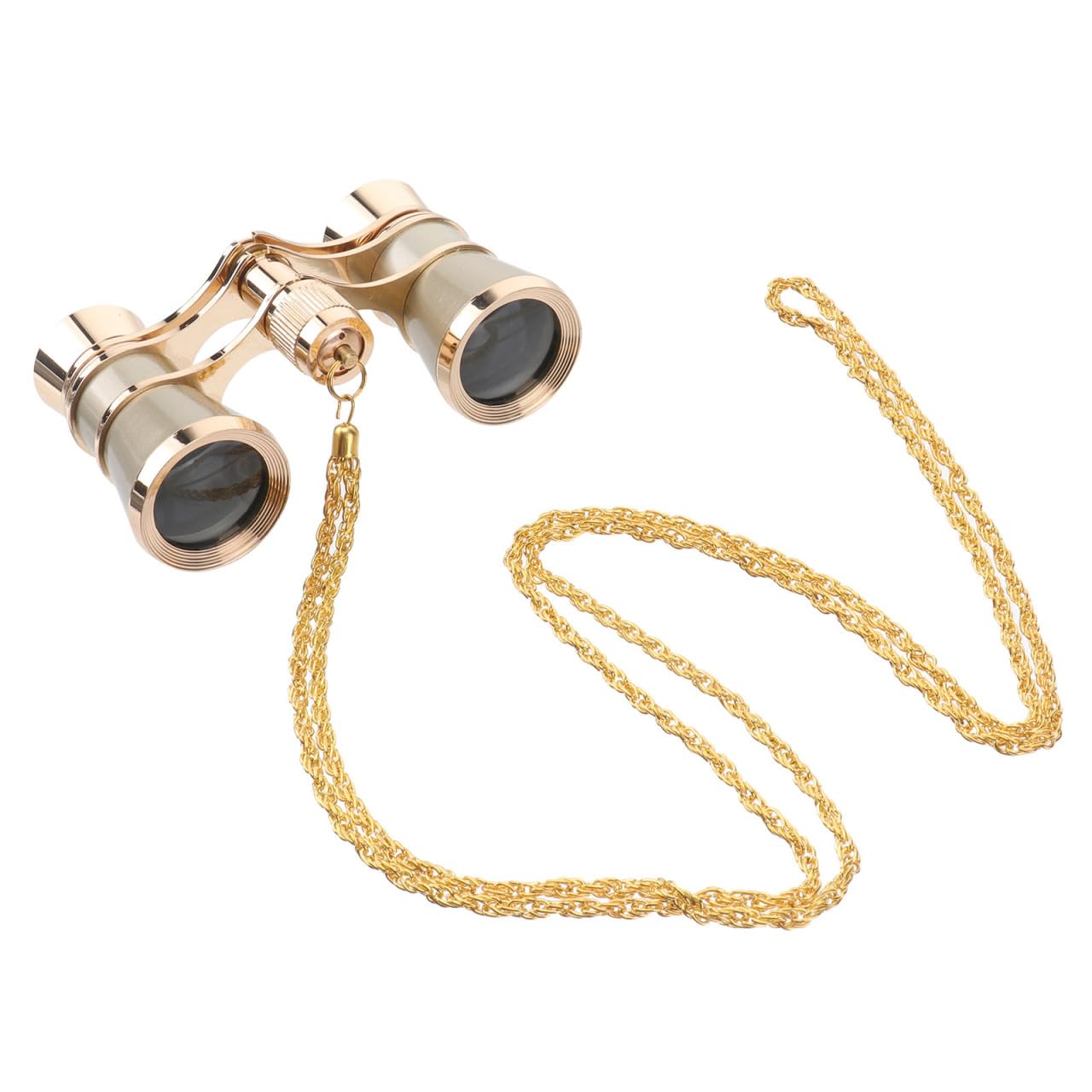
- Personal comfort matters more outdoors: Outdoor use often means standing or moving, so lightweight opera glasses that hang on a neck chain are easier to manage.
How To Choose Opera Glasses For Outdoor Use
If you are buying opera glasses mainly for outdoor events, here’s what to look for:
- Magnification: 3x–5x is enough. Avoid higher, as it gets harder to keep steady.
- Large objective lens: As close to 25mm as possible for more brightness.
- Sturdy build: Metal or reinforced frames last longer outside.
- Central focus wheel: Allows you to adjust for distance changes.
- Carrying case: Protects from dust, rain, and bumps.
- Comfortable design: Lightweight and easy to hold for long periods.
Try to test them in the store (if possible) by looking at distant objects in daylight to see how clear and bright the image is.
Are Opera Glasses Worth It For Outdoor Events?
For many people, opera glasses are a charming and useful accessory at outdoor events where you want a closer look, but do not need high power or advanced features. They are perfect for those who value style, convenience, and light weight.
However, if your main goal is to see distant wildlife, landscapes, or action at a large stadium, you will be happier with compact or full-size binoculars. Still, opera glasses are worth trying for outdoor concerts, parades, or any event where you want to see faces and details without carrying heavy gear.
If you want to learn more about binocular types and optics, the Wikipedia page on binoculars is a helpful resource.
Frequently Asked Questions
What Is The Main Difference Between Opera Glasses And Regular Binoculars?
The main difference is magnification and design. Opera glasses have lower power (usually 3x), are lighter, and made for indoor use. Regular binoculars have more zoom, larger lenses, and are built for outdoor use.
Can Opera Glasses Be Used For Birdwatching?
Opera glasses are not good for birdwatching. Their low magnification and small lenses make it hard to see birds clearly, especially if they are far away or in trees.
Are Opera Glasses Waterproof?
Most opera glasses are not waterproof. They are designed for theaters and indoor events. If you need water resistance, choose compact binoculars made for outdoors.
Will Opera Glasses Work At Night?
Opera glasses do not work well at night or in dim light. Their small lenses cannot collect enough light, so the image will be dark and unclear.
Can I Wear Glasses While Using Opera Glasses?
Some opera glasses have short eye relief, which means you need to put your eyes close to the lenses. If you wear glasses, try before you buy to make sure you can see the whole image comfortably.
Opera glasses can be a fun and stylish way to get a closer look outdoors, but they are not for every situation. Use them for events where you want to see people and action up close, but don’t expect them to replace real binoculars for adventures in the wild.
Choose the right tool for your needs, and you’ll enjoy every event even more.