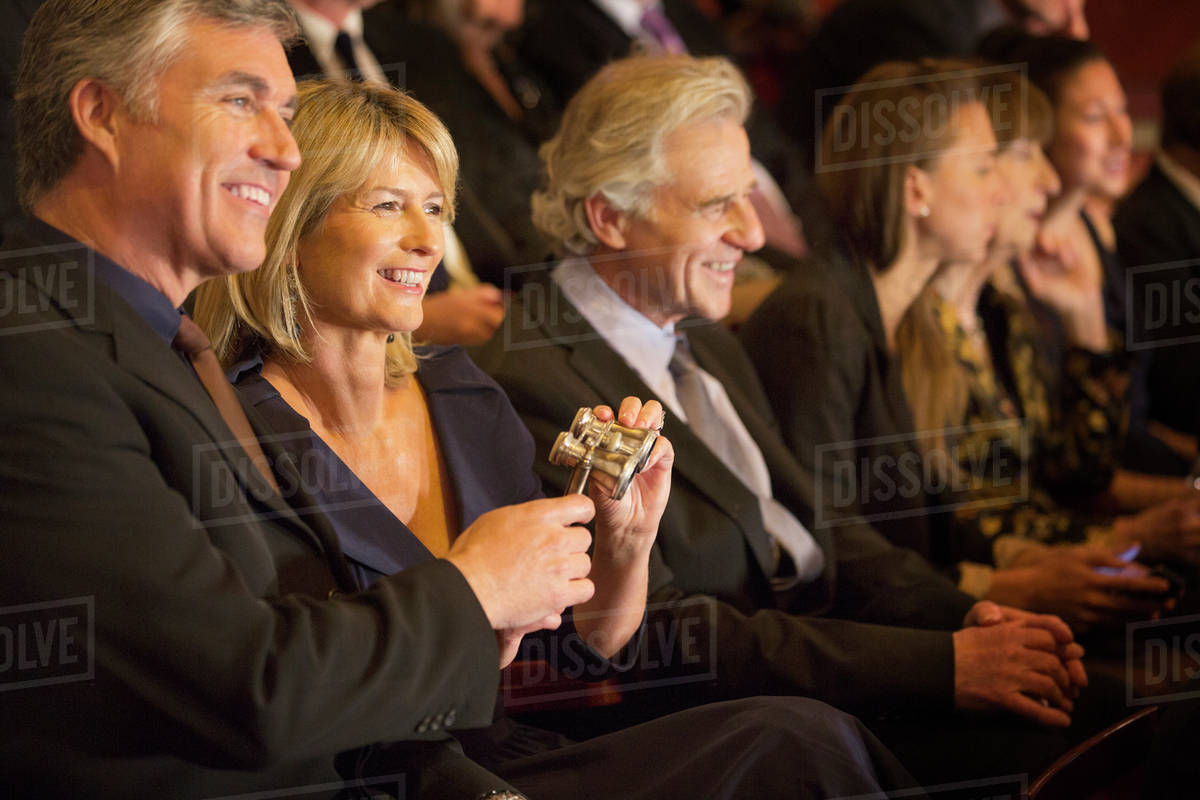
Choosing the right size of opera glasses can transform your theater experience. Whether you’re attending your first opera or you’re a regular at the ballet, the right pair of glasses will help you see details on stage clearly and comfortably.
But with so many options, sizes, and styles, how do you pick the best fit for your needs? Let’s take a close look at everything you need to know about opera glasses sizing, so you can enjoy every performance without any distractions.
What Are Opera Glasses?
Opera glasses are small binoculars designed for indoor events, especially in theaters and opera houses. Unlike regular binoculars, they have lower magnification—usually 2.5x to 4x—which is enough to bring the stage closer without blurring or shaking. Their design is elegant, often with gold trim or mother-of-pearl, making them not just practical but also stylish accessories.
Why Size Matters For Opera Glasses
Many people think opera glasses are “one size fits all,” but that’s not true. The size of the glasses affects comfort, ease of use, and how well you see the stage. Choosing the wrong size can make your arms tired, block your view, or even distract people sitting near you.
Here’s why size is important:
- Comfort: Glasses that are too big or heavy are tiring to hold.
- Field of View: Too small, and you might miss the action on stage.
- Discreetness: Large glasses can draw unwanted attention in a quiet, dark theater.
- Storage: Oversized glasses are harder to carry and store.
Key Factors When Choosing Opera Glasses Size
Let’s break down what you should pay attention to when picking the right size.
1. Magnification Power
Opera glasses usually offer 2.5x to 4x magnification. This number means how much closer the stage will appear. Higher is not always better—if the magnification is too strong, you’ll see a smaller part of the stage and might have trouble following fast movements.
- 2.5x to 3x: Best for most theaters; wide view, easy to track movement.
- 4x: Good for very large auditoriums, but can feel “zoomed in.”
2. Objective Lens Diameter
The objective lens is the lens closest to the stage. Its diameter (measured in millimeters) impacts brightness and clarity. A bigger lens lets in more light, making images look brighter.
- 20mm to 30mm: Standard size for opera glasses; bright enough for indoor use.
- Below 20mm: Often too dim, especially in low light.
3. Physical Size (dimensions)
The actual dimensions (length, width, height) decide if the glasses fit in your hand and purse, and how easy they are to use. Most opera glasses are compact, but there are still differences.
Example size range:
- Length: 8–12 cm
- Width: 5–7 cm
- Height: 3–5 cm
If you have small hands, choose a lighter, shorter model. If you want a steady grip, a wider frame might help.
4. Weight
Weight is critical. The best opera glasses are light enough to hold for a full performance—usually 100g to 200g.
- Under 120g: Feels almost unnoticeable.
- 120g–200g: Still comfortable for most adults.
- Above 200g: Can feel heavy, especially after 20–30 minutes.
5. Eyepiece (ocular) Size
The eyepiece is where you look through. Larger eyepieces are more comfortable, especially if you wear glasses. Too small, and you’ll have trouble seeing the whole stage.
- Diameter 10–15mm: Suitable for most users.
- Smaller than 10mm: Not ideal for glasses wearers.
6. Interpupillary Distance Adjustment
This is the distance between the two eyepieces. Adjustable bridges allow you to fit the glasses to your eyes, which is important for clarity and comfort.
- Adjustable: Fits most adults and older children.
- Fixed: May not fit everyone; avoid if you have a narrow or wide face.
7. Handle Or Chain
Some opera glasses come with a handle or a chain. Handles add size and can make storage harder, but are good for quick use. Chains let you hang the glasses around your neck, adding convenience but also extra weight.
Comparing Common Opera Glasses Sizes
Here’s a look at some common sizes and their features:
| Magnification | Objective Lens | Dimensions (cm) | Weight (g) | Best For |
|---|---|---|---|---|
| 2.5x | 20mm | 9 x 6 x 4 | 110 | Small hands, short use |
| 3x | 25mm | 10 x 6.5 x 4.5 | 150 | General purpose |
| 4x | 30mm | 12 x 7 x 5 | 190 | Large theaters |
Choosing Based On Theater Size And Seat Location
Where you sit in the theater affects which size is best.
Close Seats (front Rows)
If you’re close to the stage, you don’t need much magnification. A small, light pair (2. 5x, 20mm lens) is enough. Too much zoom will make the stage look blurry and shaky.
Middle Seats
This is the most common situation. Choose 3x magnification with a 25mm lens—good balance of detail and wide view. Most opera glasses are designed for these seats.
Balcony Or Back Rows
You need more power here. Go for 4x magnification and a 30mm lens, but be aware the view will be narrower. Look for glasses with a steady grip and larger eyepieces for comfort.
Opera Glasses For Glasses Wearers
If you wear prescription glasses, not all opera glasses will work well. Look for:
- Large eyepiece diameter (at least 14mm)
- Long eye relief (distance from eyepiece to your eye), at least 10mm
- Adjustable focus and interpupillary distance
Some models are designed especially for glasses wearers—these are usually marked “eye relief” in the specs.
Comparing Compact Vs. Full-size Opera Glasses
Let’s look at how compact and full-size models compare:
| Feature | Compact | Full-Size |
|---|---|---|
| Magnification | 2.5x–3x | 3x–4x |
| Lens Diameter | 20–25mm | 25–30mm |
| Weight | 100–130g | 150–200g |
| Portability | High | Medium |
| Best Use | Short events, small hands | Longer shows, larger hands |
Practical Examples: Matching Size To Your Needs
Consider these scenarios:
- You attend operas once a year: Choose a compact, lightweight model (2.5x, 20mm lens). Easy to carry, enough for occasional use.
- You’re a regular theater-goer: A 3x, 25mm model is best—versatile and comfortable for longer shows.
- You sit in the balcony: Go for 4x, 30mm, with a steady grip and larger eyepieces. You’ll see more detail, but the glasses will be larger.
- You have arthritis or limited grip: Pick the lightest possible glasses, even if the lens is smaller. Comfort comes first.
Non-obvious Insights Most Beginners Miss
- Exit Pupil Size: This is the amount of light reaching your eye. Divide the lens diameter by magnification. A number near 7mm is best for dark theaters. For example, 21mm lens / 3x = 7mm exit pupil.
- Focusing Mechanism: Many opera glasses have “fixed focus.” This means you cannot adjust focus for different distances. If you want to see both the stage and orchestra, look for adjustable focus—even if it adds a bit of size.
Common Mistakes When Choosing Size
- Choosing the highest magnification: It’s tempting, but you’ll lose field of view and images can shake.
- Forgetting about weight: Heavy glasses are uncomfortable after 20 minutes.
- Ignoring eyepiece size: Small eyepieces are hard to use, especially with glasses.
- Not checking for adjustability: Fixed-size bridges or focus can be uncomfortable for many users.
How To Test Opera Glasses Before Buying
If you can visit a shop, try these:
- Hold the glasses as you would in the theater. Can you hold them steady for a minute?
- Look through them at something about 30–50 meters away. Is the image clear and bright?
- If you wear glasses, check if you can use the opera glasses without removing them.
- Try adjusting the interpupillary distance. Do the eyepieces line up with your eyes?
- Place them in your purse or pocket. Are they easy to carry?
Tips For Carrying And Storing Opera Glasses
- Use a soft pouch to protect from scratches.
- Avoid carrying large models in small handbags.
- Keep the lenses clean with a microfiber cloth—fingerprints reduce clarity.
- Store in a dry place to prevent mold or fogging.

Popular Opera Glasses Brands And Their Sizes
Some leading brands include Levenhuk, Eschenbach, and LaScala. Most offer models in the 2.5x to 4x range, with weights from 100g to 200g. For more details and reviews, you can check sites like Wikipedia.
Cost Vs. Size Considerations
Larger, more powerful glasses often cost more. However, a bigger price tag doesn’t always mean better performance for your needs. Set your budget based on how often you’ll use them and what features you need, not just size or brand.

Opera Glasses Sizing: At-a-glance Cheat Sheet
Here’s a quick reference for picking the right size:
| Situation | Magnification | Lens Diameter | Weight | Recommended |
|---|---|---|---|---|
| Front Row | 2.5x | 20mm | <120g | Compact, light |
| Middle Seats | 3x | 25mm | 120–160g | Standard size |
| Balcony/Back | 4x | 30mm | 150–200g | Large, steady |
| With Glasses | 3x | 25mm | 120–180g | Large eyepieces |
Frequently Asked Questions
What Is The Best Magnification For Opera Glasses?
The best magnification for most users is 3x. It offers a good balance between detail and a wide field of view, making it easy to follow all the action on stage.
Are Opera Glasses Suitable For People With Glasses?
Yes, but look for models with large eyepieces and “long eye relief.” This means you can see the whole image without taking off your glasses. Adjustable interpupillary distance is also important.
Can I Use Regular Binoculars Instead Of Opera Glasses?
Regular binoculars are usually too powerful and heavy. Their higher magnification makes the image shaky and the field of view too narrow for most theaters. Opera glasses are designed for comfort and clarity in low light.
How Do I Maintain And Clean My Opera Glasses?
Use a soft microfiber cloth to clean the lenses. Keep them in a pouch when not in use. Avoid touching the lenses with your fingers, and store them in a dry place.
Do More Expensive Opera Glasses Mean Better Quality?
Not always. Higher price can mean better materials, but the right size and comfort are more important for most people. Choose based on your needs, not just on price.
Finding the right size of opera glasses is about balance—between comfort, clarity, and style. With the guidance above, you’ll be able to pick the pair that fits your hand, your seat, and your evening out. Enjoy the show!