
Opera glasses may look small and delicate, but they often hold great value—both sentimental and monetary. Whether you own a vintage pair passed down through your family or a modern set for attending performances, storing opera glasses safely is crucial.
Proper storage protects them from dust, scratches, and accidental damage. Many people make simple mistakes that shorten the life of their opera glasses without realizing it. If you want your opera glasses to last for years and always be ready to use, knowing the right storage methods is essential.
Why Proper Storage Matters
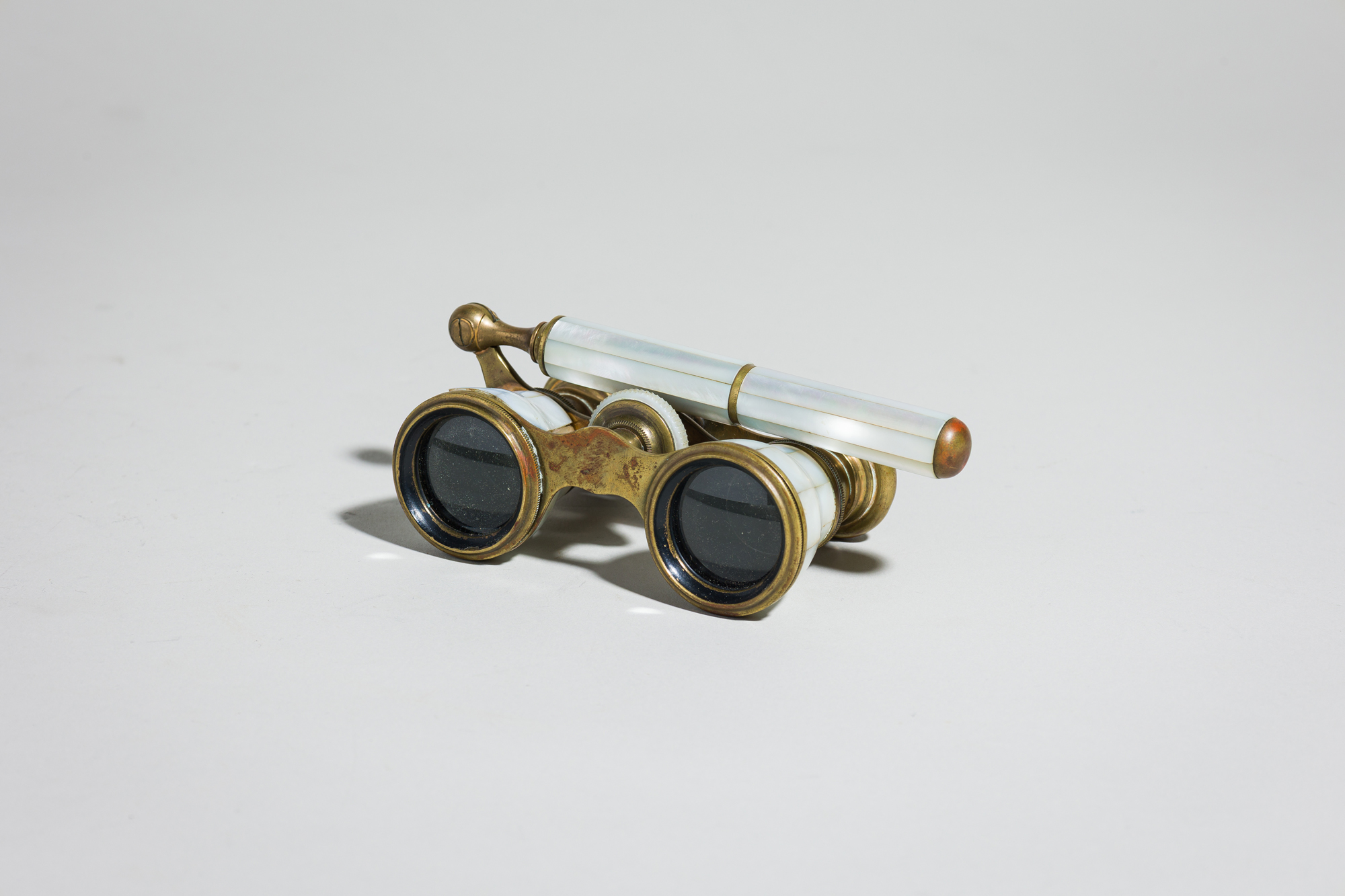
Opera glasses are precision instruments. Even small bumps or exposure to moisture can affect the optics. When left unprotected, the lenses can develop scratches or become cloudy. Delicate mechanisms inside the glasses—such as the focus wheel—can suffer from dust buildup or corrosion. This is especially true for antique opera glasses, which are often made with brass, leather, or mother of pearl.
Using a safe storage method not only preserves their functionality but also helps maintain their appearance. This is important for collectors, as the value of vintage opera glasses is closely tied to their condition. For frequent users, keeping opera glasses safe means always having a clear view for your next theater visit.
Choosing The Right Storage Location
The first step in safe storage is finding the right place. Where you keep your opera glasses determines how much they are exposed to hazards such as dust, sunlight, or humidity.
- Avoid direct sunlight. Sunlight can fade the materials and heat up internal components, causing adhesives to weaken.
- Keep away from humidity. Humid environments can lead to corrosion or mold growth, especially on old models.
- Stable temperature is best. Sudden changes in temperature can cause condensation inside the lenses.
- Low-traffic areas reduce accidents. Placing your opera glasses in a spot where they won’t be knocked over or dropped is a smart precaution.
A closed cabinet or a drawer in a bedroom or study is often ideal. Avoid storing opera glasses in basements, attics, or bathrooms due to moisture risks.
The Best Storage Cases For Opera Glasses
A protective case is one of the best tools for keeping your opera glasses safe. But not all cases are equal. Some cases offer more protection than others, and the right choice depends on your specific needs.
Common Case Types
| Case Type | Protection Level | Best For |
|---|---|---|
| Hard Case | High | Travel, long-term storage |
| Soft Pouch | Medium | Home use, short-term protection |
| Display Box | Medium-High | Collectors, display purposes |
- Hard cases are usually made from plastic, metal, or reinforced leather. They protect against bumps and drops.
- Soft pouches offer some defense against dust and scratches but are less effective against impacts.
- Display boxes are designed for showing off your glasses, often with cushioned interiors.
What To Look For In A Case
Choose a case that fits your opera glasses snugly but does not squeeze them. The interior should be lined with soft materials like velvet or microfiber to prevent scratches. If you travel often, pick a case with a secure closure—such as a zipper or clasp.
A common mistake is using a case that is too large. This allows the glasses to move around inside, increasing the risk of scratches or dents.
Cleaning Opera Glasses Before Storage
Storing dirty opera glasses can cause long-term damage. Oils from your hands, dust, and sweat can eat away at the surface or fog the lenses over time.
Simple Cleaning Steps
- Wash your hands before handling the glasses to avoid transferring oil and dirt.
- Use a soft brush or air blower to remove loose dust from the lenses and body.
- Wipe the lenses with a clean microfiber cloth. Avoid using paper towels or rough fabrics, as these can scratch the glass.
- Clean the body with a slightly damp, lint-free cloth. For antique models, avoid getting water into seams or joints.
- Dry completely before putting the glasses away.
Never use household cleaners or sprays on opera glass lenses. They can damage the coatings or leave residues.
Handling Opera Glasses With Care
How you handle opera glasses matters just as much as where you store them. Frequent dropping, rough handling, or careless adjustments can cause misalignment or even break parts.
- Always hold your opera glasses with both hands when possible.
- Avoid twisting focus wheels or arms too forcefully.
- When opening or closing folding models, do so gently.
For vintage or high-value opera glasses, consider wearing clean cotton gloves when handling them to prevent tarnishing or fingerprints.
Protecting Against Dust And Moisture
Dust and moisture are two of the biggest threats to opera glasses, especially if stored for long periods.
- Store glasses in a closed case or box to block dust.
- Add a silica gel packet inside the case to absorb moisture. These are inexpensive and can be replaced every few months.
- For antique opera glasses, check them every few months for signs of mold or corrosion.
Placing opera glasses near a window or heater increases the risk of condensation, so always store them in a stable, dry environment.
Long-term Storage Tips
If you don’t use your opera glasses often, extra precautions are needed for long-term storage.
- Wrap in acid-free tissue before placing them in a case. This prevents chemical reactions and surface damage.
- Check and clean the glasses every 3–6 months. Long-term storage can hide problems until they become serious.
- Keep documentation such as manuals, receipts, or provenance documents with the glasses, especially for collectible items.
Long-term storage should always focus on preventing exposure to air, light, and fluctuating temperatures.
Traveling With Opera Glasses
Bringing your opera glasses to performances or on trips adds more risks. Portable cases are essential, but so is careful packing.
How To Pack Opera Glasses For Travel
| Packing Method | Protection Level | Notes |
|---|---|---|
| Hard shell case in carry-on | High | Best for flights, easy access |
| Wrapped in clothing (soft pouch) in suitcase | Medium | Avoid pressure from heavy items |
| Loose in bag or purse | Low | High risk of damage |
Never store opera glasses in checked luggage if you can avoid it. Luggage handlers may toss bags, and extreme temperatures in cargo holds can damage delicate mechanisms.
When you arrive, always inspect your glasses for any signs of damage before using them.

Storage For Collectors: Display And Value
Collectors often want to display opera glasses while keeping them safe. Balancing display and protection requires careful planning.
Best Practices For Displaying Opera Glasses
- Use a glass-fronted display case to block dust and reduce handling.
- Avoid placing displays in direct sunlight to prevent fading.
- Support the glasses with soft stands or cradles to avoid stress on the frame.
- For rare or valuable models, consider rotating items in and out of storage to minimize light and air exposure.
For insurance or resale, keep all original packaging and documentation together with the glasses.
Common Storage Mistakes To Avoid
Many people unintentionally put their opera glasses at risk. Avoid these common mistakes:
- Leaving opera glasses on open shelves, where they collect dust and can fall easily.
- Using plastic bags for storage. Plastic can trap moisture and cause corrosion.
- Cleaning lenses with clothing, which can leave micro-scratches.
- Forgetting to check stored glasses for long periods. Problems like mold can develop out of sight.
Being aware of these pitfalls can prevent costly repairs or loss.
Repair And Maintenance Considerations
Even with careful storage, opera glasses may need occasional maintenance. Never attempt major repairs yourself, especially on antique or high-value models.
- For stuck focus wheels, seek professional help rather than forcing them.
- If you notice fogging or fungus inside the lenses, consult a specialist immediately.
- Regularly lubricate moving parts if recommended by the manufacturer.
A trusted repair technician can keep your opera glasses working perfectly for years to come.
Comparing Storage Options: At-a-glance
To help you choose the best storage for your needs, here’s a quick comparison.
| Storage Option | Protection | Cost | Best For |
|---|---|---|---|
| Hard Case | Excellent | Medium | Travel, long-term storage |
| Soft Pouch | Good | Low | Everyday use |
| Display Box | Very Good | High | Collectors |
| Drawer/Shelf (no case) | Poor | None | Not recommended |

Two Insights Most Beginners Miss
- Even small amounts of moisture are dangerous. Many new owners believe their indoor spaces are dry enough, but even normal room humidity can lead to corrosion or fungus over time. Always use a silica gel packet, even for short-term storage.
- Loose cases can be worse than no case. Beginners sometimes choose large cases for convenience. But if your opera glasses move inside, they can hit the sides and develop scratches or bent parts. A snug, padded fit is safer.
Final Thoughts
Storing opera glasses safely is about more than just putting them away. It’s a combination of choosing the right location, using a well-fitting case, keeping them clean, and handling with care. Whether you are a collector, performer, or casual opera fan, these habits protect both the beauty and function of your opera glasses.
A little effort now ensures they’ll be ready and clear for every magical performance.
If you want to read more about the history and care of optical instruments, visit the Wikipedia page on opera glasses.
Frequently Asked Questions
What Is The Best Way To Clean Opera Glass Lenses?
Use a microfiber cloth for the lenses. Avoid paper products, which can scratch the glass. For stubborn dirt, a small amount of lens cleaner approved for optics is safe, but never spray directly on the lenses.
Can I Store Opera Glasses In My Car?
It’s not recommended. Cars get very hot or cold, which can damage the lenses and internal mechanisms. Temperature swings also cause condensation, which leads to mold or corrosion.
How Do I Know If My Storage Area Is Too Humid?
If you notice condensation on windows or a musty smell, humidity is likely too high. Use a hygrometer to check; aim for humidity below 50%. Silica gel packets help control moisture in cases.
Is It Okay To Display Antique Opera Glasses On An Open Shelf?
Open shelves expose glasses to dust and sunlight, which can damage them over time. A closed, glass-fronted display is much safer for valuable or antique items.
What Should I Do If I Find Mold Or Fungus On My Opera Glasses?
Stop using the glasses and consult a professional repair technician immediately. Mold spreads quickly and can permanently damage both the optics and body. Do not try to clean it yourself.