People often think all binoculars are the same. But if you have ever attended an opera, theater, or ballet, you may have seen people using small, elegant devices to view the stage. These are called opera glasses. They look a bit like mini binoculars, but they are actually quite different from the regular binoculars you might use for birdwatching or sports. So, what really sets opera glasses apart from regular binoculars? Understanding these differences can help you choose the right device for your needs and avoid common mistakes that new users often make.
What Are Opera Glasses?
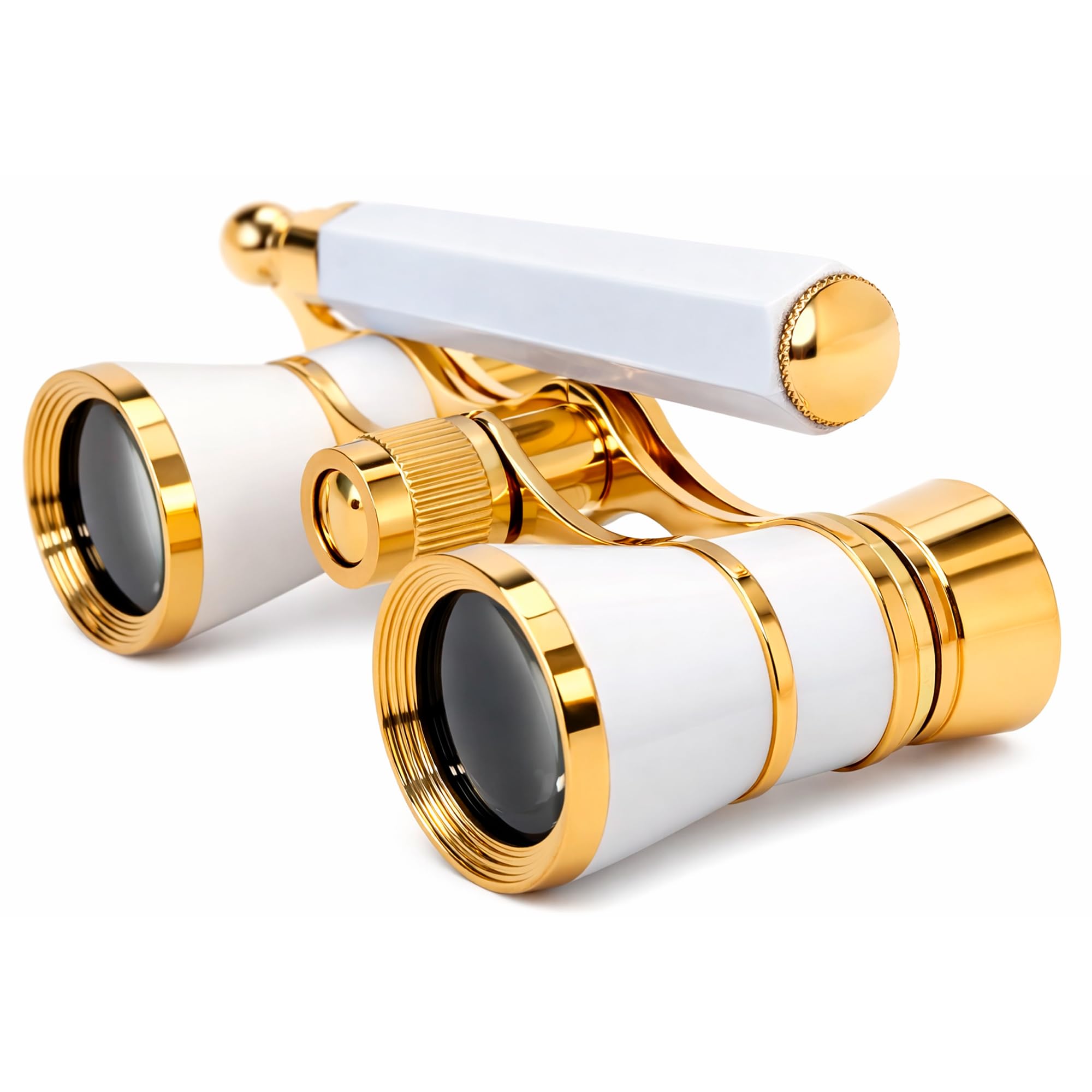
Opera glasses are small, low-power optical instruments. They are designed mainly for indoor use, especially in theaters, opera houses, and other performance venues. Their main job is to bring the stage closer, making it easier to see actors’ faces, costumes, and gestures from a distance.
Most opera glasses have a stylish design. They may come with gold trim, mother-of-pearl inlays, or even a handle. This makes them look more like a fashion accessory than a technical tool. Unlike regular binoculars, opera glasses are not meant for outdoor use or long-distance viewing.
What Are Regular Binoculars?
Regular binoculars are optical devices made for many different activities. People use them for birdwatching, hiking, sports, hunting, and even stargazing. They are built to handle outdoor conditions and can show clear images over longer distances.
Binoculars have higher magnification, stronger lenses, and often come with special coatings to protect against water or fog. They focus on performance and durability, not style.
Key Differences Between Opera Glasses And Regular Binoculars
Understanding the main differences can help you make a smart choice. Below is a quick comparison in an easy-to-read table.
| Feature | Opera Glasses | Regular Binoculars |
|---|---|---|
| Magnification | Usually 2.5x to 5x | Usually 8x to 12x |
| Field of View | Wide, for watching stage | Narrower, for distance detail |
| Design | Elegant, decorative | Rugged, practical |
| Size & Weight | Compact, lightweight | Often larger, heavier |
| Lens Diameter | Small (15-25mm) | Larger (30-50mm+) |
| Focusing System | Simple, sometimes fixed | Precise, adjustable |
Magnification: How Close Do You See?
Magnification is one of the biggest differences. Opera glasses usually offer 2.5x to 5x magnification. This means everything appears about 2.5 to 5 times closer. Regular binoculars, on the other hand, often start at 8x and can go much higher.
Why is lower magnification better for opera glasses? In a theater, you are not trying to zoom in on a bird far away. You want to see the whole stage clearly, not just one person’s face. High magnification would make your view shaky and hard to control indoors. Opera glasses give you just the right amount of zoom for a comfortable, wide view.

Field Of View: Seeing The Whole Stage
Field of view is how wide an area you can see through your optics. Opera glasses are designed to give a wide field of view, so you can see most of the stage without moving your head too much. This makes it easier to follow the action and enjoy the performance.
Regular binoculars tend to have a narrower field of view because they are built for seeing details at a distance. For example, birdwatchers want to focus on a single bird or nest, not the whole forest.
A common mistake is thinking a higher field of view is always better. For outdoor use, too wide a field can make it hard to spot small, distant objects. But for theater, a wide field helps you enjoy the complete scene.
Optics And Lens Size
Opera glasses use simple lens systems, often based on the Galilean design (named after Galileo Galilei). This system uses a convex lens for the objective (front) and a concave lens for the eyepiece. It gives a bright, upright image but is not very powerful.
Regular binoculars use a more complex prism system (like Porro or roof prisms). This allows for higher magnification, better image clarity, and a larger lens diameter. The larger objective lenses (sometimes up to 50mm or more) let in more light, making them better for low-light situations like dawn or dusk.
The smaller lenses on opera glasses (usually 15-25mm) are perfect for well-lit theaters, but they do not work well in dark or outdoor conditions.
Size, Weight, And Portability
Opera glasses are designed to be compact and lightweight. You can easily slip them into a purse or jacket pocket. Many even come with a small case or pouch. This makes them perfect for social events, where carrying large equipment would be inconvenient.
Regular binoculars are often much larger and heavier. They may require a neck strap or even a tripod for comfortable use over long periods. This is fine for hiking or birdwatching, but not ideal for sitting in a crowded theater.
One detail many beginners miss: the small size of opera glasses also means they are less tiring to hold up during a two-hour performance. Larger binoculars can cause arm fatigue if used indoors for long.
Focusing And Ease Of Use
Opera glasses often have a simple focusing wheel or, in some cases, are even fixed-focus. This means you do not need to adjust them much. Just pick them up and look. This is ideal when you want to quickly look at the stage without fuss.
Regular binoculars usually have a central focusing wheel and sometimes a separate diopter adjustment for each eye. This gives you more control but can be confusing if you are not familiar with the system.
If you plan to share opera glasses with friends, the easy focus is a big advantage. With regular binoculars, each person may need to re-adjust the focus every time they use them.
Style And Aesthetics
Opera glasses are often seen as part of the theater experience. They may have gold, silver, or colored finishes, and some are decorated with pearls or crystals. Some even have a handle (called a lorgnette) for extra style. They are designed to look elegant and match formal wear.
Regular binoculars focus on function, not fashion. They are usually black or dark green, made from rubber or plastic, and built to withstand rain, mud, or bumps.
This difference is not just about looks. Stylish opera glasses can feel like a special accessory, adding to the excitement of a night out. If you want to blend in at the opera, they are the perfect choice.
Durability And Build Quality
Regular binoculars are designed for the outdoors. They are often waterproof, fog-proof, and shock-resistant. This means they can survive rain, drops, and rough handling.
Opera glasses are more delicate. Their decorative finishes can scratch or chip, and they are not built to handle tough conditions. You should avoid using them outside or exposing them to moisture.
One thing beginners often miss: even expensive opera glasses are not as durable as entry-level binoculars. Treat them gently and store them in their case when not in use.
Price Range
You can find opera glasses for as little as $20, but high-end models can go up to $200 or more, especially if they have luxury finishes. Most good-quality opera glasses cost between $50 and $100.
Regular binoculars cover a much wider price range. Entry-level models start at $30, but professional-grade binoculars for birding or astronomy can cost over $2,000. The price depends on lens quality, magnification, coatings, and durability.
Opera glasses are generally less expensive because of their simpler design and smaller lenses.
Use Cases: When To Choose Each
It is important to match the tool to the job. Here’s a quick guide:
| Activity | Best Choice | Why |
|---|---|---|
| Theater, opera, ballet | Opera Glasses | Wide view, style, comfort |
| Birdwatching | Binoculars | High magnification, detail |
| Sports events | Binoculars | Distance viewing |
| Outdoor concerts | Binoculars | Light gathering, durability |
| Hiking | Binoculars | Weatherproof, rugged |
| Travel in cities | Opera Glasses | Lightweight, easy to carry |

Common Mistakes When Choosing
1. Assuming All Binoculars Work For Theater
Many people buy standard binoculars for the opera, then realize the image is too close, shaky, or narrow.
2. Ignoring Size And Weight
Regular binoculars can be uncomfortable to hold during a show.
3. Overlooking Style
Opera glasses add to the experience and match formal dress, while regular binoculars can look out of place.
4. Not Considering Lighting
Opera glasses do not work well in dim outdoor settings; their small lenses let in less light.
5. Expecting Durability From Opera Glasses
They are not built for rough use or bad weather.
Which One Should You Buy?
If you are going to the theater, ballet, or opera, choose opera glasses. They give you the right amount of zoom, comfort, and style. For any outdoor activity, sports, or travel where you need to see far, choose regular binoculars.
A non-obvious tip: If you wear glasses, look for opera glasses with a slightly longer eye relief (the distance from your eye to the lens). This will make them much more comfortable to use.
For more technical details on optics, you can visit the Wikipedia page on binoculars.
Frequently Asked Questions
What Magnification Is Best For Opera Glasses?
The best magnification is 3x. This is enough to bring the stage closer without making the image shaky or too narrow. Some models offer up to 5x, but most theatergoers prefer 3x for comfort and a wide view.
Can I Use Regular Binoculars At The Theater?
You can, but it is not recommended. Regular binoculars may have too much magnification, making it hard to follow the action. They are also heavier and less stylish, which can make you stand out in a formal setting.
Are Opera Glasses Good For Birdwatching Or Outdoor Use?
No. Opera glasses are not designed for outdoor use. Their low magnification and small lenses are not suitable for spotting wildlife, especially in dim light or at long distances.
Do Opera Glasses Work For People Who Wear Glasses?
Some opera glasses have adjustable focus and longer eye relief, which helps if you wear glasses. Check the product details or try them out before buying to ensure a comfortable fit.
How Much Should I Spend On Opera Glasses?
A good quality pair usually costs between $50 and $100. You can find cheaper models, but they may not last as long or give a clear image. Luxury models can cost more, but most people are happy with mid-range options.
Opera glasses and regular binoculars may look similar, but their features and uses are very different. By understanding the key differences, you can choose the right tool for your next theater night or outdoor adventure.