Opera glasses may seem like a small detail in the grand world of theater, but they can change your experience completely. If you’re new to opera or theater and want to see the stage up close, choosing the right opera glasses is a smart first step.
But with so many models, styles, and prices, how do you know which are best for beginners? This guide breaks down everything you need to know—what features matter, common mistakes to avoid, examples of good beginner models, and practical tips that even seasoned guides sometimes forget to mention.
Why Opera Glasses Matter For Beginners
Many people think opera glasses are just for style or tradition. In reality, they’re a practical tool. Opera houses are often large, and even good seats may leave you squinting at facial expressions or costume details. Using the right opera glasses can help you:
- See actors’ faces and gestures clearly
- Catch small stage details, like hand movements or makeup
- Enjoy the visual side of opera, not just the music
For beginners, the challenge is picking glasses that are easy to use, comfortable, and don’t break the bank.
What Features Should Beginners Look For?
Not all opera glasses are the same. Some are heavy, have complex adjustments, or offer more magnification than you need. Here are the key features you should focus on as a beginner:
1. Magnification
Most opera glasses come with 2.5x to 4x magnification. More is not always better. Higher magnification means a narrower field of view, which can make the stage look “zoomed in” but harder to follow. For beginners, 3x is often ideal. It brings you close enough to see detail but keeps the whole stage in view.
2. Objective Lens Diameter
This is the size of the front lens, measured in millimeters. A bigger lens lets in more light, which helps if the theater is dim. Most opera glasses have a 20mm to 30mm objective lens. For most indoor performances, 20-25mm is enough.
3. Weight And Size
You don’t want heavy glasses that hurt your hand after a few minutes. Look for compact, lightweight models (under 200g is usually comfortable).
4. Focus Mechanism
Some opera glasses have a central focus wheel; others are “fixed focus. ” Beginners often find fixed focus easier, as there’s nothing to adjust. But a simple focus wheel isn’t hard to use, and can help if your eyesight is different in each eye.
5. Build Quality And Style
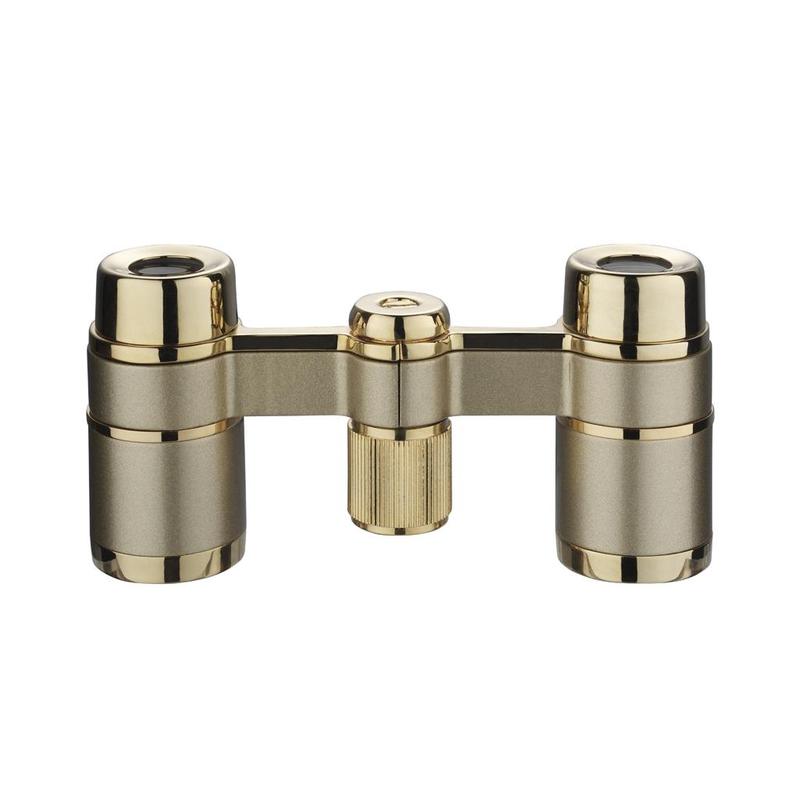
Opera is also about tradition and style. Many people like classic designs—metal with enamel or gold trim. But don’t sacrifice comfort for looks. Make sure the glasses fit your hand and feel sturdy.
6. Price
You don’t need to spend a fortune. Most good beginner opera glasses cost between $25 and $100. More expensive models may offer better optics or materials, but the difference is often small for casual use.

Top 5 Opera Glasses For Beginners
Choosing can be overwhelming, so here are five models that combine good optics, beginner-friendly features, and reliable quality. These are often recommended by theater lovers and experts alike.
| Model | Magnification | Objective Lens | Weight | Price Range |
|---|---|---|---|---|
| Levenhuk Broadway 325F | 3x | 25mm | 180g | $40-$60 |
| HQRP Opera Glasses with Handle | 3x | 25mm | 160g | $30-$45 |
| Eschenbach Glamour | 3x | 25mm | 140g | $50-$90 |
| Vixen 1223-01 | 4x | 13mm | 60g | $35-$60 |
| Aomekie Opera Glasses | 3x | 25mm | 170g | $25-$40 |
Let’s look at what makes each model beginner-friendly.
Levenhuk Broadway 325f
This model is a classic favorite. It has bright optics, a comfortable build, and usually includes a built-in LED light—helpful for reading programs without disturbing others. The 3x magnification and 25mm lens hit the sweet spot for theater use.
Hqrp Opera Glasses With Handle
The handle makes these easy to hold, especially if you want to avoid fingerprints on the lenses. The style is elegant, with gold trim and enamel. The optics are clear, and the 3x magnification is perfect for first-time users.
Eschenbach Glamour
Known for their quality, Eschenbach makes glasses that are lightweight and easy to use. The focus wheel is smooth, and the glasses fit well in small hands. The price is a bit higher, but the optical clarity is excellent.
Vixen 1223-01
This is a modern, compact model. At just 60 grams, it’s one of the lightest you can buy. The 4x magnification is a bit more than most, so it’s good for larger theaters, but the smaller lens means less light—so not ideal for dim venues.
Aomekie Opera Glasses
These offer great value for the price, with a classic design and simple focus mechanism. The optics are decent for entry-level use, and they’re widely available online.
Beginner Mistakes To Avoid
Many beginners make the same errors when choosing or using opera glasses. Being aware of these can save you time, money, and frustration.
- Choosing too much magnification: Higher isn’t always better. Anything over 4x can make the stage look shaky and limit your view.
- Ignoring comfort and weight: Heavy glasses are tiring to hold, especially during long acts. Always check the weight before buying.
- Buying cheap, no-name brands: Bargain models sometimes have blurry lenses or break easily. Stick to brands with good reviews.
- Not checking the focus: Fixed focus can be easy, but if you wear glasses or have different vision in each eye, adjustable focus is better.
- Forgetting about style: Opera is a social and visual event. Choose glasses you feel happy using, not just functional ones.
How To Use Opera Glasses Like A Pro
Getting the most from your opera glasses doesn’t stop at buying the right pair. Here are a few tips to make your experience smooth and enjoyable.
- Hold them steady: Rest your elbows on the armrests or your seat to avoid shaking.
- Use them only when needed: Don’t keep them to your eyes the whole time—use them for close-up moments or important scenes.
- Clean the lenses: Use a soft cloth, not your shirt, to avoid scratches.
- Check the theater’s policy: Some venues ask you to avoid using opera glasses with bright lights or built-in LEDs during the show.
Comparing Features: What Matters Most?
Sometimes it’s easier to see the differences between models in a simple side-by-side view.
| Feature | Beginner Friendly | Nice to Have | Not Needed |
|---|---|---|---|
| Magnification (3x) | ✔ | ||
| LED Light | ✔ | ||
| Adjustable Focus | ✔ | ||
| High-End Optics (ED Glass) | ✔ | ✔ | |
| Elegant Design | ✔ | ||
| Zoom Function (Variable Magnification) | ✔ |
As you can see, the basics—good 3x magnification, easy focus, and a comfortable build—matter most for new users. Features like variable zoom or high-end glass make little difference at the opera for most people.
Two Insights Beginners Often Miss
- Field of view is as important as magnification. If you buy glasses with high magnification but a narrow field, you’ll miss the action on the sides of the stage. Always check for a wide field when comparing models.
- Lighting conditions in theaters vary. Some venues are quite dim, making small-lens glasses hard to use. If you know your local opera house is dark, choose a model with at least a 25mm objective lens.
Caring For Your Opera Glasses
Opera glasses last longer and work better if you treat them well:
- Store them in a soft pouch to avoid scratches.
- Keep them away from moisture.
- Don’t leave them in hot cars—the glue and coatings can be damaged by heat.

Where To Buy Reliable Opera Glasses
You can find opera glasses in specialty stores, large online retailers, or even at some theater gift shops. Be wary of deals that seem too good to be true—quality optics cost a bit more, but they’re worth it for clarity and comfort. For more on the history and types of opera glasses, see Wikipedia.
Frequently Asked Questions
What Magnification Is Best For Opera Glasses?
For most beginners, 3x magnification is ideal. It brings you closer to the stage but doesn’t narrow your field of view too much. Anything above 4x can make it hard to follow the action.
Can I Use Binoculars Instead Of Opera Glasses?
You can, but binoculars are usually heavier, have higher magnification, and can be awkward in a theater setting. Opera glasses are designed for indoor use, with lower magnification and a wider field.
Do Opera Glasses Work For People With Eyeglasses?
Many opera glasses can be used with eyeglasses, especially models with adjustable focus. If you wear glasses, look for glasses with a longer eye relief (distance from lens to eye).
Are Led Lights On Opera Glasses Useful?
A built-in LED light can help you read the program during intermissions, but it’s best to avoid using it during the performance. Some theaters don’t allow lights in the audience.
How Much Should A Beginner Spend On Opera Glasses?
Most beginners will be happy with glasses in the $25 to $100 range. Paying more sometimes gets you better build quality or optics, but you don’t need to spend a lot to have a good experience.
Opera is about enjoying the full spectacle—music, drama, and visuals. The right opera glasses help you experience all of it, even from the back of the hall. Take your time, choose a pair that fits your needs and style, and enjoy the show.