Night vision goggles are fascinating tools that let us see in the dark. They help soldiers, rescue teams, and even wildlife researchers work at night when normal vision fails. But what happens when the weather turns bad? Rain, fog, snow, and storms can make any job harder, but for night vision devices, these conditions present special challenges.
If you want to know how night vision goggles perform in bad weather, and what you can do to get better results, this article is for you.
How Night Vision Goggles Work
To understand their limits, it’s helpful to know how night vision goggles function. Most night vision devices use one of two main technologies: image intensification or thermal imaging.
- Image intensification goggles collect even tiny amounts of light (like starlight or moonlight) and amplify it, making dark scenes visible in greenish tones.
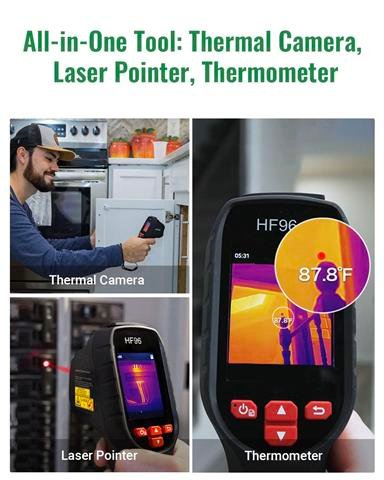
- Thermal imaging goggles detect heat instead of visible light. They show warm objects, like people or animals, as bright shapes against cooler backgrounds.
Both types are useful, but they react differently to bad weather.
Types Of Bad Weather That Affect Night Vision
Bad weather can take many forms. Each type creates unique problems for night vision devices:
- Rain
- Fog and mist
- Snow
- Heavy clouds and overcast skies
- Dust storms and sandstorms
Let’s look at how each affects night vision performance, with real examples and data.
Night Vision Goggles In Rain
Rain is common in many places, so it’s important to understand its impact. When it rains, water droplets in the air scatter and absorb light. For image intensification goggles, this means less light reaches the device, making images dimmer and less clear. You might see “sparkling” effects as the rain reflects light.
Thermal imaging works a bit better in rain, but it’s not perfect. Raindrops can cool surfaces, making warm objects blend in more with their background. For example, a person hiding under a tree may be harder to spot because both the tree and the person are cooled by rain.
Here’s a quick comparison of night vision performance in clear weather vs. rain:
| Weather | Image Intensification | Thermal Imaging |
|---|---|---|
| Clear Night | Excellent clarity | Excellent detection |
| Light Rain | Reduced clarity, some glare | Good detection, slight loss |
| Heavy Rain | Poor clarity, strong glare | Noticeable loss, surfaces cool |
Key tip: If you must use night vision in the rain, try to keep the lens covered when not in use, and clean it often to remove water spots.
Night Vision Goggles In Fog And Mist
Fog and mist are especially tough for night vision. Image intensification goggles struggle because fog reflects and scatters light in many directions. The result is a blurry, washed-out image with little detail.
Thermal imaging performs better in light fog, but thick fog can still block the infrared (heat) waves these devices use. In some cases, warm objects are almost invisible until they are very close.
A study by the US Army found that image intensification goggles could only “see” about 30–50 meters in heavy fog, compared to over 200 meters on a clear night. Thermal goggles extended this range to about 80–100 meters, but still much less than in clear conditions.
| Condition | Image Intensification Range | Thermal Imaging Range |
|---|---|---|
| Clear Night | 200 m+ | 300 m+ |
| Heavy Fog | 30–50 m | 80–100 m |
Non-obvious insight: Sometimes, using a small flashlight on low power with your night vision goggles can help “cut through” fog a little, but be careful: this can reveal your position to others.

Night Vision Goggles In Snow
Snow affects night vision in two ways. First, falling snowflakes scatter light, causing similar issues as rain or fog. Second, fresh snow on the ground reflects any available light, which can be both good and bad.
- For image intensification goggles, fresh snow can make the scene too bright, causing “blooming” (where the whole image turns white). Most modern goggles have automatic brightness controls, but older models can be almost unusable in fresh snow.
- For thermal imaging, snow acts as an insulator. Warm objects like people or vehicles stand out well, but if something is covered in snow, its heat signature is hidden.
A practical example: rescuers searching for lost hikers after a snowstorm often use thermal goggles to find warm bodies. However, if a person is covered by a thick snowdrift, even thermal goggles may not detect them easily.
Tip: If you’re using night vision in snowy conditions, adjust brightness settings and avoid looking directly at large, bright snowfields.
Night Vision Goggles In Heavy Clouds And Overcast Skies
Sometimes, the weather is just dark—no rain, no snow, just thick clouds blocking the moon and stars. This is a big problem for image intensification goggles because they need some light to work. On a moonless, cloudy night, these goggles may show only a dim, grainy picture.
Thermal imaging is mostly unaffected by clouds and continues to detect heat differences. This is why many military and rescue teams prefer thermal goggles in very dark, overcast conditions.
Non-obvious insight: Some advanced night vision goggles combine image intensification and thermal imaging in one device. These “fusion” goggles offer a better chance of seeing in all weather types, but they’re expensive and more complex to use.
Night Vision Goggles In Dust Storms And Sandstorms
In deserts and dry places, dust storms and sandstorms are common. These tiny particles scatter light and block both visible and infrared radiation.
- Image intensification goggles are almost useless in a dense dust storm. The image becomes cloudy and vision is limited to a few meters.
- Thermal imaging is also affected, but sometimes less so. Dust does not block heat as well as it blocks visible light, so warm objects may still be detected at short range.
Here’s a summary comparing how each technology handles different bad weather:
| Weather Type | Image Intensification | Thermal Imaging |
|---|---|---|
| Rain | Reduced clarity, glare | Some loss, cooler objects |
| Fog/Mist | Severely reduced, blurry | Shortened range |
| Snow | Too bright (blooming), scattered | Good unless objects covered |
| Cloudy/Overcast | Very poor, grainy | Almost unaffected |
| Dust/Sandstorm | Useless in heavy dust | Works short range |
Practical Tips For Using Night Vision In Bad Weather
Bad weather doesn’t always mean you can’t use night vision goggles, but you need to adapt your methods. Here are some practical tips from experienced users:
- Keep Lenses Clean: Water, dirt, or snow on the lens will ruin your image. Carry a soft cloth and clean the lens often.
- Use Lens Covers: Many goggles come with covers that filter out bright light and protect the lens from rain or snow.
- Adjust Settings: If your device allows, lower brightness in snow, or increase gain in dark, cloudy weather.
- Move Slowly: In fog, snow, or rain, your range is shorter. Move carefully to avoid obstacles you might not see.
- Switch Technologies: If you have access, switch between image intensification and thermal imaging depending on the weather.
- Protect the Device: Water and sand can damage electronics. Use waterproof covers if possible.
- Watch for Reflections: Wet surfaces reflect more light, which can confuse both types of goggles.
- Be Patient: Sometimes, you need to wait for the weather to improve. In heavy fog or a sandstorm, even the best goggles may not help.

Real-world Examples
- Military Patrols: Soldiers using night vision in Afghanistan often face dust storms. They report that during a strong storm, image intensification goggles are useless, and even thermal devices only detect enemies at very close range.
- Search and Rescue: Teams looking for lost people in snowstorms use thermal goggles to find warm bodies. However, if the person is under deep snow, the searchers must rely on other methods like probing.
- Wildlife Observation: Researchers studying animals at night avoid using night vision goggles in heavy rain or fog, as the devices can miss animals hiding in thick vegetation.
How New Technologies Are Improving Night Vision
Manufacturers are working to make night vision goggles better in bad weather. Some advances include:
- Fusion goggles: Combine image intensification and thermal imaging in one device. This helps users see in almost any condition, though the price is high.
- Improved coatings: Special coatings on lenses can repel water and prevent fogging.
- Automatic brightness control: Modern goggles can adjust instantly to changing light, reducing blooming in snow or during lightning.
- Digital night vision: Some new devices use digital sensors and software to enhance images even in tough conditions.
One good source for technical details on these technologies is the Wikipedia page on night vision devices.
Frequently Asked Questions
What Is The Best Type Of Night Vision For Bad Weather?
Thermal imaging is usually best for bad weather because it does not depend on visible light. It can detect heat from people, animals, or vehicles even in rain, fog, or darkness. However, very thick fog or heavy rain can still reduce its range.
Can Night Vision Goggles See Through Fog?
No night vision device can “see through” fog perfectly. Thermal imaging works better than image intensification, but heavy fog still blocks some of the heat signals. In very thick fog, both types are limited to short distances.
How Can I Improve Night Vision Performance In Bad Weather?
Keep your lenses clean and dry, use covers, and adjust your device’s settings for the conditions. Move slowly and use both types of goggles if possible. Sometimes, waiting for better weather is the only solution.
Do Night Vision Goggles Get Damaged By Rain Or Snow?
Most modern night vision goggles are water-resistant, but not all are fully waterproof. Prolonged exposure to rain, snow, or sand can damage electronics. Always use protective covers and store your device in a dry place.
Why Do Some Night Vision Images Look Green And Others Black And White?
Traditional image intensification goggles show a green image because the human eye can see more shades of green, making details clearer. Digital night vision and thermal imaging often use black and white or color palettes, depending on the display and user settings.
Night vision goggles are powerful tools, but even the best technology can be challenged by bad weather. Understanding the limits and learning how to adapt can make all the difference when you need to see in the dark. Whether you’re on a night patrol, searching for someone, or just exploring nature, knowing what to expect in rain, fog, snow, or storms will help you get the most from your equipment.