Night vision goggles have changed the way we see in the dark. Soldiers, police, hunters, and rescue teams all use these devices to move safely and work at night. Movies often make night vision look perfect, as if you can see everything clearly in total darkness. But in real life, these goggles have many limits. They are not magic eyes. Understanding the limitations of night vision goggles is important, especially if you want to use them well or buy a pair.
This guide will explain the main restrictions, from how they work to real-world challenges. We will look at technology, safety concerns, and practical problems. You will see why night vision is helpful but not always as strong as you think.
If you know these limits, you can make better decisions and avoid common mistakes.
How Night Vision Goggles Work
Night vision goggles use different technologies, but the two most common types are image intensification and thermal imaging.
- Image intensification: These goggles collect tiny amounts of light (from the moon, stars, or distant streetlights). They make this light much stronger so your eyes can see objects in the dark. Most military night vision uses this type.
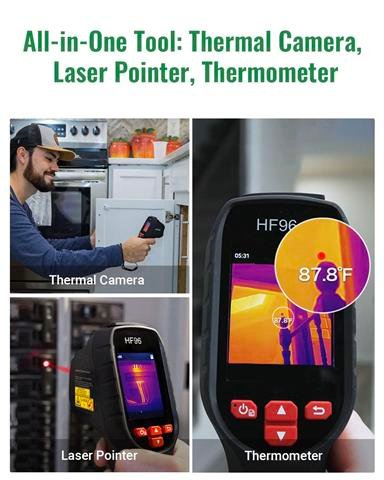
- Thermal imaging: These goggles do not need visible light. Instead, they detect heat differences. Warm objects like people or animals appear brighter than cold backgrounds.
Knowing how these devices work helps you understand their limits. For example, image intensifiers struggle in total darkness, while thermal goggles work even with no light.
Limited Field Of View
One of the biggest problems with night vision goggles is the narrow field of view. Most models give you only about 40 degrees of vision, compared to the human eye’s 120 degrees. This means:
- You see a small “window” in front of you.
- You must turn your head often to check your surroundings.
- Situational awareness is reduced, especially in fast or dangerous situations.
For example, soldiers wearing goggles can miss movement at the edge of their vision. This narrow view makes it harder to drive, run, or move quickly without risk.
Field Of View Comparison
| Device | Field of View (degrees) |
|---|---|
| Human Eye | 120 |
| Night Vision Goggle (Gen 2/3) | 40 |
| Thermal Imager | 20-30 |
A narrow view means you can easily miss important details or dangers outside the small area you can see.
Poor Depth Perception
Night vision goggles often give only monocular (one-eye) or binocular (two images, but not true 3D) views. This makes it hard to judge distance and depth. Climbing stairs, driving, or even walking over rough ground can become risky.
For example, pilots using night vision must take extra care when landing, because it is difficult to see the slope of the ground. People new to night vision often trip or misjudge steps and obstacles.
Dependency On Ambient Light
Most image intensification goggles need some light to work. They cannot see in absolute darkness. If you are in a cave, a dark basement, or a thick forest with no moon, these goggles may not help.
Infrared (IR) illuminators can add some light, but using them can expose your position to others with night vision. Some wildlife can also see IR light, so you might scare animals away.
Thermal goggles do not need visible light, but they have other limits (like poor image detail).
Image Quality Problems
Night vision images are not as clear as daylight vision. Common problems include:
- Low resolution: The picture may look blurry or grainy.
- Distortion: The edges of the image can bend or stretch.
- Bright light sensitivity: Headlights or flashlights can create big bright spots, making it hard to see anything else.
- Blooming: A bright light source can spread across the screen, blocking your view.
These problems can slow you down and make it hard to identify objects or people.
Image Quality Comparison
| Condition | Daylight Vision | Night Vision Goggles |
|---|---|---|
| Sharpness | High (clear) | Medium to low (grainy) |
| Color | Full color | Green/gray shades |
| Response to Bright Light | Automatic adjustment | Can be blinded |
Most beginners are surprised by how different night vision images look compared to what they expect from movies.
Limited Range
Night vision goggles cannot see as far as the human eye can during the day. Their effective range depends on:
- The amount of available light
- The quality of the device (Generation 1, 2, or 3)
- Weather conditions
For example, a high-end military Gen 3 goggle may see up to 300 meters in moonlight. A cheaper Gen 1 device may only work at 75 meters or less. In fog, rain, or smoke, the range drops even more.
Night Vision Range Example
| Generation | Max Range (meters) | Condition |
|---|---|---|
| Gen 1 | 50-75 | Starlight |
| Gen 2 | 150-200 | Moonlight |
| Gen 3 | 300+ | Full moon |
If you need to see far distances at night, regular night vision goggles will not match the range of daylight vision or even a good thermal imager.
Vulnerability To Bright Lights
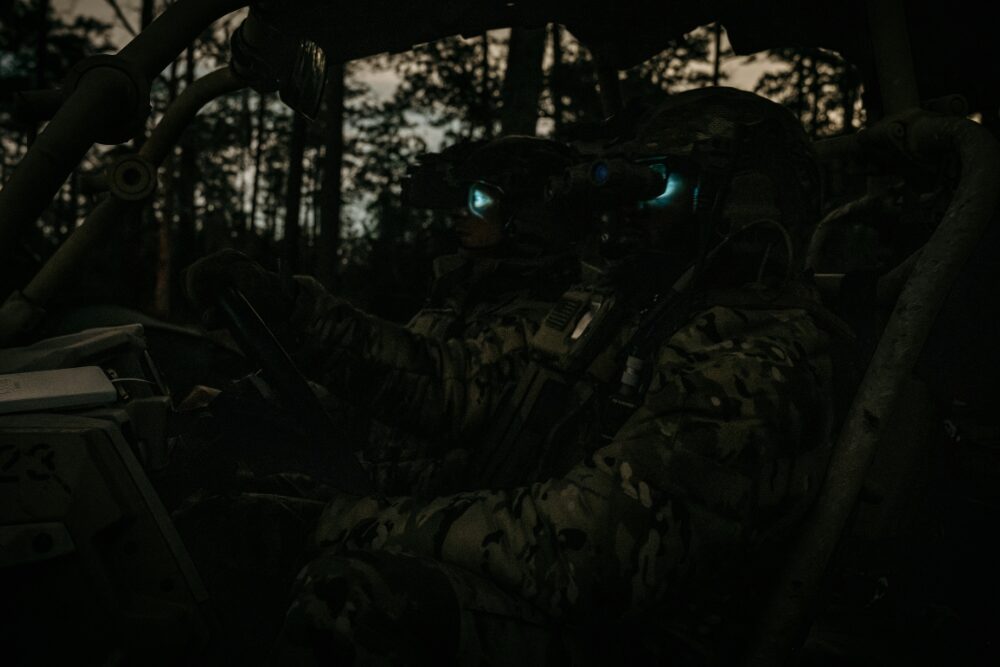
Bright lights are a major problem for most night vision goggles. A sudden flash (like from car headlights, flares, or flashlights) can:
- Blind the device for a few seconds or longer
- Damage sensitive parts inside (especially in older or cheaper models)
- Make it impossible to see anything until the device adjusts
Some modern goggles have automatic brightness controls, but they are not perfect. In cities, with lots of streetlights, night vision goggles often do not help much.
A common mistake is using night vision near traffic, fireworks, or other bright light sources. This can ruin your device or make you lose your view at a critical moment.
Heavy And Uncomfortable
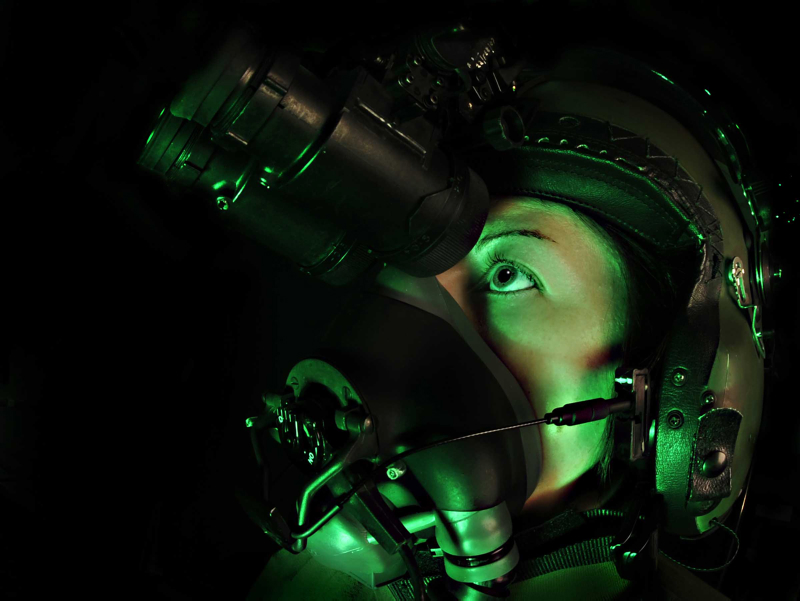
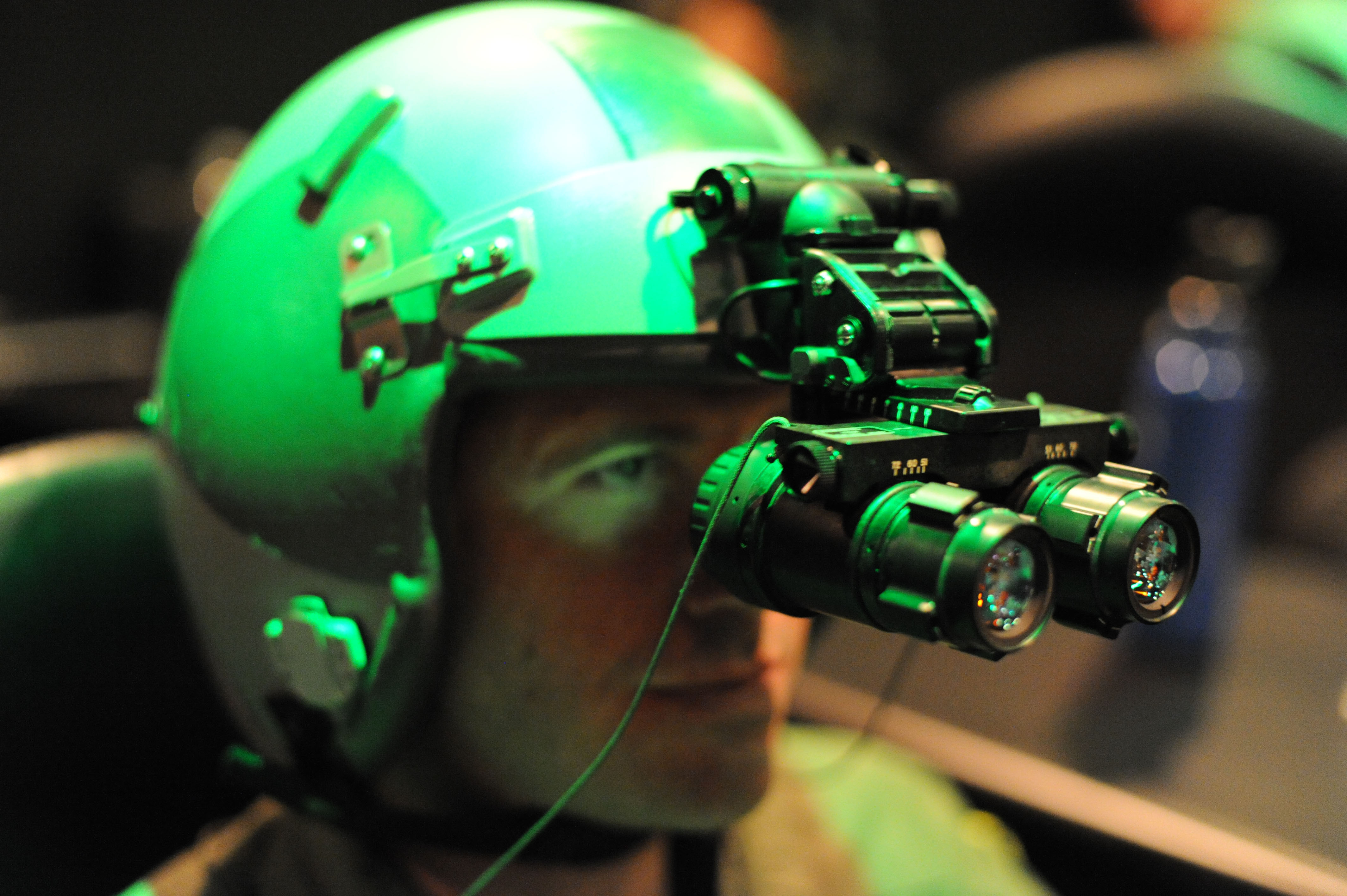
Night vision goggles are often heavy and awkward to wear. Military models can weigh over 500 grams (more than a pound), and you usually wear them on your head or helmet. This can cause:
- Neck strain after long use
- Headaches from tight straps
- Difficulty moving quickly or quietly
Some users try to wear goggles for hours on patrol or during hunting. They often end up tired, less alert, and even more at risk because of the extra weight.
Short Battery Life
Night vision goggles need power, usually from batteries. Most consumer models last 20 to 40 hours, but some high-power models last less than 8 hours. If the battery dies, you are left in the dark.
Batteries also perform worse in cold weather. If you use goggles in winter, expect the battery to run out much faster. Always bring extra batteries and change them before you need them.
Many people forget to check battery levels before going out. This common mistake can leave you with useless goggles when you need them most.
High Cost And Legal Limits
Good night vision goggles are expensive. Basic Gen 1 models cost $200-$400. Military-grade Gen 3 goggles can cost $3,000 to $10,000 or more. Repair and maintenance add extra cost.
Some countries restrict or ban night vision devices for civilians. In the United States, it is illegal to export military-grade night vision without special permission. Always check local laws before buying or traveling with night vision equipment.
People sometimes buy cheap, low-quality goggles online, only to find they do not work as expected or break easily.
Weather And Environmental Problems
Night vision goggles do not work well in all conditions. Common problems include:
- Fog, rain, and snow: These can scatter light, making it hard to see.
- Smoke and dust: Both can block the small amount of light needed for image intensification.
- Glare and reflections: Wet ground or glass can reflect light, creating confusing images.
Thermal goggles work better in some of these cases but can still be blocked by heavy rain or thick smoke.
Beginners often think night vision will cut through weather and smoke. In reality, it has similar limits as your own eyes.
Cannot See Through Walls Or Glass
Night vision goggles cannot see through walls, thick curtains, or most solid objects. They also do not work well looking through car windows or binoculars. The light or heat they detect cannot pass through these barriers.
This is a common misunderstanding. If you watch movies or TV, you might think night vision gives you “x-ray vision. ” In real life, you must have a clear line of sight to what you want to see.
Limited Color And Detail
Night vision goggles show images in green, white, or gray shades. You will not see the full range of colors you get in daylight. This can make it hard to tell the difference between objects (for example, a brown dog and a gray rock might look the same).
Reading signs, maps, or small labels is almost impossible. Night vision is good for spotting movement or shapes but bad for fine detail.
Training Is Required
Using night vision goggles is not simple. You need practice to walk, drive, or use tools safely. Many new users:
- Trip over obstacles
- Misjudge distances
- Feel sick or dizzy from the green glow and limited view
Police and military teams train for hours with goggles before using them in real situations. If you plan to use night vision for work or safety, practice in a safe area first.
A non-obvious tip: Practice switching between goggles and normal vision. Your eyes need time to adjust back to daylight after using night vision.
Susceptible To Damage
Night vision goggles are fragile. The tubes inside are sensitive to shock, water, and dust. Dropping the device or getting it wet can cause expensive repairs. Even carrying goggles in a backpack without a case can lead to damage.
Thermal goggles are often more durable, but all night vision devices need careful handling. Always store them in a padded, dry case when not in use.
Not Completely Silent
Some night vision goggles make a quiet humming or clicking sound when turned on. In silent situations, this noise can give away your position. While not loud, it can be a problem for hunters or soldiers who need total stealth.
If you need absolute silence, test the device in a quiet room before using it in the field.
Frequently Asked Questions
What Is The Main Weakness Of Night Vision Goggles?
The biggest weakness is limited field of view and poor depth perception. You can only see a small area ahead, and it is hard to judge distances. This can be dangerous in fast-moving or complex situations.
Can Night Vision Goggles Work In Total Darkness?
Most image intensification goggles cannot work in total darkness. They need at least some light (starlight, moonlight, or infrared). Only thermal imaging goggles can “see” in zero light by detecting heat, but their image detail is lower.
Are Night Vision Goggles Legal For Civilians?
Laws differ by country. In the United States, most night vision goggles are legal to buy and own, but exporting military-grade devices is illegal without special approval. Always check your local laws before buying or traveling with night vision. For more details, see the Wikipedia page on night vision devices.
How Long Do Night Vision Goggles Last On One Battery?
Battery life depends on the model and type. Most last 20-40 hours on fresh batteries, but high-power models can last less. Cold weather reduces battery life. Always carry extras if you need to use them for long periods.
Can Night Vision Goggles See Through Smoke Or Fog?
Night vision goggles struggle with smoke, fog, and heavy rain because these block or scatter light. Thermal goggles do a bit better, but thick smoke or rain can block heat too. Never expect night vision to “see through” bad weather completely.
Night vision goggles are powerful tools, but they have many limits. Knowing what they can and cannot do will help you use them safely and avoid disappointment. For most users, understanding these challenges is the key to getting the best results from your investment.