Night vision goggles have a reputation for giving people “superhuman” vision in the dark. Movies and video games often show secret agents or soldiers using these devices to move through pitch-black rooms or spot hidden enemies. But can night vision goggles really see through walls or fog as easily as Hollywood suggests?
The truth is more complex, and understanding the real capabilities and limits of night vision is important—especially if you are considering buying them for outdoor adventures, security, or professional work.
This article explains how night vision goggles work, what they can (and cannot) do, and how they perform in difficult conditions like fog and behind walls. By the end, you’ll know what to expect from these high-tech devices and avoid common misunderstandings.
How Night Vision Goggles Work
Night vision goggles use special technology to help people see in low-light conditions. There are two main types:
- Image Intensification: This is the most common type. It collects small amounts of light (like moonlight or starlight), amplifies it, and creates a visible image. The classic green glow in many photos comes from this system.
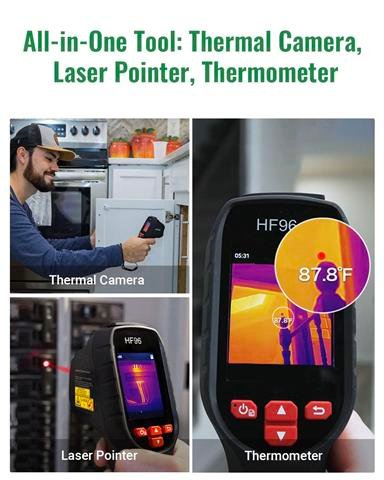
- Thermal Imaging: This type detects heat (infrared radiation) instead of visible light. Warm objects like animals or humans stand out against cooler backgrounds.
Here’s a simple overview of how each works:
| Technology | How It Works | Strengths | Weaknesses |
|---|---|---|---|
| Image Intensification | Amplifies low light to create a brighter image | Detailed images, low power use | Needs some light, less effective in total darkness or heavy fog |
| Thermal Imaging | Detects heat differences to form an image | Works in complete darkness, finds warm objects | Lower detail, cannot see through glass or thick walls |
Both types have important roles in outdoor activities, security, and rescue missions. However, their abilities are often misunderstood—especially when it comes to seeing through obstacles.
Can Night Vision Goggles See Through Walls?
One of the biggest myths is that night vision goggles can see through walls. This idea comes from action movies, but it is not possible with current technology. Here’s why:
- Physical Barriers: Walls block both visible light and most heat signatures. Night vision goggles, even advanced models, cannot see through concrete, brick, wood, or metal.
- Light Reflection and Absorption: Walls absorb and reflect light, making it impossible for image intensifiers to “see” what’s on the other side.
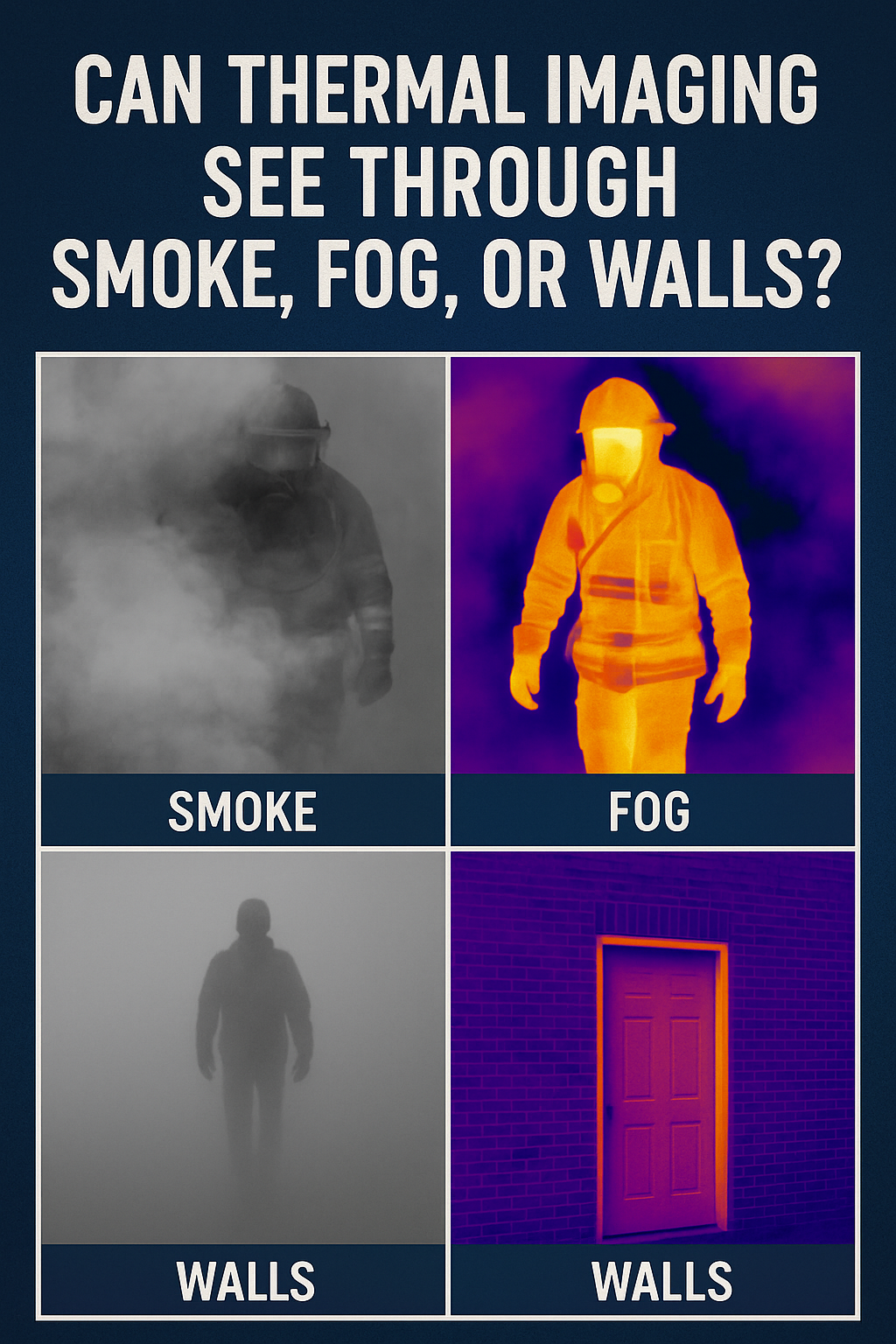
- Thermal Imaging: Some people believe thermal goggles can see through walls because they detect heat. In reality, a wall acts as a barrier and blocks the heat signature from people or objects on the other side.
There are a few very specific exceptions:
- Thin Materials: If a wall is extremely thin (like a tent wall) and the temperature difference is high, thermal devices might show a faint outline or heat spot. But details are impossible to see.
- Cracks and Gaps: If there are holes or gaps, some heat or light might pass through, and night vision could reveal movement or light sources.
In practical terms, for homes, offices, or even vehicles, night vision goggles cannot see through walls. Devices that can see through walls exist, but they use radar or other special technology—not night vision.
Performance In Fog, Rain, And Smoke
Another common question is whether night vision goggles work in fog, rain, or smoke. The answer depends on the type of night vision:
Image Intensification In Fog
- Performance Drops: Fog is made of tiny water droplets that scatter and reflect light. Night vision goggles that use image intensification struggle in foggy conditions because the small amount of light is scattered in many directions.
- Reduced Clarity: Details become blurry, and the range is much shorter. Objects can disappear into the mist.
- Typical Range Loss: Visibility may drop from 200 meters to less than 30 meters in heavy fog.
Thermal Imaging In Fog
- Better Than Image Intensifiers: Thermal goggles can sometimes “see” through fog better because they detect heat, not light. Warm objects (like people or animals) may stand out against a cool background.
- Limits Remain: Dense fog still blocks some infrared radiation. Heavy smoke or thick rain can also reduce the range and clarity.
- Practical Range: In moderate fog, you might still spot a human at 50–100 meters, but in thick fog, even thermal imaging struggles.
Here is a comparison:
| Condition | Image Intensification | Thermal Imaging |
|---|---|---|
| Clear Night | Very Good | Very Good |
| Light Fog | Fair | Good |
| Heavy Fog | Poor | Fair |
| Smoke | Poor | Fair to Poor |
| Rain | Poor | Fair |
Real-world Example
During rescue missions in foggy mountains, thermal goggles have helped rescuers spot lost hikers when regular night vision failed. However, in thick smoke from wildfires, even thermal cameras can be “blinded. ” This is because water droplets or smoke particles absorb and scatter heat energy.
Common Misunderstandings About Night Vision
Many people expect too much from night vision goggles, often because of what they see in films or read online. Here are some common myths and the facts:
- Myth: Night vision goggles can see through any object.
- Fact: They cannot see through walls, glass, or thick smoke.
- Myth: All night vision goggles are the same.
- Fact: There are major differences between generations (Gen 1, Gen 2, Gen 3) and between image intensifiers and thermal devices.
- Myth: Night vision works like daylight.
- Fact: Night vision images have less detail, lower contrast, and can be affected by weather, dust, or glare.
- Myth: Night vision goggles make you invisible.
- Fact: Many devices use infrared illuminators, which can be seen by other night vision users. You are not “invisible” when using them.
Night Vision Generations And Their Limits
Night vision devices are classified by “generation,” which refers to the technology inside:
- Gen 1: Basic, affordable, shorter range, more noise, lower clarity.
- Gen 2: Improved clarity, longer range, better in low light.
- Gen 3: Military-grade, long range, clear image, expensive.
Even the most advanced Gen 3 night vision goggles cannot see through solid walls or very thick fog. Many buyers are surprised at how much the environment can affect the view. For example, city lights can wash out the image, and heavy rain can limit range to just a few meters.
When Night Vision Really Shines
Night vision goggles offer true advantages in certain conditions:
- Open fields and forests at night: Spot animals, people, or obstacles without lights.
- Security patrols: See in darkness without alerting others.
- Wildlife watching: Observe animals without disturbing them.
- Search and rescue: Find missing people in low light (but not behind barriers).
If you need to see through fog or smoke, thermal imaging is usually better. But no night vision device will let you see through solid objects.
How To Choose The Right Night Vision Goggles
If you’re thinking about buying night vision goggles, consider these factors:
- Purpose: Are you using them for hiking, security, wildlife, or professional rescue?
- Type: Image intensification for detail, thermal for finding heat.
- Environment: Will you use them in fog, rain, or smoke? Thermal performs better in these, but still has limits.
- Budget: Gen 1 is cheaper but less powerful. Gen 2 and Gen 3 cost more but work better.
- Range: Check how far you can see under different weather conditions.
- Weight and Comfort: Heavier devices are tiring for long use.
- Battery Life: Important for long trips or emergencies.
Here’s a quick summary:
| Feature | Image Intensifier | Thermal |
|---|---|---|
| Clarity in Darkness | High (with some light) | Lower detail |
| Works Through Fog | Poor | Moderate |
| Can See Through Walls | No | No |
| Price | Lower to medium | Medium to high |
Non-obvious Insights Most Beginners Miss
Many first-time buyers are surprised by two things:
- Background Heat Can Confuse Thermal Goggles: If a wall or ground is heated by the sun all day, it can “glow” in thermal vision and hide people or animals standing nearby. This effect is called thermal crossover and happens at sunrise or sunset.
- Infrared Illuminators Are Not Invisible: Some night vision goggles have built-in infrared lights to help in total darkness. Other night vision users can see these beams, which can be a problem for hunters or security teams.
Understanding these details helps you choose the right device and use it more effectively.
What Night Vision Goggles Cannot Do
To avoid disappointment, remember that night vision goggles:
- Cannot see through solid walls, thick metal, or concrete
- Struggle in heavy fog, smoke, or rain
- Cannot see through glass with thermal imaging (glass blocks infrared heat)
- Do not show colors—most images are green, white, or black and white
- Have limited range in poor weather or bright city lights
If you need to detect movement through walls, look into radar-based devices or ground-penetrating radar. These are very different from night vision and are used by law enforcement or rescue teams for special tasks.
Realistic Use Cases
Here are some examples of when night vision goggles perform best:
- Nature walks at night: See trails and wildlife in the forest.
- Boating: Spot obstacles or other boats in low light.
- Farm security: Check for intruders or animals at night.
- Camping: Move around safely after dark.
But if you need to see inside buildings, through thick walls, or in heavy smoke, night vision goggles will not help.

Final Thoughts
Night vision goggles are powerful tools, but they have real-world limits. They cannot see through walls or give perfect vision in heavy fog or smoke. Understanding the difference between image intensification and thermal imaging, and knowing the limits of each, will help you choose the right device for your needs. Always match your expectations to what night vision can truly do—not what you see in movies.
For more technical details on night vision technology, you can read about it on Wikipedia.
Frequently Asked Questions
Can Night Vision Goggles See Through Glass?
No, night vision goggles cannot see through glass using thermal imaging, because glass blocks infrared heat. Image intensifiers can see through glass if there is enough light on the other side, but reflections often make this difficult.
Are Night Vision Goggles Legal To Own?
In most countries, night vision goggles are legal for civilian use, especially Gen 1 and Gen 2 devices. However, some high-end Gen 3 models may be restricted or require special permits. Always check your local laws before buying.
How Far Can You See With Night Vision Goggles?
The viewing range depends on the device’s generation, the amount of light, and the weather. Most Gen 1 goggles offer 75–100 meters. Gen 2 and Gen 3 can reach 200–300 meters on clear nights. Fog, rain, or smoke will greatly reduce this range.
Do Night Vision Goggles Work In Total Darkness?
Image intensification goggles need at least a little light (like stars or moon). In total darkness, they often use an infrared illuminator. Thermal goggles can work in total darkness as long as there are temperature differences between objects.
Can Animals See Infrared Light From Night Vision Goggles?
Some animals, like deer or some birds, can sense infrared light. If your night vision goggles use an IR illuminator, you may alert wildlife. Thermal imaging does not emit light, so it’s less likely to be noticed by animals.