Can Night Vision Goggles Record Video?
Night vision goggles often seem like gadgets from spy movies. Many people wonder if they can do more than just help you see in the dark. One common question is: Can night vision goggles record video? The answer is not as simple as yes or no. Night vision technology has changed quickly in recent years, and some devices now offer video recording. But not all goggles are built the same way. In this article, you’ll get a clear, detailed explanation of how night vision works, which goggles can record video, the options available, and what you should know before buying or using them.
How Night Vision Goggles Work
Before looking at video recording, it helps to know how night vision goggles work. These goggles use special technology to help your eyes see in low light or total darkness. The two main types are image intensification and thermal imaging.
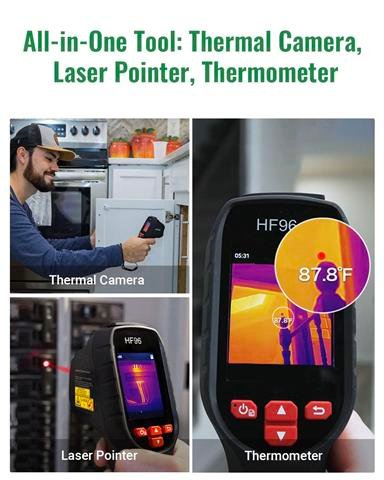
Image intensification collects tiny amounts of light, like starlight or moonlight, and makes it stronger. The image becomes bright green, which is why night vision images are often green. Thermal imaging works differently. It detects heat (infrared radiation) from objects, people, or animals and creates an image based on temperature differences.
Night vision goggles do not usually have built-in cameras. Their main goal is to help you see, not to record.
Types Of Night Vision Goggles
Not every night vision goggle is the same. Some are simple, while others have advanced features, including video recording. Here are the main types:
| Type | Main Feature | Video Recording |
|---|---|---|
| Analog Night Vision | Image intensification tubes | Rarely supported |
| Digital Night Vision | Electronic sensors and displays | Often supported |
| Thermal Goggles | Detect heat signatures | Sometimes supported |
Analog night vision is what you see in military or police gear. These usually cannot record video because they use old-style tubes, not electronic sensors.
Digital night vision uses electronic parts, like what you find in a camera or smartphone. These are more likely to offer video recording and even photo capture.
Thermal goggles can sometimes record video, but not all models include this. They are popular for wildlife viewing and security.
Can Night Vision Goggles Record Video?
The answer depends on the type:
- Traditional analog goggles: Most cannot record video. They lack the digital electronics needed to capture or save images.
- Digital night vision goggles: Many can record video. They use digital sensors, just like regular cameras.
- Thermal imaging goggles: Some models let you record video, but this is usually found in more expensive options.
If you want night vision goggles that can record, you should look for digital night vision or thermal goggles with built-in recording.
How Video Recording Works In Night Vision Goggles
When a night vision goggle can record video, it usually has:
- A digital image sensor: Captures the image, like in a smartphone camera.
- Internal memory or SD card slot: Stores the video files.
- A built-in or removable battery: Powers the recording function.
- A menu system or buttons: Lets you start/stop recording and manage files.
Some devices also have USB ports or Wi-Fi to transfer videos to your computer or phone.
Important insight: Not all night vision goggles with screens can record video. Some only display what the sensor sees but do not have the software or storage for recording.
Who Uses Video-recording Night Vision Goggles?
Night vision goggles with recording features are used by:
- Wildlife observers: To film animals at night without disturbing them.
- Hunters: To review hunts, track movements, or for safety.
- Security staff and law enforcement: To document patrols or incidents.
- Search and rescue teams: To record missions for training or evidence.
- Outdoor enthusiasts: For camping, hiking, or exploring at night.
Non-obvious insight: Some users buy digital night vision goggles for personal security, recording what happens around their home or camp during the night.
Popular Night Vision Goggles That Record Video
If you are looking for models that can record, here are some well-known options:
- ATN Binox 4K: Offers 1080p video recording, day and night use, Wi-Fi streaming, and a built-in rangefinder.
- Sightmark Ghost Hunter: Some versions include recording features, especially digital models.
- Solomark Digital Night Vision Binoculars: Affordable option with video and photo recording.
- Bushnell Equinox Z2: Popular with hunters and outdoor users, allows video recording with digital zoom.
- Pulsar Accolade 2 LRF XP50 Pro: High-end thermal goggles with HD video recording and Wi-Fi.
These models differ in price, features, and quality. Not all are “goggles” in the sense of being head-worn; some are handheld binoculars.

Comparing Night Vision Goggles With And Without Video Recording
Here’s how they differ:
| Feature | Goggles with Recording | Goggles without Recording |
|---|---|---|
| Video/Photo Capture | Yes | No |
| Price | Higher | Lower |
| Battery Life | Shorter (usually) | Longer |
| Ease of Use | More complex | Simpler |
| Weight | Heavier | Lighter |
Non-obvious insight: Recording can drain the battery quickly, and extra features can make goggles heavier or harder to use for long periods.
What To Look For When Choosing Video-recording Night Vision Goggles
If you want to buy night vision goggles that record video, keep these points in mind:
- Recording quality: Check for HD (720p or 1080p) video if you want clear images. Some cheap models record at low quality.
- Storage options: Look for an SD card slot. Internal memory fills up fast.
- Battery life: Recording uses more power than just viewing. Choose a model with good battery capacity or replaceable batteries.
- Ease of file transfer: USB or Wi-Fi makes it simple to get videos onto your computer or phone.
- Weight and comfort: More features often mean heavier goggles. If you plan to wear them for hours, pick a comfortable model.
- Weather resistance: For outdoor use, waterproof or dustproof designs are important.
Common mistake: Some buyers focus only on recording and ignore comfort. If goggles are too heavy, you may not want to wear them for long.

Legal And Privacy Considerations
Recording video with night vision goggles can raise privacy or legal issues. In some areas, it is illegal to record others without their consent, even at night. Always check local laws before using video recording features, especially for surveillance.
Night Vision Goggles Vs. Night Vision Cameras
Some people think night vision goggles and night vision cameras are the same. They are not. Goggles are for seeing in the dark, worn on your head or face. Cameras are designed to record or stream video, and may not be wearable.
If you mainly want to record, a night vision camera may be a better choice. These are designed for surveillance, wildlife watching, or security, and often have better video quality and longer recording times.

Technical Limits And Challenges
Even the best night vision goggles with recording have some limits:
- Field of view: The camera may not see as wide an area as the human eye.
- Frame rate: Some devices record at low frame rates, making video look jumpy.
- Storage: High-quality video needs lots of space.
- Heat: Recording for long periods can make devices hot, possibly reducing lifespan.
Practical tip: Carry extra SD cards and batteries if you plan to record for a long time.
Real-world Examples
- Wildlife filmmakers use video-recording night vision goggles to film animals at night without using bright lights.
- Security teams may use them to document evidence during patrols in dark areas.
- Hikers and campers record their adventures for safety or memories.
Some users share their videos online, showing how night vision recording works in practice. You can find many real-life examples on YouTube or outdoor forums.
Pros And Cons Of Video-recording Night Vision Goggles
| Pros | Cons |
|---|---|
| Lets you capture and review night events | More expensive than basic goggles |
| Easy to share or save evidence | Heavier and may be less comfortable |
| Useful for training and safety | Shorter battery life |
| Often have extra features like Wi-Fi | More complex to operate |
Maintenance And Care
Night vision goggles, especially those with recording features, need careful handling. Always:
- Keep lenses clean and free from dust.
- Store in a dry, padded case.
- Use only approved batteries or chargers.
- Regularly back up your video files.
Non-obvious insight: Recording electronics can be more sensitive to water or shocks than basic goggles. Handle with extra care.
Where To Learn More
For deeper technical details, you can check specialized articles on night vision technology at Wikipedia.
Frequently Asked Questions
Can All Night Vision Goggles Record Video?
No, only digital night vision goggles and some thermal goggles have recording features. Most analog goggles do not support video recording.
How Long Can I Record With Night Vision Goggles?
It depends on the memory size and battery life. Many models can record for 1-4 hours on a single charge, but using a higher-capacity SD card helps store longer videos.
Is Video Quality Good In Night Vision Goggles?
Video quality varies. Some record in HD (720p or 1080p), while others use lower resolutions. Digital models usually provide better quality than analog or older devices.
Are There Any Legal Issues With Recording Video At Night?
Yes, recording others without their knowledge can be illegal in some places. Always check local laws before recording video with night vision goggles.
What Is The Difference Between Night Vision Goggles And Night Vision Cameras?
Night vision goggles are for seeing in the dark, often worn on the head. Night vision cameras are for recording and may offer better quality but are not usually wearable.
Night vision goggles with video recording offer powerful tools for night activities, but they are not all the same. By understanding the technology and what features to look for, you can choose the right device for your needs and use it safely and legally.