When you need to see inside a machine, a pipe, or a wall—without breaking or cutting—two tools often come up: borescopes and inspection cameras. People sometimes think they are the same. But in reality, they have important differences. Knowing these differences helps you pick the right tool for your task, avoid wasted money, and get better results. This article will guide you through everything you need to know about borescopes and inspection cameras, including their features, uses, and how to decide which one is best for you.
What Is A Borescope?
A borescope is a special tool designed to look into tight spaces where normal eyes cannot see. It is made up of a long, thin tube (sometimes flexible, sometimes rigid) with a lens at one end and an eyepiece or display at the other. Most borescopes also have a small light to brighten dark areas inside engines, pipes, or walls.
Borescopes were first used in the 1960s for aircraft engine inspections. Over time, they have become important tools in many fields, including automotive repair, plumbing, and even art restoration. Today, you’ll find borescopes with advanced features like digital screens, video recording, and Wi-Fi connectivity.
What Is An Inspection Camera?
An inspection camera is a broader term. It refers to any camera designed to look into areas that are hard to reach or see. Inspection cameras can include borescopes, but also other types like endoscopes (used in medicine) and snake cameras. Usually, the term describes cameras with flexible cables and a small lens, often connected to a digital display or smartphone.
Inspection cameras are popular among DIY enthusiasts, plumbers, electricians, and home inspectors. They help people find blockages, leaks, or problems inside pipes, walls, and appliances without causing damage.
Key Differences: Borescope Vs. Inspection Camera
Understanding the differences between these tools is essential before buying or using one. Below are the main factors that set them apart.
Design And Build
| Feature | Borescope | Inspection Camera |
|---|---|---|
| Tube/Cable Type | Usually rigid or semi-rigid | Mostly flexible, snake-like cable |
| Length Options | Shorter, for precision work | Often longer (up to 30 meters) |
| Diameter | Very thin (down to 2 mm) | Varies (usually 5-15 mm) |
| Light Source | Usually built-in LED | Built-in LED, sometimes adjustable brightness |
Borescopes are often more precise, made for industrial or technical inspections where space is extremely tight. Their small diameter lets them reach inside engines or equipment with very narrow openings. Many borescopes are semi-rigid, so they stay straight when pushed.
Inspection cameras usually have a flexible cable. This makes them better for navigating pipes, drains, or winding spaces. The flexibility helps in reaching around bends but can make precise movements harder.
Image Quality And Display
- Borescopes may use optical lenses and often offer high-resolution images, especially in medical or industrial models. Some have fiber optics, which gives a clear image even in tiny diameters.
- Inspection cameras typically use digital sensors. Image quality varies widely, from basic VGA (640×480) to HD (1080p or higher). Most have a built-in LCD screen or connect to a phone/tablet via USB or Wi-Fi.
Some high-end borescopes allow users to change lenses for different viewing angles. Inspection cameras, on the other hand, may offer features like zoom, image rotation, or snapshot/video recording.
Applications
| Application | Borescope | Inspection Camera |
|---|---|---|
| Automotive Engine Inspection | Excellent (due to thinness and rigidity) | Good (if cable fits opening) |
| Pipe/Drain Inspection | Possible (if pipe is straight) | Excellent (flexible for bends) |
| HVAC Ducts | Limited (unless straight run) | Very good |
| Medical Use | Common in non-human use | Rare (medical endoscopes are specialized) |
| Electrical Work | Possible for small conduits | Very good for wall and ceiling checks |
Borescopes are best for tasks needing precision and a straight path, like checking inside a car’s cylinder or looking at aircraft turbine blades. Their rigid or semi-rigid form lets users push and control the lens exactly.
Inspection cameras shine when you need to snake through bends or longer distances, such as finding blockages in drains or inspecting behind walls.
Cost And Availability
- Borescopes range widely in price. Basic models start around $50, but professional or medical borescopes can cost thousands of dollars due to specialized optics.
- Inspection cameras are more affordable for most users. Entry-level models can be found for as little as $20–$30, with advanced options below $300 for most home and small business uses.
A key insight: If you only need to check home plumbing or occasional repairs, a low-cost inspection camera is usually enough. For specialized jobs—like engine inspection—investing in a quality borescope pays off.
Durability And Waterproofing
Both tool types are often built to be waterproof or at least water-resistant. However, there are differences:
- Borescopes used in industry may be rated to withstand oil, chemicals, or high temperatures.
- Inspection cameras for home use are generally splash-proof, but some models are fully submersible up to several meters.
Always check the IP rating (e.g., IP67 means dust-tight and can survive immersion up to 1 meter for 30 minutes).
Flexibility And Control
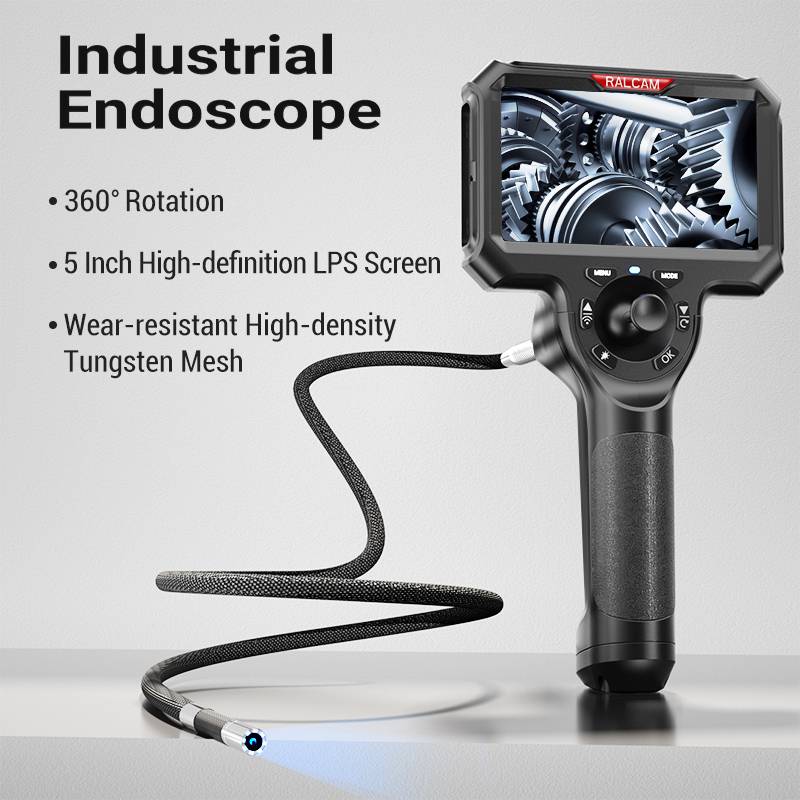
Borescopes are usually easier to control in a straight line. Some advanced models have articulating tips, letting you move the lens head up, down, or sideways. This is useful for close inspections but increases cost.
Inspection cameras can go around bends, but controlling the camera head’s direction is harder. Some new models offer limited articulation, but they tend to be less precise than borescopes.
Advantages Of Borescopes
- Precision Access: They fit into extremely small openings, making them ideal for engine and machinery checks.
- Image Clarity: High-end optics deliver sharp, detailed images.
- Articulation: Some have adjustable tips for better viewing angles.
- Durability: Industrial models handle tough environments.
Borescopes are the tool of choice for mechanics, aircraft technicians, and professionals who need exact views and measurements.

Advantages Of Inspection Cameras
- Flexibility: The cable easily moves through bends and long paths, great for plumbing and wiring.
- User-Friendly: Easy to use for beginners—just connect and view.
- Digital Features: Many models offer image/video recording, Wi-Fi, and smartphone compatibility.
- Affordable: Wide price range means anyone can find a suitable option.
Inspection cameras are perfect for homeowners, handymen, and DIYers who want to solve problems without professional help.
Common Buyer Mistakes
Many first-time buyers choose the wrong tool due to confusion. Here are pitfalls to avoid:
- Ignoring diameter: If the camera head is too big, it won’t fit the inspection hole.
- Overlooking cable length: For long pipes or drains, short cables are useless.
- No waterproof rating: Using a non-waterproof camera in wet conditions can break it.
- Assuming all are the same: Not all inspection cameras or borescopes have recording, Wi-Fi, or replaceable batteries.
- Buying only on price: Cheap models often have poor image quality and short lifespans.
Choose based on your real needs, not just features or price.
How To Choose: Which One Do You Need?
To decide between a borescope and an inspection camera, ask yourself:
- What is the size of the opening? If it’s tiny (2–4 mm), you probably need a borescope.
- Is the path straight or curved? For bends and long pipes, go with a flexible inspection camera.
- Do you need to record images or video? Inspection cameras often have better digital features.
- What’s your budget? Inspection cameras are usually more affordable.
- Is precision more important than reach? Choose a borescope for exact, controlled movement.
For example, checking inside a car engine’s spark plug hole calls for a borescope. Checking a clogged kitchen drain is easier with an inspection camera.
Real-world Examples
- Aircraft maintenance: Technicians use borescopes to look inside jet engines without taking them apart. This saves time and reduces risk.
- Home plumbing: A plumber finds a hidden leak under the floor using a flexible inspection camera, saving the homeowner from breaking tiles.
- HVAC repair: Inspectors use cameras to check for mold or blockages inside air ducts.
- Art conservation: Museums use thin borescopes to examine fragile statues or paintings from inside, avoiding damage.
These examples show that the tool’s features match the task’s needs, not the other way around.

Non-obvious Insights
First, many people do not realize that borescopes with articulating tips can cost up to 10 times more than basic models. Articulation is a premium feature, not standard. If you don’t need to move the camera head, save money by choosing a fixed-tip model.
Second, inspection cameras with Wi-Fi can connect to smartphones, but wireless signals often fail inside metal pipes or thick walls. For critical jobs, a wired connection may work better.
A final tip: In some cases, a borescope can be too rigid to use in tight, curved plumbing. If you force it, you risk breaking the device or damaging the pipe. Always match the tool’s flexibility to the inspection path.
For deeper technical insights, you can read more at the Wikipedia page on borescopes.
Frequently Asked Questions
What Is The Main Difference Between A Borescope And An Inspection Camera?
The main difference is that a borescope is usually more precise, with a rigid or semi-rigid design for straight paths and tiny spaces, while an inspection camera is more flexible, made for navigating bends and longer distances in pipes or walls.
Can I Use An Inspection Camera For Engine Inspection?
You can, but only if the camera head is small enough to fit into the engine opening. For best results, a borescope is preferred because of its thinness and precise control.
Are All Borescopes Waterproof?
No. Many industrial borescopes are waterproof, but some cheaper or older models are not. Always check the product’s IP rating to make sure it suits your needs.
Do Inspection Cameras Need Batteries?
Most inspection cameras run on built-in rechargeable batteries, but some connect directly to a phone or computer for power. Check the camera’s specs before buying.
Is There A Big Price Difference?
Yes. Borescopes (especially with articulation and high-quality optics) can be very expensive, while basic inspection cameras are usually affordable for home use.
Choosing between a borescope and an inspection camera is about knowing your task, the space you need to see, and the features that matter most. Pick the right tool, and you’ll get the job done faster, safer, and with less guesswork.