A waterproof borescope is a powerful tool for anyone who needs to see inside tight, hard-to-reach, or wet spaces. From plumbers checking pipes to car mechanics inspecting engines, and even homeowners exploring wall cavities, the borescope makes invisible spaces visible. But what exactly is a waterproof borescope, how does it work, and why might you need one? This guide will break down everything you need to know, using clear language and real-world examples.
Understanding The Waterproof Borescope
A waterproof borescope is a type of inspection camera designed to resist water and moisture. It consists of a long, flexible cable with a camera and light at the end. You insert the cable into narrow or hidden areas to view or record what’s inside. The key feature is its waterproof construction, which means you can use it in wet environments like drains, water tanks, or underwater machinery.
Unlike regular cameras, borescopes are built for inspection, not photography. The waterproof feature ensures that the camera keeps working even when submerged or splashed. This makes it different from standard borescopes that may only work in dry conditions.
How Does A Waterproof Borescope Work?
The basic design of a waterproof borescope includes:
- A small camera head with LED lights for visibility
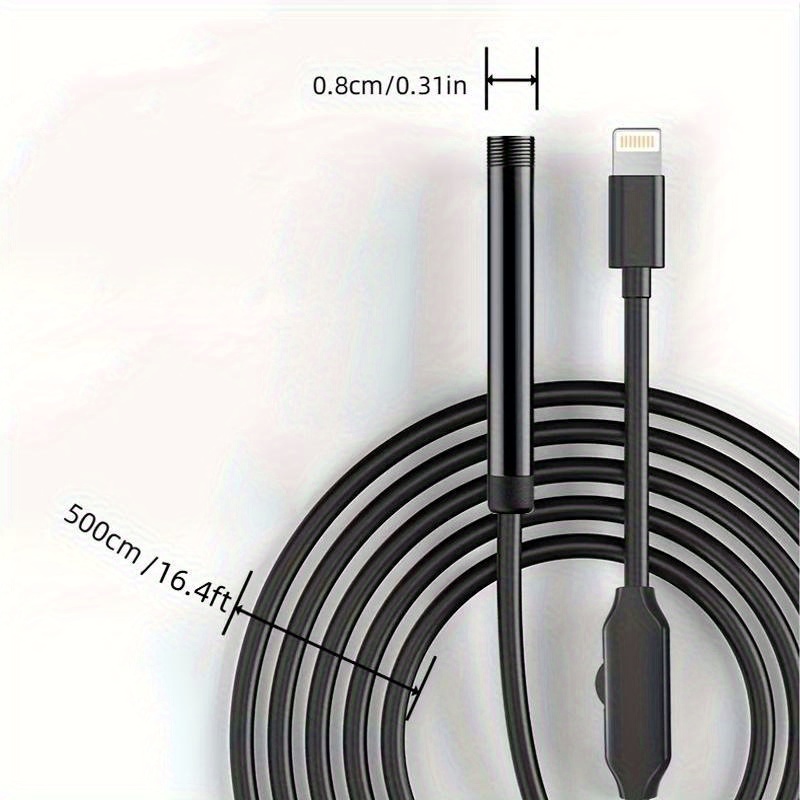
- A flexible or semi-rigid cable (length varies from 1 meter to 30 meters or more)
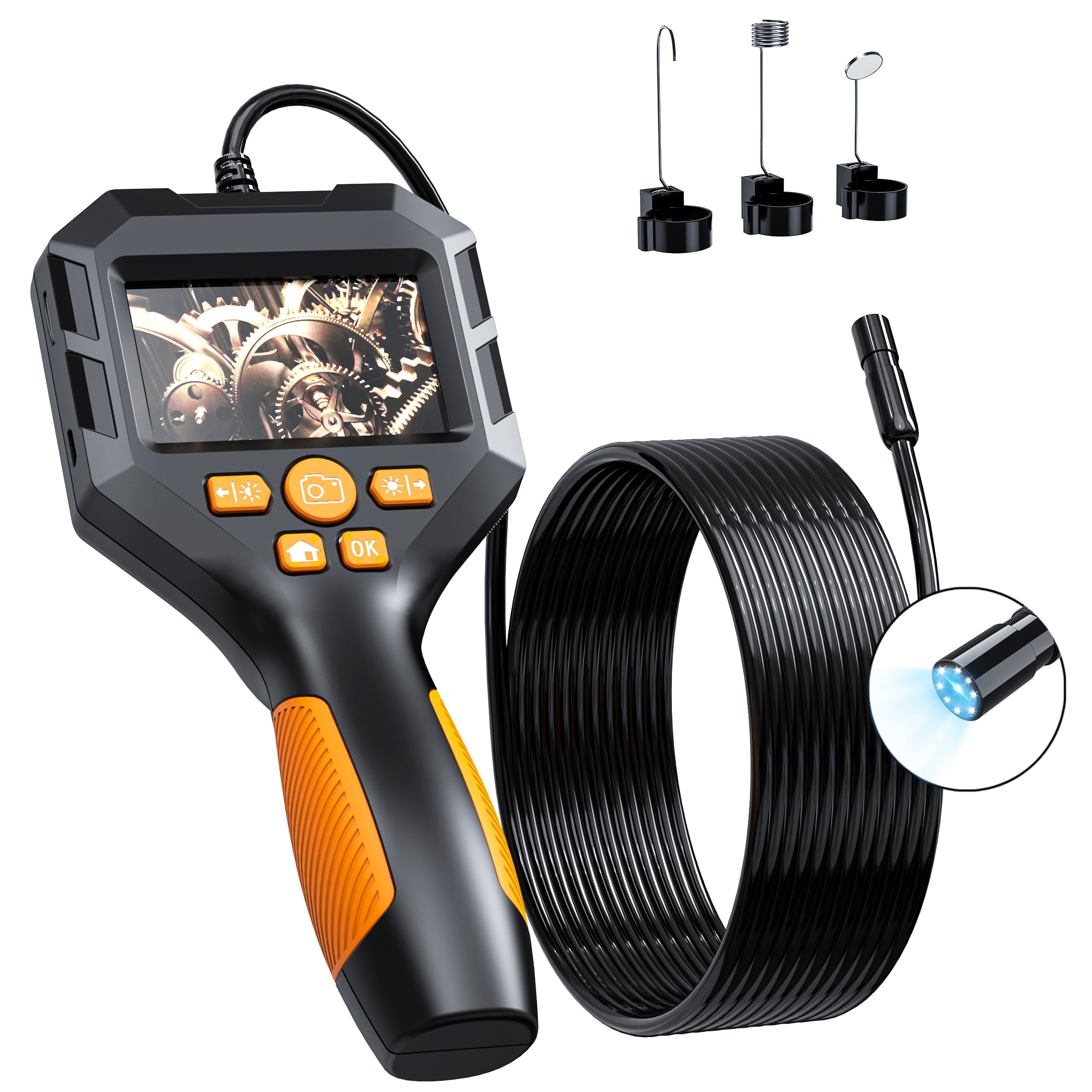
- A display unit (built-in screen, smartphone connection, or wireless transmission)
- Waterproof housing (rated by IP code, e.g., IP67 or IP68)
- Sometimes, recording or snapshot features
You feed the camera tip into the target area. The live video or images appear on the screen, allowing you to see inside pipes, machinery, or walls. The LED lights help illuminate dark spaces. Many borescopes let you adjust brightness or rotate the camera angle.
Some advanced models offer features like Wi-Fi, USB connectivity, or even two-way articulation (moving the camera head side to side). The waterproof rating assures the device will not short-circuit or fail when wet.
Key Features Of Waterproof Borescopes
When choosing a waterproof borescope, certain features make a difference:
1. Waterproof Rating
Most waterproof borescopes have an IP67 or IP68 rating. This means the device can withstand immersion in water up to a certain depth and for a set time. For example, IP67 means the camera can be submerged in water up to 1 meter for 30 minutes. Higher numbers mean better protection.
2. Camera Quality
Resolution matters for clear inspection. Standard models offer 720p or 1080p HD video. Some professional models go up to 2K or 4K. However, higher quality may require more storage and battery power.
3. Cable Type And Length
- Flexible cables bend around corners, ideal for winding pipes.
- Semi-rigid cables hold their shape, helpful for pushing through tight spaces.
- Lengths vary from 1 meter (about 3 feet) for household uses, up to 30 meters (about 100 feet) for industrial inspections.
4. Lighting
Built-in LED lights around the camera ensure you can see in dark or muddy water. The number of LEDs (usually 6-8) and adjustable brightness are important for clear viewing.
5. Display Options
- Built-in screen: Easy to use but may be small.
- Wi-Fi/Bluetooth: Connects to your smartphone or tablet.
- USB connection: Plugs directly into a computer.
6. Recording And Storage
Some models allow you to record video or take snapshots, storing them on SD cards or internal memory. This feature is useful for sharing findings or keeping records.
7. Diameter Of Camera Head
The camera’s size matters, especially in narrow pipes. Typical diameters range from 5mm to 10mm. Smaller heads fit into tighter spaces but may have lower image quality.
Where Are Waterproof Borescopes Used?
Waterproof borescopes are not just for plumbers or mechanics. Here are common and less obvious use cases:
- Plumbing: Inspecting clogged or leaking pipes, finding blockages or cracks.
- Automotive: Checking inside car engines, fuel tanks, or air vents without dismantling.
- HVAC: Looking into air ducts or AC units for blockages, mold, or damage.
- Home Inspection: Exploring behind walls, under floors, or inside ceilings for pests, wiring, or water leaks.
- Industrial Maintenance: Examining machinery, turbines, or tanks in wet environments.
- Marine Applications: Checking boat engines or hulls underwater.
- Aquariums: Inspecting fish tanks or filtration systems safely.
- Wells and Boreholes: Lowering the camera into groundwater sources.
- Archaeology and Research: Investigating wet caves, shipwrecks, or ancient water pipes.
- Electronics: Searching for water damage in gadgets.
Waterproof Vs. Non-waterproof Borescopes
A common question is: “Why choose a waterproof model?” Here’s a side-by-side comparison for clarity.
| Feature | Waterproof Borescope | Non-Waterproof Borescope |
|---|---|---|
| Usable in wet areas | Yes | No |
| Pipe and drain inspection | Ideal | Risk of damage |
| Durability | High (sealed) | Lower (not sealed) |
| Cost | Usually higher | Lower |
| Versatility | Wet & dry environments | Dry only |
The main advantage is peace of mind: you can use a waterproof borescope in almost any environment, including places where water is present or likely.
How To Choose The Right Waterproof Borescope
Selecting the best waterproof borescope depends on your needs. Here are some factors to help your decision:
1. Purpose
- For plumbing, a long, flexible cable and small camera head are best.
- For automotive, a short, semi-rigid cable with HD video helps.
- For marine or well inspection, longer cables (10m+) and higher waterproof rating are needed.
2. Image Quality
Higher resolution is better for detailed work, but may not be necessary for simple blockages.
3. Compatibility
Do you want to connect to your phone, tablet, or use a built-in display? Check compatibility with your devices (iOS, Android, Windows).
4. Battery Life
Longer inspections need better battery life or swappable batteries.
5. Accessories
Some kits include mirror attachments, hooks, or magnets to retrieve lost objects.
6. Budget
Prices range from $30 for simple models to over $500 for professional units. Consider what features you actually need.
Comparison Of Popular Models
Here’s a look at three popular waterproof borescope models:
| Model | Cable Length | Camera Diameter | Resolution | Waterproof Rating | Price Range (USD) |
|---|---|---|---|---|---|
| DEPSTECH DS450 | 5m | 8mm | 1080p | IP67 | $65-$80 |
| TESLONG NTS300 | 10m | 5.5mm | 1080p | IP67 | $140-$200 |
| Oiiwak Wireless | 3.5m | 8mm | 720p | IP67 | $40-$60 |
Real-world Examples
A homeowner discovers a slow drain in the kitchen sink. Instead of dismantling the plumbing, they insert a waterproof borescope into the pipe. The camera reveals a small clog of grease, saving time and money.
A car mechanic uses a borescope to check for coolant leaks inside an engine block without removing large parts. The waterproof nature means the camera isn’t damaged by residual fluids.
In another case, a marine biologist uses a long, waterproof borescope to inspect the inside of a coral reef cave, capturing video for research without disturbing the environment.
Non-obvious Insights About Waterproof Borescopes
First, many beginners overlook that waterproof does not always mean “fully submersible at any depth.” Always check the IP rating and manufacturer’s guidelines. Deep well inspections, for example, may require specialized units rated for higher pressure.
Second, the clarity of the image in muddy or dirty water depends not just on the camera’s resolution but on the LED light quality and how clean the camera lens remains. Some cameras include a lens cleaning kit or protective caps.
Third, not all waterproof borescopes are resistant to chemicals. If you plan to use the device in harsh environments (like sewage or with solvents), verify chemical resistance in the specifications.
Fourth, while wireless models are convenient, they may experience signal loss in metal pipes or underwater situations. Wired models offer more reliable transmission.
Common Mistakes When Using A Waterproof Borescope
- Ignoring the IP rating: Not all waterproof cameras are equal. Using a low-rated camera in deep water can ruin the device.
- Forgetting to dry after use: Water can damage connectors if left to sit. Always dry your borescope before storage.
- Using too much force: Pushing a flexible cable too hard can break the camera or cable. Let the borescope find its path gently.
- Not cleaning the lens: Debris on the lens reduces image quality. Clean after each use for best results.
- Skipping practice: The first few uses may be confusing. Practice in simple settings before real inspections.
Maintenance Tips For Waterproof Borescopes
- Rinse with fresh water after use, especially in saltwater or dirty environments.
- Dry thoroughly before storing.
- Store in a protective case to prevent cable tangling or camera damage.
- Regularly check for cracks or leaks in the housing.
- Keep firmware or app updated if using smart models.

Future Trends In Waterproof Borescopes
Technology in this area is advancing quickly. Expect to see:
- Smaller camera heads with higher resolution
- Longer battery life and more efficient LED lighting
- Wireless transmission improvements for better signal in tough environments
- AI-powered analysis for automatic detection of cracks or blockages
- Integration with smart home systems for remote inspections
For more technical details, you can visit this Wikipedia page about borescopes.
Frequently Asked Questions
What Is The Main Advantage Of A Waterproof Borescope?
The main advantage is its ability to work safely in wet, damp, or underwater environments. This allows for inspections in plumbing, marine, and industrial settings where water exposure is common.
Can I Use A Waterproof Borescope In Saltwater?
Yes, but you should rinse it with fresh water after use and dry it thoroughly. Saltwater is corrosive and may damage the camera over time if not properly maintained.
How Deep Can I Submerge A Waterproof Borescope?
This depends on the IP rating. Most consumer models (IP67) are safe up to 1 meter for 30 minutes. For deeper or longer underwater use, look for higher-rated models or specialty devices.
Do Waterproof Borescopes Work In Dirty Or Muddy Water?
They will function, but image clarity depends on water turbidity, lens cleanliness, and LED brightness. Very dirty water can limit how much you see.
Can I Record Video With All Waterproof Borescopes?
Not all models have recording capability. Check product specifications. Many mid-range and high-end models allow video and image recording, usually onto an SD card or smartphone.
—
A waterproof borescope is more than just a camera on a cable. It’s a versatile inspection tool that opens up new possibilities for maintenance, repair, and exploration. By understanding its features, proper use, and limitations, you can solve problems efficiently and avoid costly mistakes.
Whether you’re a professional or a DIY enthusiast, investing in the right model will make a big difference for your projects.