When you hear the word “borescope,” you might picture a high-tech tool only for engineers or scientists. But the reality is, a borescope is a practical device used in many different industries and even by hobbyists. Whether you are maintaining a jet engine, inspecting a wall for hidden problems, or just curious about tight spaces, understanding what a borescope is used for can open up new possibilities.
Let’s break down how this tool works, where it’s used, and what makes it so valuable in so many fields.
What Is A Borescope?
A borescope is a special inspection tool designed to look inside areas that are hard to reach or see with the naked eye. It usually consists of a long, flexible or rigid tube with a camera or lens at the end. Many borescopes have a light source to illuminate dark areas, and the image is transmitted to a screen or eyepiece, allowing users to see inside engines, pipes, walls, or machinery without taking things apart.
Today, most borescopes use digital cameras, offering high-quality images and the ability to record video or take photos for later analysis. Some connect to smartphones or computers for easy sharing and storage.
Main Uses Of A Borescope
Borescopes are more common than you might think. Here are the main areas where they are used, along with detailed examples:
1. Aircraft And Aerospace Maintenance
In the aerospace industry, safety and reliability are top priorities. Borescopes are essential for inspecting jet engines, turbines, and airframes. Mechanics use them to check for cracks, corrosion, or foreign objects without dismantling complex engines. This saves time, reduces costs, and helps prevent accidents.
For example, a small crack inside a turbine could cause engine failure. With a borescope, technicians can spot these defects early. Airlines also use borescopes during routine maintenance to ensure every plane is safe before flying.
2. Automotive And Diesel Engine Inspections
Mechanics often face the challenge of diagnosing problems inside car and truck engines. Removing cylinder heads or other engine parts is time-consuming and expensive. A borescope lets mechanics look inside combustion chambers, valves, and pistons without full disassembly.
This helps with:
- Finding carbon build-up
- Detecting damaged valves or pistons
- Checking for coolant leaks
By seeing inside the engine, repairs can be more accurate, and unnecessary work is avoided. Some car enthusiasts even use borescopes when rebuilding engines at home.
3. Industrial Equipment Maintenance
Factories rely on large machines that need regular inspection. Borescopes help technicians check gears, bearings, and welds inside machines. In many cases, the borescope can reach places that would be impossible to see otherwise.
For example, an oil refinery might use a borescope to inspect heat exchangers for corrosion or blockages. Finding issues early prevents costly breakdowns and dangerous failures.
4. Plumbing And Pipe Inspections
Plumbers use borescopes (often called pipe cameras) to investigate blockages, leaks, or pipe damage. Instead of guessing where a clog is, they insert the camera into the pipe and see exactly what’s wrong.
This is especially helpful in:
- Locating tree roots growing into pipes
- Identifying cracked or collapsed pipes
- Finding lost objects
With a borescope, repairs are faster and less destructive, as there’s no need to dig up large sections of pipe.
5. Building And Home Inspections
Home inspectors use borescopes to look inside walls, ceilings, and floors. This helps them find electrical problems, water leaks, or pests without making big holes.
For example, if there’s a water stain on a ceiling, a borescope can help check for mold or leaks above the spot. Some inspectors also use thermal imaging with borescopes for even better results.
6. Law Enforcement And Security
Police and security agencies use borescopes for safe investigations. For example, they can search behind walls, inside containers, or under vehicles for hidden items. In hostage situations or building searches, borescopes allow officers to look into rooms safely.
These tools help reduce risk and increase the chance of a successful operation.
7. Medical And Veterinary Applications
In medicine, similar devices called endoscopes are used to look inside the human or animal body. While not exactly the same as industrial borescopes, the basic idea is similar.
Doctors use endoscopes to examine the digestive tract, lungs, or other organs. Veterinarians use small borescopes to diagnose animal illnesses or perform minimally invasive surgery.
8. Electronics And Small Device Repair
Repairing smartphones, computers, or circuit boards often involves inspecting very small parts. Borescopes with tiny cameras let technicians check solder joints, connectors, or internal wiring without fully opening the device.
This is useful for:
- Diagnosing broken connections
- Finding damaged components
- Quality control in manufacturing
9. Research And Archaeology
Researchers sometimes need to explore inside ancient artifacts, fossils, or fragile structures. Using a borescope means they can investigate without causing damage.
For example, scientists have used borescopes to examine Egyptian mummies or look inside sealed tombs. In paleontology, a borescope can help see inside fossilized bones or amber.
10. Marine And Ship Inspections
Ships, submarines, and oil rigs face constant exposure to water and salt, which can cause corrosion. Borescopes are used to inspect engines, tanks, and underwater equipment. Divers may even use waterproof borescopes to inspect propellers or hulls.
This ensures vessels are safe and helps prevent leaks or accidents at sea.
11. Firefighting And Rescue
Firefighters sometimes use borescopes to search for people trapped inside collapsed buildings or behind walls. These cameras help rescuers see into small spaces without moving heavy debris, making rescue operations faster and safer.

Types Of Borescopes
There isn’t just one kind of borescope. They come in different shapes and sizes to fit different jobs. Here are the main types:
| Type | Main Feature | Typical Use |
|---|---|---|
| Rigid Borescope | Stiff metal tube | Machinery, straight pipes |
| Flexible Borescope | Bendable cable | Engines, curved pipes |
| Video Borescope | Digital camera and screen | Modern inspections, recording images |
| Fiberscope | Uses fiber optics for image transfer | Medical and industrial uses |
Each type has advantages and disadvantages. For example, rigid borescopes give the best image quality but can’t bend around corners. Flexible models can reach more places but may have slightly lower image quality.
Key Features To Look For
If you plan to buy or use a borescope, here are the most important features to consider:
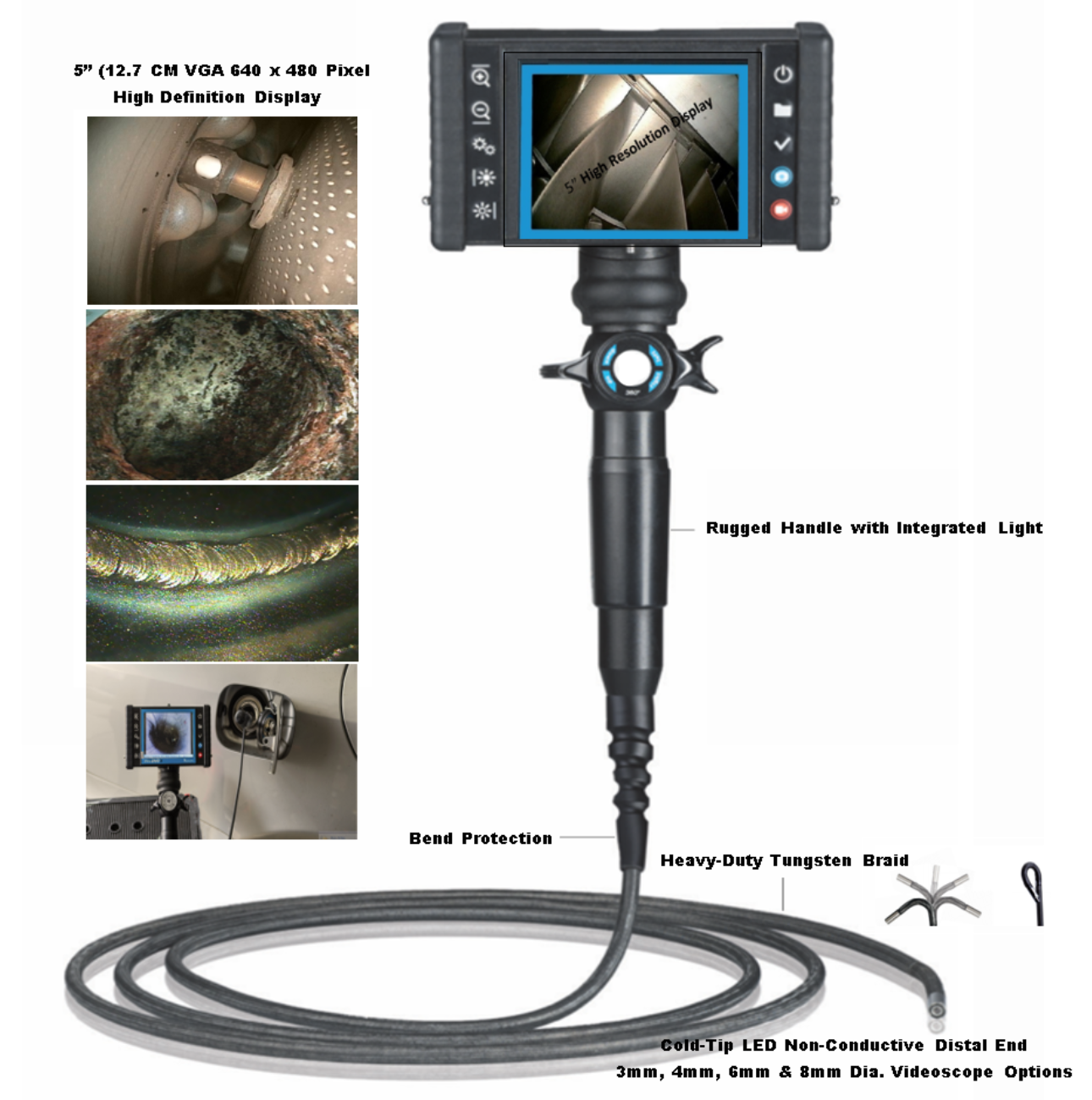
- Camera quality: Higher resolution means clearer images. For small or detailed inspections, a good camera is essential.
- Diameter and length: Make sure the borescope fits into the spaces you need to inspect. For example, inspecting fuel injectors requires a very slim camera.
- Light source: Most borescopes have built-in LED lights to brighten dark spaces. Adjustable light is helpful.
- Flexibility: Choose rigid for straight paths, flexible for bends and corners.
- Display or recording: Some borescopes connect to smartphones, others have their own screens. The ability to record images can be very useful for reports or sharing with others.
- Waterproofing: For plumbing or marine uses, waterproof cameras are a must.
Here’s a quick comparison of important features:
| Feature | Why It Matters | When to Prioritize |
|---|---|---|
| Camera Resolution | Sharper images, easier to spot problems | Detailed inspections (electronics, engines) |
| Tube Diameter | Fits into tight spaces | Small pipes, injectors, electronics |
| Recording Capability | Take photos or videos for review | Documentation, sharing with experts |
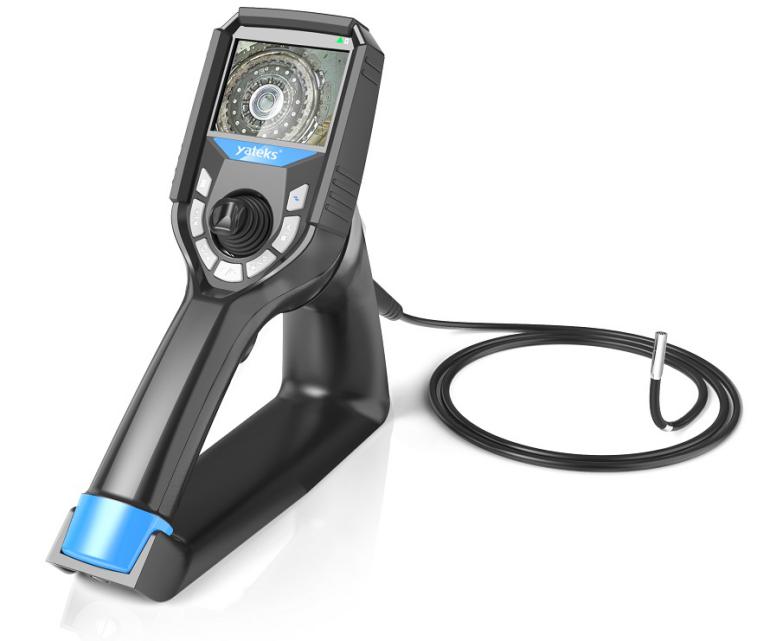
| Articulating Tip | Can steer the camera head remotely | Complex machinery, engine internals |
Common Mistakes When Using A Borescope
Many beginners run into problems the first time they use a borescope. Here are some mistakes to avoid:
- Forcing the probe: Pushing the borescope too hard can damage both the tool and the area being inspected. Move slowly and let the camera guide you.
- Ignoring lighting: Too much or too little light can hide details. Adjust the built-in LED brightness as needed.
- Not cleaning the lens: A dirty lens gives blurry images. Always clean the camera tip before use.
- Choosing the wrong type: Using a rigid borescope in a curved pipe won’t work. Make sure to pick the right model for the job.
- Skipping practice: Spend time learning how to control the camera and interpret what you see on the screen. Images can be confusing at first.
Non-obvious Insights For Beginners
- Image orientation can be confusing: Unlike your eyes, the camera’s view may be upside-down or sideways. Many borescopes let you rotate the image on screen, but it takes practice to understand what you’re seeing.
- Recording is more useful than you think: Taking video or still photos isn’t just for reports. You can send images to experts for advice, compare conditions over time, or even use recordings as proof for warranty claims.
- Articulating tips are game changers: Some advanced borescopes have tips you can steer remotely. This makes it much easier to inspect around corners or look at specific areas inside engines or machines.
Real-world Examples
Let’s look at a few situations where using a borescope made a big difference:
- A car mechanic finds a burned exhaust valve inside an engine without removing the cylinder head, saving hours of work and hundreds of dollars.
- An airline technician spots early signs of corrosion inside a jet engine, preventing a costly engine failure.
- A plumber locates a child’s toy stuck in a drain pipe, allowing for a quick fix instead of breaking walls.
Borescope Vs. Other Inspection Tools
How does a borescope compare to similar tools? Here’s a simple comparison:
| Tool | Main Use | Strength | Limitation |
|---|---|---|---|
| Borescope | Internal visual inspection | See inside hard-to-reach spaces | Can’t measure; needs skill to interpret |
| Ultrasound Tester | Detecting flaws inside materials | Finds hidden cracks or corrosion | No visual images |
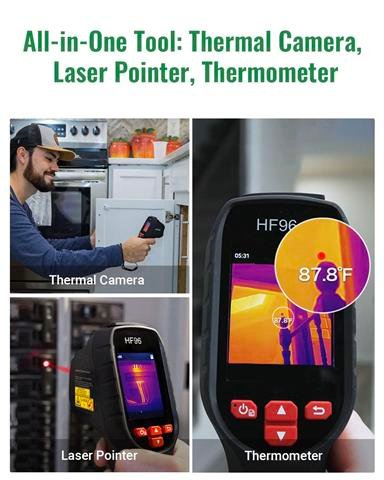
| Thermal Camera | Finding temperature differences | Detects heat leaks, hidden moisture | Doesn’t show physical objects |
Where To Learn More
If you want more technical details on borescopes and their uses, the Wikipedia Borescope page offers a good overview.
Frequently Asked Questions
What’s The Difference Between A Borescope And An Endoscope?
Both tools are used to see inside tight spaces, but borescopes are mainly for machines, pipes, and buildings. Endoscopes are medical devices for looking inside bodies. They are usually more sterile and designed for health care.
Can I Use A Borescope With My Smartphone?
Yes, many modern borescopes connect directly to smartphones through USB or Wi-Fi. This makes it easy to see images, record videos, and share what you find.
Are Borescopes Expensive?
Prices vary a lot. Simple borescopes for home use can cost as little as $30–$100. Professional models with high-resolution cameras, long cables, or articulating tips can cost several thousand dollars.
How Do I Clean And Store A Borescope?
Wipe the camera tip with a soft, clean cloth before and after use. For dirty environments, use alcohol wipes. Store the borescope in its case to protect the lens and cable from damage.
What Should I Do If The Image Is Blurry?
First, clean the borescope lens. Adjust the focus (if your model allows it) and make sure the camera is close enough to the object. Also, check the lighting—too much or too little can affect clarity.
Using a borescope can make inspections safer, faster, and more accurate. With a bit of practice and the right model, you’ll soon see why this tool is trusted by professionals all over the world.