
Looking for shed antlers is a unique outdoor adventure. For many, it’s a peaceful hobby that mixes nature walks with the excitement of a treasure hunt. Each winter, deer, elk, and moose naturally drop their antlers, leaving them hidden in fields, forests, and mountains.
These antlers offer clues about animal health, age, and even where animals move during the cold months. If you want to spot shed antlers, it helps to know where to look, when to search, and what signs to follow. Let’s explore how to make your next shed hunt both fun and successful.
Understanding Shed Antlers
Deer and elk grow new antlers every year. After the breeding season, their old antlers fall off. This usually happens between late winter and early spring, depending on the region and animal species. Male deer shed their antlers to conserve energy during the toughest months.
Shed antlers are not just beautiful. They provide important minerals for rodents and other wildlife that chew on them. For collectors, these sheds are prized for crafts, displays, and even dog training.
The Best Time To Search
Timing is key to finding fresh sheds. In most areas, the best months to look are January through April. Mule deer often shed a bit earlier than whitetail deer. Elk usually drop their antlers last, sometimes as late as March or April.
Weather and local conditions matter, too. A cold winter or heavy snow can delay shedding. On the other hand, mild seasons can make antlers drop earlier. If you start too soon, you may find nothing. Too late, and animals or other hunters may have already taken the best finds.
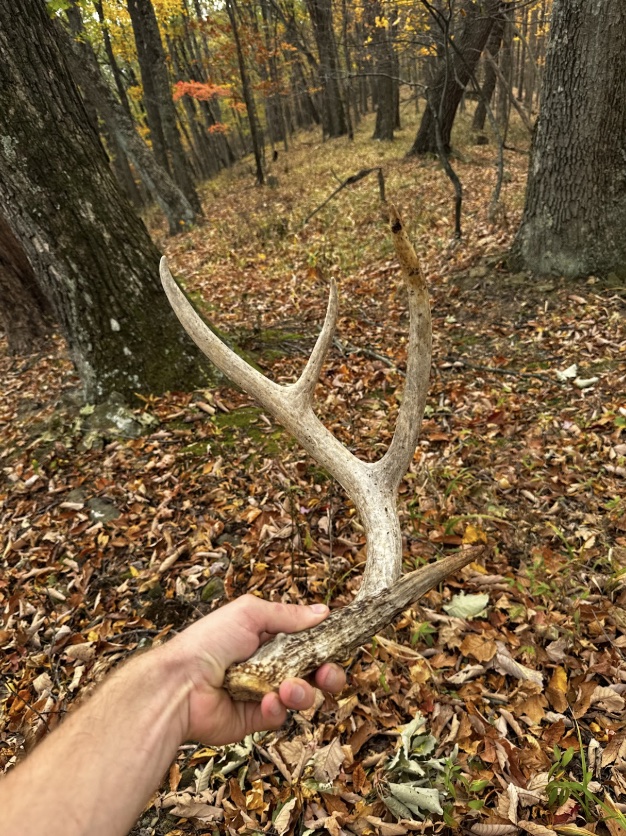
Where To Look For Shed Antlers
Not all places are equal for shed hunting. Animals spend much of winter in areas that give them food, cover, and safety from harsh weather. Focus your search on:
1. Feeding Areas
Open fields, clearcuts, and agricultural fields attract deer and elk in winter. Look for antlers along trails leading to these spots.
2. Bedding Areas
South-facing slopes, thick brush, and sunny patches often shelter animals from cold winds. Bedding sites are prime places to find sheds.
3. Travel Corridors
Paths between feeding and bedding spots see a lot of animal movement. Antlers can drop as animals jump fences or navigate obstacles.
4. Water Sources
Streams, ponds, and springs attract thirsty wildlife. Check along banks and muddy edges for sheds.
5. Fence Crossings And Obstacles
When deer or elk jump or duck under barriers, loose antlers can fall off. Scan these locations carefully.
Here’s a simple comparison of common shed hunting spots:
| Location Type | Why It’s Good | Best Time |
|---|---|---|
| Feeding Areas | High animal activity, easy to spot sheds | Early morning |
| Bedding Areas | Animals spend hours here resting | Midday |
| Fence Crossings | Antlers often loosen when animals jump | Anytime |
How To Spot Shed Antlers
Learning to spot antlers takes practice. Here are the most effective tips:
1. Train Your Eyes
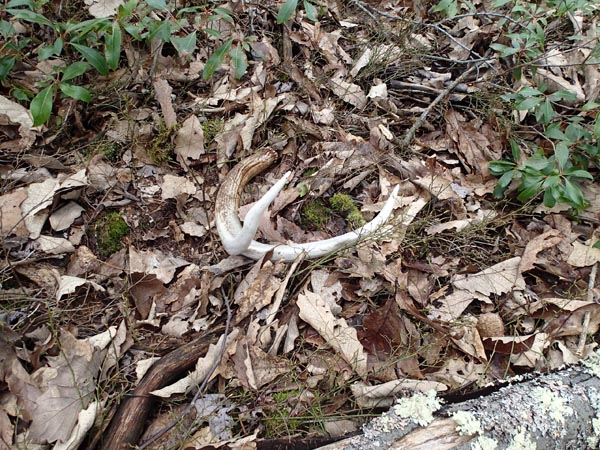
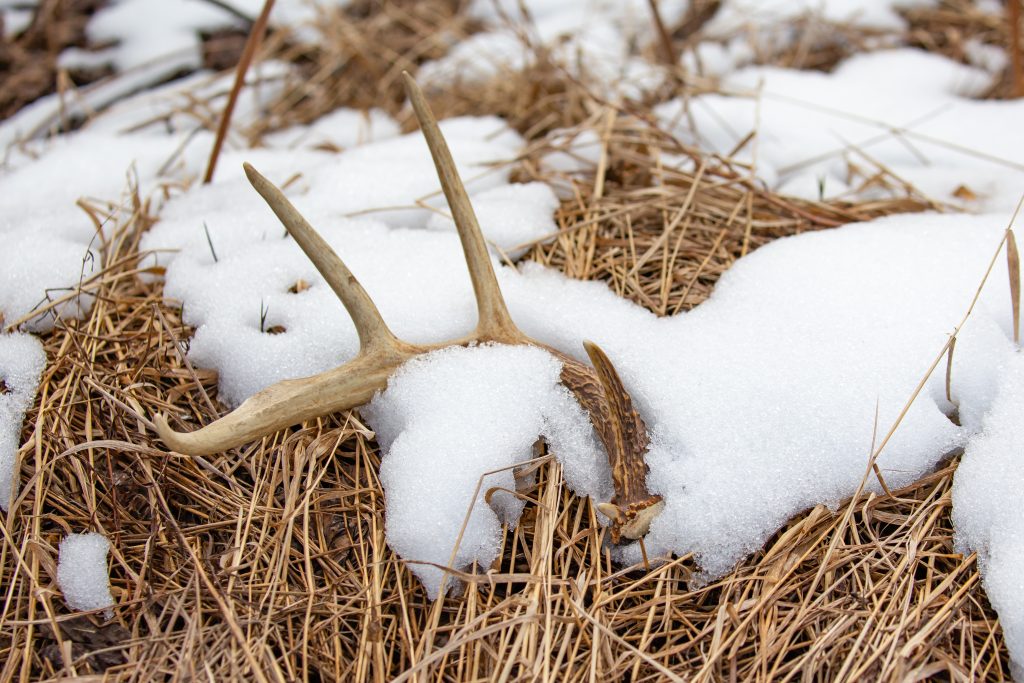
Sheds are often hidden by grass, leaves, or snow. Look for straight lines, curves, or the shine of antler tines. Move slowly and scan from different angles.
2. Use Binoculars
In open country, binoculars help you scan large areas without walking every inch.
3. Look For White Or Light Colors
Fresh antlers are brown with white tips. Old antlers may look chalky or gray. Focus on anything that stands out from the ground.
4. Check For Animal Tracks And Droppings
Lots of tracks mean animals spent time in the area. Droppings often lead you to bedding and feeding sites.
5. Walk Grid Patterns
Instead of wandering, walk in straight lines, then double back. This method covers more ground and helps you spot hidden sheds.
6. Go After Rain Or Snow Melt
Wet conditions make antlers shine and stand out. Snow melt can reveal antlers that were hidden all winter.
Tools And Gear For Shed Hunting
The right tools can make your shed hunt easier and more comfortable:
- Sturdy Boots for rough or muddy terrain
- Backpack for carrying water, snacks, and found antlers
- Gloves to protect your hands from thorns and cold
- Binoculars for scanning open fields
- Map or GPS so you don’t get lost
Here’s a quick look at basic gear options:
| Item | Purpose | Optional? |
|---|---|---|
| Boots | Comfort and support | No |
| Binoculars | Spotting from a distance | Yes |
| Gloves | Hand protection | Yes |
| Map/GPS | Navigation | No |
Advanced Tips Most Beginners Miss
Many new shed hunters walk too fast. Slow down—antlers are easy to miss if you rush. Also, don’t ignore small or broken sheds. Younger animals and even broken antlers help you learn about the local herd.
Another overlooked tip: check spots where animals pause, such as the edge of a clearing, or under lone trees. These “pause points” often hide sheds because animals shake their heads or rest there.
What To Do With Found Antlers
After finding antlers, clean off dirt with a dry brush. Avoid using water if you plan to keep the shed for display, as moisture can cause mold. Some collectors make crafts, dog chews, or even knife handles with their finds.
Remember to follow local rules. Some parks or wildlife areas do not allow shed hunting. Always respect private land and ask permission if needed.
Comparing Shed Antlers: Size And Species
It’s helpful to know what you’re looking for based on animal size. Here’s a quick reference:
| Species | Average Shed Size | Best States/Regions |
|---|---|---|
| Whitetail Deer | 3–5 lbs, 8–20 inches | Midwest, East US |
| Mule Deer | 4–8 lbs, 10–24 inches | Western US |
| Elk | 10–20 lbs, 20–40 inches | Rocky Mountains |
Frequently Asked Questions
What Is The Best Month To Look For Shed Antlers?
The best months are usually February through April, but this can vary by region and species. Watch local deer or elk herds for signs of dropped antlers.
Can I Sell The Antlers I Find?
Yes, in most places you can sell shed antlers, especially elk or larger deer sheds. However, check local laws first, as some states have regulations.
Is It Better To Shed Hunt Alone Or With A Group?
Both work well. Groups can cover more ground, but solo hunting is quieter and less likely to spook wildlife. Many prefer to start alone, then meet up to share finds.
How Long Do Shed Antlers Last In Nature?
Antlers can last several months to a few years. Sun, rain, and animals chewing on them break them down over time. Older sheds turn white and become brittle.
Are There Good Resources To Learn More About Shed Hunting?
Yes, for more tips and detailed info, you can visit the National Wild Turkey Federation.
Finding shed antlers is both a skill and an art. With patience and practice, you’ll start to see the landscape with new eyes—and maybe take home a unique piece of nature’s story.