Deer are some of the most adaptable and widespread animals on Earth. Whether you spot them in a dense forest, an open field, or even near suburban neighborhoods, you might wonder: What do deer eat? The answer is more complex than just “grass.” Deer have a varied diet, shaped by their environment, the season, and the food that is available. Understanding what deer eat can help hunters, wildlife watchers, gardeners, and anyone interested in nature to better appreciate these graceful animals.
The Basics Of A Deer’s Diet
Deer are herbivores, meaning they eat only plants. But unlike cows, which mainly eat grass, deer are “browsers.” This means they eat a wide variety of plant parts, such as leaves, twigs, fruits, and even mushrooms. Their diet changes depending on the time of year and what plants are growing.
Most deer species, like white-tailed deer and roe deer, need a mix of foods for proper nutrition. They require protein, fiber, and minerals to stay healthy. Too much of one thing—like just grass—will not give them everything they need.
Main Foods Deer Eat
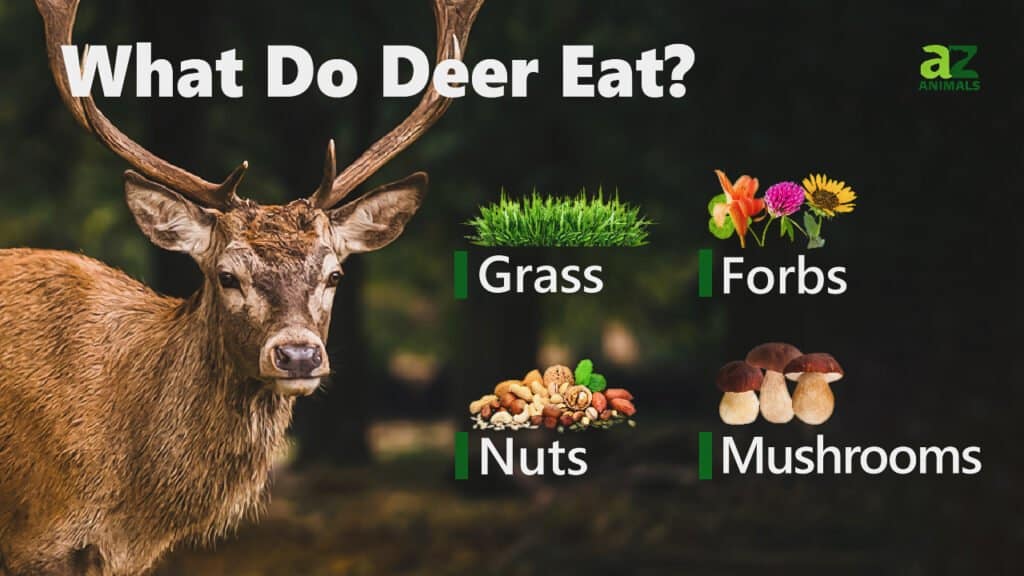
Deer are very flexible eaters. Here are the main foods they look for throughout the year:
Leaves And Twigs
Deer love to browse on the leaves and young twigs of trees and shrubs. In spring and summer, when plants are full of fresh growth, this is a favorite food. They especially like:
- Maple
- Oak
- Willow
- Dogwood
- Sassafras
In winter, when leaves are gone, deer will eat woody twigs and buds.
Grasses And Forbs
While not their main food, deer do eat grasses and forbs (non-woody plants like clover, dandelions, and wildflowers), especially in early spring when these are tender and full of nutrients.
Fruits And Nuts
Deer have a sweet tooth. They love fruits and nuts, which are high in energy:
- Apples
- Pears
- Berries
- Acorns (from oak trees)
- Beechnuts
- Chestnuts
Acorns are especially important in fall, helping deer build fat for winter.
Agricultural Crops
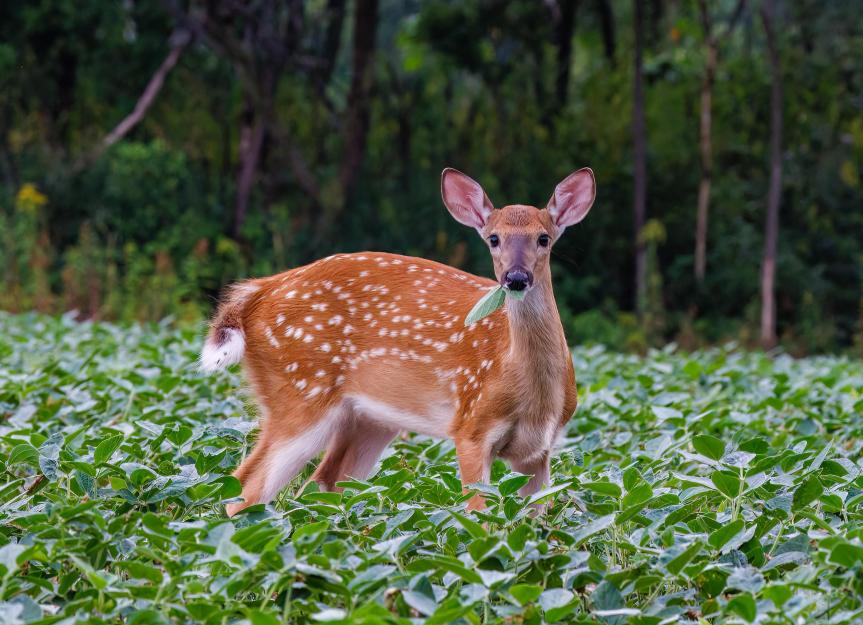
In areas near farms, deer often feed on corn, soybeans, wheat, and alfalfa. This can lead to conflicts with farmers, as deer can damage crops. But these foods are a rich source of calories for deer, especially in late summer and early fall.
Mushrooms And Fungi
A surprising part of a deer’s diet is mushrooms. They are rich in minerals and are often eaten in summer and fall. Deer can eat some mushrooms that are poisonous to humans.

Seasonal Changes In The Diet
Deer do not eat the same foods all year. What’s available changes with the seasons, and so does their diet.
| Season | Main Foods | Reason |
|---|---|---|
| Spring | Young leaves, forbs, grasses | New growth is tender and nutritious |
| Summer | Leaves, fruits, crops | Plenty of food, high energy needs |
| Fall | Acorns, nuts, fruits, crops | Fat storage for winter |
| Winter | Twigs, buds, bark | Limited food, survival mode |
One insight many beginners miss: deer will eat bark in winter when food is scarce, even though it is tough to digest and not ideal for them.
Wild Vs. Captive Deer Diets
Deer living in the wild must eat whatever is available. Captive deer, such as those in zoos or farms, often receive a more controlled diet.
| Wild Deer | Captive Deer |
|---|---|
| Leaves, twigs, wild fruits, nuts, grasses, fungi | Special feed pellets, hay, grains, fresh fruits, and vegetables |
| Diet changes with season and location | More balanced, fewer shortages |
| Must search for food daily | Food provided regularly |
A key point: captive deer usually live longer because they don’t face starvation or sudden diet changes.
Foods That Are Harmful To Deer
Not everything green is good for deer. Some plants and foods can be dangerous:
- Evergreen plants like yew, rhododendron, and azalea are toxic.
- Human foods such as bread, cookies, and processed snacks can cause digestive problems.
- Too much corn or grains at once can lead to a deadly condition called “acidosis.”
If you want to feed deer, stick to natural foods like apples, carrots, and acorns, but only in small amounts.
How Deer Find Food
Deer use their sharp sense of smell and memory to find food. They remember places where they found good food before and return often. At dawn and dusk, when it’s safer, deer are most active in their search for food.
Deer also have to be careful. They avoid open areas during the day to hide from predators and people, which is why you often see them at the edge of forests or in fields at night.
Nutritional Needs Of Deer
To stay healthy, deer need a balance of:
- Protein for muscle growth, especially in spring and summer
- Carbohydrates and fats for energy, especially in fall
- Minerals like calcium and phosphorus for antler growth in males
If deer can’t find the right mix, they may get weak or sick. For example, a lack of minerals can lead to smaller antlers or bone problems.
Deer Feeding Habits In Different Habitats
Where a deer lives changes what it eats:
| Habitat | Common Foods |
|---|---|
| Forests | Leaves, twigs, acorns, mushrooms |
| Grasslands | Grasses, forbs, some shrubs |
| Farmland | Crops (corn, soybeans), fruits, weeds |
| Suburban areas | Garden plants, ornamental shrubs, fruit trees |
Deer are very good at adapting to new foods when their favorite plants are not available.
Frequently Asked Questions
What Is A Deer’s Favorite Food?
Deer especially love acorns, apples, and fresh green leaves. In fall, acorns are a top choice because they are high in fat and help deer prepare for winter.
Can Deer Eat Bread Or Human Food?
No, bread and processed foods are not safe for deer. Their digestive systems are not built to handle these foods, and it can make them sick.
Do Deer Eat Flowers From Gardens?
Yes, many garden flowers like tulips and roses are eaten by deer. They often feed in gardens, especially if natural food is hard to find.
How Much Do Deer Eat In A Day?
An adult deer can eat 6 to 8 pounds (2.7 to 3.6 kg) of food daily, depending on its size, age, and the season. In winter, they may eat less because food is scarce.
Do All Deer Eat The Same Foods?
Most deer eat similar foods, but diet depends on the species and habitat. For example, mule deer in the western US eat more shrubs, while white-tailed deer in the east eat more broadleaf plants and crops.
Learning what deer eat can help you protect your garden, attract deer for watching, or simply understand these animals better. For more in-depth scientific information, you can visit the Wikipedia page on deer.
Deer are survivors, always looking for new food sources and adjusting their diet as needed. Their ability to adapt is one reason they thrive in so many places around the world. Next time you see a deer, you’ll know a bit more about what it might be searching for—and why.