Every year, as temperatures drop and the landscape changes, many people notice something fascinating: deer seem to disappear from some areas and appear in others. This movement isn’t just random wandering; it’s often a migration—a seasonal journey that helps deer survive. But how far do deer actually migrate? The answer isn’t simple, and it depends on the species, where they live, and the environment around them. Understanding deer migration is not only interesting but also important for hunters, wildlife watchers, and anyone who wants to protect these animals.
What Is Deer Migration?
Deer migration means a regular movement from one place to another, usually based on the seasons. Most deer migrate to find food, escape harsh weather, or raise their young. Some species travel long distances, while others only move a few miles.
Migration is different from daily movements. A deer might walk around its home area every day searching for food. Migration, however, means leaving that home area for a different region, often for months at a time. This journey helps deer survive changing conditions.
How Far Do Different Deer Species Migrate?
Not all deer migrate the same way. Some travel impressive distances, while others stay close to home. Here’s a closer look at migration patterns for well-known deer species.
White-tailed Deer
White-tailed deer are found across North America. Most do not migrate far. Their movements usually range from 1 to 30 miles, depending on food and snow depth. In northern forests, where winters are harsh, some white-tailed deer travel 10 to 25 miles to reach “winter yards”—areas with less snow and better cover.
Mule Deer
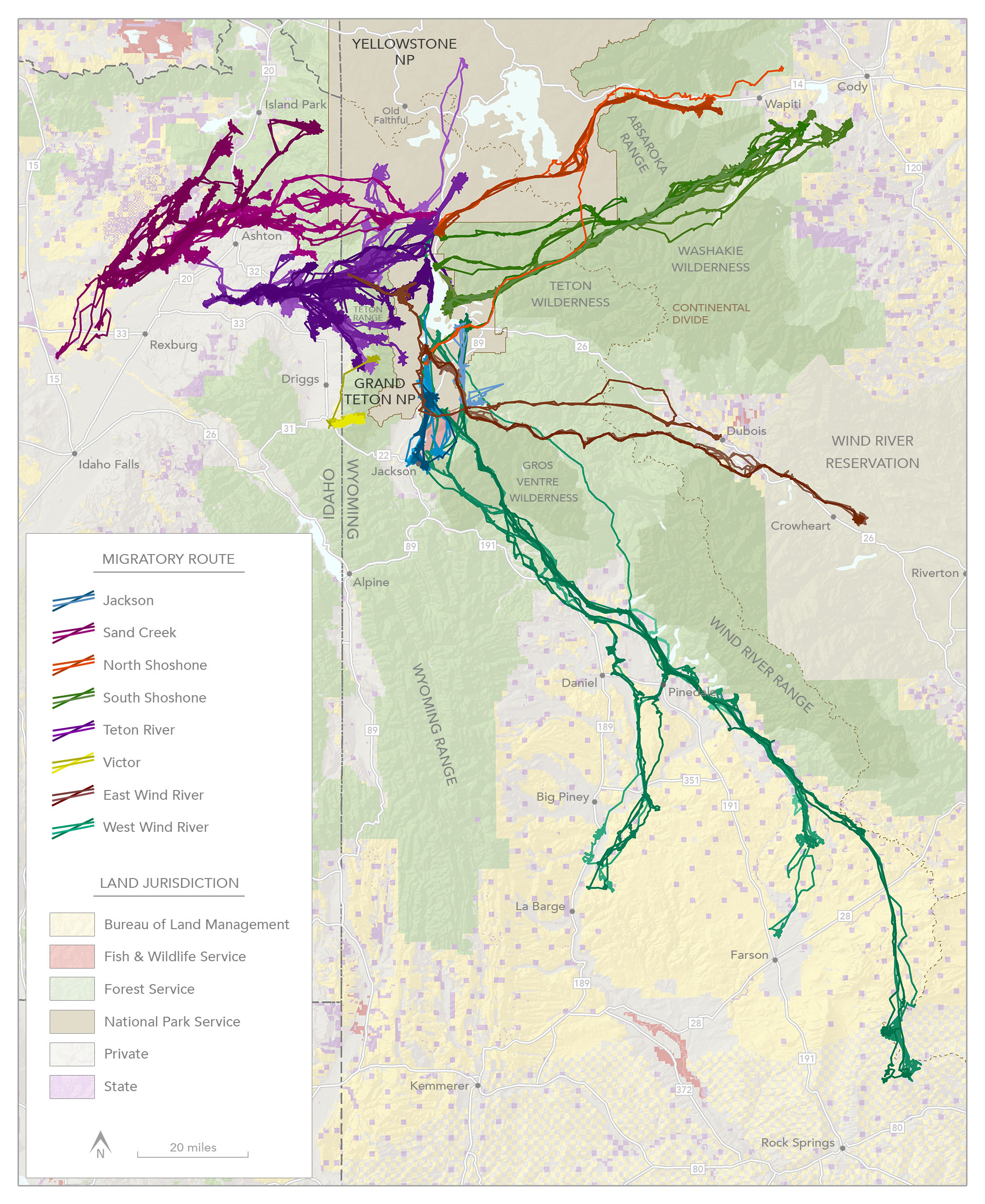
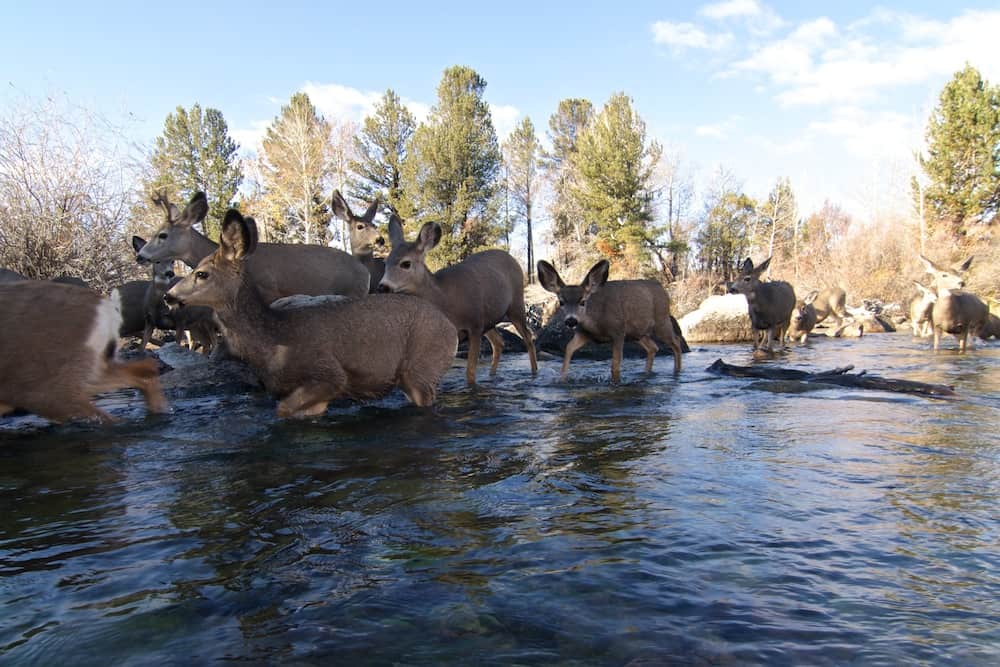
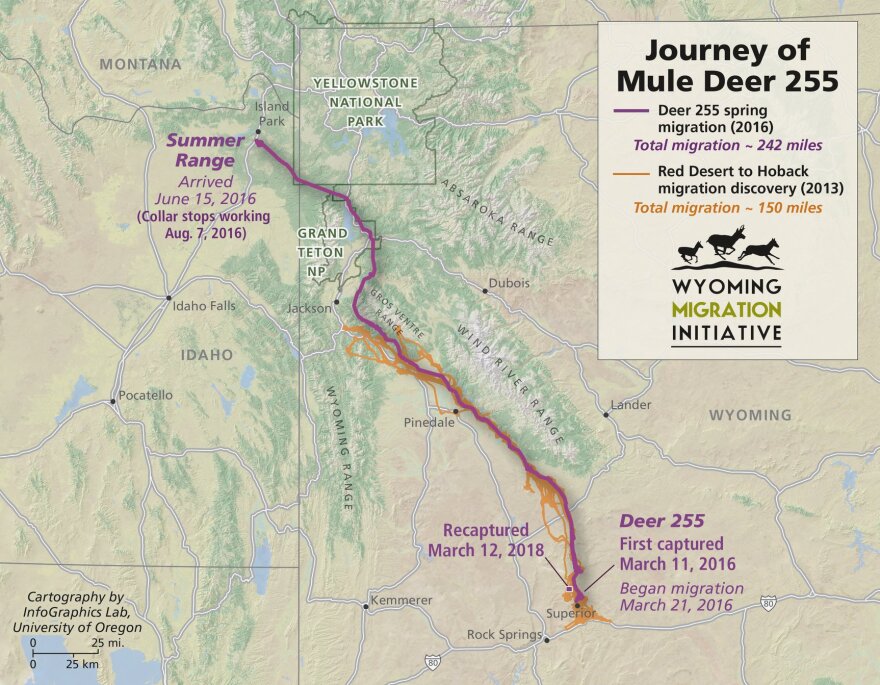
Mule deer are famous for their long migrations. In Wyoming, some herds travel over 150 miles between summer and winter ranges. One record-setting mule deer traveled nearly 250 miles in a single migration. These journeys often cross highways and rivers, showing the determination of these animals.
Caribou (reindeer)
While not always called “deer” by everyone, caribou are part of the deer family. Their migrations are legendary. Caribou herds in Alaska and Canada travel up to 3,000 miles a year, making them one of the most migratory land mammals on earth.
Elk
Elk migration distances are usually between 10 and 100 miles. Some Rocky Mountain elk travel even farther, following ancient routes between high summer meadows and lower winter valleys.
Roe Deer
In Europe, roe deer tend to be non-migratory. They usually stay in the same 1-2 square mile area year-round. However, in places with deep snow, some may move a few miles to find shelter and food.
Sika Deer
Sika deer, native to Asia but also found in Europe and the U.S., usually do not migrate long distances. Most local movements are less than 5 miles.
Why Do Deer Migrate?
Migration is a survival tool. Deer move to:
- Find food: In winter, deep snow covers plants, making food hard to reach.
- Avoid predators: Dense forests or thick swamps offer better hiding spots.
- Escape harsh weather: Lower valleys or warmer climates can mean less snow and easier living.
- Raise young: Some areas are safer for fawns.
The triggers for migration are usually shorter days, dropping temperatures, or early snowfall. Sometimes, migration patterns are learned from older deer and passed down through generations.
How Scientists Track Deer Migration
Modern science uses technology to uncover the secrets of deer migration. Researchers use GPS collars, radio tracking, and even aerial surveys. These tools provide data on where deer go and how far they travel.
| Tracking Method | Accuracy | Common Use |
|---|---|---|
| GPS Collars | Very High | Long-distance tracking |
| Radio Collars | Moderate | Short-term studies |
| Aerial Surveys | Low to Moderate | Population counts |
One key insight: migration distances are not always straight lines. Deer often zigzag, avoid barriers, and use “stopover” sites to rest and eat along the way.
Factors Affecting Migration Distance
Not every deer will migrate the same distance, even in the same area. Several things can change how far a deer goes:
- Snow depth: Deep snow forces deer to move farther.
- Food availability: If there’s plenty to eat, deer may not migrate at all.
- Human activity: Roads, fences, and cities can block migration paths.
- Age and health: Young or weak deer may not travel as far.
Another common mistake: people assume all deer in one place migrate the same way. In fact, some animals are “migrators,” and others are “residents.” The mix can change every year.
Migration Distance Comparison By Species
To show how migration distances vary, look at this comparison:
| Species | Typical Migration Distance | Extreme Migration Distance |
|---|---|---|
| White-tailed Deer | 1–30 miles | 50 miles |
| Mule Deer | 10–100 miles | 250 miles |
| Caribou | 300–1,000 miles | 3,000 miles |
| Elk | 10–100 miles | 150 miles |
| Roe Deer | 1–5 miles | 10 miles |
How Migration Helps Deer Survive
Migration is more than movement. It shapes how deer live and reproduce. By traveling to better areas, deer:
- Avoid starvation in winter
- Reduce risk of disease from crowded herds
- Find safer places for fawns
- Use their energy wisely by following the “green wave”—fresh plant growth
However, migration is risky. Roads, fences, and predators can cause problems. In some regions, deer populations have dropped because migration paths were blocked.
Surprising Insights Most People Miss
- Not all deer migrate every year. Some skip migration if winters are mild or food is easy to find. This flexibility helps deer populations survive changes in the environment.
- Some deer migrate vertically, not just across land. In mountainous areas, deer may move up and down in elevation rather than traveling long distances. They follow the melting snow up in spring and down in fall.
- Migration patterns are changing. Climate change, new highways, and urban sprawl are forcing some deer to change old migration routes—or stop migrating altogether. This can affect their survival and even change local ecosystems.
Real-world Example: Wyoming Mule Deer
In western Wyoming, a famous mule deer herd migrates over 150 miles each way. Scientists found that these deer use the same paths year after year. Some parts of the route are only a few yards wide, showing how important specific corridors are for migration.
Efforts to protect these corridors—by building wildlife crossings over highways and preserving open land—are vital for the survival of migratory deer herds. For more on this, see the work by the National Geographic.
Frequently Asked Questions
How Do Deer Know Where To Migrate?
Deer use a mix of memory, environmental cues, and instincts. Older deer often lead the group and teach younger animals the migration path.
Do All Deer Migrate?
No, not all deer migrate. Some are residents and stay in the same area year-round, especially where winters are mild.
Can Deer Migration Be Stopped By Humans?
Yes. Roads, fences, and buildings can block migration routes. This can reduce deer populations and hurt ecosystems.
How Do Scientists Study Deer Migration?
Researchers use GPS collars, radio tracking, and aerial surveys to follow deer and collect data on their movements.
Why Is Deer Migration Important?
Migration helps deer survive harsh winters, find food, and avoid predators. It also keeps ecosystems healthy by spreading seeds and nutrients.
Deer migration is a complex and fascinating survival strategy. The distance deer migrate can range from just a few miles to thousands, depending on the species and environment. Understanding these patterns helps people protect both deer and the landscapes they depend on.
Whether you are a hunter, a wildlife watcher, or simply curious, knowing about deer migration opens your eyes to the hidden journeys happening in the wild all around us.